
Decoradhouse renovation tips from DecoratorAdvice is a search phrase associated with advice on improving a home’s layout, comfort, appearance, and function. The most useful approach is to treat renovation as a planned process, not a series of rushed purchases. Start by identifying what needs repair, decide which changes matter most, set a realistic budget, and choose materials for the way each room is used. Then organise the work so that hidden repairs happen before paint, flooring, cabinets, and decoration. This order helps reduce rework and makes it easier to manage contractors, time, and spending. The phrase appears on several websites, but the available evidence does not establish it as a formal renovation standard or a single verified professional service. The practical advice below focuses on established home-improvement principles, with particular attention to planning, safety, room-by-room decisions, material choices, and final checks.
1. Decide What the Renovation Needs to Achieve
A successful renovation begins with a clear reason for changing the home. Some homeowners need more storage, while others want better lighting, easier cleaning, or safer rooms. A growing family may need a different layout. Someone working from home may need a quiet office area. An older property may need repairs before any decorative work makes sense. Write down the problems you want to solve before choosing colours or materials. Separate essential work from optional improvements. Essential work includes issues such as active leaks, unsafe wiring, damaged floors, and serious damp. Optional work may include a feature wall, new curtains, or decorative shelves. This distinction helps protect the budget when unexpected repairs appear. The best decoradhouse renovation tips from DecoratorAdvice begin with function because attractive finishes cannot correct a poorly planned room. Give each proposed change a clear purpose. If a renovation idea does not solve a problem or improve daily use, consider postponing it.
2. Inspect the Property Before Removing Anything
A careful inspection can reveal problems that are easy to miss during normal daily use. Look at ceilings, walls, floors, windows, doors, plumbing fixtures, and visible electrical fittings. Check for water stains, peeling paint, loose tiles, damaged seals, musty smells, and cracks that appear to be growing. Look below sinks and around toilets, showers, and washing machines for signs of leakage. Open and close windows and doors to check whether they work smoothly. Note areas where floors feel uneven or where water collects outside the property. Do not assume every crack is dangerous, but do not cover a crack before understanding its cause. A professional may need to inspect signs of structural movement, persistent damp, roof damage, or repeated water entry. Photograph existing damage and record its location. This creates a useful reference when discussing repairs with a contractor. It also helps distinguish old damage from problems that appear during construction. Decoradhouse renovation tips from DecoratorAdvice should be applied only after the condition of the building is understood.
3. Set a Budget That Includes More Than Materials
A renovation budget should cover the complete project, not just the items visible in a shop. Include materials, labour, delivery, waste removal, equipment hire, professional advice, and any required approvals. Small costs can add up when a project involves several rooms. For example, a bathroom update may need new fittings, waterproofing work, plumbing changes, tiles, adhesive, grout, and disposal of old materials. Leaving out preparation costs can make the original estimate misleading. Divide the budget into essential repairs, planned improvements, and optional decoration. Keep a separate contingency amount for issues that cannot be confirmed before work begins. The right reserve depends on the age and condition of the property and the type of renovation. Older homes and projects involving hidden pipes or walls may carry more uncertainty. Do not treat the contingency as extra shopping money. Use it only when a genuine change or unexpected repair arises. Track payments and purchases in one document. Record the date, supplier, item, amount, and room where each purchase will be used. These decoradhouse renovation tips from DecoratorAdvice help homeowners understand where the money goes and make better decisions when costs change.
4. Measure Rooms and Prepare a Practical Layout
Measurements should come before ordering furniture, cabinets, flooring, or large appliances. Measure each wall and note the position of doors, windows, radiators, sockets, switches, plumbing points, and fixed cupboards. Record ceiling height where it affects storage or lighting. Check the dimensions of items that must pass through hallways, staircases, and doorways. A sofa may fit inside a living room but fail to pass through the entrance. Draw a simple floor plan on paper or use a basic room-planning tool. Add furniture and storage to the plan before buying anything. Leave comfortable routes between doors and frequently used areas. In kitchens, consider how people move between the sink, cooking area, refrigerator, and food storage. In bedrooms, make sure drawers and wardrobe doors can open without blocking movement. In bathrooms, check that doors, shower screens, and cabinets do not conflict. A layout should work for the people who use the room, including children, older adults, and anyone with mobility needs. A beautiful floor plan is not useful if everyday movement becomes difficult.
5. Put Repairs and Hidden Work Before Decoration
The correct order of work can prevent damage and repeated spending. Start with structural repairs and any work needed to stop water entering the property. Then deal with plumbing, electrical changes, ventilation, and other services that may require opening walls or floors. After these tasks are checked, move to plastering, surface preparation, flooring, cabinets, painting, lighting fixtures, and final decoration. The exact sequence can change with the project. For example, some flooring systems may need to be installed before fitted cabinets, while others are designed to fit around them. Follow the instructions for the selected materials and confirm the sequence with the installer. Do not paint a wall before planned pipe or cable work is complete. Avoid installing expensive flooring while heavy construction is still taking place. If a contractor suggests changing the order, ask what problem the change solves. A clear explanation is better than simply accepting a different sequence. This is one of the most practical decoradhouse renovation tips from DecoratorAdvice because it reduces avoidable rework and protects completed surfaces.
6. Choose Materials for the Room, Not Just Their Appearance
A material should suit the conditions in which it will be used. Kitchen surfaces face spills, heat, cleaning products, and frequent contact. Bathroom finishes need to cope with moisture and regular cleaning. Hallway floors may experience more dirt and foot traffic than bedroom floors. A finish that works well in one room may be unsuitable in another. Compare materials by their durability, cleaning needs, repair options, installation requirements, and total cost. Ask suppliers for product information rather than relying only on showroom appearance. Check whether a product is intended for indoor or outdoor use, wet or dry areas, and the surface where it will be installed. For tiles, confirm that the selected type is suitable for the intended floor or wall application. For paint, check the recommended surface preparation and drying conditions. For cabinets, examine the construction, hinges, drawer runners, and edge finishes. Do not assume that a higher price always means better performance. Equally, do not choose the cheapest option without checking its suitability. A sensible material choice balances appearance, expected use, maintenance, and the cost of replacement.
7. Plan Kitchen Renovations Around Daily Work
A kitchen should support cooking, cleaning, storage, and movement. Before replacing cabinets, identify what currently causes difficulty. Perhaps frequently used items are stored too high, work surfaces are crowded, or the refrigerator blocks a route. A renovation can solve these problems through better storage and a more practical layout. Measure appliances carefully and confirm their installation requirements before ordering cabinets. Check the location of water connections, drainage, power points, and ventilation. Changes to gas, electrical, or plumbing services should be handled by appropriately qualified professionals under local requirements. Choose worktop materials based on cleaning needs, heat exposure, and the way the kitchen is used. Keep enough usable counter space near the areas where food is prepared. Add task lighting where people chop, wash, and cook. Cabinet interiors also deserve attention. Deep drawers, adjustable shelves, and pull-out storage can make items easier to reach. However, complicated fittings are not always necessary. Simple shelves may work better for households with limited budgets. Decoradhouse renovation tips from DecoratorAdvice are most useful in kitchens when design decisions improve everyday tasks rather than simply following a trend.
8. Make Bathroom Renovation a Moisture-Control Project
Bathrooms need more than attractive tiles and modern taps. Water must be directed safely into drains, and surfaces must be suitable for repeated moisture exposure. Before replacing finishes, check for leaking pipes, damaged seals, loose tiles, poor drainage, and signs of damp in nearby rooms. If water has entered the wall or floor, identify and repair the source before covering the area. Waterproofing systems must be installed according to the manufacturer’s instructions and the requirements of the selected tile or finish system. Do not assume that grout alone makes a shower waterproof. The waterproof layer beneath the finish is a separate part of the installation. Select floor surfaces with suitable slip resistance for the intended use. Check that shower screens, doors, and fittings can be cleaned and maintained. Good ventilation also matters. An extractor fan or suitable window can help remove moisture, but the right solution depends on the room and local building requirements. Electrical fittings near water need special care and should be installed by a qualified professional. These decoradhouse renovation tips from DecoratorAdvice help keep bathroom improvements focused on preventing future damage as well as improving appearance.
9. Improve Living Rooms Without Losing Useful Space
A living room should feel comfortable and allow people to move around easily. Start by deciding how the room will be used. A family space may need durable seating, storage for everyday items, and a clear route through the room. A smaller room may need furniture with more than one purpose. For example, a storage ottoman can provide a seat and a place to keep blankets. A narrow console may offer storage without taking up as much floor space as a deep cabinet. Choose the main seating arrangement before adding smaller tables and accessories. Check viewing distance and the position of windows to reduce glare on screens. Use layered lighting where possible. General lighting supports the whole room, task lighting helps with reading or work, and accent lighting highlights selected features. Avoid placing every item against the walls if it makes the centre feel empty and disconnected. Rugs can help define a seating area, but choose a size that fits the furniture arrangement. Secure loose rugs where they may slide. Keep walkways clear and avoid blocking doors or access to windows.
10. Create a Bedroom That Supports Rest and Storage
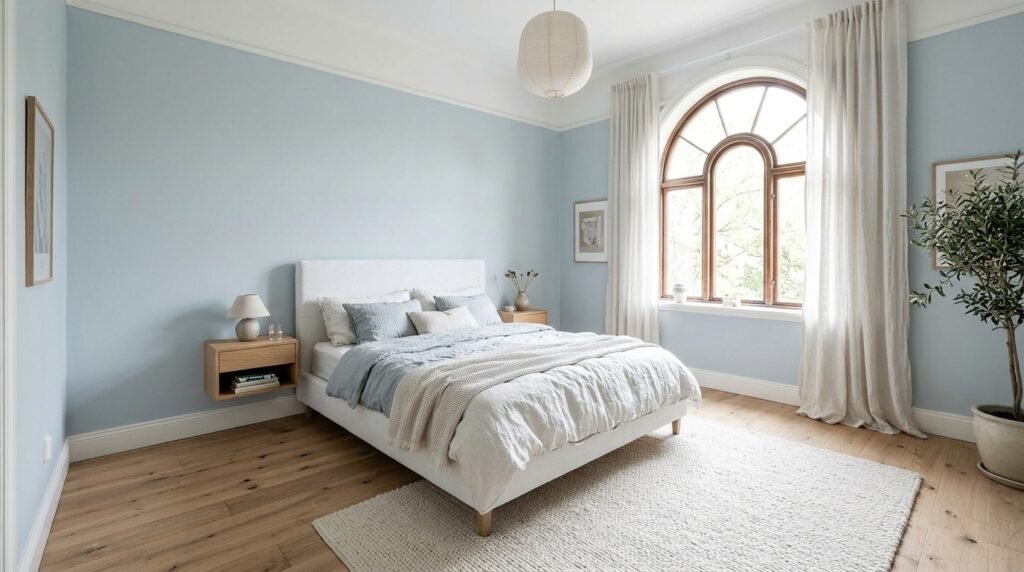
A bedroom renovation should make the room comfortable, quiet, and easy to organise. Begin with the bed position because it often determines the rest of the layout. Make sure there is enough room to enter and leave the bed safely. Check whether wardrobe doors and drawers can open fully. If storage is limited, consider under-bed drawers, built-in cupboards, or shelves that use available wall space. Avoid adding so much furniture that cleaning becomes difficult. Window coverings should suit the room’s light and privacy needs. Some people prefer blackout curtains, while others want adjustable blinds that allow daylight during the morning. Choose wall colours and lighting that create the atmosphere you want, but test paint samples in the actual room. Daylight and artificial lighting can make the same colour look different. If noise is a problem, look for its source before buying decorative sound panels. Gaps around doors, windows, or poorly fitted components may need attention. Keep electrical cables organised and away from walking routes. A bedroom does not need expensive decoration to feel complete. A sensible layout, useful storage, and suitable lighting often make a bigger difference.
11. Use Lighting to Improve Both Comfort and Function
Lighting should be planned around the activities that happen in each room. One bright ceiling fixture may not provide enough light for reading, food preparation, or detailed work. Combine general lighting with task lights where people need focused visibility. Accent lighting can highlight shelves, artwork, or architectural details. Before changing fixtures, check the existing wiring and the capacity of the electrical system with a qualified professional where necessary. Choose bulbs and fixtures that suit the room, the intended brightness, and the manufacturer’s instructions. Consider how light colour affects the appearance of paint, wood, and fabric. A warm light may create a relaxed feeling, while a cooler light can suit some work areas. These are design choices, not strict rules. Dimmers can provide flexibility when compatible with the fixture and bulb. In rooms with limited daylight, use mirrors and lighter finishes carefully to help distribute available light. Avoid relying on decorative lighting where a task needs clear visibility. Good lighting should make the room easier to use, not simply more attractive in photographs.
12. Improve Ventilation and Indoor Comfort
Renovation offers a chance to address rooms that feel stuffy, damp, or uncomfortable. Start by identifying the source of the problem. Condensation may relate to indoor moisture, cold surfaces, or limited ventilation. A leak requires a different repair from ordinary condensation. Cooking, bathing, drying clothes indoors, and other daily activities can add moisture to indoor air. Extractor fans and suitable ventilation can help remove it, but they must be correctly sized and installed for the space. Do not block vents because they appear untidy or let in outside air. If a room has persistent damp, mould, or a strong musty smell, investigate the cause before applying fresh paint. Covering mould without correcting moisture can allow the problem to return. When changing windows, insulation, or air-sealing, consider how the home will continue to receive suitable ventilation. Energy improvements should be planned as a connected system rather than isolated purchases. For larger changes, seek advice from a qualified building or ventilation professional who understands the property.
13. Select Paint and Wall Finishes With Care
Paint can refresh a room, but good results depend on preparation. Remove loose material, repair suitable surface defects, and clean the wall according to the paint manufacturer’s instructions. Allow wet surfaces and repairs to dry before applying new coatings. Use a primer when the surface or product instructions call for one. Different wall materials may need different preparation. A smooth plaster wall, previously painted surface, and repaired patch may not absorb paint in the same way. Test a sample before committing to a full room. Check the colour in daylight and under the room’s normal lights. Consider the finish as well as the shade. Some finishes show surface defects more clearly than others, while cleaning performance varies by product. Follow the stated coverage, application, and drying guidance on the product label. Keep the room ventilated as directed and protect floors, furniture, and nearby fittings. Do not sand or scrape old paint without considering what it may contain. In the United States, the Environmental Protection Agency has specific lead-safe requirements for paid renovation work that disturbs paint in many pre-1978 homes. Other countries have their own rules, so check local guidance before disturbing old coatings. US EPA+2
14. Choose Flooring Based on Use and Installation Conditions
Flooring affects comfort, cleaning, noise, and the appearance of a room. Before choosing a product, check the condition and level of the existing floor. Moisture, movement, cracks, and uneven areas may need attention before installation. The correct preparation depends on the flooring type. Tile, timber, laminate, vinyl, and carpet have different requirements. Check whether the product is suitable for the room and whether it can be installed over the existing surface. Some products need an underlay, moisture barrier, expansion gap, or particular adhesive. These details should come from the manufacturer’s installation instructions. Consider how the floor will meet doorways, stairs, and adjoining rooms. A poorly planned transition can look untidy and create a trip point. In kitchens and entrances, cleaning needs may matter more than softness. In bedrooms, comfort and noise may be higher priorities. Keep spare material or product details where practical so future repairs can match the original finish. Do not rush installation over a damp or unstable base. A beautiful floor will not perform well if the preparation is poor.
15. Decide Which Work You Can Do Yourself
DIY can reduce labour costs for suitable projects, but it is not the right choice for every task. Painting, assembling furniture, fitting simple shelves, and changing decorative handles may be manageable for someone with the right tools and skills. Even these jobs need care. Check wall construction before drilling, use suitable fixings, and locate hidden services before making holes. Wear appropriate protective equipment and keep the work area tidy. Tasks involving structural changes, major plumbing, gas, electrical wiring, roof work, or complex waterproofing usually require qualified help. The exact legal requirements depend on where the property is located. A job that appears small can affect safety or cause hidden damage if done incorrectly. If you are unsure how a system works, stop and ask a qualified professional. Do not learn a high-risk trade by experimenting on a live household system. Decoradhouse renovation tips from DecoratorAdvice should encourage realistic decisions about skill and risk, not suggest that every project is suitable for beginners.
16. Hire Contractors With Clear Written Agreements
A contractor should be selected on more than price. Ask about relevant experience, previous projects, insurance, required licences, references, and who will supervise the work. Compare estimates that cover the same scope. One quote may include removal and disposal, while another may leave those costs to the homeowner. Ask each contractor to explain what is included and excluded. Before work starts, agree in writing on the work description, materials, responsibilities, payment stages, expected dates, and how changes will be approved. The contract should also explain how defects or unfinished items will be handled. Keep records of messages, invoices, receipts, and agreed changes. Avoid relying on a verbal promise for a major decision. Do not make large payments without understanding what work has been completed and what the payment covers. The National Association of Home Builders and the National Association of the Remodeling Industry advise homeowners to check contractors and use detailed written agreements that cover scope, payment, schedule, and changes. nahb.org+1 These decoradhouse renovation tips from DecoratorAdvice can help make expectations clearer for both the homeowner and the contractor.
17. Check Permissions, Building Rules, and Local Requirements
Some renovation work may require permission, approval, inspection, or a qualified installer. The rules depend on the country, city, property type, and nature of the change. Painting a room is usually different from removing a structural wall, changing a building’s use, extending a property, or altering major services. Before starting work, ask the relevant local authority or a qualified professional whether approval is needed. If the property is rented, check the tenancy agreement and obtain the required owner’s permission. If it is part of a shared building, there may also be rules about external changes, noise, waste, and shared services. Do not assume that a contractor’s willingness to do the work means every approval has been obtained. Keep copies of permits, inspection records, and completion documents where applicable. As one example, UK government guidance distinguishes building regulations approval from planning permission and lists several alteration projects that may require approval. This is a UK-specific example, not a universal rule. GOV.UK Decoradhouse renovation tips from DecoratorAdvice should always be adapted to the rules that apply to the actual property.
18. Keep the Home Safe and Usable During Construction
Living through a renovation requires planning beyond the work itself. Dust, noise, tools, open floors, and temporary service interruptions can affect daily routines. Decide which rooms will remain usable and which areas need to be closed. Keep children and pets away from work zones. Store tools, sharp materials, paint, adhesives, and chemicals securely. Make sure workers know which entrances and facilities they can use. If the kitchen or bathroom will be unavailable, arrange a temporary alternative before the work begins. Protect furniture and belongings from dust, and move valuable or fragile items away from the work area. Maintain a clear route to exits and do not allow materials to block stairs or doorways. Ask contractors how they will control dust and remove waste. If the renovation involves strong smells, dust-producing work, or changes to ventilation, discuss safe arrangements before starting. In some cases, staying elsewhere may be more practical, especially during major structural work or when essential facilities are unavailable.
19. Avoid Renovation Mistakes That Create Extra Costs
Many expensive renovation problems begin with decisions made too early. Ordering materials before taking final measurements can lead to returns, delays, or wasted products. Choosing finishes before fixing leaks can result in damaged new surfaces. Changing the layout after plumbing or electrical work has started may require work to be repeated. Another mistake is selecting materials based only on appearance without checking installation and maintenance needs. Homeowners can also underestimate waste removal, delivery charges, access restrictions, and the time needed for drying or curing. Avoid making several major design changes while the project is underway. If a change becomes necessary, ask for its cost and schedule impact in writing before approving it. Keep a list of decisions that are still open, such as handles, paint shades, and light fittings. Make those choices before the contractor reaches the relevant stage. Good planning cannot prevent every surprise, but it can reduce avoidable confusion. The most useful decoradhouse renovation tips from DecoratorAdvice focus on decisions that protect the work already completed.
20. Inspect the Finished Work Before Final Payment
A final inspection gives the homeowner a chance to identify incomplete work while the contractor is still involved. Walk through every renovated area in daylight and under normal room lighting. Open doors, windows, drawers, and cupboards. Run taps and check visible plumbing connections for leaks. Test lights and switches, and confirm that installed equipment works as agreed. Look at paint coverage, tile alignment, grout, sealant, flooring transitions, cabinet edges, and visible joints. Check that waste has been removed and the work area has been cleaned as agreed. Compare the finished project with the written scope and approved changes. Make a list of incomplete or defective items and agree on a reasonable plan to address them. Keep copies of receipts, product details, warranties, manuals, and contractor contact information. Ask for any required certificates or inspection records. Do not sign off on work you have not checked. A clear final review can prevent small defects from being forgotten after the contractor leaves.
21. Maintain the Renovated Home After the Work Ends
Renovation is not finished in a practical sense until the new materials and systems are cared for properly. Follow the cleaning instructions for flooring, worktops, tiles, appliances, and painted surfaces. Avoid harsh cleaners unless the manufacturer confirms they are suitable. Check sealant around wet areas and repair damaged joints before water enters behind finishes. Keep drains clear and inspect under sinks for signs of leakage. Clean ventilation filters and fans according to their instructions. Tighten loose handles and hinges before they cause further damage. Save leftover paint with its colour and product details, and label spare tiles or flooring if available. Record the dates of major repairs and equipment installations. This information can help with future maintenance and warranty questions. If a new crack, leak, electrical fault, or damp patch appears, investigate it rather than hiding it with decoration. These habits help protect the time and money invested in the renovation.
22. A Practical Renovation Plan for a Limited Budget
A limited budget does not mean every room needs to be renovated at once. Divide the home into stages and give each stage a clear purpose. Start with safety concerns and repairs that could cause further damage. Next, improve the rooms that affect daily life most. A kitchen with poor storage may deserve attention before a guest room that is rarely used. In a living room, rearranging furniture and improving lighting may be enough for now. In a bedroom, a better storage plan and fresh paint may offer useful improvements without replacing everything. Reuse furniture when it is sound and suitable. Replace damaged parts instead of discarding an entire item where practical. Compare material options and include installation costs in the comparison. Avoid spending the full budget on visible finishes while leaving no money for essential work. Review each stage before starting the next. If the first stage reveals a larger issue, adjust the plan rather than forcing the original schedule. A phased approach gives homeowners more control and makes it easier to pause without leaving the entire property unfinished.
23. Frequently Asked Questions
What does decoradhouse renovation tips from DecoratorAdvice mean?
The phrase is used online for home renovation advice covering planning, budgeting, repairs, materials, room improvements, and decoration. It is best understood as a descriptive search topic rather than a verified renovation method, certification, or single professional service.
What should I do first when renovating a home?
Start by listing your goals and inspecting the property’s condition. Identify urgent repairs, measure the rooms, set a budget, and decide which work needs professional help. Do not buy major materials until the layout and work sequence are clear.
How much extra money should I keep for unexpected renovation costs?
There is no single reserve that suits every project. The amount depends on the property’s age, the work involved, and how much hidden damage may exist. Keep a separate contingency and avoid using it for optional upgrades.
Which renovation work should be done by a professional?
Structural changes, major electrical work, gas services, complex plumbing, roof repairs, and specialist waterproofing generally need qualified professionals. Local laws may also require approved tradespeople or inspections for certain work.
How can I avoid delays during a home renovation?
Finalise measurements, material choices, contractor responsibilities, and the work schedule before construction begins. Order essential materials early when practical, confirm delivery dates, and approve changes in writing before work is altered.
How do I know when a renovation is complete?
Compare the finished work with the agreed scope, test fixtures and fittings, check for visible defects, confirm that waste is removed, and collect relevant receipts, manuals, warranties, and inspection documents. Record any unfinished items and agree on their completion before signing off.
Conclusion
A good renovation should make a home safer, more comfortable, and easier to use. The strongest decoradhouse renovation tips from DecoratorAdvice are built around careful planning, honest budgeting, suitable materials, and the correct order of work. Begin by understanding the property’s condition and deciding which problems matter most. Repair hidden issues before investing in decorative finishes. Measure carefully, compare contractors, check local requirements, and keep written records of important decisions. Choose DIY projects according to your actual skills, and use qualified professionals for work that affects safety or essential building systems. Finally, inspect the finished rooms and maintain the new materials properly. A renovation does not need to change every part of a home to make a meaningful difference. A well-planned improvement to one room can be more useful than a rushed makeover of the whole property