Designmode24 design is a search phrase associated with websites publishing interior design ideas, home decorating advice, renovation information, and practical improvement tips. It does not identify one universally recognized design method or software product. Several websites use similar DesignMode24 names, including designmode24.com, designmode24-design.com, and designmode24design.com. Their published descriptions and content are not identical. The main designmode24.com website features home design and everyday living articles, while designmode24-design.com presents itself more specifically as an interior design and home improvement resource. This distinction matters for readers looking for a particular website, professional services, or decorating inspiration. The content can help people explore furniture layouts, lighting, color choices, kitchen improvements, and outdoor living ideas. However, readers should not assume that every similarly named website belongs to the same company. Understanding the different domains, the type of information they publish, and how to evaluate their advice makes it easier to find useful design ideas without confusing editorial content with professional services.
What Does Designmode24 Design Mean?
The phrase designmode24 design is primarily associated with online home design content and websites using the DesignMode24 name. It is not an established architectural style comparable to Art Deco, Scandinavian design, or mid-century modernism. Nor does the phrase itself describe a standardized building technique. The websites connected with this name generally discuss decorating, room planning, furniture selection, renovation, and practical household improvements. Some focus strongly on interior styling, while others include technology, lifestyle, and general information. A reader searching this phrase may therefore be looking for a website rather than a specific decorating method. This is an important distinction because search results can make the name appear to represent a single product or company. The most accurate interpretation depends on the exact domain being discussed. Before following advice or making a purchase, identify the website and examine what it actually provides.
Which DesignMode24 Website Are People Looking For?
Several similarly named domains appear in search results, creating confusion about their identities. The website designmode24.com publishes articles on home design and other everyday subjects. The separate domain designmode24-design.com describes its focus as interior design and home improvement. Another website, designmode24design.com, presents home decorating ideas and styling inspiration. The domain designmode24.org also publishes interior design content. These similarities do not establish common ownership, shared editorial standards, or a business partnership. Readers researching designmode24 design should examine the full website address instead of relying on the name alone. This is especially important when searching for contact information, paid services, or product recommendations. A telephone number listed on one domain should not automatically be associated with another. The same applies to claims about design expertise, professional qualifications, and customer support. Treating each website separately prevents misunderstandings and makes it easier to assess the information that is actually available.
What Does the Main Designmode24.com Website Publish?
The homepage at designmode24.com presents a mixture of home design and general-interest content. Its visible articles include backyard design ideas and other home-related subjects. The website also contains material connected with technology, lifestyle, and practical everyday topics. This makes it broader than a specialist interior design publication. Readers interested in decorating can still find relevant information, but they may need to search through different categories and article titles. Designmode24 design searches often lead to this domain because of its name and home-related content. However, the existence of design articles does not mean the website offers personal consultations or architectural drawings. Its visible presentation is primarily that of an online publication. Articles may provide inspiration, explanations, and general advice, but their usefulness depends on the topic and the quality of the individual post. The homepage is a useful starting point for understanding its current editorial direction.
How Designmode24-Design.com Presents Its Content
The separate website designmode24-design.com focuses more directly on home improvement and interior styling. Its homepage describes categories including home improvement, interior design, living rooms, bedrooms, kitchens, bathrooms, outdoor improvements, and DIY projects. It also features articles about specific decorating and renovation subjects. The website presents itself as a practical resource for people improving their homes. These descriptions are claims made by that particular website and should not be attributed automatically to designmode24.com. For readers interested in designmode24 design, the domain may be relevant because it offers a clearer home-focused structure. Visitors can explore subjects by room or project type instead of browsing unrelated general-interest articles. Still, the website’s self-description does not independently establish the qualifications of every contributor or guarantee that its advice suits every property. Technical recommendations should be checked against manufacturer instructions, applicable regulations, and professional guidance when necessary.
Interior Design Is About Function as Well as Appearance
A well-designed room should support the activities taking place inside it. Attractive furniture and coordinated colors matter, but they cannot solve an inconvenient layout. A living room needs comfortable seating and clear paths. A kitchen needs usable preparation areas and sensible storage. A bedroom should provide enough space to move around the bed and access wardrobes. Designmode24 design content often discusses these familiar home design concerns. Readers can apply the underlying principles without copying a particular photograph. Start by identifying the room’s main purpose and the problems that currently affect it. Measure the available space, including doors, windows, and fixed features. Then consider furniture sizes, lighting, storage, and movement. Decorative choices should support the layout rather than dictate it. This practical approach is useful in both large houses and small apartments. A room does not need expensive furniture to function well, but it does need thoughtful planning.
Understanding Different Interior Design Styles

Interior design styles offer ways to organize colors, materials, shapes, and decorative details. Modern interiors often emphasize simple forms and limited ornament. Traditional rooms may include classic furniture shapes, layered fabrics, and decorative details. Scandinavian-inspired spaces commonly use light colors, natural materials, and functional furniture. Industrial interiors may feature exposed structural elements or metal finishes. These descriptions are broad, and real homes often combine several influences. Readers exploring designmode24 design may encounter style-related articles that suggest particular looks. Instead of choosing a style based only on its popularity, consider how it fits the building and household. A minimalist room can feel peaceful, but insufficient storage may make it difficult to maintain. A traditional interior can feel welcoming, but oversized furniture may crowd a small space. The most useful style is one that supports comfort, maintenance, and personal preferences while creating a consistent visual direction.
Choosing Colors That Work Together
Color affects how a room looks under different lighting conditions. A paint shade that appears warm in a showroom may look cooler at home. Natural daylight, artificial bulbs, flooring, and nearby furniture can all change its appearance. Designmode24 design inspiration can introduce color combinations, but homeowners should test them in their own spaces. Begin with existing features that are difficult to replace, such as flooring, cabinets, or large furniture. Select colors that work with those materials rather than treating the walls separately. Samples should be viewed at different times of day. A small painted test area may not fully represent an entire room, so larger samples can be helpful. Color balance also matters. Using every surface in a strong accent color may create a very different effect from applying that color to one wall or a few accessories. There is no universally correct palette. The best choice depends on lighting, room size, personal taste, and the atmosphere the household wants.
Furniture Layout and Room Proportions
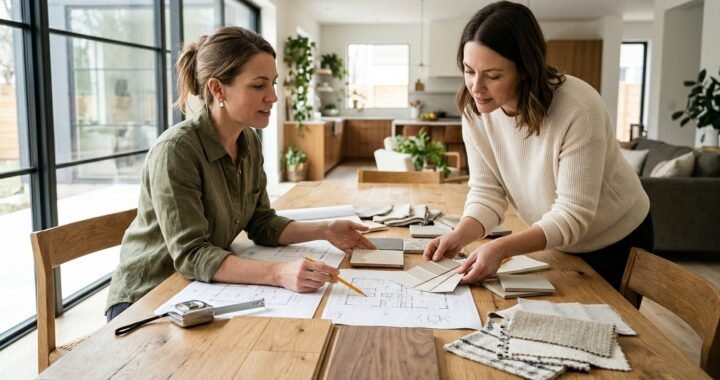
Furniture scale is one of the most common challenges in residential design. A sofa may look compact in a large showroom but dominate a smaller living room. A dining table may fit physically while leaving too little space for chairs to move. Readers using designmode24 design articles for inspiration should check dimensions before purchasing furniture. Measure the room and draw a simple floor plan. Include door swings, windows, radiators, and fixed cabinets. Mark the space needed for walking and everyday activities. Painter’s tape can help outline furniture footprints on the floor, although it cannot show every aspect of height and visual weight. Consider how people will enter, sit, stand, and move around each piece. Furniture should also suit the household’s needs. A delicate side table may be unsuitable for a busy family room. Good proportions make a room easier to use and help its decorative features feel balanced.
Lighting Makes a Major Difference
Lighting influences comfort, visibility, and the appearance of colors and materials. A single ceiling fixture may illuminate a room but leave some activities poorly supported. A more flexible approach combines general lighting with focused task lighting and selected decorative fixtures. Designmode24 design ideas can help readers consider where lighting is needed instead of choosing fixtures solely for their appearance. A desk benefits from light directed toward the work surface. Kitchen counters need enough illumination for food preparation. A living room may use floor lamps or table lamps for reading and relaxation. Daylight also matters, but large windows can introduce glare or unwanted heat. Window coverings can help manage these conditions. When selecting bulbs, consider brightness, color temperature, fixture compatibility, and energy use. Electrical changes should follow applicable safety requirements. Improving lighting does not always require rewiring; repositioning existing lamps can sometimes make a noticeable difference.
Small-Space Design and Storage Solutions
Small homes benefit from careful use of floor space and storage. Furniture that serves more than one purpose can reduce clutter, but it should still be comfortable and easy to operate. A storage bench may provide seating near an entrance. A bed with drawers may reduce the need for an additional dresser. Wall shelves can use vertical space, provided they are installed safely and can support their intended loads. Designmode24 design content aimed at smaller rooms can provide ideas, but the available dimensions should determine what is practical. Avoid filling every corner simply because storage furniture will fit. Open floor space makes movement easier and can improve the room’s appearance. Organizing items by frequency of use also helps. Everyday objects should remain accessible, while rarely used belongings can be stored farther away. The aim is not to make a small home look empty. It is to give necessary belongings a sensible place without compromising comfort.
Living Room Design for Everyday Use
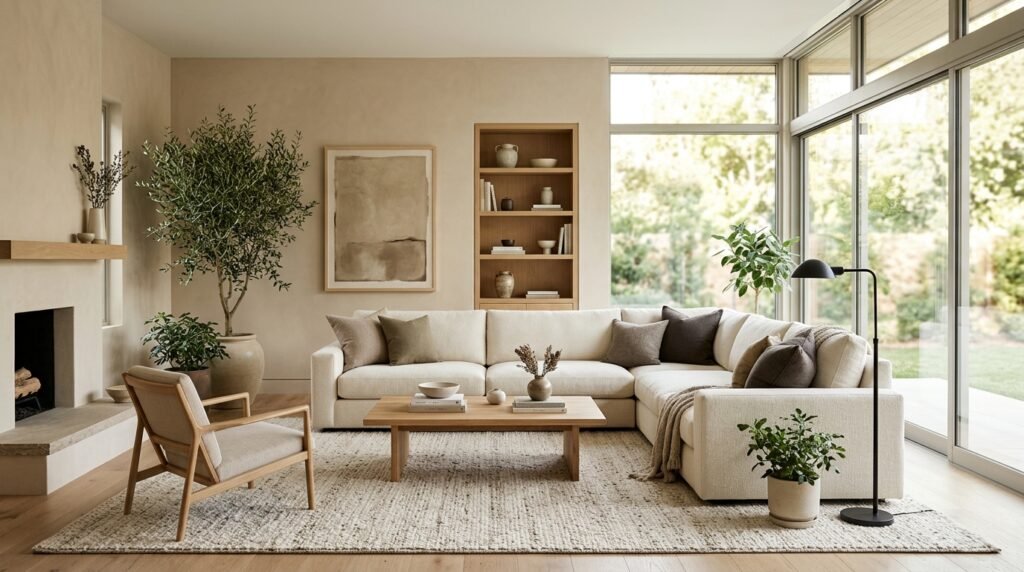
Living rooms often support several activities, making flexible layouts valuable. Some households need a television area, while others prioritize conversation, reading, or children’s activities. The arrangement should reflect these needs. Designmode24 design articles about sofas, furniture, and room styling can offer ideas for different layouts. Start with the largest necessary furniture piece and consider how it relates to doors and windows. Seating arranged only around a television may be inconvenient for conversation. A central coffee table can be useful, but it should not obstruct movement. Rugs can visually connect seating pieces when their size suits the arrangement. Storage may be needed for books, electronics, toys, or blankets. Decorative objects should not interfere with the room’s main functions. A comfortable living room often develops through small adjustments rather than a complete furniture replacement. Moving a chair or changing the lighting may solve problems that initially seem to require major purchases.
Bedroom Design and Personal Comfort
Bedroom planning should prioritize sleep, privacy, storage, and easy movement. The bed usually occupies the largest area, so its position should be considered first. Doors and wardrobes need enough clearance to operate properly. Window placement can influence daylight and privacy. Readers exploring designmode24 design ideas may find inspiration in coordinated bedding, bedside lighting, and simple furniture arrangements. However, a bedroom should not be designed only for photographs. A beautiful bedside table is inconvenient if it cannot hold the items used each night. Thick curtains may improve privacy, while lighter treatments may suit rooms where daylight is preferred. Storage choices should reflect the number and type of belongings. Decorative lighting can add warmth, but suitable task lighting is useful for reading. There is no single ideal bedroom style for everyone. A practical arrangement should match the room’s dimensions and the occupant’s daily routine.
Kitchen Design Requires Careful Planning
Kitchen improvements involve more than cabinets and countertops. The layout must support food preparation, cooking, cleaning, and storage. Appliances need appropriate access and installation conditions. Work surfaces should be located where they are useful, and frequently used items should remain easy to reach. Designmode24 design resources can provide general ideas about cabinet styles, finishes, and organization. Before selecting materials, identify the kitchen’s main problems. Limited counter space may require a different solution from poor lighting or inadequate storage. Replacing cabinet doors can refresh the appearance of a functional kitchen, while a complete layout change may involve substantial plumbing and electrical work. Materials should be chosen for durability and maintenance as well as appearance. A delicate surface may not suit a household that cooks frequently. Major kitchen renovations should be planned with qualified professionals where technical systems are affected. Good design makes ordinary tasks easier without introducing unnecessary complexity.
Bathroom Design Must Account for Moisture
Bathrooms present special challenges because water and humidity are part of normal use. The choice of flooring, wall finishes, ventilation, and fixtures affects long-term performance. Designmode24 design inspiration may show attractive bathrooms, but photographs rarely reveal the waterproofing beneath the visible surfaces. A shower renovation must address the complete water-management system rather than rely on decorative tile alone. Floor surfaces should be suitable for wet conditions. Storage needs to tolerate the environment and remain accessible. Lighting should provide useful visibility near mirrors without excessive glare. Ventilation can help control moisture, but the correct solution depends on the building. Small bathrooms may benefit from carefully sized fixtures and simple layouts. Moving plumbing or electrical equipment can increase project costs and may require permits. Homeowners should follow product instructions and applicable building requirements. A successful bathroom combines visual appeal with safe, durable construction.
Outdoor Design and Garden Improvements
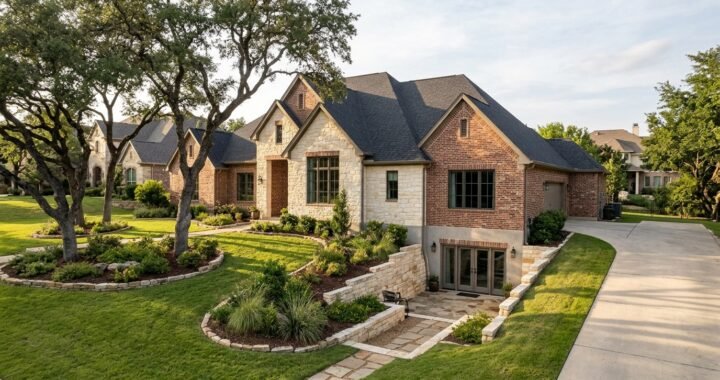
Outdoor spaces can serve as extensions of the home, but they must suit local weather and maintenance conditions. A patio may provide dining space, while a garden may prioritize plants, shade, or recreation. Designmode24 design topics include outdoor improvements and landscaping inspiration on some related websites. These ideas can help readers consider how the yard will be used. Start by observing sunlight, drainage, wind exposure, and existing features. A seating area that receives intense afternoon sun may need shade. Plants should be selected according to climate, soil, available water, and mature size. Paths should provide convenient access without creating awkward routes. Outdoor furniture materials need to tolerate expected conditions. Projects involving retaining walls, substantial grading, electrical installations, or raised structures may require professional planning. Attractive landscaping should not create drainage problems near the house. Practical outdoor design balances comfort, appearance, and ongoing care.
DIY Decorating Versus Professional Renovation
Some home improvements are manageable for beginners, while others require specialized skills. Rearranging furniture, replacing cushion covers, or installing removable decorative accessories may involve limited risk. Structural changes, major plumbing work, and electrical alterations are different. Readers following designmode24 design ideas should recognize where inspiration ends and technical construction begins. A project may look simple in photographs while involving hidden waterproofing, wiring, or load-bearing components. Before starting, identify the tools, materials, and knowledge required. Read manufacturer instructions and check whether permits or professional work are necessary. If a task affects the building’s structure or essential systems, consult a qualified professional. DIY work should not be judged only by the money it might save. Time, safety, mistakes, and future repairs also matter. Choosing professional help for difficult work is often more sensible than attempting a project without the right training.
How to Plan a Design Budget
A realistic design budget begins with priorities rather than a shopping list. Identify what needs to change and what can remain. A room may need better lighting and storage more urgently than new decorative furniture. Designmode24 design inspiration can help generate options, but costs should be checked against current local prices. Divide the project into essential work, optional improvements, and finishing details. Include labor, materials, delivery, and any necessary professional services. For larger renovations, allow room for unexpected conditions. Hidden water damage or outdated systems can affect the final cost. Compare quotations using the same scope of work. A lower price may exclude preparation or cleanup. When funds are limited, consider improvements that solve the biggest daily problem first. Reusing suitable furniture can preserve money for necessary repairs. Budget-conscious design does not mean choosing the cheapest material in every case. Durability and maintenance can affect long-term value.
How to Use Design Trends Sensibly
Design trends can introduce appealing colors, furniture shapes, materials, and decorative details. However, not every trend suits every home. A dramatic finish may work in a spacious showroom but overwhelm a small room. Designmode24 design content can help readers discover new looks while considering practical limits. Start by identifying what makes a trend attractive. It might be natural textures, warmer lighting, simpler furniture, or more flexible layouts. Then decide whether that element fits the existing space. Temporary changes are often easier to test than permanent renovations. Cushions, rugs, lamps, and artwork can introduce a different style without changing structural features. More expensive choices should be judged by durability, maintenance, and personal preference. A kitchen or bathroom renovation may remain in place for many years. Choosing lasting materials and practical layouts can be more useful than following a short-lived visual trend.
Is Designmode24 Design a Professional Design Service?
The search phrase does not establish that one particular company provides professional interior design services. Some similarly named websites describe themselves as home design resources, while others discuss broader creative or commercial services. The main designmode24.com homepage primarily presents articles. The website designmode24-design.com also emphasizes informational content, although its pages use service-related language. Readers should not assume that these descriptions refer to the same business. Before hiring anyone associated with designmode24 design, look for a clear explanation of the service, the provider’s identity, project deliverables, pricing, and terms. Professional interior design may involve measurements, plans, material specifications, and coordination with contractors. These services require more than general online decorating advice. If a website does not clearly explain what is being sold, seek clarification before paying. The distinction protects readers from confusing free editorial inspiration with a formal design agreement.
Does DesignMode24 Offer 3D Design Software?
The available evidence does not establish a single proprietary 3D design application operating under every DesignMode24 domain. Some third-party descriptions associate similar names with digital templates, visualization, or design tools. However, these claims should not be transferred automatically to designmode24.com or other similarly named websites. Readers searching for designmode24 design software should look for a working product page and clear feature documentation. A genuine room-planning application should explain how users create layouts, enter dimensions, place furniture, and save or export their work. It should also provide relevant compatibility and pricing information. A website publishing articles about design software does not necessarily develop or sell that software. If the required tool cannot be found on the exact domain, avoid assuming that it exists. Readers needing digital room planning can instead compare established software products based on their actual features and intended use.
How to Evaluate the Quality of Design Advice
Useful design advice explains why a recommendation works and when it may not apply. A furniture layout should account for room dimensions and circulation. A flooring recommendation should consider durability, moisture, and maintenance. Designmode24 design articles can provide inspiration, but readers should examine each post individually. Look for clear explanations, relevant examples, and practical limits. Technical subjects deserve particular care. Advice about structural repairs, electrical work, plumbing, or waterproofing should be compared with reliable specialist information. Manufacturer instructions and local regulations may override a general suggestion. Publication dates also matter when discussing products, prices, or building requirements. A well-presented article is not automatically accurate, and a confident tone is not proof of expertise. Readers should use online content to understand options and prepare informed questions. For expensive or safety-related decisions, independent professional advice remains valuable.
Why Similar Website Names Can Be Misleading
A domain name is a specific internet address, not proof of a connection to another website with similar wording. Several DesignMode24-related domains publish overlapping home design content, but their descriptions differ. Some emphasize decorating, others home improvement, and others general-interest topics. Designmode24 design search results may therefore combine information from separate publishers. This can create confusion when readers try to find the official contact page, verify services, or identify the source of an article. Always check the complete domain before relying on a statement. Do not copy a phone number, email address, or service description from one website and attribute it to another. Claims about editorial teams or professional experience should also be assessed within their original context. Similar branding alone does not establish shared ownership. This simple check is particularly important before sending personal information, signing a contract, or making a payment.
Who Can Benefit From These Design Resources?
Homeowners, renters, first-time decorators, and people planning renovations may find value in practical design articles. A renter might look for removable decorative changes or flexible furniture. A homeowner could explore kitchen organization or outdoor improvements. Someone furnishing a small apartment may need ideas for storage and efficient layouts. Designmode24 design searches can lead readers to resources covering these subjects. However, different readers need different levels of detail. A beginner may benefit from basic explanations of color and furniture scale. A contractor may require technical drawings, specifications, and building requirements that a general blog cannot provide. People planning major renovations should use online articles for early research rather than as complete construction instructions. The most helpful content is the material that answers a specific question and explains how its advice applies. Readers gain more from focused research than from collecting attractive images without a practical plan.
How to Get More Value From Home Design Articles
Begin with a specific problem, such as poor lighting, limited storage, or an awkward furniture arrangement. Search for articles that address that issue directly. When exploring designmode24 design resources, note which suggestions are realistic for the available space and budget. Measure the room before selecting products. Compare material requirements and maintenance needs. If an article recommends a particular layout, consider whether doors, windows, and fixed features allow it. For a larger project, organize ideas into essential changes and optional improvements. Save useful examples, but avoid treating every photograph as a design plan. Check technical details against reliable sources. Where construction or safety is involved, consult qualified professionals. This process turns inspiration into a workable decision. The goal is not to reproduce a room seen online. It is to create a space that supports the household’s needs and remains comfortable over time.
Frequently Asked Questions
What is designmode24 design used for?
The phrase is mainly associated with online home design resources, decorating inspiration, and websites using the DesignMode24 name. It does not identify one established design method or confirmed software product.
Is DesignMode24 a home decorating website?
Several websites using the name publish home decorating and interior design content. Their topics and services differ, so the exact domain matters.
Are designmode24.com and designmode24-design.com the same website?
No. They are separate web addresses. Similar names and overlapping topics do not establish common ownership or shared services.
Can I use DesignMode24 ideas for a small apartment?
Home design articles may provide ideas about furniture placement, lighting, and storage. Any suggestion should be adapted to the apartment’s dimensions, rental restrictions, and practical needs.
Does DesignMode24 provide professional renovation plans?
The reviewed pages do not establish that every DesignMode24-related website offers professional renovation drawings or project management. Check the exact provider’s services and qualifications before making arrangements.
Is DesignMode24 design software free?
The phrase does not identify a confirmed standalone software product with established pricing. Readers should verify any claimed application, features, and costs on the exact website offering it.
Conclusion
Designmode24 design is best understood as a search term connected with home design content and several similarly named websites, rather than a single recognized design system. The available resources discuss interior styling, furniture layouts, lighting, kitchens, bathrooms, outdoor spaces, and practical home improvements. They can help readers explore ideas and understand common design decisions. However, the different domains should not be treated as one organization without reliable evidence. Readers should identify the exact website, evaluate individual articles, and distinguish general inspiration from professional services or software. For any real project, the most useful next step is to measure the space, define the problem, establish a realistic budget, and confirm technical requirements before making permanent changes.