The Vanilla Strawberry hydrangea tree is a flowering ornamental plant known for large, cone-shaped blooms that change from creamy white to pink and sometimes deeper red tones. Despite the word “tree” in its common search name, Vanilla Strawberry is naturally a deciduous shrub. Gardeners can sometimes train it into a small tree-like form, but its usual growth habit is upright and bushy. Its botanical name is Hydrangea paniculata ‘Renhy’, and it flowers on new growth. This makes it easier to prune than hydrangeas that bloom on old wood. The plant grows best with good sunlight, moist but well-drained soil, and enough room for its mature size. Understanding its natural shape, flowering cycle, watering needs, and pruning season helps prevent common care mistakes. This guide explains what the plant is, how large it grows, when its flowers change color, and how to grow it successfully in a garden or suitable container.
What Is a Vanilla Strawberry Hydrangea?
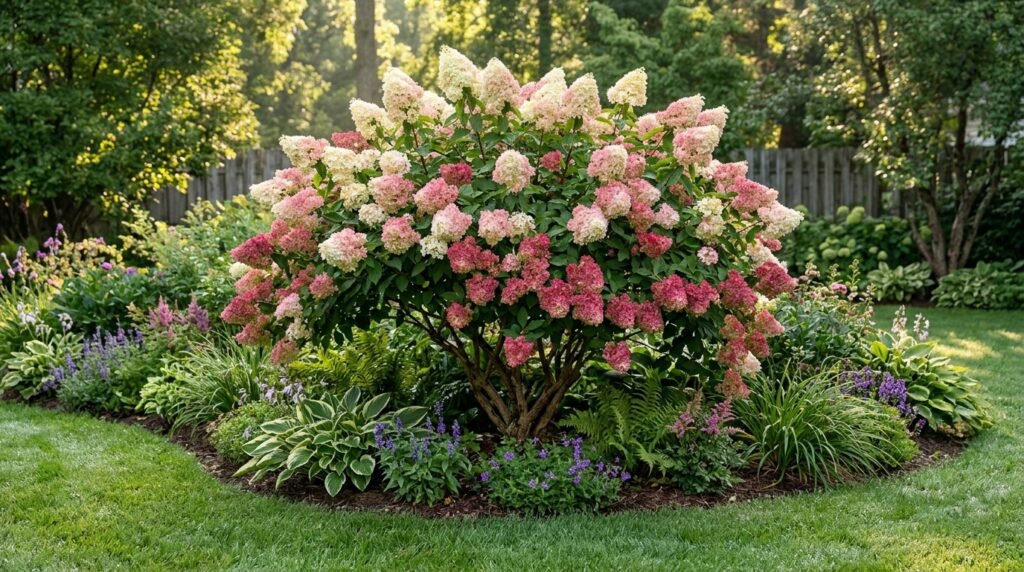
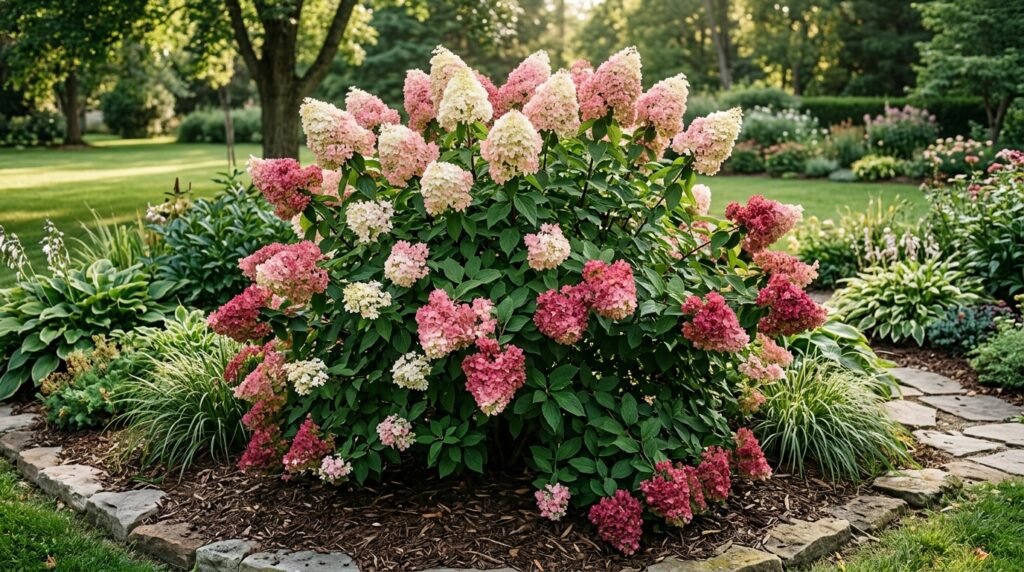
A Vanilla Strawberry hydrangea is a named cultivar of panicle hydrangea, botanically identified as Hydrangea paniculata ‘Renhy’. It is grown for its large, loose, cone-shaped flower clusters and their gradual color changes. The blooms usually open in creamy white shades, develop pink tones as they mature, and may become deeper rose or red in suitable conditions. The color change happens naturally as the flowers age. It is not the same process as changing the soil pH to turn certain bigleaf hydrangeas blue or pink. The plant is deciduous, so it loses its leaves in autumn or winter, depending on the climate. Its upright branches and large flower heads give it a strong presence in borders and landscape beds. Although garden centers and online searches sometimes call it a Vanilla Strawberry hydrangea tree, its natural form is a multi-stemmed shrub. The Royal Horticultural Society lists it as a bushy shrub, while Cornell’s woody plant database also classifies it as a shrub. panicled hydrangea
Why Is It Called Vanilla Strawberry?
The name describes the flower colors rather than the plant’s fruit or fragrance. New flower clusters have a creamy white appearance that suggests vanilla. As they mature, pink shades spread through the petals and create a strawberry-like look. The change can be especially noticeable when a plant carries flowers at different stages. Some clusters may still look pale while older ones show stronger pink tones. This creates a layered display without needing several different hydrangea varieties. The color is not guaranteed to reach the same shade every year. Sunlight, weather, growing conditions, and the age of each flower cluster can affect the display. Cooler conditions later in the flowering season may help pink tones appear more strongly, but the plant should not be forced into stress to change its color. A healthy Vanilla Strawberry hydrangea tree should be judged by its overall growth and flower development, not by whether every bloom reaches a deep red shade.
Is It a Shrub or a Tree?
Botanically, Vanilla Strawberry is a shrub. It naturally produces several woody stems from near the base and develops an upright, spreading shape. A tree form is created through training and pruning rather than being its normal growth habit. This distinction matters when choosing a planting location. A shrub form needs space for branches to spread, while a trained standard form has a more defined trunk and raised canopy. Panicle hydrangeas can be trained into single-trunk forms, but this requires careful selection and maintenance of the main stem. Penn State Extension confirms that panicle hydrangeas can grow as shrubs or be trained to a single-trunk tree form. extension.psu.edu If a nursery sells a Vanilla Strawberry hydrangea tree, check whether it is already trained on a single trunk or simply being marketed as a tall shrub. Ask about its expected height, canopy width, and pruning needs. A trained plant may need ongoing support and shaping to maintain its form. A naturally grown shrub is usually easier for gardeners who want a full flowering border plant.
How Big Does a Vanilla Strawberry Hydrangea Grow?
The cultivar commonly reaches around 6 to 7 feet tall and 4 to 5 feet wide, although final size depends on climate, soil, pruning, and growing conditions. The RHS gives a broader mature height range of about 1.5 to 2.5 metres and a spread of 1 to 1.5 metres. These figures are useful planning estimates, not a promise that every plant will reach the same size. Hydrangea.com+1 Give the shrub enough room to develop without crowding paths, windows, fences, or nearby plants. Avoid planting it directly against a wall simply because it looks small in its nursery pot. Young hydrangeas can take time to fill their space, but mature branches need air and room. If you want a compact plant, regular pruning can help manage its shape, but severe annual cutting is not always the best way to achieve a smaller, stronger shrub. Consider a naturally smaller cultivar if the available space is limited. A trained tree form may occupy less ground space near the base, but its canopy still needs room to spread.
When Does It Bloom?
Vanilla Strawberry hydrangea generally flowers from mid-summer into autumn. The exact start and end dates depend on local temperatures, sunlight, plant maturity, and the length of the growing season. The RHS describes its flowering period as mid-summer to mid-autumn. panicled hydrangea [Vanille Fraise]+1 The flower heads develop on the current season’s growth, which is why correct late-winter or early-spring pruning is important. A young plant may produce fewer flower clusters while it builds its root system and branch structure. That does not automatically mean it is unhealthy. Established plants usually provide a fuller display when they receive suitable light, water, and growing space. The blooms can remain attractive as they change color and later dry on the stems. Many gardeners leave the dried flower heads in place for winter interest, then remove them during the next pruning period. If heavy snow or strong winds are common in your area, removing some old flower heads may reduce the weight carried by the branches.
Where Should You Plant It?
Choose a site with full sun or partial shade and soil that drains well. A sunny location often supports stronger stems and good flowering, but the plant still needs enough moisture during hot weather. In very warm climates, some afternoon shade can reduce heat stress. The RHS recommends full sun or partial shade, while the cultivar’s grower information advises giving it at least some sunshine for better stem strength. panicled hydrangea [Vanille Fraise]+1 Avoid low spots where water remains after rain. Constantly wet soil can damage roots and weaken the plant. Also avoid placing it under large trees where it must compete for moisture and root space. Before planting, observe the area during different parts of the day. A site that receives morning sun and some afternoon protection may work well in a hot region. Consider nearby structures too. Roof overhangs can block rainfall, while paved surfaces may reflect heat. The best location is one that provides enough light, good drainage, and practical access for watering and pruning.
What Soil Does It Need?
A Vanilla Strawberry hydrangea grows in many soil types when drainage is good. The RHS lists clay, loam, and sandy soils as suitable, provided the soil remains moist but well drained. It also lists acidic, neutral, and alkaline soil conditions as acceptable. panicled hydrangea [Vanille Fraise]+1 This means gardeners do not need to create highly acidic soil just to grow this cultivar. The plant is different from some bigleaf hydrangeas whose flower colors can respond to soil chemistry. Heavy clay soil may need improvement if water drains very slowly. Adding suitable organic matter can improve soil structure, but do not create a small pocket of loose soil surrounded by dense clay. Water can collect in that pocket and cause drainage problems. Sandy soil drains quickly and may need more frequent watering during dry periods. Before planting, loosen the soil across the planting area rather than digging a narrow hole and filling it with a completely different mix. The goal is a broad root zone that allows water to move through the soil while holding enough moisture for healthy growth.
How to Plant It Correctly
Planting is easiest when the soil is workable and the weather is not extremely hot or dry. In regions with cold winters, spring or early autumn can be suitable, while gardeners in mild climates may have a wider planting window. Avoid planting during severe heat because a newly disturbed root system can struggle to take up enough water. First, check the plant’s root ball and remove its nursery pot carefully. If roots circle tightly around the outside, gently loosen the outer roots without tearing the root ball apart. Dig a hole that is wider than the root ball but no deeper than its original soil level. Set the plant so the top of the root ball sits level with the surrounding ground. Backfill with the soil removed from the hole, then water slowly to settle it around the roots. Do not bury the base of the stems under extra soil. Add a light mulch layer around the root zone, keeping it away from the stems. A newly planted Vanilla Strawberry hydrangea tree needs consistent moisture while its roots establish, so check the soil often during its first growing season.
How Much Sunlight Does It Need?
This hydrangea performs well in full sun or partial shade. More sunlight can support flowering and stronger growth, but intense heat can increase water loss and cause temporary wilting. In cooler areas, a sunny position may be suitable for much of the day. In hot regions, morning sun with light afternoon shade may be a better balance. The North Carolina State Extension plant profile notes that panicle hydrangeas tolerate full sun better than several other hydrangea types. It also recommends good drainage and describes morning sun with afternoon shade as a useful growing arrangement. North Carolina Extension Gardener Plant Toolbox Do not assume that every wilted leaf means the plant needs immediate water. On a very hot afternoon, leaves may droop even when the soil still contains enough moisture. Check the soil before watering. If it is moist and the plant recovers as temperatures fall, heat stress may be the cause. If the soil is dry several inches below the surface, watering is more likely to be needed. Avoid sudden changes from deep shade to strong afternoon sun, especially for a newly purchased plant.
How Often Should You Water It?
Watering depends on the plant’s age, soil, rainfall, temperature, and exposure. Newly planted hydrangeas need more regular attention than established shrubs because their roots have not spread into the surrounding soil. Water thoroughly after planting, then check the root zone regularly. The soil should remain reasonably moist while the plant establishes, but it should not stay waterlogged. University of Minnesota Extension explains that newly planted shrubs need frequent watering during the first weeks, followed by less frequent watering as roots establish. Its suggested schedule is a general guide for newly planted trees and shrubs, not a fixed rule for every garden or climate. UMN Extension+1 For an established Vanilla Strawberry hydrangea tree, water during extended dry periods rather than following a rigid daily schedule. Check the soil before adding more water. Sandy soil may dry faster than loam or clay, while a plant in a hot, exposed position may need more attention than one in partial shade. Apply water around the root zone instead of wetting only a small patch near the stems. Deep watering encourages roots to grow into the surrounding soil. Avoid frequent, shallow sprinkling that leaves deeper roots dry.
Why Mulching Helps
Mulch helps the soil hold moisture and reduces rapid temperature changes around the roots. Organic options include shredded bark, wood chips, and leaf-based compost that is suitable for garden use. Spread a moderate layer over the root zone, but keep it away from the stems. Mulch piled against woody stems can keep the base too wet and create other problems. University of Minnesota Extension explains that mulch can reduce water loss, control weeds, and protect soil from temperature swings. It also warns that excessive mulch can reduce oxygen around roots and keep poorly drained soil too wet. UMN Extension+1 Recheck the mulch during the growing season and replace it as it breaks down. Do not keep adding new layers without checking how deep the old material has become. A clean, even layer is more useful than a thick mound. Mulch also makes routine care easier because it reduces the need to work the soil close to shallow roots.
How to Fertilize It
A Vanilla Strawberry hydrangea does not need heavy feeding to produce flowers. Start by checking the soil and considering the plant’s growth. If it is growing well in reasonably fertile soil, extra fertilizer may not be necessary. If growth is weak or the leaves show unusual symptoms, check drainage, watering, light, and possible pest problems before assuming the plant needs more nutrients. Excess fertilizer can encourage leafy growth at the expense of a balanced shape and may create stress if applied incorrectly. The cultivar’s grower information says fertilizer can be applied once in early spring if desired. Hydrangea.com Follow the label directions for any product used, and avoid applying more than the recommended amount. Do not place concentrated fertilizer directly against the stems or roots. A soil test can help identify nutrient problems more reliably than guessing. In many gardens, improving soil structure and maintaining suitable moisture will do more for plant health than frequent feeding.
How and When to Prune It
Prune in late winter or early spring before strong new growth begins. This timing suits panicle hydrangeas because they produce flowers on new wood, meaning the current season’s stems carry the blooms. Pruning at the wrong time can still remove developing growth or reduce the plant’s shape, so avoid routine hard pruning during active flowering. The University of Minnesota Extension recommends pruning panicle hydrangeas back to just above a healthy bud. Penn State Extension also identifies panicle hydrangeas as new-wood bloomers that can be pruned in late winter or early spring. UMN Extension+1 Start by removing dead, damaged, weak, or crossing branches. Then shorten selected stems to improve the shape and encourage a balanced framework. Do not cut every branch to the same low height without considering the plant’s natural structure. The grower recommends reducing the plant by about one-third in late winter or early spring for improved habit and a possible improvement in stem strength. Hydrangea.com The right amount depends on the plant’s size and condition. A young shrub may need only light shaping, while an older plant may need selective thinning.
Can You Train It Into a Tree Form?
Yes, panicle hydrangeas can be trained into a tree-like standard, but the process takes time and regular attention. Select one strong, upright stem to serve as the main trunk. Remove competing stems gradually and keep the chosen leader supported while it develops. As the plant grows, remove lower side branches in stages to raise the canopy. Do not strip all lower growth at once, because the plant still needs leaves to support healthy growth. Penn State Extension confirms that panicle hydrangeas can be trained to a single-trunk tree form. extension.psu.edu A trained Vanilla Strawberry hydrangea tree may need more careful pruning than a shrub because its shape depends on a clear trunk and balanced upper branches. Inspect the support ties regularly so they do not cut into the stem. Remove unwanted shoots from the base as they appear, but avoid damaging the main trunk. If you buy a plant already trained into a standard, ask the nursery how it has been pruned and what maintenance it needs. The natural shrub form is still a good choice if low-maintenance care is the priority.
Growing It in a Container
A large container can work for a young Vanilla Strawberry hydrangea, but the plant’s mature size makes long-term container growing more demanding. Choose a sturdy pot with drainage holes and enough room for root growth. A container that is too small dries quickly and can restrict the root system. A very large pot filled with dense, wet soil can also create moisture problems. Use a quality potting mix that drains well and follow the plant’s watering needs rather than a fixed calendar. Containers exposed to hot sun may dry faster than garden soil. Check moisture more often during warm or windy weather. Make sure excess water can escape freely from the base. Do not leave the pot sitting in a saucer full of standing water. As the plant grows, it may need a larger container or a permanent garden location. Container plants can also need more frequent feeding because nutrients are washed out during regular watering. Use fertilizer carefully and follow the product label.
How to Get More Pink Flowers
The pink color develops as the flower clusters mature. It is part of the cultivar’s natural flowering pattern, not a result of adding a special color-changing product to the soil. Give the plant suitable sunlight, steady moisture, and enough room to grow. Prolonged drought can cause the flowers to brown or wilt before they develop their best color. The grower notes that dry conditions may affect the flower display, even though an established plant can tolerate occasional dry periods. Hydrangea.com Avoid trying to force pink color by overfeeding or stressing the plant. Also remember that the weather changes from one season to another. A cooler late summer may produce a different color display from a hot season. Flower age matters too. Fresh clusters may remain pale while older clusters show more pink. If the plant is healthy but the flowers are not as deep as expected, the difference may simply reflect local conditions and timing.
Common Problems and How to Solve Them
Most problems with this hydrangea relate to water, light, pruning, or common garden pests. Leaves that wilt during intense heat may recover when the temperature drops, so check soil moisture before watering again. Brown flower edges can occur during prolonged dry weather or strong heat. Yellow leaves may have several causes, including excess moisture, poor drainage, or other plant stress. Do not diagnose a problem from one symptom alone. Check the soil, look for damaged roots or stems, and inspect both sides of the leaves. The RHS lists possible pests such as aphids, capsid bugs, hydrangea scale, and vine weevil. It also lists leaf spot, powdery mildew, grey mould, and occasional honey fungus among possible diseases. panicled hydrangea [Vanille Fraise]+1 Remove badly damaged plant material when appropriate and improve airflow by avoiding overcrowding. If symptoms spread or the plant declines despite corrected care, seek advice from a local nursery, extension service, or qualified plant specialist.
Why Is My Hydrangea Not Flowering?
A lack of flowers can have several causes. The plant may be too young, receiving too little light, or growing in conditions that limit healthy development. Poor pruning can also affect the number of flowers, especially if the plant is cut back heavily during the growing season. Since this cultivar blooms on new wood, late-winter or early-spring pruning is generally suitable. However, repeated severe cutting can encourage long, vigorous shoots that may not support the flower heads as well. Check whether the plant receives enough sunlight and whether the soil stays moist without becoming saturated. Also consider whether excessive fertilizer is encouraging leafy growth. A newly planted shrub may need time to establish before producing a full display. If it has healthy leaves and steady growth, give it a suitable growing season before making major changes. A Vanilla Strawberry hydrangea tree that has been trained into a standard form may also need careful structural pruning to maintain enough flowering branches.
Is It Suitable for Small Gardens?
It can work in a small garden if there is enough room for its mature spread and the gardener is prepared to manage its size. The usual shrub form can reach several feet in height and width, so it should not be treated as a tiny border plant. Check the mature dimensions before buying, rather than relying on the size of the nursery container. A trained standard may leave more open space near the ground, but its canopy still needs room. If the garden is narrow, place the plant where its branches will not block a walkway or press against a building. Avoid planting it where regular pruning would be difficult. If the available space is very limited, consider a compact panicle hydrangea cultivar instead. Choosing a plant that naturally fits the site is often easier than trying to keep a large shrub much smaller than its normal growth habit.
Is It Safe Around Pets?
The Royal Horticultural Society lists this hydrangea as harmful if eaten by dogs or cats and notes that it may cause skin irritation in some people. panicled hydrangea [Vanille Fraise]+1 Keep pets from chewing leaves, flowers, or other plant parts. Wear gloves when pruning if your skin is sensitive, and wash your hands after handling the plant. If a pet eats part of the plant and shows signs of illness, contact a veterinarian or an animal poison service for advice. Do not assume that a plant is safe simply because it is commonly grown in gardens. If pets regularly chew plants, consider placing the hydrangea in an area they cannot access. Store pruned branches and fallen plant material where animals cannot reach them.
Vanilla Strawberry Hydrangea Compared With Other Panicle Hydrangeas
Vanilla Strawberry belongs to the same species as several popular panicle hydrangeas, but cultivars differ in size, flower shape, color development, and growth habit. Some are selected for compact growth, while others are valued for large flower heads or strong stems. Vanilla Strawberry is known for its creamy-white flowers that mature through pink shades. It is not the only panicle hydrangea with color-changing blooms, so compare mature dimensions and flower timing before choosing. The species itself is valued for flowering on new growth and tolerating more sun than many bigleaf hydrangeas. North Carolina Extension Gardener Plant Toolbox+1 If a garden needs a smaller plant, a compact cultivar may be easier to manage. If the goal is a tall flowering screen, a larger variety may be more suitable. Do not choose only by flower photographs. Ask about mature height, width, hardiness, and the plant’s expected performance in your local climate.
Seasonal Care Through the Year
In spring, check for winter damage, prune before new growth develops, and refresh the mulch if needed. As leaves and shoots emerge, watch soil moisture and remove weak or damaged growth. During summer, water during extended dry periods and monitor the flower clusters as they develop. Avoid heavy pruning once the plant is actively growing because it can remove the season’s flowering shoots. In autumn, allow the flower heads to mature naturally if you enjoy their changing colors and dried appearance. You can leave them for winter interest unless local weather conditions make heavy flower heads a concern. In winter, the plant is dormant and does not need the same attention as it does during active growth. In colder climates, a mulch layer can help protect the root zone, especially for a newly planted specimen. A Vanilla Strawberry hydrangea tree grown in a container may need extra protection because container roots are more exposed to temperature changes than roots in the ground.
Mistakes to Avoid When Growing It
One common mistake is treating the plant as a true tree and expecting it to develop a single trunk without training. Its natural form is a shrub, so a tree shape requires deliberate pruning over time. Another mistake is planting it in soil that stays wet after rain. Hydrangeas need moisture, but their roots also need air. Watering every day without checking the soil can create problems, particularly in heavy clay. Cutting it back too severely each year can also produce weak-looking growth and reduce the plant’s natural structure. Avoid placing it in deep shade if strong flowering is important. Do not expect the blooms to turn deep pink on a fixed date, because color development depends on flower age and growing conditions. Finally, do not crowd it between other shrubs. Good spacing makes it easier to prune, inspect, and enjoy the flowers.
Frequently Asked Questions
Is Vanilla Strawberry hydrangea a tree?
No. It is naturally a deciduous shrub called Hydrangea paniculata ‘Renhy’. Gardeners and nurseries may use the word tree when the plant is trained into a single-trunk standard form. Without that training, it usually grows as a multi-stemmed shrub.
How tall does a Vanilla Strawberry hydrangea tree get?
The cultivar commonly reaches about 6 to 7 feet tall and 4 to 5 feet wide, although conditions can change its final size. The RHS lists a broader height range of approximately 1.5 to 2.5 metres. Check the plant label and nursery information before choosing a planting location. Hydrangea.com+1
Does Vanilla Strawberry hydrangea need full sun?
It grows in full sun or partial shade. In cooler areas, a sunny location can support strong flowering. In hot climates, some afternoon shade may help reduce heat stress. The soil should remain moist but well drained, especially during dry weather. panicled hydrangea [Vanille Fraise]+1
When should I prune a Vanilla Strawberry hydrangea?
Prune in late winter or early spring before new growth begins. This hydrangea flowers on new wood, so pruning during dormancy allows it to develop flowering shoots during the coming season. Remove dead or damaged stems and shape the remaining branches carefully. UMN Extension+1
Why are my Vanilla Strawberry hydrangea flowers not turning pink?
The flowers change color as they age, but the depth of pink can vary with weather and growing conditions. Fresh flowers often remain creamy white before developing pink shades. Prolonged drought and heat can damage the flower display, so maintain suitable soil moisture and avoid trying to force color with fertilizer or soil treatments. Hydrangea.com+1
Can I grow a Vanilla Strawberry hydrangea in a pot?
Yes, especially while the plant is young, but it needs a large, sturdy container with drainage holes. Container soil can dry faster than garden soil, so check moisture regularly during warm weather. As the plant grows, it may outgrow its pot and need a larger container or a garden planting site.
A Flowering Shrub Worth Planning For
The Vanilla Strawberry hydrangea offers a long seasonal display, with creamy flower clusters that mature into attractive pink shades. Its main care needs are straightforward: provide suitable sunlight, well-drained soil, regular moisture during establishment, and pruning before spring growth begins. Remember that it is naturally a shrub, even when sold as a Vanilla Strawberry hydrangea tree. A tree-like shape is possible through careful training, but the standard shrub form is often simpler to maintain. Before planting, check the mature size and choose a location with enough room for the branches. With sensible watering and selective pruning, this panicle hydrangea can become a reliable feature in a garden border or landscape bed.
How to Transplant an Established Plant
Transplanting is best done when the plant is dormant or during a mild period when heat stress is low. Avoid moving it during hot, dry weather or while it is producing its main flower display. Before digging, prepare the new site and check that it has suitable sunlight and drainage. Water the plant beforehand if the soil is dry, then dig widely around the root zone to retain as many roots as possible. Lift the root ball carefully and move it without allowing it to dry out. Replant at the same soil depth, backfill, and water thoroughly. A transplanted Vanilla Strawberry hydrangea tree may wilt temporarily because some roots are lost during the move. Keep the soil evenly moist while it recovers, but do not leave it saturated. Avoid heavy pruning at the same time as transplanting. Removing too much growth can add stress when the root system is already adjusting. If the plant is large or has a trained trunk, professional help may be safer than trying to move it alone.
Can You Use the Flowers as Cut Flowers?
Yes. The large flower clusters can be cut for fresh arrangements or dried displays. For fresh arrangements, choose flower heads that have developed some color and feel reasonably firm. Use clean, sharp pruning shears and cut the stem to the length needed for the vase. Remove leaves that would sit below the waterline, then place the stems in clean water. Change the water regularly and remove any leaves or flower parts that begin to decay. For dried arrangements, allow the flower heads to mature on the plant until they feel papery, then cut them during dry weather. Hang them in a dry, airy place or arrange them in a suitable vase. The flower color may continue to change as the blooms dry, and the final shade can vary. If you want the Vanilla Strawberry hydrangea tree to keep a balanced shape, avoid taking too many flower stems from one side. Cut selectively and leave enough branches for the plant’s normal growth.
How to Propagate Vanilla Strawberry Hydrangea
The cultivar can be propagated from cuttings, although success depends on timing, healthy plant material, and suitable conditions. The RHS lists softwood cuttings in early summer and hardwood cuttings in winter as home propagation options for this plant. panicled hydrangea [Vanille Fraise]+1 Softwood cuttings are taken from fresh growth that is still flexible, while hardwood cuttings are taken from mature, dormant stems. Use clean tools and a suitable propagation medium that holds some moisture while allowing excess water to drain. Keep cuttings in a protected place and avoid direct, harsh sunlight while they develop roots. Not every cutting will succeed, so taking more than one can improve the chance of getting a healthy new plant. A cutting from a named cultivar is intended to reproduce that cultivar, but young plants need time to develop before they resemble a mature flowering shrub. If the original plant is protected by plant variety rights or a patent in your country, check the applicable rules before propagating it for sale or commercial distribution.
How to Choose a Healthy Plant at the Nursery
Look for a plant with healthy leaves, firm stems, and no obvious signs of pests or disease. Check the base of the plant for damaged or rotting stems, and inspect the underside of leaves for insects or unusual marks. Avoid specimens with very dry root balls, a strong sour smell from the potting mix, or roots emerging in a dense mass from the drainage holes. A few minor leaf marks do not always mean a plant is unhealthy, but widespread damage deserves closer inspection. Read the plant label carefully and confirm the botanical name, Hydrangea paniculata ‘Renhy’. This helps avoid buying a different panicle hydrangea with a similar flower color. If you want a Vanilla Strawberry hydrangea tree in standard form, check that it has a clear trained trunk and a balanced canopy. Ask whether the plant has been grown as a shrub or trained into a tree form. Also confirm the expected mature size and local hardiness suitability. A healthy, correctly identified plant is a better starting point than choosing one only because it has the largest flowers in the nursery.
What Climate Is Best for It?
This cultivar is suited to climates where panicle hydrangeas can experience a normal seasonal growth cycle. The plant is listed as hardy in USDA zones 3 through 8 by its grower, although local conditions still matter. Hydrangea.com Hardiness zones describe average annual extreme winter temperatures; they do not guarantee success in every garden. Soil drainage, summer heat, wind exposure, and access to water also affect performance. In cold areas, the plant may lose its leaves and remain dormant through winter before producing new growth in spring. In warmer regions, it may keep its foliage longer, but intense heat can increase the need for moisture and afternoon shade. Gardeners in very hot climates should avoid assuming that a cold-hardy rating means the plant will enjoy extreme summer conditions. A Vanilla Strawberry hydrangea tree in a warm, exposed garden may need more careful watering than one growing in a cooler site with afternoon protection. Check local nursery advice for performance in your area before planting.