Fresh cherries are generally in season from late spring through summer in the Northern Hemisphere. In the United States, the main cherry season usually runs from May through August, with June and July often bringing the widest selection. However, the exact harvest period depends on the cherry variety, growing region, weather, and local climate. Sweet cherries and tart cherries also ripen at different times. Some areas begin harvesting early in May, while cooler regions continue into August. In the Southern Hemisphere, cherry season usually falls during the warmer months from November through February. Understanding when are cherries in season helps shoppers find fresher fruit, enjoy better flavor, and plan recipes around the natural harvest. It also helps home gardeners understand when their own cherry trees may produce ripe fruit. From early-season varieties to late summer harvests, cherry availability changes throughout the year. The following sections explain the main harvest months, regional differences, cherry varieties, ripeness signs, storage methods, and growing conditions that affect the season.
The Main Cherry Season in the United States
In most parts of the United States, fresh cherries reach markets between May and August. June and July are usually the busiest months for locally grown cherries. However, the harvest does not begin everywhere at the same time. California often produces the first domestic sweet cherries of the year. Washington, Oregon, and other northwestern states follow as temperatures rise. Michigan and other eastern growing regions also contribute during the summer. According to agricultural market information, California’s sweet cherry marketing season generally starts in late April and continues into mid-June. Many other states market sweet cherries mainly during June and July. Montana has a later season, often extending from late July into August. These differences allow fresh cherries to reach markets over several months. The exact dates can change because of spring temperatures, rainfall, frost, and other growing conditions. A warm spring may move harvest dates earlier, while cooler weather can delay ripening. This is why a national cherry season is better understood as a broad harvest window rather than one fixed date.
When Are Sweet Cherries in Season?
Sweet cherries are usually harvested from late spring through midsummer in the Northern Hemisphere. In the United States, their availability often begins in May and continues into July or August, depending on the growing area. These cherries are popular for eating fresh because they usually have juicy flesh and a naturally sweet flavor. Common varieties include Bing, Rainier, Chelan, Lapins, and Sweetheart. Each variety has its own ripening period. Early varieties may appear in markets before the main summer harvest, while later varieties extend availability. In California, sweet cherries can arrive earlier than those grown in Washington or Oregon. Pacific Northwest orchards generally begin harvesting in early June, with some areas continuing through summer. When are cherries in season for fresh eating? The best selection is often available during the main local harvest, especially when nearby orchards are picking fruit. Sweet cherries are also sold outside their local growing season through imports and cold storage. However, fruit grown and harvested locally during its natural season may offer a fresher option.
When Are Tart or Sour Cherries in Season?
Tart cherries usually ripen around early to midsummer, although the exact timing depends on the region. In many American growing areas, their harvest falls between late June and August. Michigan is particularly important because it produces a large share of the country’s tart cherries. These fruits are often smaller and softer than common sweet cherries. Their sharp flavor makes them useful for pies, sauces, jams, juice, and baking. Montmorency is one well-known tart cherry variety. Unlike sweet cherries, tart cherries are less commonly sold as fresh eating fruit in ordinary supermarkets. Much of the harvest goes into frozen, canned, dried, and processed products. This means shoppers may find tart cherries in the freezer section even when fresh local fruit is unavailable. Their harvest can also take place slightly after nearby sweet cherry varieties. The difference is not identical everywhere, but it is common for tart cherries to ripen later. Gardeners should check the expected maturity period of their chosen variety instead of relying only on general summer dates.
Cherry Season Month by Month
Cherry availability changes as different growing regions begin and finish harvesting. A month-by-month view helps explain why fresh cherries may appear in stores at different times. April: Early sweet cherries may begin reaching markets from warmer growing areas, particularly in California. However, availability is usually limited compared with the summer months. May: The domestic season becomes more noticeable as California harvests continue. Early varieties may be available in selected markets and farm shops. June: This is one of the most important months for fresh cherries. Harvest expands into the Pacific Northwest and other growing regions. Many sweet cherry varieties become easier to find. July: A wide range of cherries is often available. Washington, Oregon, Michigan, and other states contribute to the summer supply. Tart cherry harvesting is also important during this period. August: Late-season harvests may continue in cooler regions and with later varieties. The selection gradually becomes smaller as domestic orchards finish picking. September through March: Fresh locally harvested cherries are generally less common in most Northern Hemisphere markets. Imported fruit may still be available, while frozen and preserved cherries provide alternatives. This calendar is a general guide, not a guarantee for every location. Weather and variety selection can shift each stage.
When Are Cherries in Season in Different States?
The United States has several important cherry-growing regions, and each has a different harvest window. California is known for an early sweet cherry crop. Its warmer conditions allow some varieties to mature before fruit from northern states becomes available. Washington is a major sweet cherry producer, with harvesting generally beginning in June and continuing through the summer. Oregon also contributes to the Pacific Northwest crop. Its orchards grow several varieties that mature at different times. Michigan is especially known for tart cherries, with much of its harvest taking place during summer. Other states, including Utah, Pennsylvania, New York, and Wisconsin, also grow cherries. Their harvest periods depend on local temperatures, elevation, and variety. In Utah, for example, sweet cherries in some northern areas ripen around the middle of June, while other locations may see fruit earlier or later. Sour cherries can ripen about two weeks after sweet varieties in certain Utah growing areas. These differences explain why a shopper in one state may find fresh cherries weeks before another shopper elsewhere. For the most accurate timing, local farm harvest updates are more useful than a general national calendar.
When Are Cherries in Season Around the World?
Cherry seasons vary widely across countries because the Northern and Southern Hemispheres experience opposite seasons. In the Northern Hemisphere, harvest usually takes place during late spring and summer. In the Southern Hemisphere, cherries generally ripen during late spring and summer there, which falls between November and February in calendar months. Chile is an important example. Its fresh cherry season commonly runs from November through February. This allows Chilean cherries to reach international markets when many Northern Hemisphere orchards are dormant. Australia and New Zealand also produce cherries during their warmer months, although harvest dates differ by region and variety. In Europe, the season often begins in late spring in warmer areas and continues into summer in cooler regions. Countries such as Spain, Italy, France, and Turkey have different growing climates and harvest schedules. In Asian growing regions, timing also varies with elevation, temperature, and local cultivars. Therefore, the answer to when are cherries in season depends on the country supplying the fruit. A supermarket may carry cherries during winter because they were grown in the Southern Hemisphere. That does not mean local cherry trees are producing fruit during that same period.
How Cherry Varieties Affect Harvest Time
Cherry varieties do not all ripen together. Growers select cultivars with different maturity periods to spread the harvest across several weeks. Early varieties help orchards enter the market sooner. Midseason varieties provide fruit during the busiest part of summer. Late varieties extend the supply after early cultivars have finished. Bing is a familiar dark-red sweet cherry with firm, juicy flesh. Rainier cherries are known for their yellow skin with a red blush and sweet flavor. Chelan is another sweet variety grown in the Pacific Northwest. Lapins and Sweetheart are among the varieties that can help extend the harvest period. Montmorency is a widely recognized tart cherry, especially for pies and processed products. The exact ripening order can vary by climate and orchard conditions. A variety that matures early in one location may not follow precisely the same calendar in another. For gardeners, the cultivar name is more useful than a broad seasonal label. Nursery descriptions and local extension information can help identify varieties suited to a particular climate. Choosing cultivars with different ripening times may also provide a longer picking period when several trees are planted.
What Weather Conditions Affect Cherry Season?
Weather is one of the biggest factors affecting cherry harvest dates and crop quality. Cherry trees respond to winter cold, spring warmth, flowering conditions, and summer temperatures. Many varieties need a period of winter chilling before they can grow and flower normally. The amount of chilling required differs among cultivars. If winter conditions do not meet a variety’s needs, flowering and fruit development may be uneven. Spring frost is another major concern. Cherry flowers and newly developing fruit can be damaged by freezing temperatures. A late frost may reduce the crop even when the tree looked healthy earlier in spring. Warm weather can speed up flowering and fruit development. However, early warmth may also increase the risk of frost damage if cold weather returns. Rain near harvest creates another challenge. Excess moisture can cause some ripe cherries to split, making them less suitable for sale. Strong winds, heat, and other weather events can also affect fruit quality. These conditions help explain why harvest dates change from one year to another. Gardeners should observe their trees rather than assume that the previous year’s picking date will always apply.
How to Tell When Cherries Are Ripe
Ripe cherries usually have developed their characteristic color, firm flesh, and full flavor. The best signs depend on the variety because not all cherries turn dark red. Bing and other dark varieties generally develop deep red to mahogany shades as they mature. Rainier cherries remain yellow with a red blush, so judging them only by darkness would be misleading. Size, firmness, and taste also help indicate maturity. A ripe sweet cherry should feel firm rather than hard or mushy. Its skin should look smooth and glossy, without extensive wrinkles or damage. The flavor should be sweet and developed. Gardeners can taste a few fruits from different parts of the tree to check maturity. Cherries do not continue ripening significantly after they have been picked. This makes harvest timing especially important. Picking too early can leave fruit sour and less flavorful. Leaving ripe cherries on the tree for too long can increase the risk of damage from birds, insects, rain, and decay. For home growers, checking fruit regularly as the expected harvest approaches is more reliable than using a calendar alone.
When Should Gardeners Harvest Cherries?
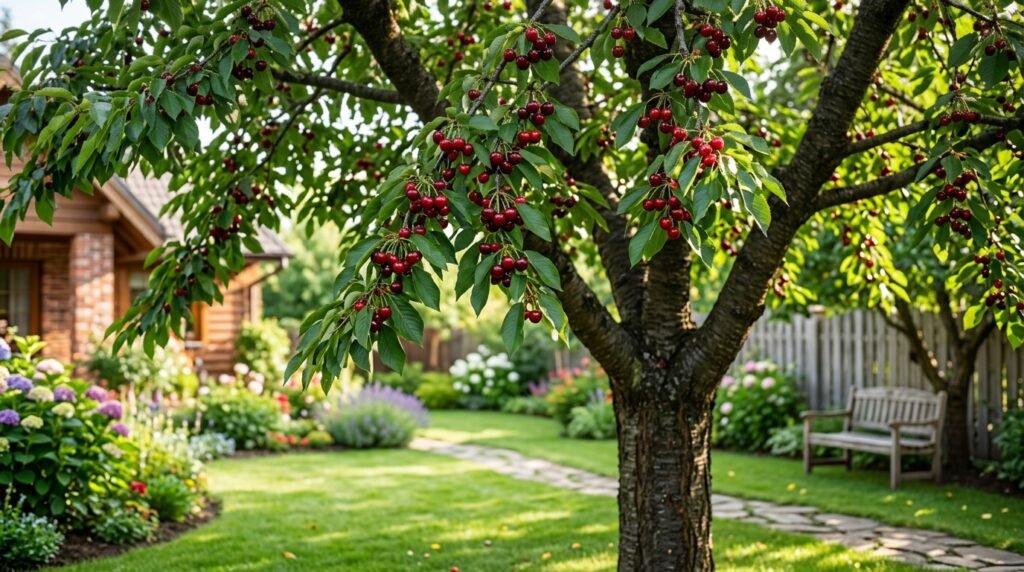
Home gardeners should harvest cherries when the fruit has reached full maturity on the tree. The exact picking date depends on the cultivar, local weather, and growing conditions. A tree may produce ripe fruit earlier or later than nearby trees because of differences in sunlight, age, and variety. Begin checking the cherries when they approach their expected harvest period. Look for mature color, firm texture, and a balanced flavor. Taste several fruits before picking the whole crop. Fruit at the top and outside of a tree may ripen before shaded cherries inside the canopy. This means one tree may need several picking sessions rather than a single harvest. Sweet cherries are generally picked with their stems attached when better storage quality is desired. Handle them gently because bruising can shorten their usable life. Tart cherries intended for cooking may be harvested without stems, depending on how they will be used. Avoid pulling hard on branches because this can damage fruiting spurs and young growth. A small pair of clean garden scissors can help when stems are difficult to remove. Harvesting during dry conditions is useful when possible, especially after periods of rain.
Do Cherry Trees Produce Fruit Every Year?
Healthy, mature cherry trees can produce fruit each year, but the size of the crop is not always the same. Weather, pollination, pests, disease, and tree health all influence production. Some varieties need a compatible pollinating partner to set fruit. Others are self-fertile and can produce fruit with pollen from the same variety. Gardeners should check pollination requirements before planting. Even a tree with suitable pollination may produce a poor crop if spring frost damages its flowers. Heavy rain during flowering can also interfere with pollination because it may reduce insect activity. Poor pruning, nutrient problems, drought, and disease can further affect fruit production. Young trees also need time to become established before they produce substantial harvests. Some cherry trees may begin bearing a small crop within a few years, while others take longer depending on their rootstock and growing conditions. A mature tree may produce a much larger crop than a young one. Consistent watering, suitable soil, careful pruning, and regular monitoring can support healthy growth. However, no gardening practice can guarantee the same harvest every year because weather remains outside the grower’s control.
Why Cherries Are Not Available Fresh All Year
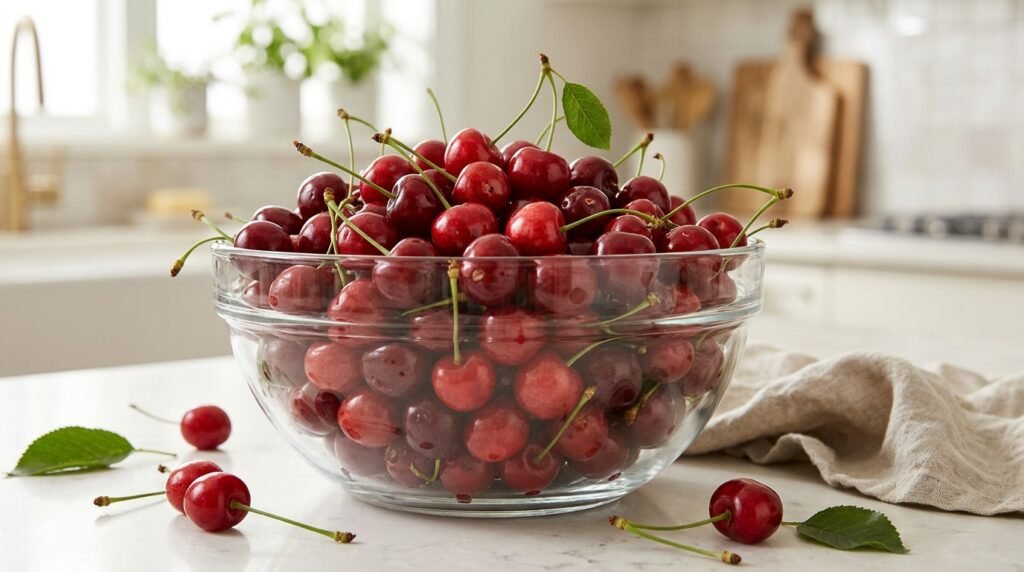
Cherries have a limited natural harvest period because the trees produce fruit during a specific part of the growing season. Unlike some fruits that can remain on trees for extended periods, ripe cherries have a relatively short window for harvesting. Their soft flesh and delicate skin also make handling and storage important. Once picked, cherries can lose quality if they are exposed to warm conditions or rough handling. Commercial growers use rapid cooling, careful sorting, packaging, and refrigerated transport to protect the crop. These steps help fresh cherries reach distant markets, but they do not create a year-round local harvest. Imports can extend supermarket availability by bringing fruit from countries with different seasons. Frozen cherries offer another option because freezing allows fruit to be stored for longer periods. Canned, dried, and preserved cherries are also available beyond the fresh season. These products are useful for cooking, baking, smoothies, and desserts. Their texture may differ from fresh fruit, but they can still provide cherry flavor when local orchards are not producing.
How to Choose Fresh Cherries During Their Season
Choosing good cherries starts with checking their appearance and texture. Look for fruit that feels firm and has smooth, shiny skin. Avoid cherries with deep bruises, leaking juice, mold, or shriveled surfaces. A green, fresh-looking stem can be a useful sign of careful handling, although stem color alone does not prove freshness. Color should match the variety. Dark cherries may be deep red or nearly purple, while Rainier cherries are naturally yellow with a red blush. Do not reject a yellow cherry simply because it is not dark. Check the container for crushed fruit or excess moisture. A few damaged cherries can affect nearby fruit during storage. Buy an amount that can be used within a reasonable period because fresh cherries are perishable. If buying from a farm stand, ask which variety is available and when it was picked. Locally harvested cherries may have spent less time in transport. However, good handling and proper cooling also matter. The best fruit is fully mature, clean, firm, and free from visible damage.
How to Store Cherries After Harvest
Fresh cherries should be kept cool to slow quality loss. Refrigeration is generally the best choice for maintaining their texture and flavor. Store unwashed cherries in a clean container or suitable produce bag in the refrigerator. Washing them immediately before storage can leave extra moisture on the fruit, which may encourage spoilage. Remove damaged cherries before storing the rest. Keep the fruit away from raw meat and other sources of contamination. Wash cherries under cool running water before eating or preparing them. Soap and household cleaning products should not be used on fresh fruit. Cherries are best enjoyed while they remain firm and fresh. Their actual storage life depends on harvest maturity, handling, temperature, and condition when purchased. If a large harvest is expected, freezing can help prevent waste. Remove stems, wash and dry the fruit, and remove the pits if preferred. Spread the cherries in a single layer on a tray to freeze before transferring them to a suitable freezer container. Frozen cherries work well in smoothies, sauces, baked goods, and cooked dishes.
Can You Grow Cherry Trees in a Home Garden?
Cherry trees can grow successfully in home gardens when the climate, soil, and variety are suitable. However, choosing the right tree is essential. Sweet cherries generally need more specific growing conditions than some tart varieties. Many require winter chilling and may struggle in areas with mild winters. Tart cherries are often more cold-hardy, although their suitability still depends on the cultivar. Soil should drain well because cherry roots do not perform well in constantly waterlogged conditions. A location with good sunlight helps support flowering and fruit development. Gardeners should also consider the tree’s mature size before planting. Dwarf and semi-dwarf rootstocks can make harvesting and pruning easier in smaller spaces. Pollination requirements need attention as well. Some sweet cherry varieties need another compatible variety nearby, while self-fertile types offer more flexibility. Local nursery advice and agricultural extension guidance can help match a tree to the area’s climate. In warm regions, insufficient winter chilling may prevent reliable fruit production. In colder areas, late spring frost can damage flowers. Understanding these limits before planting can prevent disappointment.
Common Reasons Cherry Trees Produce Little Fruit
A cherry tree may flower well but produce very little fruit for several reasons. Poor pollination is one possibility, especially when a variety requires a compatible partner. Gardeners should check whether the planted cultivar is self-fertile. If it is not, a suitable pollinator may be needed within a practical distance. Spring frost can also destroy flowers or young fruit. Sometimes the damage is difficult to notice until the expected harvest does not develop. Another common issue is unsuitable growing conditions. Trees planted in poorly drained soil may suffer from root stress. Insufficient sunlight can reduce healthy growth and fruit production. Heavy pruning may remove fruiting wood, while poor tree health can limit the energy available for fruit development. Birds and insects may also damage developing cherries before harvest. Disease problems can affect leaves, branches, flowers, and fruit. Gardeners should inspect trees regularly for unusual spots, wilting, damaged shoots, and signs of pests. Identifying the cause is more useful than adding fertilizer without understanding the problem. Excess fertilizer, especially nitrogen, can encourage leafy growth without solving poor fruit set.
Best Time to Enjoy Cherries for Different Uses
The best time to buy cherries depends on the intended use and the type of fruit available. Sweet cherries are an excellent choice for fresh eating during their main summer harvest. Their natural sweetness also works well in fruit salads, desserts, and simple snacks. Tart cherries are often preferred for pies, sauces, preserves, and other cooked recipes. Their sharper flavor can balance added sugar and rich ingredients. For freezing, choose firm fruit without visible damage. Freezing cherries near the time of purchase helps preserve their quality for later recipes. Dried cherries are useful in baking, trail mixes, and salads, although their texture and sweetness differ from fresh fruit. If a recipe requires a specific type, check the label rather than assuming all cherries taste alike. Sweet and tart varieties do not always work as direct substitutes. A pie recipe designed for sour cherries may need adjustments when using sweet cherries. During the main harvest, farmers’ markets and orchards may offer several varieties. Trying different types can help identify which flavors work best for fresh eating or cooking.
Frequently Asked Questions
When are cherries in season in the United States?
Cherries are generally in season from May through August in the United States. California often starts the sweet cherry harvest first, while Washington, Oregon, and other states contribute during summer. June and July usually offer broad availability. Tart cherries are commonly harvested from late June into August, depending on the state and variety.
What month is best for buying fresh cherries?
June and July are often the best months for finding a wide selection of fresh domestic cherries. Availability depends on the growing region and the year’s weather. Local farm stands may offer especially fresh fruit during their main harvest period.
When are cherries in season in the Southern Hemisphere?
In Southern Hemisphere growing regions, cherry harvest generally takes place during late spring and summer. Chilean cherries are commonly available from November through February. Australia and New Zealand also produce cherries during their warmer months, although dates vary by location.
Are cherries available during winter?
Yes, fresh cherries may be available during winter in some markets because countries in the Southern Hemisphere harvest during that period. Imported cherries can extend supermarket availability beyond the local growing season. Frozen, dried, and canned cherries are also available throughout much of the year.
How do you know when cherries are ready to pick?
Ripe cherries usually have full variety-specific color, firm flesh, and developed flavor. Taste a few fruits before harvesting the entire tree. Cherries do not ripen significantly after picking, so they should reach maturity while still attached to the tree.
Do sweet and sour cherries ripen at the same time?
Not always. Sweet cherries often ripen before tart cherries in some growing regions. The gap can be around two weeks in certain areas, but it varies with climate and cultivar. Checking the expected harvest period for the specific variety gives a more reliable estimate.
Conclusion
Cherries have a relatively short natural harvest season, but their availability varies across countries and growing regions. In much of the United States, the main season runs from May through August, with June and July often offering the best selection. Sweet cherries usually lead the fresh market, while tart cherries are widely used for baking and processing. Southern Hemisphere countries, including Chile, provide fresh fruit during the Northern Hemisphere winter. For gardeners, harvest timing depends on the variety, local climate, pollination, and weather conditions. Watching the fruit’s color, firmness, and flavor is more reliable than following a fixed calendar. Understanding when are cherries in season makes it easier to enjoy fresh fruit at its best and recognize the right harvest period for a homegrown tree.
How Long Does Cherry Season Last?
The length of cherry season depends on the number of growing regions, varieties, and weather conditions. An individual orchard may harvest its crop over a relatively short period. However, the combined harvest from several regions can keep fresh cherries available for months. Early varieties mature first, followed by midseason and late-season cultivars. This gradual ripening helps growers manage picking and packing. It also gives shoppers more opportunities to find fresh fruit. In California, the early harvest can begin in spring, while northern growing regions continue producing cherries later in summer. This extended supply explains why the answer to when are cherries in season can vary between local markets and national grocery stores. For home gardeners, the harvest window of one tree is usually much shorter than the overall commercial season. Planting compatible varieties with different maturity dates can help extend the picking period. However, gardeners should select trees based on local climate and pollination needs rather than choosing varieties only for their harvest dates.
Does Cherry Season Change Every Year?
Yes, cherry harvest dates can change from year to year. Trees respond to seasonal temperature patterns, winter chilling, spring warmth, and rainfall. A warm spring may cause blossoms to open earlier and fruit to develop sooner. A cold spring can delay flowering and ripening. Late frosts may also damage blossoms and reduce the amount of fruit available. Rain close to harvest can cause some varieties to split. This may affect both the quantity and quality of cherries reaching markets. Growers monitor orchard conditions to estimate when fruit will be ready. For this reason, a harvest calendar should be treated as an estimate rather than an exact schedule. Someone asking when are cherries in season may receive slightly different answers depending on the year. The same orchard may start picking earlier one summer and later the next. Gardeners should observe their trees as fruit develops and avoid relying entirely on last year’s harvest dates.
What Happens to Cherry Trees After Harvest?
After the fruit has been collected, cherry trees continue their normal growing cycle. They do not immediately enter dormancy once the harvest ends. During summer, healthy leaves continue producing energy through photosynthesis. This energy supports root growth, branch development, and the formation of flower buds for the following year. Gardeners should maintain suitable soil moisture after harvesting, especially during hot and dry weather. However, watering needs depend on rainfall, soil drainage, tree age, and local conditions. Avoid damaging healthy branches while collecting fruit. Pruning should follow the needs of the particular tree and the recommended timing for its region. As autumn approaches, leaves gradually change and eventually fall in deciduous cherry varieties. During winter, many cherry trees enter dormancy and experience the cold period needed for normal growth. Understanding this cycle helps explain why fruit production does not continue throughout the year. The next cherry harvest depends partly on the health of the tree after the previous season.