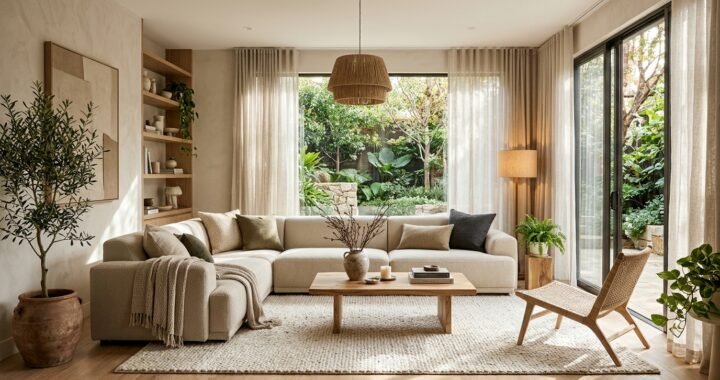
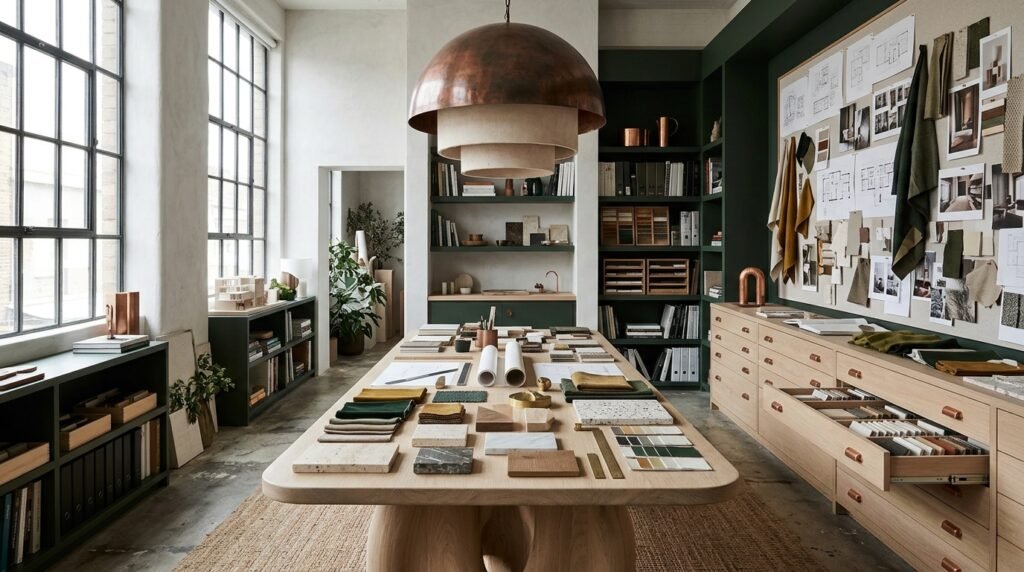
Learning how to be better at interior design mintpaldecor starts with developing a trained eye, understanding basic design principles, and practicing with real spaces. Good interior design is not simply about choosing attractive furniture or following popular trends. It involves understanding how people use a room and making every design choice support that purpose. A skilled designer considers space, proportion, color, lighting, texture, materials, and comfort before adding decorative details. These skills can improve through observation, study, and regular practice. You do not need to redesign an entire home to begin learning. Start with one room, study what works and what feels uncomfortable, then test small changes. This approach helps beginners build confidence and gives experienced decorators a way to refine their decisions. The following advice explains how to develop stronger design judgment, avoid common mistakes, create useful room plans, and build a personal style without relying on expensive purchases.
Understand What Makes Interior Design Good
Good interior design brings appearance and function together. A room should look balanced, but it must also support the activities that happen inside it. A beautiful living room may still be poorly designed if people cannot move around comfortably. A stylish kitchen may be frustrating if essential tools are difficult to reach. Learning how to be better at interior design mintpaldecor means looking at the whole room instead of judging individual objects. Consider how furniture relates to the available space, how natural light changes the room, and whether colors and materials work together. Also consider the people who use the space. A family room may need durable surfaces and flexible seating, while a home office needs a practical work area. There is no single style that suits every home. Strong design comes from making choices that fit the room, the household, and the available budget.
Learn the Basic Principles of Interior Design
Design principles give you a clear way to judge whether a room feels organized. Five useful principles are balance, proportion, rhythm, emphasis, and harmony. Balance concerns how visual weight is distributed. It can be symmetrical, with similar objects on both sides, or asymmetrical, with different objects creating an equal sense of stability. Proportion describes how the size of one object relates to another. Rhythm uses repeated colors, shapes, or materials to guide the eye around a room. Emphasis creates a main point of attention, such as a fireplace or artwork. Harmony connects the different elements so they feel part of one design. These principles are not strict decorating rules. They are tools for understanding why a room feels successful or uncomfortable. A useful learning exercise is to study a room photograph and identify its focal point, largest objects, repeated details, and strongest contrasts. This trains your eye to recognize design decisions rather than simply admire the finished image. Bloomsbury+1
Train Your Eye by Studying Real Rooms
One of the most useful ways to improve is to observe spaces carefully. Look at homes, hotels, cafés, showrooms, offices, and public interiors. Notice how each place handles seating, lighting, movement, storage, and decoration. Do not focus only on expensive or highly styled rooms. A simple room can teach useful lessons about furniture scale and natural light. Ask specific questions while observing. Where does your attention go first? Can people move through the space easily? Which colors appear more than once? Does the lighting support the room’s purpose? What makes the furniture arrangement feel comfortable? When learning how to be better at interior design mintpaldecor, try to explain why a room works instead of saying that it simply looks beautiful. Take notes about useful details and ideas you could adapt. Over time, these observations help you make design decisions with more confidence. They also reduce the habit of copying a complete room without understanding why its elements work together.
Build a Personal Design Reference Library
Collecting useful references can help you understand different styles and identify your preferences. Save photographs of rooms, furniture, lighting, color combinations, materials, and architectural details. Organize them into clear groups, such as bedrooms, kitchens, living rooms, small spaces, and lighting ideas. You can use a digital folder, a design platform, or a physical notebook. The important part is to review the images rather than collect them endlessly. Look for patterns in the examples you save. Perhaps you often choose natural wood, warm neutral colors, curved furniture, or simple wall details. These repeated choices may point toward your personal taste. Also save examples that are different from your usual preferences. Studying unfamiliar styles can help you understand how contrast and materials affect a room. Avoid treating reference images as exact instructions. A room photographed in a large house may not work in a small apartment. Use each reference as a source of ideas, then adapt it to the actual space.
Practice Space Planning Before Choosing Furniture
Space planning is the process of deciding how a room should be arranged. It is one of the most important skills to develop because even attractive furniture can look wrong in a poor layout. Start by measuring the room’s length and width. Record the position of doors, windows, built-in cupboards, electrical outlets, and other fixed features. Draw a simple floor plan on paper or use a basic planning application. Add the main furniture pieces using their real measurements. Check that doors and drawers can open and that people have clear routes through the room. For example, a living room may need a comfortable path between the entrance, sofa, and adjoining dining area. A bedroom needs access to the bed and wardrobe without awkward movement. When practicing how to be better at interior design mintpaldecor, make two or three possible layouts before choosing one. Compare how each arrangement supports daily activities. A floor plan can reveal problems that are difficult to notice when looking at furniture separately.
Understand Scale and Proportion
Scale and proportion help furniture and decorative objects look right within a space. Scale describes an object’s size in relation to the room, while proportion compares the size of different elements with one another. A large sofa may overwhelm a narrow living room. A tiny rug may appear disconnected from a large seating arrangement. A small artwork may look lost above a wide sofa. These problems are not always solved by choosing smaller items. Sometimes the room needs one larger piece to create visual balance. Measure furniture before purchasing it and consider its height, depth, and width. Also think about the space around it. A dining table needs room for chairs to move, while a wardrobe needs clearance for its doors. Use paper cutouts or masking tape to test furniture dimensions on a floor plan or directly on the floor. This exercise makes scale easier to understand. It also helps prevent purchases that look attractive online but feel unsuitable in the actual room.
Develop a Strong Understanding of Color
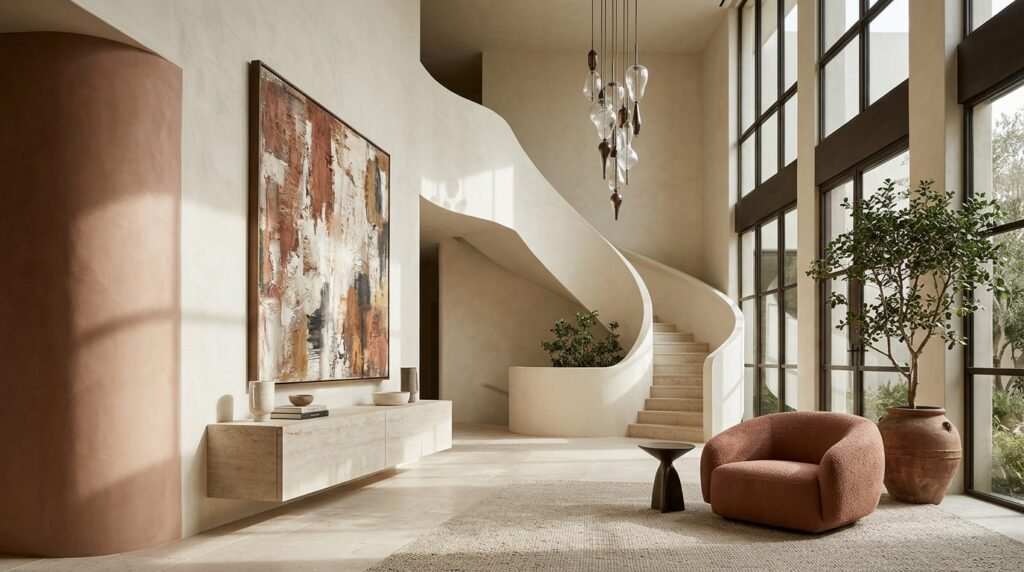
Color affects the overall appearance of a room and changes how different materials relate to one another. Begin by studying basic color relationships. Complementary colors sit opposite each other on the color wheel and create strong contrast. Analogous colors sit next to one another and often create a more connected palette. Monochromatic schemes use variations of one color, such as pale green, sage, and deep forest green. None of these approaches is automatically better. The right choice depends on the room, natural light, fixed finishes, and personal preference. Start with an element that will remain, such as flooring, a sofa, or a kitchen cabinet. Choose colors that work with its undertone. Test paint samples on the actual wall because lighting can change how a color appears. When practicing how to be better at interior design mintpaldecor, create several small color palettes and compare their mood. Notice how the same room can feel different with warm beige, cool gray, muted green, or deep blue.
Learn to Combine Patterns and Textures
Patterns and textures add depth, but they need thoughtful control. Texture describes the visible or physical surface of a material. Examples include rough stone, smooth glass, woven fabric, polished wood, and soft upholstery. Combining different textures can make a room feel more layered, even when the colors remain simple. Patterns add visual movement through shapes, lines, and repeated designs. A room may include a patterned rug, plain curtains, and cushions with a smaller design. The key is to consider their scale and visual strength. Several large, bold patterns may compete for attention. A better approach is to choose one main pattern and support it with quieter designs or solid colors. Materials should also suit the room’s use. Delicate fabric may not be practical for a busy family seating area. A textured surface may require more cleaning than a smooth one. Practice by arranging fabric samples, wood finishes, and paint cards together. This helps you judge combinations before making larger purchases.
Improve Your Understanding of Lighting
Lighting is both a practical need and a major part of interior design. A room often needs more than one light source because different activities require different levels and types of illumination. Ambient lighting provides general light. Task lighting supports activities such as reading, cooking, or working. Accent lighting draws attention to artwork, shelves, or architectural features. These layers can be created through ceiling fixtures, floor lamps, table lamps, wall lights, and suitable built-in lighting. Study how daylight enters a room at different times. A space may be bright in the morning but darker later in the day. Observe where shadows fall and whether furniture blocks windows. Also consider glare on screens and reflective surfaces. A useful exercise is to photograph one room in the morning, afternoon, and evening. Compare how its colors and surfaces change. Understanding lighting will make how to be better at interior design mintpaldecor more than a decorating exercise because it teaches you to consider how a room actually feels and functions throughout the day.
Choose Materials for Appearance and Practical Use
A designer should understand more than the appearance of a material. Its durability, cleaning needs, cost, and suitability also matter. Wood can bring warmth, but different finishes require different care. Natural stone has distinctive patterns, yet some types may need specific cleaning or sealing. Glass can help a space feel open, although fingerprints may be more visible. Metal can introduce contrast and a sharper visual detail. Fabric choices should reflect how often furniture is used and how much maintenance a household can manage. Before selecting a material, ask where it will be used and what conditions it will face. A kitchen work surface has different demands from a bedroom headboard. A bathroom finish needs to suit a damp environment. Do not assume that materials with similar appearances perform in the same way. Read product information and follow the manufacturer’s care instructions. Learning these differences helps you create designs that remain practical after the initial decoration is complete.
Develop a Clear Design Concept
A design concept gives a room a central direction. It does not need to be a complicated theme or a strict decorating style. It can be as simple as creating a calm bedroom with natural materials or a bright living room with colorful artwork. Write one or two sentences that explain the intended feeling and purpose of the space. Then select a few supporting colors, materials, shapes, and furniture styles. Use a mood board to see whether these choices work together. Include existing features that cannot easily be changed, such as flooring, doors, windows, and large furniture. A concept helps prevent random purchases because every new item can be checked against the original plan. If an object does not support the room’s purpose or visual direction, it may not be necessary. When learning how to be better at interior design mintpaldecor, practice creating different concepts for the same room. For example, one bedroom could have a natural, relaxed look, while another concept could use stronger colors and modern furniture. Comparing both develops creative flexibility.
Practice With Small Interior Design Projects
You do not need a full renovation to develop design skills. Small projects allow you to test ideas without making major financial commitments. Start by improving one corner, rearranging a bedroom, styling a shelf, or creating a more useful reading area. Choose one clear problem and work toward a solution. If a corner feels empty, consider whether it needs lighting, seating, storage, or a decorative feature. If a shelf looks crowded, remove some objects and arrange the remaining pieces with more space between them. Take a photograph before making changes and another after finishing. Compare the results honestly. Did the room become easier to use? Does the arrangement feel balanced? Is the focal point clearer? What would you change next time? These questions turn decorating into a learning process. Keep notes about what worked and what did not. Repeated small projects build practical judgment and help you understand how individual design choices affect the whole room.
Learn to Use Design Software and Drawing Tools
Basic drawing skills can make interior planning easier. You do not need advanced software to begin. A pencil, ruler, graph paper, and measuring tape are enough for simple floor plans. Digital tools can help you test furniture arrangements, compare colors, and present ideas more clearly. Some room-planning applications allow users to create simple layouts or view furniture in a three-dimensional space. However, a digital model is only as accurate as the measurements and product dimensions entered into it. Do not assume that a rendered room will look exactly like the finished space. Screen colors can differ from real paint and fabric, while lighting effects may be simplified. Use software to explore options, not replace careful measurement or material checks. If you want to become more confident at how to be better at interior design mintpaldecor, learn one tool at a time. First become comfortable with floor plans, then explore three-dimensional views and presentation boards.
Study Different Interior Design Styles
Understanding different styles helps you make more informed choices. Modern interiors often use clean forms and a focus on function, while traditional spaces may include classic furniture shapes and decorative details. Minimalist design reduces unnecessary elements and gives important objects more visual space. Industrial interiors may feature metal, exposed structural details, and rougher finishes. Scandinavian-inspired rooms often use simple forms, natural materials, and practical furniture. Rustic spaces may highlight wood, stone, and handmade details. These descriptions are broad, and real interiors often combine elements from several styles. Study the details rather than relying only on style names. Look at furniture shapes, materials, color palettes, lighting, and decorative choices. Notice which features appear across several examples. This helps you understand the style beyond a label. You can also learn to mix styles carefully. A modern sofa may work with a traditional cabinet if their scale, color, and materials relate well.
Improve Your Ability to Edit a Room
Good design often depends on knowing what to remove. Too many decorative objects can make a room feel crowded and hide its strongest features. Editing means reviewing each item and deciding whether it supports the room’s purpose, comfort, or visual balance. Start with surfaces such as coffee tables, shelves, and bedside units. Remove objects that serve no purpose or do not add meaningful character. Then look at the larger room. Is there furniture that blocks movement? Are several statement pieces competing for attention? Does the room contain too many unrelated colors? Do not remove everything simply to create a minimal look. Personal items, books, artwork, and collected objects can make a home feel welcoming. The aim is to give important pieces enough space to be noticed. Learning how to be better at interior design mintpaldecor includes developing this editing skill because adding more decoration is not always the answer. Sometimes a room improves most when unnecessary elements are taken away.
Understand the Needs of Different Rooms
Each room has its own practical demands. A living room may need comfortable seating, clear movement, and flexible lighting. A bedroom needs a suitable bed layout, useful storage, privacy, and a calm atmosphere. A kitchen needs practical work surfaces, accessible storage, and finishes that suit regular cleaning. A dining area needs enough room for chairs and movement around the table. A home office should support focused work through suitable furniture, lighting, and organization. Bathrooms require materials and fittings suited to moisture and regular use. These differences should guide your design decisions. A decorative rug may work well in a bedroom but create extra cleaning work in a busy kitchen. Open shelves may look attractive but require regular organization. A large dining table may suit a spacious home but restrict movement in a narrow room. Practice designing each room according to its main activities. This will help you avoid applying the same layout or decorating choices everywhere.
Learn From Design Mistakes Without Repeating Them
Mistakes can reveal gaps in your design knowledge. A sofa that overwhelms a room may show that you need to study scale. A dark corner may reveal a weak lighting plan. A color that looks different after painting may show why testing samples matters. Instead of treating every mistake as a failure, identify what caused it and how to avoid it next time. Keep a record of measurements, materials, colors, and layout decisions for each project. If a room feels uncomfortable, examine its use before changing the decoration. The problem may be a blocked route, poor seating position, glare, or a lack of storage. Avoid making several changes at once because it becomes difficult to know which one improved the room. Test one adjustment, observe the result, and then decide what to do next. This method creates a stronger link between your choices and their outcomes.
Follow Trends Without Losing Your Own Style
Interior trends can introduce new colors, materials, and creative ideas. They can also encourage unnecessary spending when people feel pressure to update every room. Learn to separate temporary decoration trends from choices that support long-term use. A fashionable cushion cover or small accessory is easy to replace. Flooring, fitted cabinets, and large furniture pieces are more expensive to change. Use trends selectively and consider whether they fit the room’s architecture and household needs. A trend may look attractive in a photograph but feel unsuitable in daily life. Before adopting it, ask whether you would still like the choice if it became less popular. Look at how the idea works with existing furniture and finishes. For how to be better at interior design mintpaldecor, the useful lesson is to understand trends rather than follow them automatically. Personal style develops through thoughtful choices, not by copying every new look.
Build a Simple Routine for Continuous Improvement
Regular practice is more useful than waiting for inspiration. Set aside time to study one design topic at a time. One week might focus on furniture scale, while another explores color combinations or lighting. Choose a small exercise that lets you apply what you learn. You could measure a room, create a floor plan, prepare a mood board, or compare three furniture arrangements. Review the result and write down what you would improve. Ask a trusted person for feedback, but do not accept every opinion without considering the room’s purpose. If possible, compare your work with established design references and study the differences. Keep older projects so you can see how your decisions improve. A simple learning record can include the project goal, measurements, selected materials, challenges, and final observations. Over time, this routine helps turn design knowledge into practical skill.
Create a Beginner-Friendly Interior Design Practice Plan
A clear practice plan can make learning easier. During the first stage, study basic principles such as balance, scale, color, and lighting. Choose a room photograph and identify how these elements appear. Next, measure a real room and draw its layout. Try different furniture arrangements and check the walking routes. Then prepare a mood board with a limited color palette, a few material samples, and suitable furniture references. After that, complete a small project such as styling a shelf or improving a reading corner. Photograph the result and review it. In the next project, focus on a different skill rather than repeating the same exercise. For example, if the first project focused on color, the next could focus on lighting or storage. This creates a gradual learning path. The goal is not to master every part of interior design immediately. It is to build reliable skills through focused practice and honest review.
Know When Professional Guidance Is Necessary
Personal practice is useful for decoration and basic room planning, but some projects involve technical risks. Changes to structural walls, electrical systems, plumbing, ventilation, or fixed building components may require qualified professionals. Do not rely on a decorative plan to make structural or safety decisions. If a project involves major renovation, ask the relevant architect, engineer, electrician, or contractor for advice. Check local rules and obtain any required approvals before work begins. Also follow product instructions when installing lighting, furniture fittings, wall coverings, or other materials. A designer may help with complex layouts, material coordination, and project planning, but their role should be clear before work starts. Ask about their experience, scope of service, fees, and deliverables. Knowing the limits of your own skills is part of becoming a better designer. Good judgment includes recognizing when specialist knowledge is needed.
Frequently Asked Questions
1. How can beginners become better at interior design?
Start by learning basic design principles, studying real rooms, and practicing with small projects. Measure spaces, test furniture layouts, create simple color palettes, and review your results. Regular practice helps you make better decisions.
2. What does how to be better at interior design mintpaldecor mean?
The phrase describes a search for practical ways to improve interior design skills through planning, color, lighting, furniture arrangement, materials, and creative practice. It should not be treated as proof of a single official design method.
3. Do I need a degree to improve my interior design skills?
No. You can learn many home decorating and basic design skills through reading, observation, practice, and suitable learning resources. Formal education becomes more relevant when preparing for professional work that requires technical knowledge and recognized qualifications.
4. What should I learn first in interior design?
Begin with space planning, scale, proportion, balance, and color. These basics influence many other decisions. Once you understand them, study lighting, materials, furniture selection, and room styling.
5. How can I develop my own interior design style?
Collect references, study the features you repeatedly like, and test those ideas in small projects. Pay attention to colors, materials, shapes, and furniture styles. Adapt inspiration to your space instead of copying complete rooms.
6. How long does it take to become good at interior design?
There is no fixed timeline. Progress depends on how often you practice, what you study, and the complexity of your projects. Small improvements can happen quickly, while confident design judgment develops through repeated experience and review.
Become a Better Designer Through Observation and Practice
Learning how to be better at interior design mintpaldecor is a gradual process built on knowledge, careful observation, and practical work. Start with the fundamentals, understand how rooms function, and learn to judge scale, color, lighting, and materials. Study different styles without copying them blindly. Use small projects to test ideas and review the results honestly. A strong designer does not need to fill every corner or follow every trend. The real skill is knowing which changes improve the space and which ones create unnecessary cost or clutter. Choose one room as your practice project, measure it, identify its main needs, and create a simple plan. With each project, your eye becomes more trained and your decisions become clearer.