Interior design drhomey is best understood as practical home-design guidance centered on comfort, function, personal style, and thoughtful use of space. DrHomey publishes a dedicated interior-design section covering subjects such as room layouts, layered lighting, small-space furniture, artwork, materials, and home improvements. Its older design material also emphasizes space planning, color schemes, personalization, and sustainability. It is important, however, not to turn those ideas into a formal design system that public evidence does not establish. DrHomey is clearly a home-content platform with interior-design material, but the available information does not support treating “Interior Design DrHomey” as a universally recognized interior-design style, certification, or professional standard. For homeowners, the useful takeaway is simpler. Start with how a room must work, create a sensible layout, choose a restrained color direction, layer the lighting, add storage where daily life needs it, and finish with materials and objects that make the home personal. That approach can work in a small apartment, family home, bedroom, kitchen, living room, or home office without requiring every space to follow the same visual style.
What Interior Design DrHomey Actually Refers To
Search results around interior design drhomey can be confusing because several similarly named websites and phrases appear online. The main DrHomey site currently has an Interior Design category containing articles about furniture, lighting, small rooms, home workspaces, materials, and other residential topics. Earlier DrHomey content describes its design direction around efficient space planning, color, personalization, sustainability, and functional living. This gives the term a recognizable practical theme, but it should not be overstated. There is not enough authoritative evidence to call it an established interior-design movement comparable with recognized historical or architectural styles. Nor should every claim made by similarly named third-party sites automatically be attributed to one organization. The safest interpretation is that the phrase describes interior-design ideas published under or associated with the DrHomey name. Readers can use those ideas as inspiration while judging individual recommendations according to their own rooms, budgets, building conditions, and needs.
Function Should Be Decided Before Decoration
One of the strongest principles associated with interior design drhomey is that a room must work for the people using it. This sounds obvious, yet many decorating problems begin because appearance is decided before function. A beautiful sofa can still be wrong if it blocks the main walking route. A large dining table can make a small room uncomfortable if chairs cannot be pulled out easily. Open shelving can look attractive in a photograph but become frustrating for a household that needs concealed storage. Before selecting colors or accessories, identify the room’s main jobs. A living room may need conversation seating, television viewing, children’s play space, and occasional entertaining. A bedroom needs comfortable circulation, sleep, clothing storage, and perhaps a small work area. A kitchen must support preparation, cooking, cleaning, storage, and movement. Once these needs are clear, furniture and fixtures can be arranged around them. Decoration then supports the layout instead of fighting it. This function-first sequence also helps prevent expensive purchases that look appealing in isolation but do not improve the room.
Start Space Planning With Movement Through the Room
Good space planning is less about filling empty areas and more about controlling movement, relationships, and useful clear space. DrHomey’s design material repeatedly discusses layout and efficient use of available space, making this a natural part of interior design drhomey. Begin by locating fixed elements such as doors, windows, fireplaces, built-in cabinetry, radiators, electrical features, and major openings. Then consider the routes people use most often. Furniture should not create an obstacle course between an entrance and another frequently used area. In a living room, seating should relate to the activity rather than automatically being pushed against every wall. In a bedroom, the bed should leave practical access to storage and doors. In a dining area, people need room to sit and move around the table. Small spaces benefit from extra discipline because one oversized piece can affect the entire layout. Measure the actual room and major furniture before buying. A simple scaled sketch or taped outline on the floor can reveal problems that are difficult to judge from product photographs.
Furniture Scale Matters More Than the Number of Pieces
Rooms often feel wrong because of scale rather than style. A tiny rug beneath a large seating group can make furniture appear disconnected. An oversized sectional can consume the useful area of a modest living room. Several small pieces can create more visual clutter than one correctly sized piece. Interior design drhomey becomes more practical when furniture is considered as a group rather than item by item. Begin with the largest necessary object, such as a bed, sofa, dining table, or desk. Check its physical dimensions against the room and surrounding circulation. Then add secondary pieces only where they serve a purpose. Visual weight matters alongside measurements. A sofa with exposed legs may appear lighter than a similarly sized piece that reaches the floor. Glass and open-frame furniture can feel less heavy in compact rooms, though it still occupies real floor space. Storage furniture needs enough depth to be useful without overwhelming circulation. Avoid buying furniture only because it fits one empty wall. Every piece changes how the rest of the room works, so the complete arrangement matters more than filling every available gap.
Build a Color Palette From the Room You Already Have
Color selection becomes easier when it begins with elements that are difficult or expensive to replace. Flooring, stone, cabinetry, large furniture, and permanent architectural finishes can guide the palette. Interior design drhomey content has long placed color schemes among the important parts of creating a cohesive home, but there is no need to invent a rigid DrHomey color formula. Look closely at existing materials and identify their dominant colors and undertones. A warm wood floor may sit more comfortably with warm whites, muted greens, earthy neutrals, or other compatible tones than with a random cool gray selected from a screen. A room containing cool stone may call for a different direction. Natural and artificial light can also change how paint appears throughout the day. Test real samples in the room rather than trusting digital representations alone. Use large enough samples to judge them beside flooring, trim, upholstery, and other fixed surfaces. A successful palette does not require every item to match. It needs enough repetition and relationship that the room feels connected while still allowing contrast and personality.
Layered Lighting Makes a Room More Useful

Current DrHomey interior-design content includes layered lighting, and the idea has clear practical value. One ceiling fixture rarely handles every task well. A more flexible room combines general, task, and accent lighting. General lighting makes the overall space usable. Task lighting supports specific activities such as reading, cooking, working, or grooming. Accent lighting adds depth or highlights architectural features, artwork, shelving, or materials. Interior design drhomey works especially well when lighting is planned around what happens in each part of the room. A living room may use ceiling lighting for general visibility, a floor lamp beside a reading chair, and softer lamps for evening atmosphere. A kitchen needs strong task illumination where food is prepared. A bedroom benefits from bedside lighting that can be controlled without crossing the room. Daylight should also be part of the plan. Window treatments can manage privacy and glare while allowing useful natural light. For new electrical work or permanent fixture changes, appropriate installation and applicable electrical requirements should always take priority over decorative goals.
Storage Should Follow Everyday Habits
Storage works best when it is located where objects are actually used. A perfect-looking storage system across the house is not helpful if people repeatedly leave items elsewhere because the storage is inconvenient. Interior design drhomey can be applied by studying where clutter forms naturally. Shoes and bags gathering near an entrance suggest that the entry needs better storage. Chargers spreading across a kitchen counter may indicate the need for a dedicated charging location. Blankets constantly piled on a sofa may justify nearby concealed storage. A bedroom may need drawers more than additional hanging space, while another household may have the opposite problem. Built-in cabinetry can use difficult corners efficiently, but freestanding furniture offers flexibility and can be easier to change. In a small room, furniture that performs more than one useful function can reduce the number of separate pieces. Avoid adding storage simply to hide possessions that are no longer needed. Organization works better after unnecessary items are removed. The goal is not an empty-looking house; it is a room where everyday belongings have logical places.
Small Rooms Need Restraint, Not Miniature Everything
DrHomey’s current interior-design archive includes material about small rooms and compact workspaces, reflecting a common homeowner problem. Interior design drhomey for a small space should begin with priorities rather than trying to squeeze a full-size home’s contents into less area. Decide what the room absolutely needs to do. Then choose furniture that supports those jobs without blocking movement. This does not mean every item must be tiny. Too many undersized pieces can make a compact room feel busy and fragmented. One correctly scaled sofa, bed, or table may create a calmer result. Furniture with visible floor beneath it can help preserve visual openness. Tall storage can use vertical space when it is appropriate and safely installed. Mirrors may increase the sense of depth by reflecting light and views, but placement matters more than quantity. Keep major walking routes clear and avoid filling every corner with decor. Repeated materials and a controlled palette can reduce visual noise. Small rooms usually improve through editing, proportion, useful storage, and good lighting rather than through a single decorating trick.
A Living Room Should Support Conversation and Daily Life
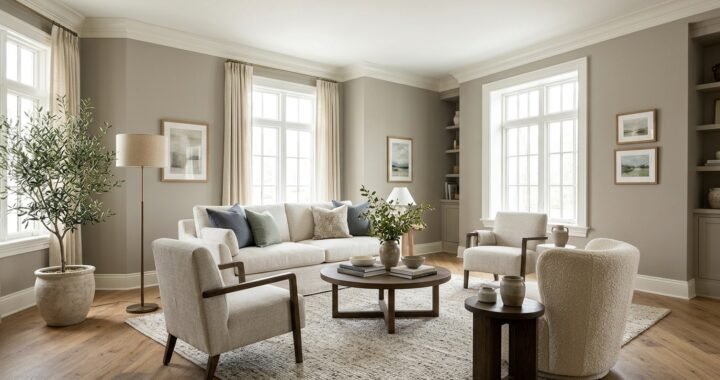
A living room often has several competing purposes, which makes layout more important than decoration. Current DrHomey interior content includes a discussion of layouts that encourage conversation, fitting the broader function-first character of interior design drhomey. Start by deciding what the room does most often. If conversation matters, seats should relate to one another rather than all facing away from each other. If television viewing is important, the screen can be considered without allowing it to dictate every furniture decision. Side tables should be useful from the seats they serve. Lamps belong where their light is needed. Rugs can help define a seating zone, especially in an open-plan room, but their scale should relate to the furniture arrangement. Leave natural routes between doors and adjacent spaces. In a family room, durable finishes and accessible storage may matter more than delicate decorative pieces. A formal sitting room can make different tradeoffs. The right living room is therefore not one universal arrangement. It is an arrangement that makes the room’s most frequent activities comfortable while maintaining visual balance.
Bedrooms Benefit From Calm Visual Priorities
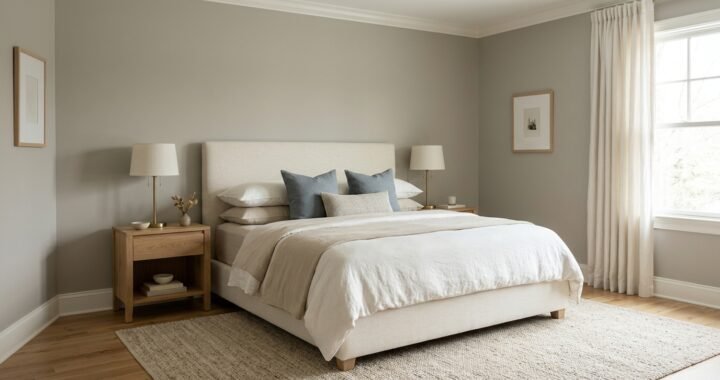
Bedrooms can easily become storage rooms, offices, charging stations, dressing areas, and sleeping spaces at the same time. Interior design drhomey offers a useful lens here because comfort and practical use should guide the design. Begin with the bed because it is usually the largest and most important element. Its location should allow reasonable access while respecting doors, windows, storage, and other fixed features. Bedside lighting should support reading or nighttime movement without requiring harsh general light. Window treatments should provide the privacy and light control needed by the room. Clothing storage should reflect the amount and type of storage actually required rather than being chosen only for appearance. A limited material and color palette can reduce visual noise, while texture in bedding, curtains, rugs, and natural materials can keep a restrained room from feeling flat. Work equipment should be separated from the sleep area where the room allows. Decorative objects can add personality, but leaving some surfaces open often makes daily maintenance easier and creates a calmer visual result.
Kitchens Need Layout Decisions Before Decorative Finishes
A kitchen can look impressive and still be frustrating if storage, preparation areas, lighting, ventilation, or circulation were poorly planned. Interior design drhomey should therefore treat decorative finishes as one layer of a larger functional project. Begin with how food moves through the room: storage, washing, preparation, cooking, serving, and cleaning. Frequently used items should be accessible near the places where they are needed. Task lighting deserves careful attention at counters and work areas. Cabinet hardware should be comfortable to use as well as attractive. Flooring must suit the demands of a busy area, and worktop materials should be chosen according to maintenance expectations and household habits rather than photographs alone. Major kitchen renovations can involve electrical, plumbing, ventilation, structural, and appliance requirements, so qualified professionals may be needed depending on the scope and local rules. Colors, cabinet styles, backsplashes, and decorative lighting become much easier to choose after the practical plan works. A successful kitchen does not force people to choose between appearance and function; the visual design grows from a sound working layout.
Bathrooms Require Materials Suited to Moisture
Bathrooms place greater demands on finishes than ordinary living areas. Moisture, cleaning, ventilation, slip resistance, storage, lighting, and electrical safety all influence the design. Applying interior design drhomey sensibly means choosing attractive materials only after confirming they suit the location. A finish that performs well in a dry bedroom may not be suitable around regular water exposure. Storage should keep daily items accessible without crowding small countertops. Lighting should support general visibility and grooming tasks. Ventilation must be treated as a functional requirement, not a decorative afterthought. Electrical fixtures and equipment need to be appropriate for their location and installed according to applicable requirements and manufacturer instructions. During a renovation, waterproofing, plumbing, drainage, and substrate preparation matter far more than the final styling if something goes wrong. Decorative choices can then build on that technical foundation. Repeated finishes, simple hardware, a controlled palette, and well-planned lighting can make even a modest bathroom feel considered without relying on excessive accessories or expensive visual effects.
Natural Materials and Texture Keep Neutral Rooms From Feeling Flat
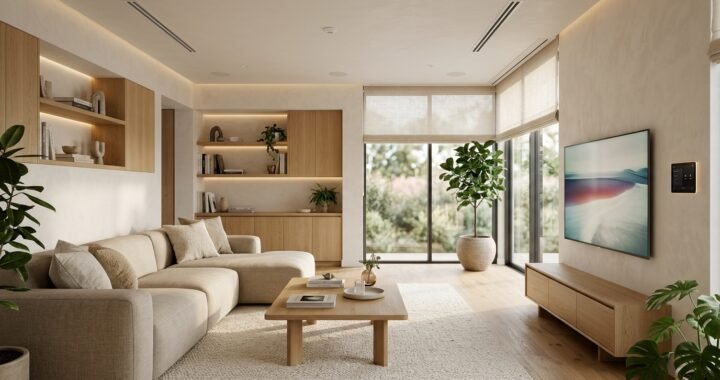
Neutral interiors can feel warm and layered or empty and unfinished. The difference often comes from texture, material variation, contrast, and light. Earlier DrHomey material discusses sustainability and material choices, while its broader design content covers furniture and decorative elements. Within interior design drhomey, a restrained palette can gain depth through wood grain, woven fabrics, stone, ceramic surfaces, metal, glass, rugs, and upholstery. These materials do not all need to be natural or expensive, but they should relate visually. A cream sofa beside pale walls may disappear if every surface has the same value and texture. Adding a darker wood table, woven rug, textured cushions, or contrasting metal can create definition without introducing many new colors. Material choice should also consider maintenance. A delicate surface may be unsuitable for a busy family room even if it looks beautiful when new. Samples are useful because photographs do not fully communicate texture, sheen, or how materials respond to the room’s actual light.
Personal Style Should Come From Meaningful Choices
A home can be technically well designed and still feel generic. Personalization gives it identity. Older DrHomey design material explicitly connects interiors with homeowner preferences and lifestyle, which makes personal expression an important part of interior design drhomey. Personalization does not require filling shelves with decorative objects or following a theme. It can come from art, books, photographs, collected pieces, inherited furniture, handmade objects, travel finds, favorite colors, or materials connected with the household’s tastes. The strongest personal elements usually have enough visual space around them to be noticed. Instead of buying several generic decorations to fill an empty surface, one meaningful piece may have greater impact. Existing furniture can sometimes be refinished, reupholstered, or moved to a more suitable room rather than replaced. This approach can also prevent a home from becoming tied too closely to a short-lived trend. Trends are useful sources of ideas, but they should be filtered through the room, budget, lifestyle, and existing architecture. A home feels personal when its choices make sense for the people living there.
Sustainable Design Starts With Keeping Useful Things
Sustainability in interior design is broader than buying products marketed as environmentally friendly. DrHomey’s earlier design material discusses eco-conscious materials and energy-efficient solutions, making sustainability relevant to interior design drhomey. A practical starting point is to keep suitable materials and furniture in use. Reusing a sound table, refinishing cabinetry, repairing furniture, or changing hardware may avoid unnecessary replacement while also preserving character. When new products are needed, durability and repairability deserve attention. A cheap object replaced repeatedly may offer poor long-term value. Energy-efficient lighting and suitable equipment can also reduce ongoing resource use, but claims about individual products should be checked rather than assumed. Local availability, climate, product lifespan, manufacturing, transport, maintenance, and disposal can all affect the environmental picture. There is rarely one material that is automatically the sustainable answer for every room. The more useful principle is to avoid needless consumption, choose appropriate durable materials, maintain what is installed, and make design decisions that will not need to be discarded as soon as a trend changes.
Budget Decisions Should Focus on What Is Hard to Change
A limited budget becomes easier to manage when money is directed toward changes with the greatest functional or long-term impact. Interior design drhomey does not require replacing every visible item. Start by separating problems from preferences. Poor lighting, broken storage, damaged flooring, uncomfortable seating, or an unusable layout may deserve attention before decorative accessories. Permanent elements are usually harder to change than cushions, artwork, or small furniture. That can justify spending more carefully on flooring, cabinetry, electrical work, plumbing fixtures, major furniture, and other long-life components when the project requires them. Paint can create a large visual change without replacing an entire room, but preparation still affects the finish. Existing furniture may look different after the layout, lighting, wall color, and textiles improve. Create a realistic project scope before shopping and allow for the less visible costs associated with installation or repair. Budget-friendly design is not simply choosing the cheapest products. It means avoiding purchases that solve the wrong problem and spending according to how long and how heavily each element will be used.
Avoid Copying a Room Without Understanding Why It Works
Inspiration images are useful, but copying them literally can create disappointing results because rooms differ in dimensions, windows, daylight, architecture, flooring, ceiling height, and existing materials. Interior design drhomey is more useful when inspiration is analyzed instead of duplicated. Ask what makes the reference room appealing. It may be the warm palette, strong symmetry, natural materials, low visual clutter, large rug, layered lighting, or contrast between dark and light surfaces. Those principles can then be adapted to the actual home. A deep paint color that looks elegant in a bright room with large windows may behave differently in a darker space. A huge sectional may fit a photographed open-plan home but overwhelm a compact living room. Decorative pendant lights may not provide enough task illumination for another kitchen. Use reference images to identify relationships rather than create a shopping list. This produces a room influenced by good design while still responding to its own proportions, light, architecture, and daily use.
Common Interior Design Mistakes Are Usually Planning Mistakes
Many decorating mistakes happen before anything is installed. Buying furniture without measuring is one. Choosing paint without testing it beside fixed finishes is another. Relying on a single light source can leave a room flat or make tasks uncomfortable. Pushing every piece of furniture against the walls may not make the room feel larger if it weakens the arrangement. Using too many small decorative objects can create visual noise, while buying storage without considering what it needs to hold can waste space. Interior design drhomey becomes more reliable when decisions are made in sequence: understand function, measure, plan circulation, choose major furniture, develop the palette, plan lighting, solve storage, and then add decorative layers. Another mistake is treating online photographs as accurate representations of color and scale. Screens, cameras, editing, and lighting can change appearance. Samples and real measurements are safer. Finally, avoid changing a functional room merely because a trend suggests something different. A design decision should solve a real problem or provide meaningful enjoyment.
Know When a Project Moves Beyond Decoration
Moving furniture, styling shelves, choosing curtains, or testing paint colors can often be approached as decorating projects. Other changes may involve technical work that requires more expertise. Removing walls, changing structural openings, altering plumbing, adding or modifying electrical circuits, relocating major kitchen equipment, changing ventilation, or making significant bathroom alterations can introduce building, safety, and code considerations. Interior design drhomey should not blur that boundary. A visually appealing concept still has to work with the building. Professional input may also be useful when a room has persistent moisture, structural damage, electrical concerns, complicated HVAC conditions, or accessibility requirements that cannot be solved through decoration alone. Manufacturer installation instructions should be followed for specific materials and products. Local requirements vary, so generic online guidance cannot replace applicable rules for a particular property. Recognizing where decorating ends and construction begins protects the design as well as the home. A successful interior is not only attractive; the hidden work behind it must also be sound.
FAQs
What is interior design drhomey?
Interior design drhomey refers to interior-design ideas and content associated with the DrHomey name. The main DrHomey website has a dedicated Interior Design category and publishes material about layouts, lighting, furniture, small spaces, materials, and related home topics. Its published material commonly emphasizes functional, personalized spaces rather than decoration alone.
Is Interior Design DrHomey an official interior design style?
Publicly available information does not establish it as a formally recognized interior-design style or professional design standard. It is more accurate to understand the term as design guidance and a practical approach associated with DrHomey content rather than a historical style such as Art Deco or a defined professional certification.
What should I change first when redesigning a room?
Start with function and layout. Identify how the room is used, measure it, note fixed features, and correct major circulation or furniture problems. After the layout works, color, lighting, storage, textiles, art, and accessories can be selected with much more confidence.
Does a beautiful room need expensive furniture?
No. Price alone does not create proportion, comfort, good lighting, or a functional layout. Existing furniture can sometimes work well after rearrangement, repair, refinishing, or better styling. Spend according to durability, function, condition, and how heavily an item will be used rather than treating cost as a measure of good design.
How can I make a small room look less cluttered?
Reduce unnecessary pieces, keep main walking routes clear, use storage where clutter naturally forms, and choose furniture according to the room’s real scale. A controlled palette, useful vertical storage, thoughtful lighting, and some visible open space can also make a compact room feel calmer.
What category is best for an interior design drhomey article?
Home Decor is the strongest category because the topic centers on interior styling, furniture arrangement, color, lighting, materials, and creating attractive living spaces. Home Improvement can be used as a secondary category if the site allows multiple categories and the article includes renovation-related guidance.
Conclusion
Interior design drhomey is most useful when treated as practical design inspiration rather than a rigid formula. The DrHomey material available online supports a broad focus on functional layouts, color, lighting, personalization, efficient use of space, and thoughtful home choices, while current interior content covers subjects ranging from furniture and layered lighting to small-space design. Those ideas become more valuable when adapted to the actual home instead of copied as a fixed style. Start with the room’s purpose and circulation. Measure before buying. Let permanent materials influence the color palette. Use several kinds of lighting where they serve real tasks. Put storage where everyday clutter forms. Choose furniture by scale and comfort rather than trend alone. Add personal objects after the functional foundation works. For renovations involving electrical, plumbing, structural, ventilation, or other technical changes, appropriate professional guidance may be necessary. The result should not look like somebody else’s ideal room. It should feel coherent, comfortable, maintainable, and suited to the people who use it.