Snake plants are among the most recognizable houseplants in the world. Their tall leaves create a clean and modern look. They are also known for handling conditions that trouble many other indoor plants. However, calling them impossible to kill can create problems. A snake plant still needs the right balance of light, water, soil, and warmth. Overwatering is especially dangerous because its thick leaves and underground rhizomes store moisture. Good snake plant care is therefore less about constant attention and more about avoiding unnecessary care. Give the roots drainage, allow the soil to dry, and provide suitable light. The plant can then grow for many years with little trouble. Some varieties have dark green leaves. Others show silver markings, yellow edges, or compact rosettes. This guide covers lighting, watering, soil, fertilizer, repotting, propagation, pests, leaf problems, and seasonal maintenance. Whether you just bought your first plant or want to rescue an older one, these practical tips will help you understand what your snake plant actually needs.
What Is a Snake Plant?
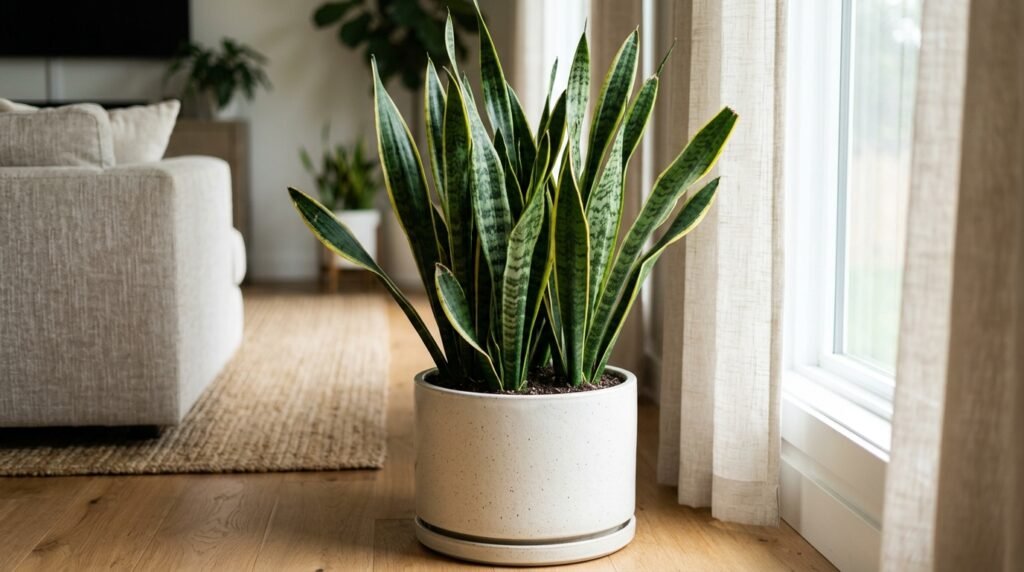
The snake plant is a tough, evergreen perennial commonly grown as an indoor foliage plant. Its accepted botanical placement is within the genus Dracaena, with Dracaena trifasciata being the familiar species behind many common varieties. Older plant labels and gardening books may still call it Sansevieria trifasciata. Both names are widely recognized in houseplant discussions. The plant develops thick, upright leaves from underground rhizomes. Many varieties have horizontal green bands that resemble snakeskin, which explains the common name. Another traditional name is mother-in-law’s tongue. Mature size depends greatly on the cultivar. Some remain short and compact, while others develop tall sword-shaped leaves. Snake plants are native to tropical regions of West Africa and have adaptations that help them handle periods of limited moisture. Those traits make them useful houseplants, but they do not mean the roots can tolerate constantly wet soil. Understanding that distinction is central to keeping the plant healthy.
Why Snake Plants Are Popular Houseplants
Snake plants combine attractive foliage with relatively simple maintenance. Their upright form allows them to fit into spaces where wide, spreading houseplants may become inconvenient. A tall specimen can add greenery beside a sofa, desk, doorway, or cabinet without taking over the room. Smaller varieties fit shelves and tabletops. Another advantage is their tolerance of different indoor light conditions. They can survive in lower light than many tropical houseplants, although survival and strong growth are not the same thing. Brighter indirect light often supports faster, stronger development. Their thick leaves also store moisture, so established plants do not require constant watering. These traits make them appealing to busy people and beginners. However, the biggest benefit of learning proper snake plant care is realizing how little intervention the plant often needs. Frequent watering, constant moving, and excessive feeding usually cause more trouble than a stable environment and patient observation.
Best Light for Snake Plants
Snake plants are famous for tolerating low light, but they generally perform better with brighter conditions. Bright indirect light is an excellent starting point for indoor plants. A position near a bright window can encourage stronger growth without exposing foliage to intense sunlight for long periods. Gentle morning sun may be tolerated by acclimated plants. Harsh afternoon sun through hot glass can scorch leaves, especially if a plant has spent months in a darker room. Increase light gradually whenever moving a plant to a brighter location. In low light, growth may become very slow, and the soil will also dry more slowly. That means watering must be reduced. Variegated varieties may need enough light to maintain attractive patterns. Rotate the pot occasionally if growth begins leaning strongly toward one window. Light needs also change with seasons. A location that is bright in summer may become much darker during winter, so observe the plant rather than relying only on room direction.
Can Snake Plants Grow in Low Light?
Yes, snake plants can tolerate relatively low indoor light. This ability is one reason they are frequently recommended for offices and apartments. However, low-light tolerance should not be confused with a preference for darkness. A windowless room without suitable artificial growing light is not ideal for long-term plant health. In dim conditions, growth can become extremely slow. The soil also remains moist longer because the plant uses less water. This creates a greater risk of overwatering. If your plant must stay in a darker location, check the soil carefully before every watering. Never compensate for poor light by adding more fertilizer. Fertilizer cannot replace the energy a plant receives from light. A suitable grow light can help when natural light is inadequate. Follow the light manufacturer’s recommendations for placement and duration. Successful snake plant care in low light mainly involves adjusting expectations, reducing watering, and watching closely for signs of weak or declining growth.
How Often Should You Water a Snake Plant?
There is no perfect weekly watering schedule. The safest approach is to check the soil before watering. Allow the potting mix to dry substantially between waterings. Then water thoroughly and allow excess moisture to drain from the container. Do not leave the inner pot standing in a decorative container filled with water. How quickly soil dries depends on light, temperature, humidity, pot size, soil composition, and season. A plant in bright summer conditions may use moisture faster than one in a cool winter room. Large pots can also remain wet longer than small ones. If you are uncertain, waiting a little longer is often safer than repeatedly watering damp soil. Snake plants store water in their leaves and rhizomes, giving them some protection from short dry periods. Their roots are much less forgiving of constantly wet conditions. Learn the weight of the pot when wet and dry. That simple habit can make watering decisions easier.
Signs of Overwatering
Overwatering is one of the most serious mistakes in snake plant care. Warning signs can include yellow leaves, soft or mushy foliage, a weakening plant base, and soil that stays wet for many days. A foul smell from the pot can indicate advanced root problems. Sometimes a leaf falls over because its base has become soft rather than because the plant needs support. If you suspect overwatering, stop adding water and inspect the conditions. Make sure drainage holes are open. If the soil remains soaked or the plant continues declining, carefully inspect the roots and rhizomes. Healthy tissue should generally feel firm. Rotten areas may appear dark, soft, or mushy. Remove badly damaged tissue with a clean tool and repot healthy sections into fresh, well-draining mix when appropriate. Do not immediately water heavily after treating rot. Most importantly, correct the original cause. Otherwise, the same problem will return after repotting.
Signs of Underwatering
Snake plants handle dry periods better than many houseplants, but they can still become too dry. Severely dehydrated plants may develop wrinkled, curling, or thinner-looking leaves. Leaf tips may become dry and brown. The potting mix may also pull away from the edges of the container after remaining dry for a long time. When this happens, water thoroughly rather than giving the plant tiny sips every day. Very dry potting mix can sometimes resist water at first. Apply water slowly and make sure moisture reaches the root ball. Let all excess water drain away afterward. Do not respond to underwatering by keeping the soil constantly wet for the next several weeks. Return to a sensible wet-and-dry cycle. Remember that wrinkled or weak leaves can sometimes appear when roots are damaged by excessive moisture too. Always check the soil and root condition before assuming that a struggling plant simply needs more water.
Best Soil for Snake Plants
A loose, fast-draining potting medium supports healthy roots. Snake plants do not need soil that stays wet for long periods. A commercial mix designed for succulents or other drought-tolerant plants can provide a useful starting point. Depending on the product and your environment, additional drainage material may be helpful. Perlite, pumice, or similar ingredients can increase air spaces within the mix. Avoid using dense garden soil inside containers because it may compact and drain poorly. The ideal mix should absorb enough water to hydrate the roots while allowing excess moisture to escape. Your climate matters too. A plant in a hot, bright environment may dry much faster than one in a cool, dim room. Adjust the mix and watering routine together. Good soil is only part of successful snake plant care. Even a fast-draining medium can remain waterlogged if the pot has no drainage holes or constantly sits in standing water.
Choosing the Right Pot

The container has a major effect on moisture around the roots. Choose a pot with at least one effective drainage hole. Decorative pots without drainage can still be used as outer covers, but the plant should remain in an inner pot that drains freely. Empty collected water after watering. Avoid moving a small root system into a huge pot. Excess unused soil can stay wet for too long and increase the risk of root rot. A modest increase in size is usually enough when repotting. Pot material also affects moisture. Unglazed terracotta allows water to evaporate more quickly than many plastic or glazed containers. This can be useful for people who tend to overwater. However, it may require more frequent checking in hot conditions. Tall snake plants can become top-heavy, so stability matters as well. A wider or heavier container may help prevent a mature plant from tipping while still providing adequate drainage.
Temperature Requirements
Snake plants prefer warm indoor conditions. Typical household temperatures are usually comfortable for them. Protect the plant from cold drafts, frost, and sudden temperature drops. A location directly beside an exterior door can become surprisingly cold during winter. Air-conditioning vents may also create repeated temperature stress. Likewise, placing leaves directly against very cold window glass can cause damage. Tropical plants generally prefer stable conditions rather than dramatic swings. Outdoor summer placement can work in suitable weather, but acclimate the plant gradually to stronger light. Bring it inside before temperatures become too cold for the variety. If you live in a warm climate and grow snake plants outdoors year-round, provide conditions suitable for the local heat, rainfall, and sunlight. Heavy seasonal rain can be especially problematic if soil drainage is poor. Temperature and moisture interact, so plants in cooler conditions usually need less frequent watering because soil dries more slowly.
Does a Snake Plant Need High Humidity?
Unlike many tropical foliage plants, snake plants usually adapt well to normal indoor humidity. You generally do not need to run a humidifier specifically for them. Excessively humid conditions combined with wet soil and poor airflow can create more problems than benefits. Keep the plant away from extreme drying sources, such as direct blasts from heating vents. However, there is usually no reason to mist the leaves every day. Misting provides only a brief humidity change and can leave moisture sitting on foliage. Instead, focus on healthy roots, stable temperatures, appropriate light, and good airflow. Dust can be removed with a soft damp cloth. This also gives you an opportunity to inspect the plant for pests. Simple routines often work best with these plants. If you grow several tropical species together, normal household humidity that keeps the other plants comfortable will usually be acceptable for a snake plant as well.
Fertilizing Snake Plants
Snake plants are not heavy feeders. During active growth, a balanced houseplant fertilizer can be used according to the product label. Avoid assuming that extra fertilizer will make the plant grow twice as fast. Excess fertilizer can lead to salt buildup and root damage. Plants growing in low light may need less feeding because their growth is slower. Fertilizer should also usually be reduced or paused during periods when the plant is barely growing. If the potting mix already contains fertilizer, take that into account before adding more. Never pour concentrated fertilizer onto dry or damaged roots unless the product specifically instructs you to do so. Good snake plant care relies more on proper light and watering than aggressive feeding. If growth is poor, investigate the environment first. Check light levels, root health, pot size, soil drainage, and temperature. Fertilizer cannot repair roots that are rotting in wet soil.
Popular Snake Plant Varieties
Snake plants come in many shapes, sizes, and patterns. ‘Laurentii’ is one of the most recognizable varieties, with tall green leaves edged in yellow. ‘Zeylanica’ typically has green leaves with attractive horizontal markings. ‘Moonshine’ is valued for broad, silvery-green foliage and a modern appearance. ‘Black Gold’ combines very dark green leaves with bright golden margins. Compact bird’s nest forms, often sold under Hahnii names, grow in shorter rosettes and fit well on desks or shelves. Cylindrical snake plants, now generally placed within Dracaena, have round spear-like leaves rather than flat blades. Names in the nursery trade can sometimes be inconsistent, so check labels carefully. Different cultivars may grow at different speeds and mature sizes. Variegated plants may also respond differently to very low light. Choose a variety based on available space, appearance, and growing conditions rather than assuming every snake plant will eventually reach the same height.
When to Repot a Snake Plant
Snake plants do not need frequent repotting. They often tolerate being somewhat snug in their containers. Repot when roots or rhizomes have clearly crowded the pot, drainage has become poor, or the container is cracking or becoming unstable. Roots emerging from drainage holes can be another clue, although a few visible roots do not always require immediate action. Spring or another period of active growth can be a convenient time to repot. Choose a container only slightly larger than the old one. Remove the plant gently and inspect the roots. Trim clearly rotten tissue with clean tools if necessary. Add fresh, fast-draining potting mix and keep the plant at a similar depth. Avoid burying the crown deeply. After repotting, give the plant time to adjust. Do not combine repotting with excessive fertilizer and repeated environmental changes. A stable recovery period supports healthier new root growth.
How to Propagate a Snake Plant
Propagation is a useful part of snake plant care when you want new plants or need to divide an overcrowded specimen. Snake plants can be propagated through division or leaf cuttings. Division is often the easiest method for mature plants with several shoots. Remove the plant from its pot and identify natural sections connected by rhizomes. Separate them carefully with a clean, sharp tool when needed. Each division should have healthy roots or rhizome tissue and foliage. Plant the sections into appropriately sized containers with well-draining mix. Leaf cuttings can also produce new plants, but the process may take longer. Variegated cultivars propagated from leaf cuttings may not always preserve the same leaf pattern. Division is generally a better choice when maintaining specific variegation is important. Whichever method you use, avoid keeping fresh propagations constantly soaked. Patience is important because snake plants can root and establish slowly.
Propagating Snake Plants From Leaf Cuttings
Choose a healthy mature leaf without obvious disease or rot. Cut it into sections using a clean, sharp blade. Keep track of which end originally faced downward because planting a cutting upside down can prevent normal rooting. Some growers allow the cut surfaces to dry briefly before placing them into a suitable propagation medium. Leaf sections can also be rooted using other methods, including water, although transition to soil must be handled carefully. Warm conditions and bright indirect light can support the process. Do not expect instant results. New roots and shoots may take weeks or months, depending on conditions. Leaf propagation is enjoyable, but it has an important limitation. Certain variegated snake plants may produce green offspring when propagated this way. If preserving yellow margins or another specific pattern matters, dividing the rhizome is generally more reliable. Always discard cuttings showing obvious rot rather than trying to propagate unhealthy tissue.
How to Divide a Mature Snake Plant
Division works especially well when a large plant has filled its container with several clusters of leaves. Water management is easier when the soil is not soaking wet during the process. Remove the plant gently from its container and clear enough soil to see the rhizomes. Identify natural groups with leaves and healthy roots attached. Use a clean knife or pruning tool to separate sections when they cannot be pulled apart safely by hand. Each division should have enough healthy tissue to establish independently. Place the new sections into appropriately sized pots containing fast-draining mix. Avoid oversized containers. Division can temporarily stress the plant, so keep the new pots in stable conditions while they recover. Do not drown freshly divided plants in an attempt to help them establish. Roots still need oxygen. This method can produce established-looking plants much faster than waiting for leaf cuttings to form new shoots.
How to Prune Snake Plants
Snake plants require little routine pruning. Remove leaves that are badly damaged, rotten, or permanently unattractive. Use a clean, sharp tool and cut the leaf near the soil line. A damaged leaf will not grow a new tip after you cut away its upper section, so trimming halfway across a tall leaf can leave an unnatural shape. Removing the entire damaged leaf often looks cleaner. Avoid pruning healthy foliage simply to control height. The cut leaf will not continue growing normally from its cut point. If a plant has become too large, division is usually a better method of reducing its overall size. Clean tools before moving between plants, especially if disease is suspected. Good snake plant care does not require constant trimming. Most healthy specimens look best when their natural upright shape is allowed to develop with only occasional removal of old or damaged foliage.
Cleaning Snake Plant Leaves
Wide upright leaves can collect dust, especially on plants kept near busy rooms or open windows. A layer of dust can dull the plant’s appearance and make pest inspection more difficult. Wipe leaves gently with a soft damp cloth when needed. Support the leaf with your other hand so you do not bend or crack it. Plain water is usually enough. There is little need to coat leaves with oils or commercial shine products. These products may leave residues and do not solve underlying care problems. Cleaning gives you a good opportunity to inspect both sides of every leaf. Look for small insects, webbing, cotton-like material, sticky residue, scars, or soft spots. Also check the soil surface and plant base. Regular observation can reveal problems long before they become serious. A quick leaf cleaning every so often is more useful than complicated cosmetic treatments.
Common Snake Plant Pests
Snake plants are relatively tough, but pests can still appear. Mealybugs, spider mites, and scale insects are possible problems. Mealybugs often look like small cottony clusters around leaves and protected crevices. Spider mites may create fine webbing and pale speckling. Scale insects can appear as small attached bumps on foliage. Inspect new plants before placing them beside an established collection. Keeping new arrivals separate for a short observation period can reduce the chance of spreading hidden pests. If you find an infestation, identify the pest before choosing treatment. Insecticidal soap or other houseplant products may be appropriate for certain pests when used according to their labels. Repeat inspection is important because one treatment may not eliminate every life stage. Do not use stronger chemicals than necessary. Healthy growing conditions help the plant recover, but even a strong snake plant can decline when a serious infestation is ignored.
Root Rot: The Most Common Serious Problem
Root rot is closely associated with excessive moisture and poor drainage. It is one of the most important issues to understand when learning snake plant care. Symptoms can include yellow foliage, soft leaf bases, wilting despite wet soil, or a bad smell from the pot. If the problem is advanced, remove the plant and inspect the roots and rhizomes. Healthy tissue is generally firm. Rotten sections may be dark, soft, or mushy. Cut away severely affected areas with a clean tool. If enough healthy tissue remains, repot it into fresh, well-draining mix and a clean container. Reduce watering afterward and make sure excess water can escape. If most of the root system is lost, healthy leaves or sections may sometimes be saved for propagation. Prevention is much easier than rescue. Let the potting mix dry substantially and never leave the plant standing in water.
Why Snake Plant Leaves Turn Yellow
Yellow leaves can have several causes, so do not diagnose the plant from color alone. Overwatering is a common reason, especially when leaves become soft and soil remains wet. Poor drainage can create the same problem even if you do not water frequently. An old lower leaf may occasionally yellow as part of natural aging. Sudden environmental changes, cold damage, or root stress can also affect foliage. Variegated cultivars naturally contain yellow sections, so distinguish normal patterning from unhealthy yellowing. Begin by checking soil moisture. If the mix is wet, do not automatically add more water because the plant looks weak. Inspect the roots if symptoms continue. Also consider recent changes in light and temperature. A careful review of the whole environment is more useful than immediately applying fertilizer. Once you correct the underlying problem, focus on protecting new growth because an already yellow leaf usually will not become fully green again.
Why Snake Plant Leaves Turn Brown
Brown tips or patches can result from several types of stress. Severe dryness can damage leaf tips. Mineral or fertilizer salt buildup may also contribute in some situations. Strong direct sunlight can create bleached or brown scorched areas. Cold exposure may damage sections of the foliage as well. Physical injury is another common cause because tall leaves can be bumped, bent, or crushed. Start by considering where the brown area appears and what happened before it developed. If many tips are affected, review watering and fertilizer habits. If only one leaf has a brown mark at the same height as nearby furniture, physical damage may be more likely. Brown tissue will not turn green again. You can leave minor cosmetic damage or remove badly affected leaves near the base. Correct the cause before trimming so new foliage does not develop the same problem.
Why Snake Plant Leaves Curl or Wrinkle
Curling and wrinkling often suggest moisture stress, but the direction of the problem matters. A plant that has remained extremely dry for a long time may use stored moisture and develop thinner, wrinkled foliage. However, a plant with rotten roots can also appear dehydrated because damaged roots cannot absorb water properly. Check the potting mix before responding. If it is extremely dry and the roots appear healthy, water thoroughly and let the excess drain. If the soil is wet and smells unpleasant, investigate the root system instead. Pests can occasionally distort leaves too, so inspect the foliage carefully. Avoid treating every curled leaf with repeated watering. That response can turn a manageable issue into root rot. The most reliable snake plant care comes from looking at the soil, roots, leaves, and environment together instead of using one symptom to make an immediate diagnosis.
Why Snake Plant Leaves Fall Over
Tall leaves may fall for several reasons. Soft leaves collapsing from the base can indicate overwatering and rot. Healthy but leaning leaves may result from uneven light, crowding, or physical damage. A plant growing toward one strong light source can gradually become unbalanced. Rotate the pot occasionally to encourage more even exposure. Very tall cultivars can also become top-heavy, especially when growing in a light plastic container. A heavier pot may improve stability. Do not automatically tie every leaning leaf upright. First check whether the leaf is firm and healthy. If the base is mushy, support will only hide the real problem. Damaged leaves can be removed near the soil line. If the whole plant has become crowded, division and repotting may improve structure. Strong new growth usually remains upright when roots are healthy, light is suitable, and the plant has enough space.
Does a Snake Plant Flower?
Yes, mature snake plants can flower, although indoor blooming is not guaranteed. Flowers may appear on a tall stalk and are often small, pale, and fragrant. Blooming can depend on plant maturity, cultivar, light, and other environmental factors. Some people believe stressing a snake plant will force it to flower. Deliberately harming the plant is unnecessary and can create larger problems. Continue providing stable care instead. If a flower stalk appears, enjoy it as an unusual event. Normal watering and lighting can continue unless other conditions require adjustment. Flowering does not mean the plant is dying. After blooming ends, the spent flower stalk can be removed carefully. Snake plants are grown mainly for their architectural foliage, so flowers should be considered a bonus rather than the main goal. Healthy leaves and roots are much better measures of long-term success than whether a particular plant produces flowers.
Seasonal Snake Plant Care
Indoor conditions change through the year, even when your thermostat stays similar. Winter often brings shorter days and weaker natural light. Soil can remain wet much longer, so watering usually needs to decrease. Move the plant closer to a bright window if necessary, while protecting it from cold glass and drafts. During spring and summer, stronger light and warmer temperatures may encourage faster growth. The plant may use water more quickly and can benefit from appropriate feeding during active growth. Autumn is a good time to inspect the plant before winter conditions arrive. Clean dusty leaves, check for pests, and make sure drainage remains open. Do not follow the exact same watering interval every month. Seasonal adjustment is an important part of snake plant care because the plant’s water use changes with light, warmth, growth rate, and indoor humidity.
Is Snake Plant Toxic to Pets?
Snake plants are not considered safe for pets to chew or eat. Ingestion can cause gastrointestinal symptoms in cats and dogs. Place the plant where curious pets cannot reach it, especially if your animal regularly bites houseplants. Tall floor pots can still be accessible to dogs, while cats may reach plants placed on tables or shelves. A hanging location is not practical for every snake plant because mature specimens can become heavy. Instead, choose a room or protected position that your pet cannot access. If you believe a pet has eaten part of the plant and symptoms develop, contact a veterinarian or animal poison professional for guidance. Do not rely on home remedies. Houseplant safety should be considered when choosing where plants are displayed, particularly in homes with young pets that explore objects by chewing them.
Best Places to Put a Snake Plant
A bright bedroom, living room, office, hallway with natural light, or sheltered indoor entry can all work. Choose a spot based on actual light and temperature rather than room name. A bedroom with no window is not automatically suitable simply because snake plants tolerate lower light. Likewise, a bathroom only works if it provides enough light. Keep the plant away from cold drafts and direct blasts from heaters or air conditioners. Tall varieties can work beautifully as floor plants in corners near windows. Compact varieties fit desks, shelves, and side tables. Consider traffic too. Narrow leaves can be damaged when people constantly brush against them. Finally, remember pets and children when choosing a location. A stable position with appropriate light and little disturbance usually provides better results than moving the plant around every few weeks to match changing interior decor.
Common Snake Plant Care Mistakes
The most common mistake is watering too often. Many people treat snake plants like tropical plants that need permanently moist soil. Their thick leaves and rhizomes make that unnecessary and risky. Another mistake is assuming they can live forever in complete darkness. Low light tolerance does not remove the plant’s need for light. Oversized pots and dense soil can also keep roots wet for too long. Heavy fertilizer use is another unnecessary practice. Snake plants grow relatively slowly and do not need constant feeding. Avoid repotting simply because several months have passed. They can remain comfortable in the same container for quite some time. Finally, do not react to every imperfect leaf with immediate watering, feeding, or repotting. Inspect the conditions first. A patient, simple approach often produces healthier plants than frequent intervention. Stable light, careful watering, drainage, and observation solve most routine problems.
How to Help a Neglected Snake Plant Recover
Start by identifying the actual problem instead of changing everything at once. Check whether the soil is wet or dry. Inspect leaves for pests, soft areas, severe wrinkles, and physical damage. Look at the container and confirm that water can drain freely. Consider how much light the plant receives. If the soil is waterlogged and roots are rotting, address root health before worrying about fertilizer. If the plant is severely dry but roots remain healthy, provide a thorough watering and allow it to drain. Move a plant to better light gradually rather than suddenly exposing it to harsh sun. Remove leaves that are completely rotten or dead. Then give the plant time. Snake plants can recover slowly, so new growth may not appear immediately. Avoid repeated repotting or daily watering because you are worried. Recovery is often about correcting one major issue and maintaining stable conditions afterward.
How Fast Do Snake Plants Grow?
Growth speed varies with variety, light, temperature, nutrition, pot size, and overall health. Plants receiving bright indirect light usually grow faster than those kept in dim corners. Growth may also be more noticeable during warmer, brighter months. Some compact cultivars naturally remain small, while tall varieties eventually produce long leaves. New shoots often emerge from underground rhizomes near the parent plant. Do not compare a slow-growing indoor specimen with a plant growing in ideal greenhouse conditions. If your plant appears healthy but grows slowly, it may not need any intervention. Slow growth is normal for many snake plants. Increasing fertilizer is not a safe shortcut. Instead, check whether the plant has adequate light and healthy roots. Consistent snake plant care over months and years is more important than rapid growth. A slow, sturdy plant is preferable to weak growth encouraged by poor feeding or watering practices.
Frequently Asked Questions
1. How often should I water a snake plant?
Water only after the potting mix has dried substantially. There is no fixed schedule that works in every home. Light, temperature, season, pot size, and soil affect drying time. Always check the soil before watering. When you do water, moisten the root zone thoroughly and allow excess water to drain away.
2. Does a snake plant need direct sunlight?
No. Bright indirect light is usually an excellent choice. Snake plants can tolerate some gentle direct sunlight when properly acclimated. However, sudden exposure to strong afternoon sun may scorch foliage. They can also tolerate lower light, although growth will usually become slower and watering will be needed less often.
3. Why is my snake plant turning yellow?
Overwatering and poor drainage are common causes. Check whether the soil remains wet for long periods and inspect roots if the problem continues. Cold damage, natural aging, and other stress can also cause yellowing. Remember that some cultivars naturally have yellow margins, which should not be confused with unhealthy foliage.
4. Can snake plants live in bathrooms?
Yes, but only when the bathroom provides enough light. Humidity alone cannot keep a plant healthy. A bathroom with a bright window may be suitable. A completely dark bathroom will require appropriate artificial growing light. Also make sure the container drains properly and avoid watering simply because the room feels humid.
5. Should I mist my snake plant?
Regular misting is generally unnecessary. Snake plants usually tolerate normal indoor humidity well. Focus on correct watering at the roots, suitable light, and good airflow instead. If leaves become dusty, gently wipe them with a damp cloth. Avoid leaving the plant constantly wet because unnecessary moisture can encourage problems.
6. How long can a snake plant live?
With suitable conditions, snake plants can remain attractive houseplants for many years. Their exact lifespan depends on the variety, environment, and care. Mature plants can also be divided and propagated, allowing healthy sections to continue growing separately. Consistent care and prevention of root rot are more important than trying to maximize growth speed.
Conclusion
Successful snake plant care is based on simplicity, patience, and observation. Give your plant useful light instead of hiding it in complete darkness. Use a fast-draining potting mix and a container with working drainage holes. Let the soil dry substantially before watering again. Feed moderately during active growth and avoid forcing rapid development. Repot only when the roots genuinely need more room or the soil has become unsuitable. Inspect leaves regularly for pests, yellowing, soft spots, and other changes. If a problem appears, diagnose the cause before adding water or fertilizer. Most importantly, remember that snake plants are naturally adapted to handle periods of dryness. They usually suffer more from excessive attention than mild neglect. With a stable location and sensible routine, your plant can develop strong upright foliage, produce new shoots, and remain an attractive part of your indoor space for many years.