
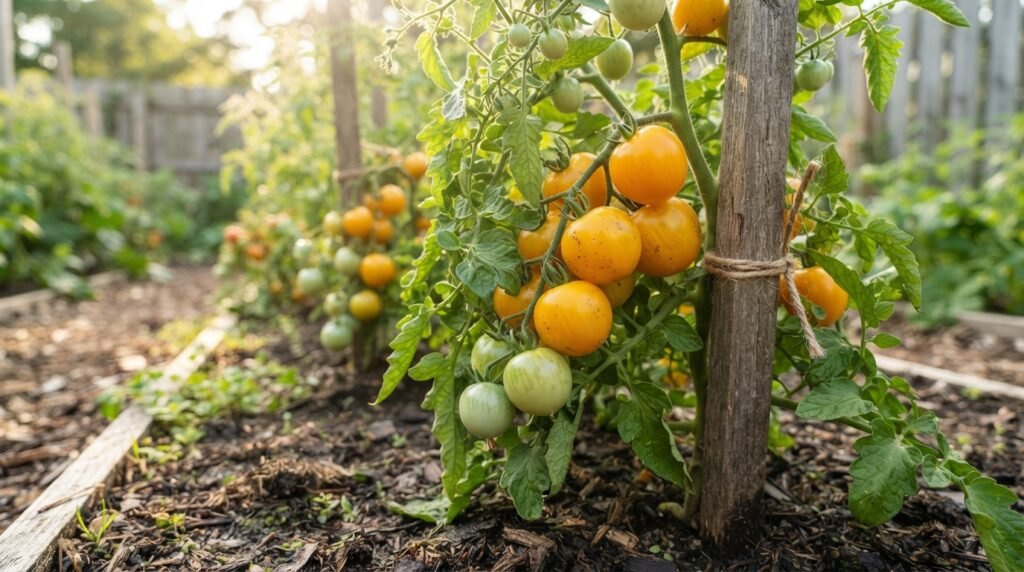
A yellow tomato can bring bright color and fresh flavor to any home garden. These tomatoes come in many shapes and sizes. Some are tiny and sweet, while others are large enough for sandwiches. Their colors range from pale lemon to rich golden orange. Many gardeners enjoy them because they often taste sweet, mild, or fruity. They also look beautiful when mixed with red, purple, and green tomatoes. Growing them is much like growing other garden tomatoes. They need plenty of sunlight, healthy soil, steady water, and good airflow. The exact care can change with the variety and local climate. Some plants grow as long vines. Others stay shorter and produce their crop within a smaller window. Choosing the right variety is therefore an important first step. This guide explains popular varieties, planting methods, watering, feeding, pruning, pest control, harvesting, and storage. It will help beginners and experienced gardeners grow healthier plants and enjoy colorful homegrown fruit.
What Is a Yellow Tomato?
A yellow tomato is simply a tomato variety that develops yellow or golden fruit when ripe. It is not an unripe red tomato. Its mature color comes from the pigments produced as the fruit develops. Different varieties can become lemon yellow, golden yellow, yellow-orange, or even striped. The plants belong to the same tomato species or closely related cultivated groups as familiar red garden tomatoes. Their growth habits can be determinate or indeterminate. Determinate plants reach a more limited size and usually produce much of their crop over a shorter period. Indeterminate varieties keep growing, flowering, and producing until frost or another limiting condition ends the season. Fruit shape also varies widely. You can find cherry, pear-shaped, plum, slicing, and beefsteak varieties. Because color alone does not tell you how a plant grows, always read the seed packet or plant label before choosing a variety for your garden.
What Do Yellow Tomatoes Taste Like?
Flavor depends strongly on the variety and growing conditions. Many yellow varieties are described as sweet, mild, fruity, or less sharp-tasting than some red tomatoes. However, it would be misleading to say every yellow variety tastes the same. Some have a rich tomato flavor, while others are especially sweet. Cherry varieties can taste almost candy-like when fully ripe. Large heirlooms may offer a deeper, more complex flavor. Sunlight, soil, temperature, watering, and ripeness also influence the final taste. A fruit picked too early may not develop its best flavor. Excessive watering near harvest can sometimes produce watery fruit or encourage cracking. If flavor matters most, grow several varieties and compare them yourself. Home gardening is useful because you can choose cultivars for taste rather than shipping durability. A ripe tomato eaten shortly after harvest can offer a very different experience from one selected for long-distance transport.
Why Grow Yellow Tomatoes?
Color is an obvious reason, but it is not the only one. A yellow tomato creates visual contrast in salads, salsa, sandwiches, and fresh garden dishes. Gardeners who grow several colors can make even a simple tomato plate look impressive. Variety is another benefit. Yellow tomatoes are available as small cherry fruits, medium slicers, pear-shaped tomatoes, and giant heirlooms. This allows you to choose plants based on both flavor and kitchen use. Growing different cultivars can also make gardening more interesting. Each plant may have its own growth habit, harvest period, and flavor. Children may enjoy picking colorful tomatoes because they look different from standard red fruit. Yellow varieties are not automatically easier or harder to grow. Their success depends on the cultivar and your local conditions. When selecting seeds, consider disease resistance, plant size, days to maturity, and whether the variety suits your climate.
Popular Yellow Tomato Varieties
Gardeners have many cultivars to choose from. ‘Lemon Boy’ is a well-known hybrid that produces bright yellow slicing tomatoes. ‘Yellow Pear’ produces small pear-shaped fruit and is popular in salads. ‘Golden Jubilee’ is another classic golden variety. ‘Dr. Wyche’s Yellow’ is an heirloom known for large golden fruit. ‘Azoychka’ is an early-producing heirloom with yellow to golden tomatoes. ‘Yellow Brandywine’ is associated with large heirloom-style fruit and a rich flavor. ‘Gold Medal’ can develop attractive yellow-orange fruit with reddish coloring. Small-fruited options are also available for gardeners who prefer sweet snack tomatoes. Availability varies by region, so local seed suppliers can be useful. Do not choose a cultivar only because its photograph looks attractive. Check plant size, maturity time, disease resistance, and climate suitability. A beautiful variety that needs a longer season than your climate provides may never reach its full potential.
Yellow Pear Tomatoes
Yellow Pear is one of the easiest yellow varieties to recognize. The small fruits have a narrow neck and rounded bottom, giving them a tiny pear shape. Plants are typically vigorous and can become large during a long growing season. This means strong support is important. A sturdy cage or trellis can keep vines and fruit off the ground. The tomatoes are commonly used in salads, lunch boxes, garnishes, and fresh snacks. Their bright color looks especially attractive when combined with red and purple cherry tomatoes. Like other vigorous tomato plants, Yellow Pear needs good sunlight, regular water, and enough space for airflow. Harvest fruit once it reaches its mature yellow color and feels appropriately ripe for the variety. Because plants can produce many small fruits, check them often during peak season. Frequent harvesting prevents overripe tomatoes from remaining hidden inside dense foliage.
Yellow Brandywine Tomatoes
Yellow Brandywine is a name associated with large heirloom tomatoes that appeal to gardeners who enjoy classic slicing fruit. Individual seed strains can vary, so buying from a trusted supplier is important. The fruit is generally large, golden, and suited to sandwiches or fresh slicing. Plants often have an indeterminate growth habit, meaning they continue growing and producing during favorable weather. Their size requires strong support. Large fruit can place considerable weight on vines, especially after rain or irrigation. Give plants enough space and avoid overcrowding. Like many heirlooms, disease resistance may differ from modern hybrids, so good airflow and regular inspection are useful. If you live in a region with a short summer, check days to maturity before planting. Large heirloom tomatoes often need more time to mature than small cherry varieties. Gardeners with enough growing season can be rewarded with impressive fruit and distinctive flavor.
Lemon Boy Tomatoes
Lemon Boy is a popular hybrid yellow tomato known for smooth, bright fruit. The tomatoes are generally medium-sized and useful for slicing, salads, and fresh eating. Hybrid varieties like this are often chosen by gardeners who want predictable plant and fruit characteristics. Plants still need the same core care as other tomatoes. Give them strong sunlight, fertile well-drained soil, regular moisture, and support. Check the seed packet for the specific growth habit and disease-resistance information of the seed line you purchase. Hybrid does not mean a plant cannot develop problems. Weather, soil conditions, watering mistakes, and local disease pressure still matter. The advantage is that breeders may select hybrids for useful traits such as productivity, uniformity, or resistance to certain diseases. Lemon Boy can be a practical option for gardeners who want a classic round yellow tomato without relying entirely on large heirloom varieties.
Yellow Cherry Tomatoes
Small yellow cherry tomatoes are ideal for gardeners who enjoy frequent snacks straight from the garden. Many varieties produce clusters of sweet fruit throughout the season. Their small size means they often ripen earlier than large beefsteak tomatoes. This can be useful in areas with shorter summers. Cherry tomato plants can become surprisingly large, especially when they have an indeterminate growth habit. Do not let the small fruit fool you into using a tiny support. Strong cages or trellises are often necessary. Pick ripe tomatoes regularly because plants can produce quickly during warm weather. Small fruits work well in salads, pasta dishes, roasted vegetable recipes, and lunch boxes. They can also be mixed with red and orange cherry tomatoes for a colorful presentation. When choosing a cultivar, compare sweetness, growth habit, disease resistance, mature plant size, and days to harvest rather than selecting by color alone.
Choosing the Best Variety for Your Garden
Start with your climate and available space. Gardeners with short summers should consider varieties with fewer days to maturity. Those with long, warm seasons have more freedom to grow large heirlooms. Next, consider plant size. A small patio may be better suited to a compact determinate cultivar. Large gardens can handle vigorous indeterminate vines. Disease resistance is also worth checking, especially if tomatoes have struggled with recurring diseases in your area. Think about how you will use the harvest. Choose cherry tomatoes for snacking, plum-shaped varieties for certain cooking uses, and large slicers for sandwiches. Flavor matters too, but taste descriptions are subjective. Trying several cultivars is often the best approach. Keep simple notes about growth, harvest dates, disease problems, and flavor. After a few seasons, you will know which plants perform best in your particular garden instead of relying only on general recommendations.
Best Time to Plant Yellow Tomatoes
Tomatoes love warmth and do not tolerate frost. Plant outdoors after your local frost danger has passed and conditions have warmed. Cold soil can slow root growth and stress young plants. Night temperatures should also be reasonably mild before tender seedlings remain outside permanently. Gardeners often start seeds indoors several weeks before the expected planting date. This gives plants time to develop before warm weather arrives. Indoor seedlings must be hardened off before transplanting. Gradually expose them to outdoor conditions over several days. Begin in a protected area and slowly increase sunlight and wind exposure. Do not place tender indoor seedlings directly into intense all-day sun. Leaves can scorch. Local planting dates vary widely, so use regional climate guidance rather than one universal date. Waiting for suitable conditions usually gives better results than planting too early simply because you are excited to start the garden.
Choosing the Right Planting Location
A yellow tomato plant needs plenty of direct sunlight to grow well and produce flavorful fruit. Aim for at least six hours of direct sun, with eight or more often preferred. In very hot climates, intense afternoon heat can create extra stress, so local conditions matter. The location should also have good airflow. Crowded plants stay damp longer after rain, which can encourage some diseases. Choose soil that drains freely rather than remaining waterlogged. If the ground drains poorly, raised beds can offer better control. Consider the mature plant before choosing a spot. An indeterminate vine may become several feet tall and shade smaller plants. Place supports where they will remain stable and accessible. Easy access to water is also helpful. During hot summer periods, tomatoes may require frequent attention. A convenient garden location makes consistent care much easier throughout the season.
Preparing Soil for Tomato Plants
Healthy soil gives tomato roots access to water, air, and nutrients. Tomatoes generally grow best in fertile, well-drained soil containing organic matter. Finished compost can improve many garden soils when used appropriately. A soil test is especially useful if you grow vegetables regularly. It can reveal pH and nutrient levels, helping you avoid unnecessary fertilizer. Tomatoes generally prefer slightly acidic soil, around pH 6.0 to 6.8. Avoid adding large amounts of nitrogen without evidence that it is needed. Too much can encourage heavy leaf growth while fruit production suffers. Container gardeners should use a quality potting mix instead of dense soil dug from the yard. Potting mixes are designed to provide better drainage and airflow inside containers. Whatever growing method you choose, remember that roots need oxygen. Rich soil that remains constantly saturated can still create serious problems.
How to Plant Yellow Tomatoes
Transplant a yellow tomato seedling carefully to reduce stress. Tomatoes can form roots along buried stem sections, so many gardeners plant them deeper than they grew in their nursery pots. Remove the lower leaves that would otherwise be buried. Dig a deep hole or trench and place the seedling so part of the stem sits beneath the soil. Do not bury healthy leaves. Firm the soil gently around the plant and water the root zone thoroughly. Install a stake, cage, or trellis at planting time when possible. Adding large supports later can damage roots. If planting several tomatoes, give them enough room for their mature size. Spacing depends on the variety and training method. Finally, keep the plant label. It is surprisingly easy to forget which cultivar is growing where once several tomato plants become large and begin intertwining.
Proper Spacing Between Plants
Correct spacing helps sunlight reach leaves and allows air to move through the garden. This can reduce the damp conditions that support some tomato diseases. The ideal distance depends on the cultivar and training system. Vertically trained indeterminate plants can sometimes be grown closer than large, unpruned plants inside cages. Many home gardeners use roughly two to three feet between plants as a starting range, but always check the specific variety. Row spacing also matters because you need enough room to harvest, prune, and inspect plants. Crowding extra seedlings into a small bed may seem like a way to increase yield. In reality, overcrowding can create weak airflow, tangled vines, and difficult pest control. It may also increase competition for water and nutrients. Plan around mature plants rather than the tiny seedlings you see in spring. A little extra space often makes summer maintenance much easier.
Supporting Tomato Plants
Support keeps vines upright, protects fruit, and makes harvesting easier. The best system depends on whether your plant is determinate or indeterminate. Compact plants may perform well in sturdy cages. Tall vines can benefit from stakes, large cages, or trellises. Install support early so you do not damage established roots later. Tie stems loosely with soft material when using stakes. The tie should support the plant without cutting into growing tissue. Check ties throughout the season because stems become thicker. Heavy fruit clusters may need additional support. After storms, inspect stakes and cages for movement. A mature tomato plant loaded with fruit can be surprisingly heavy. Keeping foliage and fruit away from the soil also makes the garden easier to manage. Support does not replace pruning or spacing, but all three methods work together to create a healthier, more accessible plant.
Watering Yellow Tomato Plants
Consistent moisture is important for healthy growth and good fruit quality. A yellow tomato does not need a special watering method simply because of its color. Water deeply enough to reach the root zone, then allow the soil to remain moist without staying waterlogged. Frequency depends on temperature, rainfall, soil, plant size, and whether you grow in containers. Hot weather can make pots dry very quickly. Water near the base when possible rather than repeatedly soaking the foliage. Morning is often a convenient time because plants enter the warmer part of the day with available moisture. Avoid large swings between very dry soil and sudden heavy watering. These changes can contribute to cracking and other fruit problems. Mulch can reduce evaporation and keep soil moisture more stable. Check actual soil conditions instead of following a rigid schedule such as watering every second day.
Mulching for Better Moisture Control
Mulch provides several benefits around tomato plants. Organic materials such as clean straw or shredded leaves can slow water loss from the soil. They also help reduce weed growth and limit soil splashing onto lower foliage. This can be useful because soil may contain organisms that contribute to leaf diseases. Apply mulch after the soil has warmed, especially in cooler climates. Keep it slightly away from the main stem rather than piling it tightly against the plant. Check soil moisture beneath the mulch because the surface may look dry while the root zone remains moist. Mulch can reduce watering frequency, but it does not eliminate the need to monitor plants. Organic material gradually breaks down and contributes to soil structure. At the end of the season, manage old mulch according to your garden’s disease history and local composting practices.
Fertilizing for Healthy Fruit Production
Tomatoes need nutrients, but excessive fertilizer can create more problems than benefits. Too much nitrogen often produces huge green plants with fewer flowers or fruits. Begin with healthy soil and use a soil test when possible. If feeding is needed, choose a fertilizer labeled for tomatoes or vegetable crops and follow the instructions. Container plants often need more regular feeding because watering can wash nutrients from the potting mix. Never assume poor fruit production means the plant needs more fertilizer. High temperatures, weak pollination, inadequate sunlight, or excessive nitrogen can all reduce fruit set. Watch the plant as a whole. Healthy growth should include leaves, flowers, and developing fruit rather than only dense foliage. Adding extra fertilizer beyond the label will not make tomatoes ripen faster. Balanced nutrition combined with sunlight, water, and healthy roots is far more important.
Pruning Yellow Tomato Plants
Pruning depends mainly on growth habit. Determinate plants usually require little pruning because removing too many stems can reduce their crop. Indeterminate plants may benefit from selective pruning to control size and improve airflow. Side shoots called suckers develop where leaves meet the main stem. These shoots can grow into large fruit-producing stems. Gardeners using narrow vertical supports often remove some suckers to keep plants manageable. However, suckers are normal growth and do not need automatic removal. Leaves produce energy and help shade developing fruit. Excessive pruning can expose tomatoes to sunscald in hot climates. Remove damaged or diseased foliage when appropriate, using clean tools. Lower leaves touching the soil can also be managed as plants grow. The goal is a healthy, open plant rather than a bare stem with very few leaves.
Flowers and Fruit Development
Tomato flowers are capable of pollination without requiring a second tomato variety nearby. Wind and visiting insects help move pollen within the flowers. In very still protected spaces, gentle movement can sometimes help. Weather has a major influence on fruit set. Very high or low temperatures can cause flowers to drop before fruit develops. Humidity can also affect pollen performance. If flowers appear but no tomatoes form, examine weather and growing conditions before adding fertilizer. Excessive nitrogen may also contribute to lots of leafy growth with poor flowering or fruiting. Once pollination succeeds, a small green fruit develops behind the flower. It gradually increases in size before beginning its color change. A yellow variety will eventually shift toward its expected mature shade. The time required depends on the cultivar, temperature, sunlight, and overall plant health.
Growing Yellow Tomatoes in Containers
A yellow tomato can grow successfully in a container when you choose an appropriate variety and provide enough root space. Large indeterminate plants require substantial pots and strong supports. Compact patio varieties can fit smaller spaces more easily. Whatever variety you grow, the container needs drainage holes. Use quality potting mix rather than heavy garden soil. Place the pot where the plant receives plenty of sunlight. Containers dry faster than garden beds, so check moisture regularly. During hot summer weather, large plants may require daily attention. Water until excess moisture drains from the bottom, but do not leave the container sitting in standing water. Potted tomatoes also depend more heavily on regular feeding because nutrients are limited to the container. Follow fertilizer instructions carefully. Install the cage or stake early, and remember that a large watered container can become extremely heavy.
Common Pests
Tomatoes can attract aphids, whiteflies, spider mites, hornworms, and other pests. Problems vary by region. Inspect plants regularly, especially underneath leaves and around tender new growth. Large caterpillars such as tomato hornworms can remove significant foliage quickly but are often easy to handpick in small gardens. Aphids may cluster on young stems and leaves. Spider mites can cause pale speckling and fine webbing, especially during hot, dry weather. Before using any pesticide, identify the pest correctly. Many beneficial insects naturally feed on garden pests. Unnecessary broad-spectrum spraying can harm these helpful predators. If treatment is required, select a product labeled for the specific pest and edible crops. Follow all directions, including harvest intervals. Healthy plants can tolerate minor insect damage, so not every hole requires immediate treatment. Regular inspection remains one of the simplest and most effective pest-management habits.
Common Tomato Diseases
Disease can affect any yellow tomato variety, although resistance differs between cultivars. Fungal and bacterial leaf diseases are common in many gardens. Symptoms can include spots, yellowing, wilting, or dying lower foliage. Good spacing and airflow help foliage dry more quickly after rain. Watering near the soil can also reduce unnecessary leaf wetness. Remove badly infected plant material when appropriate and clean tools after working with diseased plants. Crop rotation can help with some soil-related problems, though certain pathogens can survive for years. Choosing resistant varieties is often one of the easiest preventive strategies. Not every yellow or brown leaf indicates an infection. Watering stress, nutrient problems, root damage, heat, and normal aging can create similar symptoms. Accurate diagnosis is important before treatment. Local agricultural extension services can provide especially useful guidance because common tomato diseases differ by climate and region.
Blossom-End Rot
Blossom-end rot appears as a dark, sunken patch on the bottom of developing tomatoes. It is associated with insufficient calcium reaching the fruit, but the underlying issue is often inconsistent water availability rather than a simple lack of calcium in the soil. When roots cannot absorb and transport water steadily, calcium movement can be disrupted. Maintain more even soil moisture and avoid letting plants become severely dry. Mulch can help reduce moisture swings. Container plants require special attention because their soil can dry quickly. Avoid damaging roots through deep cultivation around established plants. Do not automatically add calcium products unless a soil test or other evidence shows a deficiency. Unnecessary amendments can create nutrient imbalances. Fruit already affected will not repair itself. However, correcting watering conditions may help later tomatoes develop normally. Blossom-end rot is often most noticeable early in the fruiting season.
Why Yellow Tomatoes Crack
Cracking happens when a tomato’s interior expands faster than its skin can stretch. Sudden heavy rain after dry weather is a common trigger. Excess irrigation can create a similar effect. Some varieties naturally resist cracking better than others. Maintaining consistent soil moisture can reduce the risk. Mulch also helps by slowing rapid drying. If ripe or nearly ripe fruit is on the plant before a major storm, harvesting early may prevent some splitting. Tomatoes that have started changing color can often continue ripening indoors. Small surface cracks may only affect appearance, while deep splits can allow pests and microorganisms to enter. Inspect cracked fruit carefully and discard anything showing mold, rot, unpleasant odors, or other signs of spoilage. You cannot control the weather, but good watering practices and timely harvesting can reduce losses during periods of unpredictable rain.
How to Tell When Yellow Tomatoes Are Ripe
Ripeness can be harder to judge than with familiar red tomatoes. A ripe yellow tomato should develop the mature color expected for its variety. Pale cultivars may remain light lemon yellow, while others turn deep gold. Check the seed packet or variety description so you know what to expect. Texture is another useful clue. A ripe fruit usually gives slightly under gentle pressure but should not feel mushy. Aroma may also become stronger as the fruit reaches maturity. Avoid squeezing repeatedly because tomatoes bruise easily. If you are unsure, harvest one fruit and taste it. Experience quickly teaches you the ideal stage for that cultivar. Fruit that has begun changing from green toward yellow can often continue ripening indoors. This is useful when storms, pests, extreme heat, or frost threaten the crop.
Harvesting Tomatoes Correctly
Harvest tomatoes regularly once ripening begins. Frequent picking helps prevent overripe fruit from splitting, falling, or attracting pests. Hold the tomato gently and twist it from the stem, or use clean garden scissors when necessary. Avoid pulling hard enough to damage the vine. Large heirloom tomatoes may be easier to clip because their weight can make handling awkward. Harvest during the cooler part of the day when convenient. Place fruit gently into a shallow basket rather than stacking heavy tomatoes deeply. Keep damaged fruit separate so it does not spoil healthy tomatoes. If frost is approaching, pick mature fruit before temperatures become damaging. Some green mature tomatoes can ripen indoors. Harvesting is also a good time to inspect the plant. Look for pests, broken stems, diseased foliage, or supports that need adjustment while you are already working around the vines.
Storing Fresh Yellow Tomatoes
Fresh tomatoes usually maintain better texture and flavor when kept at room temperature until fully ripe. Place them away from harsh direct sunlight. If a tomato is already very ripe and you cannot use it soon, refrigeration can slow further deterioration. Let chilled tomatoes return closer to room temperature before eating for better flavor. Avoid stacking large ripe tomatoes because their weight can bruise fruit underneath. Check stored tomatoes regularly and remove damaged ones. For larger harvests, consider sauces, roasting, freezing, or other preservation methods suitable for tomatoes. When canning, use a tested recipe from a trusted food-safety source because tomato acidity can vary. Do not assume yellow fruit requires completely different storage from red fruit. Variety, ripeness, temperature, and handling have a much larger effect on storage life than color alone.
Using Yellow Tomatoes in the Kitchen
Yellow varieties can be used in many of the same dishes as red tomatoes. Cherry types are excellent in salads and roasted vegetable dishes. Large slicers work well in sandwiches, burgers, and fresh tomato plates. Golden tomatoes can create visually striking salsa or fresh sauces. Mixing several tomato colors produces beautiful summer salads. Mild varieties can pair well with herbs, cheese, olive oil, and other simple ingredients. The exact flavor will depend on the cultivar, so taste the fruit before deciding how to use it. A very sweet cherry tomato may be best eaten fresh, while a large meaty variety may work better in sandwiches. If preserving tomatoes through canning, always follow a tested recipe rather than changing acidification requirements based on color or perceived sweetness. Safe preservation depends on measured food-safety principles, not the appearance or taste of the tomato.
Common Growing Mistakes
One common mistake is planting tomatoes before the weather is warm enough. Another is placing them in a location with too little sunlight. Weak light often leads to poor growth and disappointing fruit production. Overwatering is also common, especially when gardeners follow a fixed schedule instead of checking the soil. On the other hand, severe drying followed by heavy watering can encourage cracking and other problems. Avoid giving plants excessive nitrogen fertilizer. Huge green vines are not useful if they produce few tomatoes. Waiting until plants become enormous before adding support is another mistake. Install cages or stakes early. Do not overcrowd plants simply to increase the number in your garden. Better spacing can improve airflow and access. Finally, check plants regularly. Early pest, disease, and support problems are much easier to manage than issues discovered after several weeks of neglect.
Frequently Asked Questions
1. Are yellow tomatoes naturally yellow when ripe?
Yes. Yellow tomato varieties are bred or selected to develop yellow, gold, or yellow-orange coloring at maturity. They are not simply red tomatoes harvested before ripening. Their exact mature color depends on the cultivar, so some remain pale while others become deep golden yellow.
2. Are yellow tomatoes sweeter than red tomatoes?
Some yellow varieties taste mild, fruity, or sweet, but color alone does not determine flavor. Genetics, growing conditions, and ripeness all matter. A sweet yellow cherry tomato can taste very different from a large yellow heirloom. The best approach is to compare several varieties yourself.
3. How much sun do yellow tomato plants need?
Most tomato plants perform best with at least six hours of direct sunlight daily. Eight or more hours can support strong growth in many climates. Very hot regions may require extra attention during intense afternoon heat. Always consider your local climate and the needs of the specific cultivar.
4. Can yellow tomatoes be grown in pots?
Yes. Choose a container large enough for the mature plant and use quality potting mix. Make sure the pot has drainage holes. Large indeterminate plants require substantial containers and strong support. Compact determinate varieties may be easier to manage on patios and balconies.
5. Why are my yellow tomatoes staying green?
The fruit may simply need more time. Temperature also affects ripening, and extreme heat can slow normal color development. Check the expected days to maturity for your variety. Healthy full-sized green fruit may begin changing color once weather becomes more suitable.
6. When should I pick yellow tomatoes?
Pick them when they reach their expected mature yellow or golden color and feel slightly soft under gentle pressure. Exact color varies by cultivar. Fruit that has begun changing color can also be harvested and allowed to finish ripening indoors when weather or pests threaten the crop.
Conclusion
Growing a yellow tomato is an easy way to add color, flavor, and variety to your vegetable garden. You can choose tiny pear-shaped fruit, sweet cherry tomatoes, reliable hybrids, or impressive golden heirlooms. Start by selecting a variety that matches your climate, space, and growing season. Give the plant plenty of sunlight and fertile, well-drained soil. Support tall vines early and keep moisture as consistent as possible. Feed plants carefully instead of using excessive fertilizer. Regularly inspect leaves, flowers, fruit, and stems for early signs of trouble. When harvest time arrives, learn the mature color and texture of your chosen variety rather than waiting for the fruit to turn red. With thoughtful care and a little patience, yellow tomatoes can provide weeks of beautiful harvests and bring something different to both your garden and kitchen.