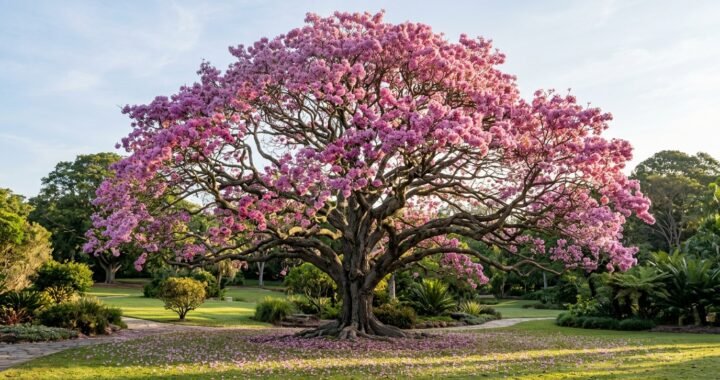

Fresh strawberries are one of the sweetest signs that warmer weather has arrived. Their bright red color, soft texture, and fresh flavor make them popular in desserts, breakfasts, salads, and simple snacks. But if you have ever wondered when is strawberry season, the answer depends on where you live. In many places, local strawberries are at their best during spring and early summer. However, warmer regions can harvest berries earlier, while cooler areas may wait until late spring or summer. Modern farming also means supermarkets can sell strawberries during much of the year. Those berries may travel long distances or come from regions with different growing seasons. Local seasonal fruit can still offer a special experience because it may be picked closer to full ripeness. This guide explains strawberry seasons, regional differences, varieties, picking tips, storage, growing conditions, and how to enjoy berries when they are at their best.
When Is Strawberry Season?
If you are asking when is strawberry season, a simple general answer is spring through early summer in many temperate regions. May and June are especially associated with local strawberry harvests in many parts of the United States and Europe. However, there is no single month that applies everywhere. Climate, latitude, elevation, strawberry variety, and farming method all influence harvest dates. Warm areas can produce ripe berries much earlier. Some regions with mild winters may harvest strawberries during winter and spring. Cooler northern locations may not reach their main harvest until June or even later. Day-neutral and everbearing varieties can also produce fruit beyond the traditional early-summer window. Instead of relying only on a national calendar, check local farms, farmers markets, or regional agricultural resources. They can tell you when locally grown strawberries normally begin ripening in your specific area.
Why Strawberry Season Changes by Location
Strawberry plants respond strongly to temperature, sunlight, and local weather. This is why harvest dates can change from one region to another. A warm spring can encourage earlier flowering and fruit development. A cold spring can slow the process. Late frost may damage flowers and reduce or delay a crop. Rainfall also affects fruit quality and picking schedules. Too much rain near harvest can make ripe berries softer and more vulnerable to disease. Elevation creates another difference because higher areas are often cooler than nearby lowlands. Variety matters as well. Some strawberries produce one main crop, while others can fruit over a longer period. When deciding when is strawberry season near you, think locally rather than assuming berries ripen everywhere at once. Even two farms in the same state may begin harvesting on different dates because their fields, varieties, and growing conditions are not identical.
Strawberry Season in the United States
The United States has many climates, so strawberry harvests can occur at different times of year. California and Florida are major strawberry-growing states, and their mild climates help supply stores outside the traditional spring harvest found elsewhere. In many northern and central states, local field-grown strawberries are strongly associated with late spring and early summer. Southern regions may begin earlier because warmer temperatures arrive sooner. Commercial production methods can also extend harvest periods. This is why supermarket strawberries may be available even when local farms are not picking fruit. If your goal is to find locally grown berries, look for farm stands and farmers markets during your region’s normal harvest window. State agricultural extension services can also provide useful growing and harvest information. A supermarket’s produce section shows what is commercially available, but it does not always show the natural peak season for strawberries grown close to your home.
Strawberry Season in California
California’s climate supports a long commercial strawberry season. Different growing areas along the coast have their own planting and harvest periods, which helps keep fruit available for much of the year. Areas such as Southern California can begin producing earlier, while central and northern coastal regions contribute during other parts of the season. Mild temperatures are especially helpful because strawberries prefer conditions that are neither extremely hot nor severely cold. Commercial growers also use varieties and production methods selected for their regions. For consumers, this means California-grown strawberries may appear in grocery stores well outside the short local season experienced in colder states. Still, harvest volume and fruit quality can change throughout the year. If you live in California and want farm-fresh fruit, the best local picking period depends on your county and nearby farms. Check directly with growers before planning a trip because weather can shift opening dates.
Strawberry Season in Florida
Florida is another important example of how climate changes the answer to when is strawberry season. While northern states often associate fresh local strawberries with May and June, Florida’s strawberry harvest is centered much earlier. The state’s mild winter climate allows growers to produce fruit during winter and early spring. Plant City and surrounding areas are especially well known for strawberry production. This seasonal timing helps provide fresh berries when many colder regions cannot grow them outdoors. Weather still matters. Warm spells, cold snaps, heavy rain, and plant health can influence harvest timing and supply. Travelers hoping to visit a Florida strawberry farm should check current farm information rather than depending on a fixed yearly date. Local festivals and markets can also offer clues about peak harvest periods. Florida shows why a national strawberry calendar can never tell the whole story.
Strawberry Season in Cooler Northern Areas
In cooler climates, strawberry plants usually need more time before they begin producing ripe fruit. Local harvests often start in late spring or early summer. June is commonly associated with strawberry picking in many northern areas, although exact dates vary. A cold spring may delay ripening, while unusually warm weather may move the season forward. Local strawberry seasons can also feel short because June-bearing varieties often produce a concentrated crop over several weeks. This makes timing important if you want to visit a pick-your-own farm. Waiting even two weeks can make a big difference during a short season. Farms usually post updates when fields open and when picking conditions change. If you want berries for jam, freezing, or a large family event, ask growers when they expect their heaviest harvest. Planning around local conditions gives you a better chance of finding plenty of ripe fruit.
Why Can You Buy Strawberries All Year?
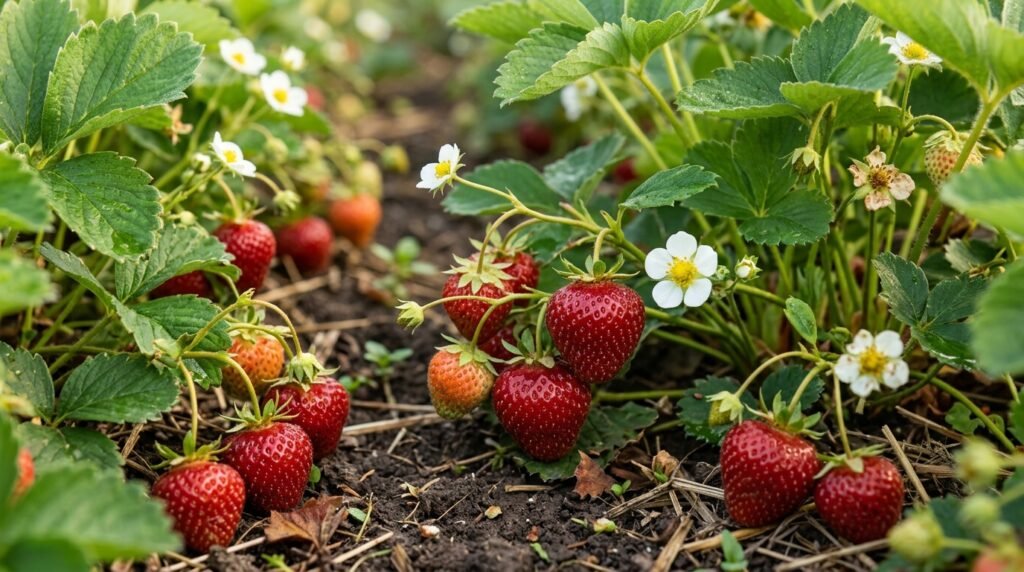
Seeing strawberries in supermarkets during winter can make the idea of a season confusing. Modern food systems move produce between growing regions throughout the year. When one area becomes too cold or hot for strong production, another region may have suitable weather. Greenhouses, protected growing systems, improved varieties, and large transportation networks can extend availability further. This means the answer to when is strawberry season is different from asking when strawberries are available at a store. Availability may last most or all of the year, while local peak harvest can be much shorter. Berries intended for long-distance shipping may also be selected and handled differently from fruit sold directly at a farm. That does not automatically make supermarket berries bad. It simply means seasonal local fruit and year-round commercial fruit can have different growing, picking, storage, and transportation journeys before reaching your kitchen.
When Do Strawberries Taste Best?
Flavor depends on much more than the month shown on a calendar. Variety, ripeness, sunlight, weather, soil, growing practices, and handling all affect taste. Strawberries do not continue ripening in the same way as some fruits after harvest, so picking them at good maturity matters. Fully colored berries harvested close to the time they are eaten can have excellent flavor. Local fruit may have an advantage because it can sometimes be picked riper and travel a shorter distance. However, local does not automatically mean sweeter. Poor weather or an unsuitable variety can still produce disappointing fruit. Look for berries with a strong red color appropriate to the variety, fresh green caps, and a pleasant strawberry aroma. Avoid fruit that is leaking, moldy, or badly crushed. Taste can also vary within the same container, especially when berries were picked at different stages of maturity.
June-Bearing Strawberries
June-bearing strawberries are known for producing one main crop during a relatively concentrated period. Despite the name, they do not always fruit in June. Warmer regions may harvest them earlier, while colder locations may harvest later. Day length and temperature influence their growth cycle. For home gardeners, June-bearing varieties can be useful when you want a large amount of fruit within a short time. This can be convenient for making jam, freezing berries, or preparing desserts. However, the concentrated crop also means harvest season may pass quickly. Plants commonly produce runners, which can create new plants and expand the strawberry bed. Gardeners should follow variety-specific and regional advice for planting and renovation. When researching when is strawberry season, knowing whether a farm grows June-bearing or other types can explain why one farm has a short harvest while another offers fruit for much longer.
Everbearing Strawberries
The name “everbearing” can sound like these plants produce berries continuously every day, but that is misleading. Everbearing strawberries generally produce more than one crop during the growing season. Depending on variety and climate, they may provide fruit during spring and again later. Production patterns are influenced by temperature and day length. Their longer harvest window can appeal to home gardeners who prefer smaller amounts of fresh fruit over time instead of one very large crop. However, yields, fruit size, and performance vary between varieties. Local growing conditions also make a major difference. A variety that performs well in one state may not be the best choice elsewhere. If you are planting a home strawberry patch, choose varieties recommended for your region. Local extension services and reputable nurseries can help you compare fruiting types and understand how they behave in your climate.
Day-Neutral Strawberries
Day-neutral strawberries can produce flowers and fruit across a longer season when temperatures remain suitable. Unlike June-bearing types, their flowering is less dependent on a specific day length. This makes them useful for growers seeking repeated harvests. They can produce berries from late spring into later parts of the growing season in suitable climates. Very hot weather may reduce production, so the harvest is not necessarily continuous. For home gardeners, day-neutral plants can be attractive because they provide fresh berries over a longer period. They may work well in garden beds, raised beds, and some container systems. Regular watering and suitable nutrition remain important because repeated fruiting requires plant energy. Day-neutral varieties also help explain why when is strawberry season does not have one simple answer. The type of strawberry being grown can change the length and timing of harvest even within the same garden.
How Weather Affects Strawberry Season
Weather can move harvest dates forward or backward from year to year. Warm spring temperatures may speed plant growth and fruit development. Cool conditions can slow ripening. Frost is especially concerning when plants are flowering because open blossoms can be damaged. Rain creates different challenges. Strawberries contain a lot of water and have delicate skin, so prolonged wet conditions can increase problems with fruit rot and disease. Heavy rain can also make ripe berries softer. Extreme heat may reduce fruit quality or slow production in some varieties. Farmers monitor these conditions closely because a few unusual weather events can affect an entire harvest period. For consumers, this means last year’s picking date may not be correct this year. Before visiting a farm, check its current updates. Growers know what is happening in their fields and can provide more accurate information than a general seasonal calendar.
How to Know When Strawberries Are Ready to Pick
A ripe strawberry should usually show good color across most or all of its surface, depending on the variety. Pale or green areas often indicate that the fruit was picked before reaching full maturity. Strawberries should feel firm but not hard. Very soft fruit may be overripe or damaged. Aroma is another useful clue. Ripe berries often have a noticeable sweet strawberry smell. When picking from a plant, handle fruit gently because it bruises easily. Follow farm instructions about where to hold or cut the stem. Do not squeeze the berry while removing it. Place picked fruit carefully into a shallow container rather than piling too much weight on top. If you are unsure about ripeness, ask farm staff. Different cultivars can have slightly different colors when mature, so appearance alone is not always a perfect guide.
Pick-Your-Own Strawberry Season
Visiting a pick-your-own farm can be one of the most enjoyable ways to experience strawberry season. Families can see where food grows and choose ripe fruit directly from the plants. However, picking dates can change quickly. A farm may open later after cool weather or temporarily close after heavy picking. Always check its website, social page, or phone updates before traveling. Early morning can be a comfortable time to pick because temperatures are cooler. Wear suitable shoes and follow farm rules. Bring containers if the farm requests them, or use the containers provided. Pick only ripe fruit and avoid damaging plants. Children should be supervised so they stay within designated rows. If you are wondering when is strawberry season specifically for pick-your-own farms, local growers are your best source because field conditions can change almost daily during peak harvest.
How to Choose Fresh Strawberries at the Store
Start by looking at the entire container rather than only the berries on top. Choose fruit that appears fresh, dry, and free from visible mold. Check the bottom for leaking juice or badly crushed berries. Fresh green caps can be a positive sign, although appearance naturally changes during storage. Berry size is not a reliable measure of sweetness. Small strawberries can be very flavorful, and large berries can also taste excellent. Variety and ripeness matter more. Strong color can be helpful, but exact shades differ between cultivars. If possible, smell the fruit. A pleasant strawberry aroma may suggest good maturity. Once you bring berries home, handle them gently. A single moldy or damaged berry can affect nearby fruit, so remove spoiled pieces quickly. Buy only as much as you expect to use before quality begins to decline.
How to Store Fresh Strawberries
Strawberries are delicate and can spoil quickly, especially when they are very ripe. Refrigerate them soon after purchase or picking unless you plan to eat them immediately. Keep damaged or moldy fruit away from healthy berries. In general, washing berries immediately before eating can help prevent unnecessary moisture during storage. Excess moisture can encourage faster spoilage. Store strawberries in a clean container that allows some airflow, following food-safety guidance appropriate for your refrigerator. Keep the green caps attached until you are ready to prepare the fruit. Before eating, rinse berries under clean running water and avoid using soap or household cleaners on produce. If you have more fruit than you can eat while fresh, freezing is a practical option. Proper storage will not make strawberries last forever, but it can reduce waste and help preserve their quality for longer.
How to Freeze Strawberries
Freezing is useful when seasonal berries are abundant. Start with fresh fruit that is free from mold and major damage. Rinse the berries under clean running water and dry them carefully. Remove the green caps and cut large berries if desired. For individually frozen pieces, arrange them in a single layer on a suitable tray and freeze until firm. Then transfer the frozen berries to a freezer-safe container or bag. This method helps prevent them from freezing into one solid block. Frozen strawberries become softer after thawing because ice crystals affect their structure. They may not have the same texture as fresh berries, but they work well in smoothies, sauces, baking, and cooked desserts. Label containers with the freezing date so older fruit is used first. Following good food-handling practices helps you enjoy a large seasonal harvest for months.
Growing Strawberries at Home
Homegrown strawberries can be rewarding because the fruit can travel from the plant to your kitchen in minutes. Start by choosing varieties suited to your climate. Strawberries generally need good sunlight for strong fruit production, although requirements vary with heat and region. Soil should drain well because roots do not perform well in constantly waterlogged conditions. Raised beds and containers can be useful where garden soil drains poorly. Plants also need consistent moisture during flowering and fruit development. Mulch can help keep berries away from wet soil and reduce weeds. Protect ripening fruit from pests using safe methods appropriate to your garden. If you are new to growing strawberries, local gardening resources can help with planting dates and recommended varieties. Regional advice is especially useful because climate strongly affects plant care and harvest timing.
When to Plant Strawberries
Planting time depends on climate and the growing system being used. In many cooler regions, strawberries are planted in spring once soil can be worked. In warmer climates, planting may occur in fall so plants can establish during mild winter weather and produce later. Commercial farms may use schedules that differ from home gardens. This is another reason general planting advice should be adapted locally. When deciding when is strawberry season for your own garden, remember that harvest timing begins with variety selection and planting time. Healthy plants need time to develop roots and crowns before producing a strong crop. Follow recommendations for your region rather than planting simply because strawberry plants appear at a store. Nurseries sometimes sell plants outside the ideal local window. A regional extension service or experienced local nursery can provide more reliable timing information.
What Makes a Good Strawberry-Growing Climate?
Strawberries generally perform well with plenty of light, suitable temperatures, consistent moisture, and good drainage. Exact needs vary between cultivars and production systems. Extreme heat can reduce flowering or fruit quality in some varieties. Severe cold can damage unprotected plants, although many cultivars can survive cold winters when properly dormant and protected. Spring frost is a special concern because flowers are more vulnerable than dormant plants. Humidity and frequent rain can increase disease pressure. This combination of factors explains why farmers carefully match varieties with local climate. Commercial growers may also use row covers, tunnels, irrigation, mulch, and other methods to manage growing conditions. Home gardeners can use simpler versions of some techniques. The best results usually come from choosing a variety already known to perform well in the region instead of trying to force an unsuitable variety into difficult conditions.
Are Seasonal Strawberries Better Than Winter Strawberries?
Seasonal local strawberries can have excellent flavor because shorter travel distances may allow fruit to be harvested closer to maturity. However, season alone does not guarantee quality. Variety, farm practices, weather, ripeness, storage, and handling all influence taste. Winter strawberries from a warmer growing region can still be fresh and enjoyable. They simply come from a different production cycle. Instead of treating one type as automatically superior, judge the fruit in front of you. Look for good color, fresh caps, firm texture, pleasant aroma, and no mold. If flavor matters most, try berries from several sources during your local peak season. Farmers markets and pick-your-own farms can offer varieties that may differ from those selected for long-distance shipping. Comparing them yourself is often the best way to discover which berries you prefer.
Ways to Enjoy Strawberries During Peak Season
Peak season is a good time to use strawberries in simple dishes because ripe fruit needs very little help. Add sliced berries to oatmeal, yogurt, pancakes, or cereal. Serve them with other fresh fruit or use them in salads. Strawberries can also be blended into smoothies or cooked into sauces. Classic desserts include strawberry shortcake, pies, cakes, and homemade ice cream. If you buy a large amount, make jam or freeze some for later. One practical approach is to separate your berries as soon as you get home. Eat the softest ripe berries first, refrigerate firmer fruit, and freeze any extra amount you cannot use soon. This simple habit can reduce food waste. Fresh seasonal produce is most enjoyable when you have a plan for using it before its quality declines.
Common Mistakes When Buying Strawberries
A common mistake is choosing berries only because they are very large. Size does not tell you how sweet or flavorful they will be. Another mistake is buying a container without checking the bottom. Mold, crushed fruit, and leaking juice can hide beneath attractive berries on top. People may also wash the entire package and store it while still wet, which can add unwanted moisture. Another misconception is that supermarket availability means local berries are also in season. When asking when is strawberry season, separate local harvest from year-round commercial availability. Finally, avoid buying far more fresh fruit than your household can eat. Strawberries have a short storage life compared with harder fruits. If you find a great seasonal price, freeze the extra berries or use them in cooked recipes instead of allowing them to spoil.
Frequently Asked Questions
When is strawberry season in the United States?
If you are wondering when is strawberry season in the United States, it depends strongly on location. In many temperate and northern regions, local strawberries peak during late spring and early summer, often around May and June. Warmer states can harvest much earlier. Florida, for example, has important winter and early-spring production. California’s different growing regions help supply strawberries across a much longer period. Weather can also shift harvest dates each year. For the most accurate local answer, check nearby farms, farmers markets, or your state’s agricultural extension resources. They can provide information that reflects your area’s climate and current growing conditions.
What month are strawberries usually the sweetest?
There is no single month that guarantees the sweetest strawberries everywhere. Fruit often has excellent flavor during a region’s peak local harvest, but sweetness depends on variety, ripeness, sunlight, weather, and growing conditions. In many cooler parts of the United States, late spring and early summer can bring flavorful local berries. In warmer regions, the best period may come months earlier. Instead of relying only on a calendar, look for ripe, fragrant fruit from a reliable grower. Trying berries from a farmers market or pick-your-own farm during local peak harvest can be a good way to find excellent flavor.
Why are strawberries available all year?
Commercial strawberries are grown in several regions with different climates and harvest schedules. When local outdoor plants are dormant in one area, farms in a warmer region may be actively harvesting. Large transportation networks then move berries to supermarkets across the country. Protected growing methods and varieties with longer fruiting periods can also extend production. As a result, store availability does not necessarily match local strawberry season. You can buy strawberries during winter in many places even though nearby farms will not produce fruit until spring or summer. The label or package may tell you where the berries were grown.
How long does strawberry season last?
The length depends on variety, climate, and production method. A traditional June-bearing crop may have a relatively short main harvest lasting only a few weeks. Day-neutral varieties can produce fruit over a much longer period when temperatures remain suitable. Commercial farms may also grow several varieties or use different planting dates to extend harvest. Weather can shorten or lengthen the season too. Heavy rain, heat, frost, or disease can affect how long quality fruit remains available. If you plan to visit a farm, check current harvest updates rather than assuming the season will last until a specific date.
Can I grow strawberries in containers?
Yes. Strawberries can grow successfully in containers when they receive enough light, suitable potting mix, good drainage, and regular water. Choose a container with drainage holes and enough room for the roots. Container soil can dry more quickly than garden soil, so check moisture often during warm weather. Avoid leaving roots constantly wet. Variety choice matters too. Some compact or day-neutral varieties can work well in containers. Local nurseries or extension resources can recommend options for your climate. Container plants may also need winter protection in cold areas because their roots are more exposed than plants growing in the ground.
Should strawberries be refrigerated?
Fresh strawberries usually keep better when refrigerated if they will not be eaten immediately. Remove any moldy or badly damaged berries so they do not affect the rest. Keep the fruit reasonably dry during storage and wash it under clean running water before eating. Strawberries are delicate, so even refrigerated fruit should be used fairly quickly. Very ripe local berries may have a shorter storage life because they were picked closer to full maturity. If you have more than you can eat, freezing is a simple way to preserve them for smoothies, sauces, baking, and other recipes.
Conclusion
So, when is strawberry season? In many temperate areas, the classic answer is spring through early summer, with May and June being important harvest months in many locations. Yet climate changes the answer dramatically. Florida can produce strawberries during winter, while cooler northern areas may wait until late spring or early summer. California’s growing regions help provide fruit over a much longer commercial season. Variety matters too. June-bearing strawberries create a concentrated harvest, while day-neutral and everbearing plants can extend fruit production. If you want the most accurate timing, check local farms rather than relying on one national date. Look for ripe, fragrant berries with fresh appearance, and handle them gently after purchase. Whether you pick them yourself, grow them at home, or find them at a market, strawberries are especially enjoyable when you understand how season, location, weather, and ripeness work together.