
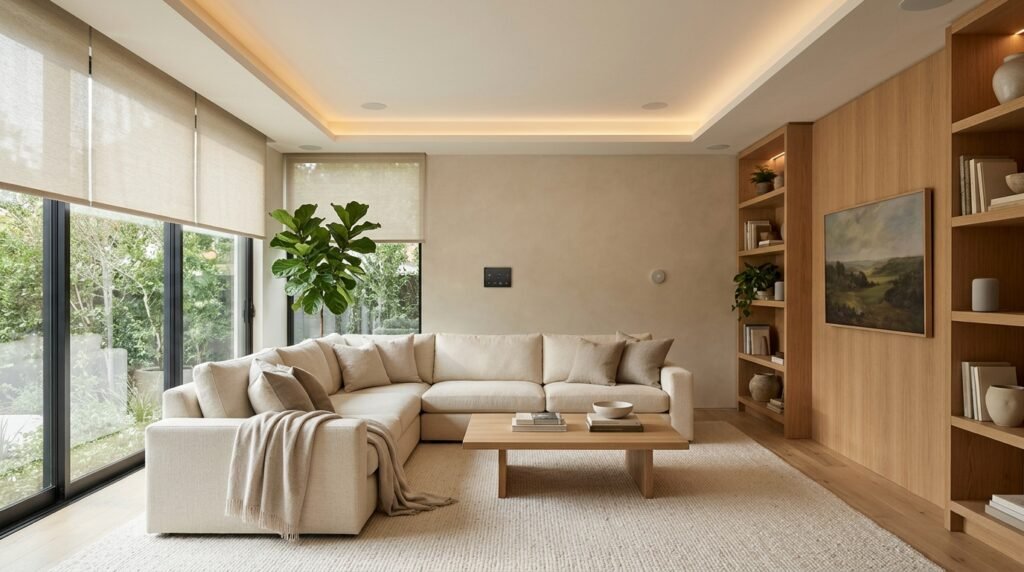
Decoradtech is a practical way to think about smart-home technology as part of interior design rather than as a collection of gadgets added after a room is finished. Current sites using the term describe a similar idea: connected lighting, climate controls, security devices, shades, speakers, and other technology should support comfort while fitting the look and layout of the home. Decorators Advise, for example, uses the term as a category for smart-home ideas and useful devices, while another current DecoratorAdvice page describes the concept as selecting and placing smart devices during the room-planning process. That distinction matters. A smart bulb, thermostat, sensor, or speaker is not automatically good design because it connects to an app. A stronger approach begins with a real household problem, checks compatibility and infrastructure, considers where equipment will sit, and keeps ordinary controls easy to use. The result should feel like a better home first and a connected home second. This article explains what the concept means, where it is useful, how to plan a system, and which design, technical, privacy, security, and maintenance issues deserve attention before buying devices.
What Does Decoradtech Mean?
The term combines the ideas of decoration and technology, although it is not an established architectural standard, technical certification, or single proprietary smart-home system. Current online sources use decoradtech to describe the integration of connected home technology with deliberate interior design. That can include smart lighting, thermostats, automated window treatments, locks, cameras, speakers, sensors, plugs, appliances, and centralized controls. The important difference is planning. Traditional decorating may treat technology as equipment added after furniture, finishes, and layouts have already been selected. A design-led smart-home approach considers power, network coverage, controls, cables, sensors, sightlines, furniture, and device locations earlier. This helps prevent a finished room from becoming crowded with visible adapters, hubs, wires, and unrelated screens. The concept is therefore more useful as a planning principle than as a specific style. A minimalist apartment, traditional family home, modern townhouse, or colorful interior can all use it differently because the technology should adapt to the space rather than determine its entire appearance.
Start With the Problem, Not the Smart Device
A reliable decoradtech plan begins by identifying recurring household problems. Buying technology first often creates features that are interesting during setup but rarely useful afterward. Consider what causes inconvenience each day. A dark hallway may benefit from gentle motion-activated lighting. A bedroom exposed to early sunlight may need automated blackout shades. An entrance used by several household members may benefit from carefully selected access controls. A room that overheats at certain times may need better shading or climate planning before another gadget is added. Write down the problems and rank them by frequency and impact. Then ask whether automation is actually the simplest answer. A better lamp, manual shade, improved storage system, or correctly positioned switch may solve some problems more reliably. Smart technology earns its place when it reduces repeated effort, improves useful control, provides valuable information, or handles a predictable routine. Starting with the problem also makes budgeting easier because money is directed toward functions the household will actually use instead of features chosen mainly because they are new.
Plan the Room Before Planning Automation
Furniture layout, doors, windows, circulation, outlets, fixed equipment, and daily activities should be understood before smart devices receive permanent locations. Decoradtech works poorly when a thermostat, wall control, camera, speaker, or sensor is placed wherever installation happens to be easiest. A wall-mounted control may be technically functional but awkward if furniture later blocks it. A motion sensor may behave poorly if its view does not match the activity it is supposed to detect. A speaker can create unnecessary visual clutter if no place was reserved for it. During a renovation, draw the room and mark fixed architectural features before deciding where connected equipment belongs. Existing homes can use the same process without construction. Walk through normal routines and notice which areas need lighting, charging, controls, connectivity, or monitoring. Also consider how the room may change later. Technology often has a shorter useful life than flooring, cabinetry, or built-in furniture. A good installation allows devices to be serviced or replaced without forcing the entire room to be redesigned.
Smart Lighting Works Best in Layers
Lighting is one of the easiest areas to understand because automation can improve both function and atmosphere. Decoradtech lighting should still follow basic lighting principles. General lighting provides broad visibility, task lighting supports activities such as cooking or reading, and accent lighting adds depth or highlights selected features. Smart controls can connect these layers through scenes and schedules. A morning scene might raise selected lights gradually. An evening setting can reduce brightness in living areas while keeping circulation routes visible. Motion control can make sense in closets, halls, utility rooms, and other spaces where hands-free operation is genuinely useful. The mistake is assuming every light needs complicated automation. Important fixtures should remain simple enough for household members and guests to operate. Physical controls are especially useful because phones are not always nearby and voice commands are not always convenient. Before changing switches or permanent electrical equipment, compatibility and installation requirements should be checked. The best smart lighting feels easier than ordinary lighting, not more demanding.
Climate Control Needs Compatibility Before Convenience
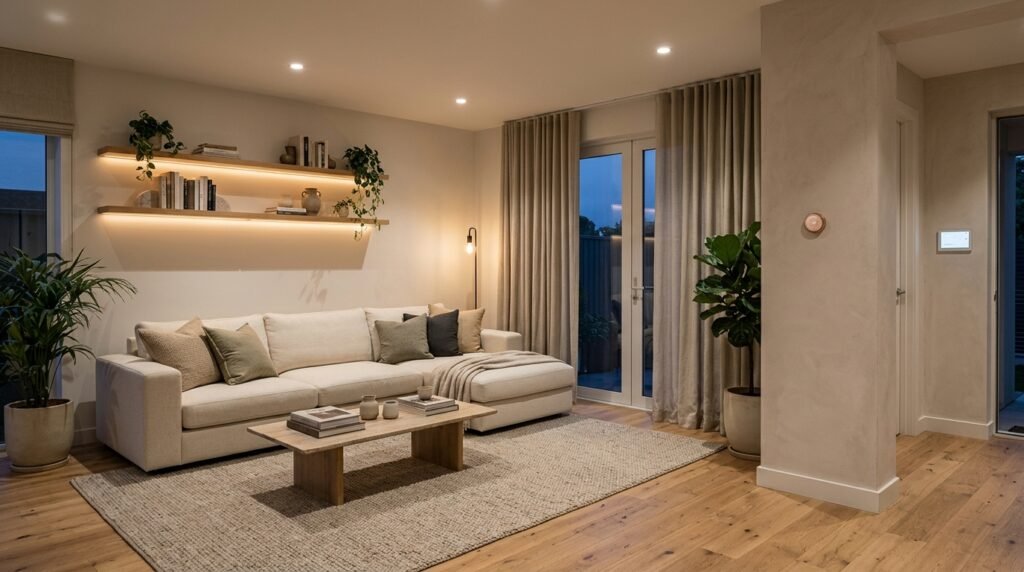
A connected thermostat can provide remote control, scheduling, occupancy-related features, and information about heating and cooling use, but the device must work correctly with the home’s HVAC equipment. Decoradtech planning should therefore treat thermostat compatibility as a technical requirement rather than a decorative decision. ENERGY STAR advises buyers to check compatibility before purchasing a smart thermostat, particularly where heating and cooling systems have more complex controls. ENERGY STAR-certified smart thermostats are independently certified using real-world field data to demonstrate energy savings, but that does not mean every household will receive identical results. Climate, equipment, occupancy, comfort preferences, and settings all affect actual performance. A smart thermostat can be useful when it reduces unnecessary heating or cooling while a home is empty or makes schedules easier to manage. It should not encourage constant adjustment merely because remote control is available. Wall position also affects the appearance of the room, but proper operation comes first. Complex HVAC systems or uncertain wiring may justify professional installation rather than trial-and-error replacement.
Automated Window Treatments Can Solve Several Problems
Window treatments influence privacy, daylight, glare, temperature, and the visual character of a room. This makes them a natural place for decoradtech when automation serves a clear need. Motorized shades can be helpful on tall or difficult-to-reach windows, in bedrooms requiring dependable blackout control, or in rooms that receive strong sunlight at predictable times. The design should begin with the window rather than the motor. Decide how much privacy and light control are needed, then choose a treatment style, fabric, color, and mounting method that suits the room. Automation can then support that plan. During major renovations, early planning may make it easier to conceal appropriate power and hardware. Retrofit options may suit existing homes where construction is undesirable. Scheduled operation can be useful, but residents should understand how to control the treatment manually or through another method if the preferred automation is unavailable. The goal is a window that looks intentional and works easily, not a visible collection of motors and controls.
Keep Entertainment Technology From Taking Over the Living Room
Televisions, streaming devices, speakers, routers, game systems, chargers, remotes, and cables can quickly become the dominant visual elements in a living space. A decoradtech approach treats these items as part of the furniture and storage plan. Decide where equipment will sit before selecting a media unit. Provide sensible cable routes and enough access to connect, reset, clean, and eventually replace devices. Equipment that produces heat should not be sealed into decorative cabinetry without considering ventilation requirements. Wireless equipment also needs suitable placement because hiding it behind dense materials can affect connectivity. Speakers can be integrated visually without forcing them into locations that undermine their performance. A simple entertainment scene may coordinate selected lights and shades, but automation should not make ordinary television use dependent on a long chain of commands. Keep frequently used controls understandable. Good integration reduces visual noise while preserving service access. Technology can be discreet, but hiding it should never mean making it impossible to maintain.
A Smart Kitchen Should Prioritize Useful Tasks
Kitchens already contain appliances, lighting, electrical equipment, plumbing, storage, tools, and busy work surfaces. Adding unnecessary screens and connected accessories can make them more complicated rather than smarter. Decoradtech is more valuable here when it supports real tasks. Strong under-cabinet lighting can improve visibility while remaining visually subtle. Timers and voice controls can be convenient when hands are occupied. Leak sensors near suitable water-risk areas can provide useful alerts, although they do not replace plumbing maintenance. Charging can be planned in a dedicated location instead of allowing cables to cover worktops. Connected appliances may offer useful functions, but buyers should judge those functions individually rather than assuming connectivity itself is a benefit. Permanently installed electrical or plumbing equipment must still follow manufacturer requirements and applicable local rules. During a kitchen renovation, planning power, lighting, networking, storage, and appliance locations early usually produces a cleaner result than adding devices after cabinetry and finishes are complete.
Bedrooms Need Less Technology, Not More
The bedroom should support rest, privacy, and simple routines. That makes restraint especially important with decoradtech. Useful features may include dimmable lighting, automated blackout shades, simple temperature schedules, discreet charging, and a bedtime routine that turns off selected devices. Low-level lighting can help with nighttime movement without filling the room with bright overhead light. Charging areas can be incorporated into bedside furniture or another convenient location to reduce cable clutter. Connected devices with bright displays or status lights should be positioned carefully. Privacy also deserves greater attention in bedrooms than in many shared areas. Cameras generally have little place in a private sleeping area unless there is a specific legitimate need, and microphone-equipped devices should be used with an understanding of their settings and data practices. More automation is not automatically better. If the bedroom produces constant notifications, requires troubleshooting, or encourages more screen use, the technology may be working against the purpose of the space.
Bathrooms Put Safety Ahead of Smart Features
Bathrooms can include connected mirrors, lighting, ventilation controls, leak sensors, speakers, heated surfaces, and other technology, but water and electricity make product suitability and installation especially important. Decoradtech should never turn a decorative idea into unsafe DIY electrical work. Equipment must be suitable for its intended location, and permanent electrical installations need to follow applicable requirements and manufacturer instructions. During a renovation, lighting, ventilation, plumbing, waterproofing, storage, and electrical planning should be coordinated before decorative smart features are selected. A leak sensor can provide an early warning, but it cannot compensate for poor waterproofing or neglected plumbing. Automated ventilation may be useful when it helps an appropriate system operate consistently. Smart mirrors or lighting can add convenience, but their value depends on how the bathroom is actually used. The best technology remains visually quiet and easy to maintain. If installation requirements are unclear, qualified professional guidance is more appropriate than assuming a device is safe because it is marketed for home use.
Network Quality Is Part of Smart Home Design
Connected devices depend on communication, making network planning one of the least visible but most important parts of decoradtech. NIST notes that consumer-grade router cybersecurity has become increasingly important as smart-home IoT devices rely on home routers for internet connectivity. Reliability matters alongside security. Thick walls, distance, interference, multiple floors, router placement, and building materials can all affect wireless coverage. A device with excellent features can still become frustrating if it disconnects frequently. Large or difficult layouts may need a carefully planned mesh network or access points, while fixed high-bandwidth equipment can benefit from wired connections where practical. Renovations provide an opportunity to consider network cabling before finished surfaces are closed, but even existing homes can improve performance by placing network equipment thoughtfully. Do not hide routers or access points solely for appearance if the location weakens coverage or traps heat. Network hardware also needs access for updates, troubleshooting, resets, and replacement. A smart home depends on infrastructure that is usually noticed only when it fails.
Matter Can Reduce Some Compatibility Problems
Compatibility is one of the most confusing parts of connected-home planning. The Connectivity Standards Alliance describes Matter as an IP-based standard intended to improve interoperability among compatible smart-home devices and systems. Decoradtech can benefit from this because homeowners are less likely to want a separate control experience for every light, sensor, plug, shade, and lock. Matter supports the broader goal of making devices from multiple participating brands work together, but buyers should not assume that every smart device supports it or that every feature is identical across platforms. Product category, certification, software support, ecosystem implementation, and individual features still need to be checked. Older devices may also depend on existing technologies or compatible bridges. Before buying, decide which control platform will handle the most important household functions. Then check each planned device against that system. Compatibility research may feel less exciting than selecting hardware, but it prevents one of the most common smart-home frustrations: owning several capable products that do not cooperate in the way the household expected.
Physical Controls Still Matter
Voice assistants and phone apps are useful, but neither should be the only practical way to operate essential household functions. Good decoradtech keeps familiar controls available where they make sense. A visitor should be able to turn on a main light without learning a voice command. A child or older family member should not need access to an administrator account for ordinary room functions. A phone with a dead battery should not make basic lighting unusable. Physical switches, buttons, thermostats, and other direct controls provide an important layer of simplicity. Voice commands work best for short predictable actions, such as turning off a group of lights or activating a known scene. Apps are useful for configuration, remote access, schedules, and less frequent settings. Wall controls can provide fast access to common functions. The best interface depends on the activity. Instead of trying to force every task through one control method, design overlapping options so the house remains understandable during internet problems, service interruptions, or ordinary human forgetfulness.
Privacy and Cybersecurity Belong in the Design Plan
Smart-home products can involve accounts, cloud services, sensors, microphones, cameras, software updates, and network access, so security cannot be separated from design. NIST’s IoT cybersecurity work emphasizes the need for manufacturers to provide cybersecurity capabilities, maintenance information, support, and clear communication across a product’s life cycle. For homeowners, decoradtech should include basic security habits from the beginning. Use strong, unique account credentials and enable multi-factor authentication where it is offered. Install security and firmware updates rather than ignoring them indefinitely. Review device permissions and understand what information a product collects. Cameras require especially thoughtful placement because they may capture household members, guests, neighbors, or public areas. Consider what happens to recordings and whether cloud services or subscriptions are required. Product support also matters. A device that loses manufacturer support may continue working physically while becoming a weaker long-term choice. Security is not visible in a styled room, but it is part of whether that room’s technology remains responsible and useful.
Smart Entryways Should Be Simple and Dependable
The entrance is a logical location for connected technology because access, lighting, deliveries, and security meet in one small area. Decoradtech may include a compatible smart lock, entry sensor, video doorbell, exterior lighting, or a simple arrival routine. These features should be selected according to actual needs rather than installed as a package by default. A household that regularly provides temporary access may value a connected lock more than one whose entry routine rarely changes. A video doorbell can provide useful awareness, but camera position should be chosen with privacy in mind. Connected locks also need clear backup and power arrangements appropriate to the product. From a design perspective, visible devices should relate to the door hardware, finishes, and architecture instead of looking randomly attached. Avoid placing several overlapping sensors and cameras where one suitable device can perform the required task. The entry should remain easy for authorized people to use even when an app, internet service, or automation is unavailable.
Home Offices Need Technology That Reduces Distraction
A connected home office can improve comfort and organization, but it can also become a collection of screens, chargers, notifications, and cables. Decoradtech is most effective in a workspace when it supports focus. Begin with reliable task lighting and comfortable general illumination. A lighting scene can make transitions between computer work, reading, and video calls easier. Cable management should be planned around monitors, docks, chargers, lamps, network connections, and other equipment. Frequently used controls belong within easy reach. Acoustic treatment may improve the room where sound reflections are a problem, while curtains, rugs, upholstered furniture, or purpose-designed treatments can contribute depending on the space. Smart plugs or routines can control suitable nonessential equipment, but critical computer systems should be managed according to their own power requirements. Automation should remove repeated minor tasks instead of generating more alerts. A good workspace feels organized when the technology is operating and remains functional when automation is ignored.
Energy Features Need Evidence, Not Assumptions
A product described as smart is not automatically energy efficient. Decoradtech should distinguish convenience features from demonstrated energy performance. Smart plugs can provide scheduling or monitoring, but savings depend on the equipment connected to them and how it is used. Lighting controls can reduce unnecessary operation when schedules or occupancy features match household behavior, but they cannot make poor lighting design good. Thermostats are a clearer example of why evidence matters. ENERGY STAR states that certified smart thermostats are independently certified using actual field data to deliver energy savings. Buyers should still confirm HVAC compatibility and choose features suited to their routines. Energy monitoring can also be useful when the information leads to a practical change. Data that nobody reviews provides little benefit. Rather than assuming every connected product will lower bills, identify the major energy uses in the home, choose suitable interventions, and judge claims using reliable certification or technical information where available.
Build the System in Phases
Trying to automate an entire home at once can make setup, troubleshooting, and budgeting unnecessarily difficult. A phased decoradtech project gives residents time to discover which features genuinely help. Begin with one high-value problem. Lighting may be a sensible starting point if inconvenient controls affect several rooms. Climate control may deserve priority where heating or cooling is a major concern and compatible equipment is available. Entry technology may come first where access management is the recurring issue. Use the first phase long enough to understand its strengths and annoyances. Then refine routines before adding another category. During renovation, infrastructure can still be planned for future needs even when every device is not purchased immediately. Suitable outlets, cable routes, network access, equipment locations, and service access can preserve flexibility. Phased installation also makes faults easier to isolate because fewer new components are introduced together. A small reliable system that residents understand is usually more valuable than a large installation filled with unused automations.
Plan for Updates, Maintenance, and Replacement
Connected devices do not remain unchanged for the life of a house. Batteries run down, apps change, software needs updates, hardware fails, standards evolve, and manufacturers may eventually end support. Decoradtech therefore needs a maintenance plan just as ordinary home equipment does. Keep important hubs, power supplies, controllers, and network equipment accessible. Label cables where several connections meet. Record model information and installation locations. Store account and recovery information securely. Avoid building short-life electronics permanently into expensive cabinetry unless replacement access has been considered. NIST’s current IoT guidance places increased emphasis on maintenance, support, and product end-of-life, which reflects a practical long-term issue for connected homes. A device can still turn on while no longer receiving the security or software support expected when it was purchased. Before buying, look beyond the feature list and consider the manufacturer’s support information. Future-proof design is less about predicting the next technology and more about making today’s technology easy to remove or replace.
Common Mistakes That Make Smart Homes Less Useful
The most common problems come from poor planning rather than a lack of devices. Decoradtech fails when technology is purchased before the household decides what it needs. Other mistakes include mixing incompatible platforms without checking how they will communicate, removing familiar controls, relying on weak network coverage, hiding equipment where it overheats, creating too many notifications, and installing cameras without enough attention to privacy. Visual clutter is another warning sign. Several small hubs, visible adapters, cables, chargers, and screens can make a carefully decorated room feel unfinished. Over-automation can be equally frustrating. A light that switches off while someone is still using a room is not smarter than a normal switch. Complicated routines with many dependencies can also become difficult to diagnose. Before adding a device, ask what problem it solves, how it will be controlled, what happens when connectivity fails, what other equipment it requires, how it receives updates, and how it will eventually be replaced. If those answers are unclear, delaying the purchase may be the better design decision.
FAQs
Is Decoradtech a brand or a type of interior design?
Decoradtech is used online more as a concept or content category connecting home decoration with smart-home technology than as a universally recognized interior-design style or technical standard. Several current websites use the name, so readers should check the specific source they are viewing rather than assuming every site or claim comes from one company.
What devices can fit into a design-led smart home?
Common options include smart lighting, thermostats, plugs, shades, locks, doorbells, cameras, speakers, sensors, energy monitors, and selected connected appliances. The right devices depend on the home’s problems, network, existing systems, privacy needs, budget, and preferred control platform.
Does every smart home need Matter devices?
No. Matter can improve interoperability among supported products and ecosystems, but many useful devices use other technologies. Check the exact product, supported features, platform compatibility, and any required hub or bridge instead of choosing solely by the presence or absence of one protocol.
Can renters use smart home technology?
Many plug-in or battery-powered devices can be suitable for renters because they may not require permanent building changes. Hardwired switches, thermostats, locks, cameras, and doorbells can be different. Renters should check their lease, building rules, installation requirements, and permission needs before altering existing fixtures or equipment.
Is smart-home technology always energy saving?
No. Connectivity alone does not guarantee lower energy use. Savings depend on the device, equipment being controlled, settings, climate, occupancy, and household behavior. Where energy performance matters, look for credible certification or evidence rather than assuming that the word “smart” means efficient.
What is the best first smart-home upgrade?
There is no universal first device. Start with the most frequent problem in the home. That may be inconvenient lighting, climate control, entry access, glare from windows, or another repeated task. Check compatibility and installation requirements before buying, then evaluate the first change before expanding the system.
Conclusion
Decoradtech makes the most sense as a design-first approach to connected living. It is not about filling every room with gadgets or making simple household tasks dependent on apps. The stronger idea is to choose technology only where it solves a clear problem and then integrate it thoughtfully with the room, infrastructure, and routines. Lighting should remain easy to control. Thermostats must match HVAC equipment. Automated shades should work with the window design. Cameras and connected devices require privacy and security planning. Network equipment needs good placement and service access. Matter can improve compatibility in supported products, but individual features still need checking. Long-term maintenance matters because connected hardware, software, and manufacturer support can change. Starting with one useful upgrade, learning from it, and expanding gradually creates a more dependable system than buying everything at once. The final measure of success is not how much technology a home contains. It is how naturally that technology improves comfort, control, and everyday life.


