Soundproof windows cost roughly $300 to $2,000 or more per window installed in many US pricing guides, depending on the solution, window size, glass design, and labor. Some specialist acoustic systems can cost more. A basic window insert may cost far less than replacing the complete window and frame. The right choice depends on the noise entering the room, the condition of the existing window, and the level of quiet you want. Traffic, aircraft, construction, barking dogs, and loud neighbors do not all create the same sound problems. That is why the cheapest option is not always the most useful. This article explains soundproof windows cost by method, glass type, installation, and project size. It also covers acoustic ratings, hidden expenses, and ways to compare contractor quotes. Prices are broad US estimates, not a guaranteed quote for every location.
Average Soundproof Window Prices
Published cost estimates vary because some sources include only glass, while others include the frame and installation. HomeAdvisor and Angi report a broad range of about $300 to $1,500 per window, with an estimated average near $900. HomeGuide gives a higher possible range of $550 to $2,000 for a complete installed unit. These figures are useful planning references, not fixed market prices. Home Advisor+2 A small insert fitted inside a sound window frame may cost much less than a custom replacement. A large bay window, unusual shape, or upper-floor opening can cost more. Ask whether a quote covers the product, glass, frame, removal, disposal, installation, interior trim, exterior finishing, and taxes. Without that breakdown, two quotes may look different even when they cover similar work. For a simple first estimate, multiply the expected per-window price by the number of openings. Then add a separate allowance for repairs, access problems, and finishing work. This gives a more realistic starting budget than relying on one advertised average.
Soundproof Window Cost by Solution Type
The method you choose has a major effect on the final bill. Basic sealing is usually the least expensive option, but it only addresses certain noise paths. Inserts and secondary glazing add another barrier without always requiring the original window to be removed. Full replacement costs more because the contractor may remove the existing unit, prepare the opening, fit a new frame, and finish the surrounding wall. Specialist acoustic systems are designed for demanding noise conditions and may require custom measurements. HomeGuide lists alternative soundproofing methods at roughly $15 to $500 per window, glass-only replacement at about $450 to $1,500, and complete replacement at about $550 to $2,000. HomeGuide These ranges overlap because window dimensions, product quality, labor, and local pricing vary. Treat them as broad US planning figures rather than guaranteed prices.
Basic Sealing and Weatherstripping
Sealing gaps is often the first step when a window rattles, whistles, or lets outside air through. Weatherstripping closes gaps around moving sashes, while suitable caulk seals fixed joints. These products are relatively inexpensive compared with replacing a complete window. However, they do not turn thin glass into acoustic glass. They also cannot correct every weak point in an old or poorly fitted frame. The US Department of Energy explains that air leakage depends on the quality and condition of window seals and weatherstripping. Department of Energy+1 If noise enters through a visible gap, sealing may improve comfort. If traffic noise passes through the glass itself, a larger upgrade may be needed. Check that the window can still open, close, lock, and drain as intended after any repair.
Soundproof Window Inserts
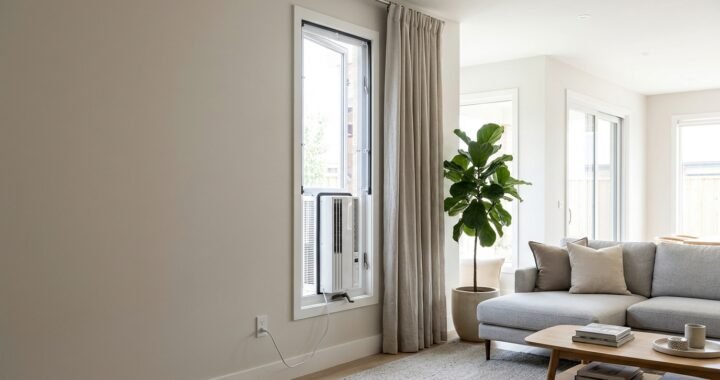
A window insert is an additional panel fitted inside the existing window opening. It creates another barrier between the room and the outdoor environment. Some inserts are designed to be removable, which can help renters or owners who want to keep original windows. HomeGuide places many insert and other alternative solutions within its broad lower-cost category, while HomeAdvisor lists inserts around $250 to $500 per window. Home Advisor+1 Actual prices depend on panel size, frame design, materials, and the quality of the seal. An insert may be suitable when the original frame is sound and the opening is reasonably square. It is less useful if the existing window has water damage, loose hardware, or major air leaks that remain untreated. Ask the supplier for tested acoustic performance for the complete insert system, not just the panel material.
Secondary Glazing
Secondary glazing adds a separate window layer to the inside or outside of an existing window. Unlike a simple removable insert, it may be designed as a more permanent installation. The space between the two layers can help reduce sound transmission when the system is properly designed and sealed. It can be useful in older buildings where original windows need to remain in place. The final price depends on the size of the opening, frame design, access, ventilation needs, and installation detail. A contractor should explain how the new layer will open for cleaning and maintenance. They should also check condensation risks and the condition of the original frame. Do not assume that every second layer gives the same result. The gap, glass type, frame, seals, and overall construction all affect performance.
Full Window Replacement
Full replacement means removing the existing window and installing a new unit. It may be the better choice when frames are damaged, seals have failed, or the current design cannot support the required upgrade. HomeAdvisor lists double-pane replacement windows at roughly $350 to $850 and triple-pane options at about $400 to $3,540 per window, including installation in its cost guide. Home Advisor These are broad figures, and a specialist acoustic unit may sit outside the lower part of those ranges. The quote should state whether it uses a full-frame or insert-style replacement. Full-frame work can involve more removal and finishing. A replacement that leaves a damaged or poorly sealed opening untouched may not deliver the expected result. Ask the installer how the new unit will be sealed and flashed against water entry.
Specialist Acoustic Windows
Specialist acoustic windows use combinations of glass thickness, laminated layers, air spaces, and frame construction to reduce sound transmission. They are usually considered when ordinary upgrades do not meet the required level of comfort. Some products are made to order, so the price depends on the opening and the required acoustic rating. A high-performance system may also need a separate secondary pane or specially designed frame. These products should be selected using tested performance data for the complete window assembly. Do not pay extra for a product described as “soundproof” without asking for its test rating and configuration. The sound reduction of a complete window depends on more than the glass alone. The frame, seals, installation, and surrounding wall can all affect the result.
What Affects the Final Price?
Several details can move a project well above or below a broad average. The window’s width and height affect the amount of glass and frame material required. Shape matters too: a standard rectangle is usually simpler than a curved, arched, angled, or bay window. Frame condition can add repair work before installation begins. A window on an upper floor may need special access equipment or extra labor. Local labor rates and the availability of acoustic products also influence the estimate. The total soundproof windows cost can therefore differ sharply between two homes with the same number of windows. One home may need only a few inserts, while another may need custom replacement units and frame repairs. Ask the contractor to inspect each opening rather than pricing the entire home from a rough window count.
Window Size, Shape, and Quantity
Large windows need more material and may be harder to handle safely. Wide picture windows, sliding glass units, and bay windows can require more than one installer. Unusual shapes may need custom glass and frames. Ordering several windows together may reduce some repeated setup or delivery costs, but a discount is not guaranteed. Each opening still needs accurate measurement and suitable installation. When requesting a quote, provide the number of windows and their approximate dimensions. Tell the contractor which ones are fixed and which ones open. This helps them understand the hardware and ventilation needs. A room with one large window may have a different price from a room with three small windows, even if the total glass area is similar.
Frame Material and Condition
Common frame materials include vinyl, wood, aluminum, and fiberglass. Each has different costs, maintenance needs, and design limits. The best choice depends on the building, climate, appearance, and selected glass system. An existing frame may be reusable if it is sound, square, dry, and able to hold the new glazing securely. Rotten wood, corrosion, loose joints, or damaged seals can make reuse unsuitable. Repairing the frame may add labor and materials. Replacing it can increase the project cost but may prevent future problems. Ask whether the contractor has inspected the sill, jambs, and surrounding wall. A quote that ignores visible damage may not include the work needed for a lasting installation.
Glass Specification
Glass is one of the main parts of an acoustic window system. Options include standard double glazing, triple glazing, laminated glass, and combinations of different glass thicknesses. Laminated glass contains layers bonded together with an interlayer. This construction can help reduce some sound transmission, depending on the full design. Thicker glass alone does not guarantee the best result for every noise type. Different pane thicknesses and air spaces can change how a window responds to sound. Ask for the complete glass build-up in writing. The quote should identify each pane, its thickness, any laminated layer, and the gap between panes. If a supplier only says “premium acoustic glass,” request the product data sheet and tested rating.
Labor and Installation Access
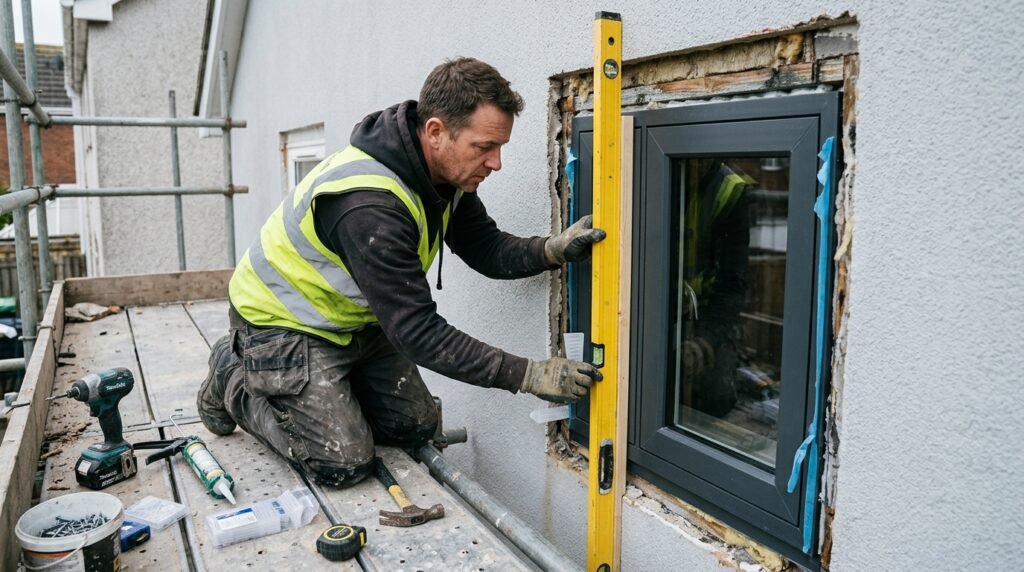
Installation labor includes more than placing a new window in an opening. Workers may need to remove old trim, take out the existing unit, prepare the frame, seal the opening, fit the replacement, and restore interior or exterior finishes. Upper floors, narrow access, heavy glass, and unusual window shapes can make the work more complex. HomeAdvisor and Angi both identify labor and accessibility as factors that affect project prices. Home Advisor+1 Ask whether the quote includes removal and disposal of the old unit. Confirm whether painting, plaster repair, trim replacement, and exterior sealing are included. These details can explain why one contractor’s estimate is higher than another’s.
Double-Pane, Triple-Pane, and Laminated Glass
These glass types are not interchangeable, and the most expensive option is not automatically the quietest. Double-pane windows have two panes separated by a sealed space. Triple-pane windows add another pane and another cavity. Laminated glass uses a bonded interlayer between glass sheets. Each design has different thermal, acoustic, weight, and cost characteristics. A standard energy-efficient window may improve comfort but still provide limited protection against a particular noise source. The best specification depends on the sound frequencies, frame design, and tested performance of the complete unit. Compare actual ratings rather than choosing by pane count alone.
Double-Pane Windows
Double-pane windows are common in residential buildings because they can improve insulation compared with basic single-pane glass. Their acoustic performance depends on glass thickness, cavity width, frame construction, seals, and installation. Two panes of similar thickness may behave differently from a system with different pane thicknesses. A standard double-pane unit should not automatically be described as a dedicated acoustic window. HomeAdvisor lists a broad installed price range of around $350 to $850 for double-pane windows. Home Advisor The actual quote may be higher for custom sizes or specialist glazing. If the main concern is road noise, ask for a tested outdoor-noise rating rather than relying only on the fact that the window has two panes.
Triple-Pane Windows
Triple-pane windows use three panes with two sealed spaces. They are often chosen for thermal performance, but their sound control depends on the glass and frame design. Adding a pane does not guarantee a large improvement against every type of noise. The extra weight may also affect the frame, hinges, and opening hardware. HomeAdvisor lists triple-pane installed costs from about $400 to $3,540 per window, showing how much specifications and project conditions can change the price. Home Advisor Before choosing this option, compare it with a well-designed laminated or secondary-glazing system. Ask for the tested acoustic data and check that the frame is rated for the finished unit’s weight.
Laminated Acoustic Glass
Laminated glass joins glass layers with a bonded interlayer. Acoustic versions are designed to reduce vibration and sound transmission through the glazing. The actual result depends on the interlayer, pane thicknesses, cavity, frame, and installation. Some suppliers offer laminated glass as an upgrade within a standard window range. Others provide complete acoustic window systems. HomeGuide lists acoustic and laminated glass among the more specialized glass choices, with prices varying by specification. HomeGuide Request the precise product description rather than accepting “laminated” as enough information. Ordinary safety laminated glass and specialist acoustic laminated glass should not be assumed to have identical sound performance.
Understanding STC and OITC Ratings
Acoustic ratings help buyers compare products, but they need to be read correctly. STC means Sound Transmission Class. It is commonly used to describe how well a building element reduces airborne sound, especially speech and other mid-to-high frequency noise. OITC means Outdoor-Indoor Transmission Class. It is designed to assess sound transmission from outdoor sources and gives more attention to lower-frequency noise. The Fenestration and Glazing Industry Alliance explains the purpose and differences between these two classifications in its technical guidance. FGIA+1 If traffic, buses, or aircraft are the main problem, ask for OITC data as well as STC. A high STC number alone may not tell the full story for outdoor noise. Ratings should apply to the complete window assembly, not an isolated piece of glass.
A contractor should be able to explain what rating is being quoted and how it was tested. Ask whether the rating applies to the exact frame and glass combination being offered. A different frame or glass thickness may change the result. Also ask whether the data comes from a recognized laboratory test or a general product claim. Do not compare ratings from unrelated test methods as if they were identical. If a supplier promises a specific indoor noise level, ask how they measured the existing sound and how they calculated the expected result. Outdoor noise changes with distance, weather, traffic volume, building shape, and other openings. No window rating can guarantee silence in every room.
Which Soundproofing Option Suits Different Noise Problems?
The best upgrade depends on what you hear and where the sound enters. High-pitched voices, music, traffic rumble, and aircraft noise have different sound patterns. A window that helps with speech may not provide the same benefit against low-frequency engine noise. First, identify whether the sound is coming through the glass, around the frame, through the wall, or through another opening. A simple inspection can reveal loose seals, gaps, rattling hardware, or damaged glazing. If the entire wall vibrates, replacing the window alone may not solve the problem. A specialist can help identify the main sound path before money is spent.
Road Traffic and Busy Streets
Road noise often includes a mix of engine sound, tire noise, horns, and heavy vehicle rumble. The best option depends on the distance from the road and the type of traffic. Sealing obvious gaps may help if air leakage is part of the problem. For stronger noise, compare laminated glazing, acoustic inserts, and secondary glazing. Ask for OITC performance because it is more relevant to many outdoor noise sources. Also inspect trickle vents, wall vents, and gaps around the frame. A high-performing window cannot block sound that enters through an open vent or poorly sealed wall joint.
Aircraft and Low-Frequency Noise
Aircraft noise can include strong low-frequency components. This makes product selection more demanding than simply choosing the thickest glass. Ask an acoustic window supplier to review the noise source and provide test data suited to outdoor sound. A larger air space or a separate secondary layer may be considered, depending on the building and design. However, the result also depends on the roof, walls, doors, and ventilation openings. If the home is close to an airport, a room-by-room acoustic assessment may be more useful than replacing every window at once.
Neighbors, Voices, and Music
Speech and music can enter through gaps, thin glazing, and weak frames. Start by checking seals and the condition of the window sash. If the window is in good shape, an insert or upgraded glazing may be enough. If the glass is thin and the frame is loose, replacement may be more suitable. Ask whether the system has tested STC performance. Remember that sound can also travel through shared walls, ceilings, floors, and doors. If voices remain clear after the window upgrade, another part of the room may be the main path.
Can You Soundproof Existing Windows for Less?
Yes. In many homes, a targeted upgrade costs less than replacing every window. The first step is to find the actual weakness. Check for worn weatherstripping, gaps between the frame and wall, loose latches, and cracked seals. Replace damaged weatherstripping with a product suited to the window type. Use a compatible sealant only on fixed joints where sealing is appropriate. The US Department of Energy’s building guidance describes sealing rough openings with suitable caulk, low-expansion foam, or backer rod, while noting that materials must suit the joint. Building Science Education+1 Do not seal drainage paths or moving parts that need to operate. If the glass itself is the weak point, consider an insert or glass replacement instead of spending money on curtains alone.
Weatherstripping and Acoustic Caulk
Weatherstripping is designed for joints that move, such as the edges of an opening sash. Acoustic or other suitable sealants may be used on fixed joints, depending on the product and location. The right material must work with the frame and surrounding surface. A seal that peels away, cracks, or blocks drainage can create new problems. Remove loose or failed material before applying a replacement. Follow the sealant manufacturer’s instructions for surface preparation, application temperature, and curing time. If the window is old or damaged, have it inspected before attempting a repair.
Heavy Curtains and Window Coverings
Heavy curtains can soften room sound and reduce some noise entering through a window. They are usually easier to install than replacement glazing. However, curtains do not create an airtight barrier, and they are not a substitute for a properly sealed acoustic window. Their performance depends on fabric, weight, coverage, and how closely they fit around the opening. They can also block daylight and may cover heating or cooling equipment. Consider them a comfort measure or an added layer, not a guaranteed soundproofing solution.
Removable Panels and Inserts
Removable panels can suit renters, temporary rooms, or properties where original windows should remain untouched. They may also be useful for seasonal noise problems. Check how the panel attaches and whether it creates a continuous seal. Ask how easily it can be removed for cleaning, ventilation, and emergency access. A poorly fitted panel may leave gaps around its edges. Before buying, confirm the dimensions and return policy. If the window is not square, a custom panel may be needed.
Installation Quality Can Make or Break the Result
Even a well-designed acoustic window can disappoint if it is installed poorly. Small gaps around the frame can allow air and sound to pass through. The opening should be measured accurately, and the frame should be fitted according to the manufacturer’s instructions. The contractor should check that the unit is level, square, secure, and properly sealed. They should also protect the wall from water entry. The Department of Energy’s Building Science Education resources explain that window openings need proper air sealing and flashing to manage leakage and water. Building Science Education+1 Ask the installer how they will handle the gap between the new frame and the rough opening. A simple bead of visible caulk may not be a complete installation plan.
Extra Costs to Include in Your Budget
The product price is only one part of a window project. Removing old windows can create disposal costs. Damaged frames may need repair or replacement. Interior trim, drywall, plaster, paint, siding, and exterior sealant may need attention after installation. Custom shapes, large glass panels, and upper-floor access can add labor. Some structural changes may require permits, depending on local rules and the work involved. Do not assume a permit is always required or never required. Ask the local building department or contractor to confirm. If the project changes the opening size or affects a protected exterior, additional approvals may apply. The soundproof windows cost estimate should list these items separately so you can see what is included.
A written quote should also explain the payment schedule, product lead time, installation dates, and warranty coverage. Check whether the warranty covers the glass unit, frame, hardware, and labor. These may have different terms. Ask who handles service if condensation appears between panes or a seal fails. Confirm whether the installer is responsible for correcting leaks caused by the installation. Keep product labels, order details, and warranty documents after the work is complete. This information can help if you need repairs or replacement parts later.
How to Compare Contractor Quotes
Request at least two or three detailed estimates when practical. Give each contractor the same window measurements and describe the same noise problem. Ask them to quote the same type of work so the prices are comparable. One estimate may include full-frame replacement, while another may include only glass replacement. Those are not equal services. Compare the glass specification, frame material, acoustic ratings, installation method, and finishing work. Ask whether the rating belongs to the complete window or only the glass. Request references or examples of similar projects where possible. A low quote is not automatically poor, and a high quote is not automatically better. Look for clear scope, relevant experience, product documentation, and a realistic explanation of what the system can achieve.
Questions to Ask Before Accepting an Estimate
Ask which noise problem the proposed window is designed to address. Ask for its STC and OITC ratings, if available, and request the test documentation. Confirm the exact glass layers, thicknesses, cavity, frame, and seal design. Ask whether the quote includes removal, disposal, flashing, air sealing, trim, paint, and cleanup. Check who will obtain any required permits. Ask how long the product will take to arrive and how long installation should take. Finally, ask what happens if the finished window leaks air or water. Clear answers make it easier to judge the real value of the proposal.
Common Mistakes That Increase Costs Without Solving Noise
One common mistake is buying triple-pane glass without checking its acoustic performance. Another is replacing windows before finding the main sound path. Some homeowners spend money on curtains when the real issue is a large gap around the frame. Others choose the lowest quote without checking whether removal and finishing are included. A further mistake is assuming that every room needs the same product. A bedroom facing a busy road may need a different solution from a quiet room at the back of the house. Avoid paying for a premium system before an inspection confirms it is suitable. Ask for a clear explanation of the expected improvement and any limits.
Is the Investment Worth It?
The value depends on how much noise affects daily life and how well the proposed system addresses it. A quieter bedroom may improve comfort and make sleep easier, while a quieter home office may make calls less distracting. These benefits are personal and do not have one fixed dollar value. If the windows are also drafty or damaged, replacement may solve more than one problem. If they are in good condition, inserts or targeted sealing may be more cost-effective. Do not assume acoustic upgrades will automatically raise a home’s resale price by a specific amount. Market value depends on the property, location, buyer demand, and quality of the work. Choose the solution based on comfort, performance, durability, and budget.
How to Plan a Realistic Window Soundproofing Budget
Start with the rooms where noise causes the greatest problem. Record the type of noise, when it occurs, and which window seems most affected. Check whether the sound changes when the window is fully latched. Look for visible gaps, damaged seals, and loose hardware. Then ask a qualified contractor to inspect the openings and recommend more than one option. Compare the cost of repair, inserts, secondary glazing, and full replacement where each is suitable. Include installation and finishing costs rather than comparing product prices alone. The soundproof windows cost for a whole home can become substantial, so prioritizing the noisiest rooms may be a sensible first phase. After the first installation, assess the result before committing to the remaining windows.
Frequently Asked Questions
1. How much do soundproof windows cost per window?
Many US pricing guides place common projects between about $300 and $2,000 per window installed, although specialist systems can cost more. The final amount depends on size, glass, frame, installation, and whether you need an insert or complete replacement. Ask for a written quote that lists labor and finishing work separately.
2. Are soundproof window inserts cheaper than replacement windows?
Usually, inserts cost less because they can use the existing frame and avoid full removal. HomeAdvisor lists inserts at around $250 to $500 per window, though custom products and installation can change the price. They are most suitable when the original frame is in good condition and can form a reliable seal.
3. Do triple-pane windows block more noise than double-pane windows?
Not in every situation. Triple-pane windows add another glass layer, but sound control also depends on pane thickness, spacing, frame design, and seals. Compare tested acoustic ratings for the complete product before choosing based only on the number of panes.
4. Is laminated glass worth the extra cost for noise reduction?
It can be worthwhile when the selected laminated system has suitable acoustic test results for the noise source. The interlayer can help reduce sound transmission, but not every laminated product has the same performance. Ask for the exact glass specification and rating before paying for the upgrade.
5. Can I reduce window noise without replacing the glass?
Yes. Repairing worn weatherstripping, sealing suitable fixed gaps, and fitting a well-designed insert may reduce noise. Heavy curtains can add comfort but are not a complete sound barrier. If the glass itself is the main weak point, a more substantial glazing upgrade may be necessary.
6. What should I compare when reviewing soundproof windows cost estimates?
Compare the complete scope, not just the headline price. Check the glass build-up, frame, STC and OITC ratings, installation method, removal, disposal, air sealing, flashing, trim, permits where required, and warranty. Make sure each contractor is quoting the same type of work.
Choosing the Right Soundproof Window
The most useful way to approach soundproof windows cost is to match the solution to the noise problem before choosing a product. A simple seal repair may be enough for drafts and small gaps, while inserts or secondary glazing can suit sound windows that remain in good condition. Damaged frames or severe outdoor noise may call for a complete acoustic replacement. Compare tested performance, installation details, and the full written price rather than relying on pane count or marketing terms. Start with the rooms that cause the most disruption, get clear assessments, and choose a system that fits both the building and your budget.