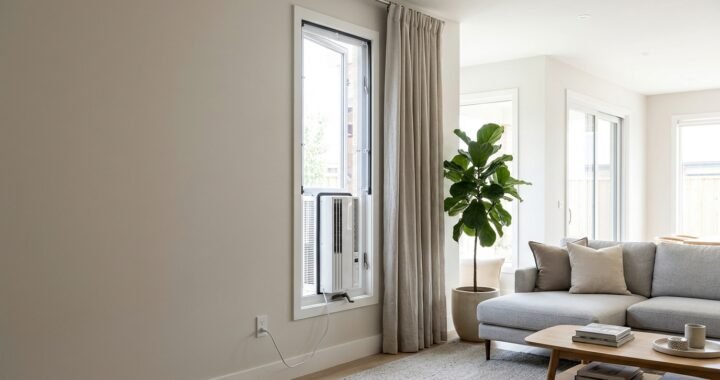

Windows do much more than bring daylight into a building. Their shape, structure, and details can change the entire appearance of a home. One important window feature is often overlooked because many people do not know its name. Mullions are vertical structural or decorative elements that divide window openings into separate sections. They can appear in traditional homes, historic buildings, modern offices, churches, and large glass walls. Some help support the window system, while others mainly create visual character. They may be made from wood, aluminum, steel, vinyl, or other materials. Their design can also affect window size, maintenance, energy performance, and architectural style. Understanding these elements is useful when replacing windows, planning a renovation, or designing a new building. This guide explains what they are, how they work, and how they differ from similar window parts. You will also learn about materials, styles, maintenance, costs, design choices, and common mistakes.
What Are Mullions?
Mullions are vertical elements that separate two or more window units or sections within a larger opening. In traditional architecture, they often provided important structural support. They helped divide large openings into smaller areas that could hold individual pieces of glass. This was especially useful centuries ago when producing large sheets of glass was difficult and expensive. Modern window systems can use them differently. Some remain structural, while others mainly provide a particular visual style. You may see them between two side-by-side windows or within a large glazed wall. Their exact form depends on the building and window system. They can be thick and highly visible or narrow and subtle. Although they are most commonly associated with windows, similar vertical dividing elements can also appear in doors and glazed building facades. Understanding their position is important because several other window components can look similar but perform different jobs.
The History of Window Mullions
The history of mullions goes back hundreds of years. They became especially important when builders wanted larger window openings but could only produce smaller pieces of glass. Stone and wood dividers helped create strong frames for these smaller glass sections. Gothic churches provide some famous historic examples. Their tall windows often contain detailed stone divisions that contribute to both structure and decoration. During later architectural periods, timber became common in residential window construction. As glass manufacturing improved, larger panes became easier to produce. This reduced the need for numerous heavy divisions. However, architects continued using divided window designs because they had become an important visual feature. Today, advanced glass and framing systems allow enormous glazed surfaces. Yet vertical divisions are still widely used for structural, practical, and decorative reasons. Modern versions may look very different from historic stone examples, but the basic design idea remains recognizable across many architectural styles.
Mullions vs Muntins: What Is the Difference?
People often confuse a mullion with a muntin because both divide the visible glass area. However, the terms traditionally describe different components. A mullion generally separates larger window units or openings. A muntin is usually a narrower strip that divides individual panes within a window sash. Imagine two complete windows installed side by side. The vertical member separating those window units may be a mullion. Now look closely at one window. Smaller strips creating a grid across its glass are traditionally called muntins. Modern window marketing sometimes uses these words less precisely. Decorative grids placed over a single large pane may be called grilles or simulated divided lights. This can create confusion when buying replacement windows. If you need a repair or custom product, describe the exact location and purpose of the component. Photographs can also help a contractor or window supplier understand what you mean. Knowing the difference makes discussions about window design much clearer.
Mullions vs Transoms
Another term commonly associated with window construction is transom. The easiest way to understand the difference is by looking at direction. A mullion usually runs vertically, while a transom generally runs horizontally across an opening. For example, a wide window arrangement may have vertical divisions between individual window units. A horizontal member above a door may separate the door from a smaller window positioned above it. That upper window is often called a transom window. Complex window walls can include both vertical and horizontal framing members. Together, they create an organized grid that supports glass and defines the building’s appearance. Historic architecture often uses these elements as visible design features. Modern commercial buildings also use similar framing principles in large glazed facades. Correct terminology is helpful when discussing repairs, architectural plans, or replacement products. However, manufacturers may use slightly different terms depending on the specific window system, so product documentation should always be checked.
Why Are Mullions Used in Windows?
Mullions can serve several purposes depending on the window system. One traditional purpose is structural support. Dividing a large opening into smaller sections can help create a stable window arrangement. Another purpose is connecting separate window units. A homeowner may want several windows installed together to create one larger visual feature. The vertical connecting members help organize that assembly. Design is another important reason. Vertical lines can change how wide, tall, traditional, or modern a window appears. In some systems, these elements can also provide space for hardware or other building components. Their exact structural role should never be assumed from appearance alone. A thick vertical strip might be essential to the window assembly, while another may be mostly decorative. This distinction matters during renovation. Removing a structural component without understanding its purpose can damage the window system or surrounding construction. Always identify the component correctly before making major alterations.
Structural and Decorative Mullions
Not every vertical window divider carries the same responsibility. Structural mullions form part of the window or facade system and may transfer loads or help connect separate units securely. Their dimensions and attachment methods are chosen for specific performance requirements. Decorative versions mainly create the appearance of divided windows. They may be applied over glass or incorporated into a system without carrying major building loads. This difference is important during remodeling. A decorative element may be relatively easy to change. A structural one may require professional assessment before removal or modification. Large commercial curtain walls provide a useful example. Their vertical framing members may resist wind forces and support glazing systems. In a residential window, the situation can be much simpler. Still, homeowners should avoid assuming that a component is decorative based only on its size. Product drawings, manufacturer information, or advice from a qualified window professional can help determine its actual function.
Common Materials Used for Mullions
Window dividers can be made from several materials. Wood is a traditional choice and remains popular in historic and high-end residential designs. It offers warmth and can be shaped into detailed profiles. However, exterior wood requires protection from moisture and weather. Aluminum is widely used in modern commercial glazing because it is lightweight, durable, and suitable for narrow profiles. Steel can create very slim, strong framing with a distinctive architectural appearance. Vinyl is common in residential windows because it requires relatively little maintenance. Fiberglass and composite materials are also available in some window systems. Each material has different strengths, costs, maintenance needs, and thermal properties. The best option depends on climate, building style, budget, and window design. Material choice should also match the surrounding frame. Mixing incompatible materials without proper detailing can cause performance problems. For replacement projects, using components designed for the existing window system is usually the safest approach.
Wood Mullions and Traditional Architecture
Wood has been used in window construction for centuries. It works especially well in traditional houses because it creates a warm and detailed appearance. Craftspeople can shape wood into decorative profiles that match historic architecture. Painted wood can suit colonial, cottage, Victorian, and farmhouse designs. Stained wood can create a richer natural look indoors. However, wood needs regular protection when exposed to outdoor conditions. Moisture can cause swelling, decay, peeling paint, or other damage if protective coatings fail. Homeowners should inspect exterior wooden window components periodically. Small areas of failed paint or sealant are easier to repair before moisture reaches deeper material. Historic windows may require special care because original components can contribute to the building’s character. Replacing them with modern profiles can change the appearance significantly. When preservation matters, repair may be preferable to complete replacement. A specialist can help determine whether damaged wood can be restored safely.
Aluminum Mullions in Modern Buildings
Aluminum is strongly associated with modern glazing systems. It is widely used in office buildings, storefronts, apartments, and contemporary homes. The material can create clean lines and relatively narrow profiles. It also resists many forms of weather-related deterioration better than untreated wood. Modern aluminum framing systems often include thermal breaks. These help reduce direct heat transfer through the metal. This matters because aluminum itself conducts heat efficiently. Without proper thermal design, exterior temperatures can affect interior frame surfaces. Finishes can include anodized surfaces and durable factory-applied coatings in many colors. Dark gray, black, bronze, and silver are common choices in contemporary architecture. Maintenance is usually straightforward, but seals, drainage paths, and joints still need inspection. Aluminum does not make a window maintenance-free. The complete system must remain properly sealed and drained. When replacing damaged components, matching the original profile and system requirements is important for both appearance and performance.
Steel Mullions and Slim Window Designs
Steel is valued for strength and its ability to create slender architectural lines. It is often seen in industrial-inspired homes, luxury renovations, historic buildings, and custom window systems. Thin steel framing can produce large areas of glass while keeping visible profiles relatively narrow. This creates a clean and elegant appearance. Black steel windows are particularly popular in modern interiors because their strong lines provide contrast against light walls. However, genuine steel window systems can be more expensive than many common residential alternatives. Corrosion protection is also important, especially in wet or coastal environments. Modern coatings and manufacturing methods can improve durability considerably. Thermal performance must be considered as well. High-quality systems may use advanced designs to reduce unwanted heat transfer. Homeowners sometimes choose aluminum products designed to imitate the appearance of steel. These can provide a similar visual effect at a different price point. The right choice depends on performance needs and budget.
How Mullions Influence Window Design
Mullions can strongly influence how a window looks even when people do not consciously notice them. Wide vertical divisions can create a bold and traditional appearance. Thin profiles can make the same opening feel lighter and more modern. The spacing between divisions also affects visual balance. Equal spacing creates an orderly look, while unusual spacing can produce a more contemporary design. Architects often align vertical window lines with doors, walls, columns, or other building features. This creates visual harmony across a facade. Inside the home, these lines can also frame outdoor views. Poorly positioned divisions may block an important view from a chair, kitchen sink, or dining table. That is why window design should be considered from both outside and inside. Before ordering custom windows, stand in important rooms and imagine where each vertical line will appear. A small adjustment on a drawing can make a major difference after installation.
Traditional Window Styles
Traditional architecture often uses divided window designs to create rhythm and detail. Georgian and colonial-inspired homes commonly feature balanced window patterns. Tudor and Gothic designs may use stronger vertical divisions and more elaborate forms. Cottage windows can include charming smaller panes and visible timber details. In these styles, the window divisions are part of the overall architectural language. Replacing them with a single uninterrupted sheet of glass can sometimes make the facade feel less authentic. However, modern manufacturing allows homeowners to recreate traditional appearances in different ways. True divided-light windows use individual glass sections. Simulated divided-light systems can create a similar appearance using larger insulated glass units with applied grids. The right option depends on budget, historical requirements, energy goals, and desired authenticity. If a home has a strong historic style, study original window proportions before choosing replacements. Good proportions usually matter more than simply adding decorative grids.
Modern and Contemporary Window Styles
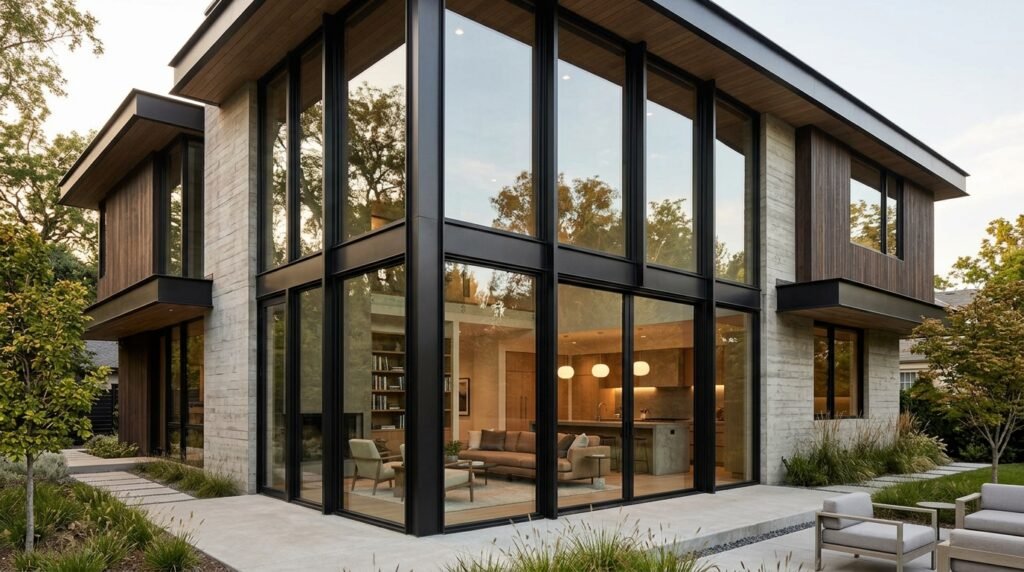
Modern architecture often favors large glass surfaces, simple geometry, and clean lines. This does not mean vertical window divisions disappear. Instead, their design becomes more restrained. Narrow dark frames can create a strong graphic effect against large panes of glass. In other buildings, designers try to minimize visible framing so the outdoor view becomes the main feature. Floor-to-ceiling windows often use carefully spaced vertical members for both engineering and visual reasons. Contemporary homes may combine fixed glass with operable windows inside one larger arrangement. The divisions help organize these different units. Color also matters. Black and charcoal frames can create strong contrast, while lighter finishes blend more gently into the building. The best design supports the architecture rather than competing with it. Adding highly decorative traditional window patterns to a simple modern house can feel inconsistent. Likewise, extremely minimal glazing may look out of place on a strongly historic facade.
Mullions in Curtain Wall Systems
Large commercial buildings often use curtain wall systems to create glass-covered facades. In these systems, vertical and horizontal framing members organize and support the glazing. Vertical members are commonly an important part of the curtain wall structure. They help transfer wind loads and support the glass according to the engineered system. Horizontal members connect between them and complete the grid. Water management is another major consideration. Curtain walls are designed with seals, drainage paths, pressure zones, and other details that help control rainwater and air movement. These systems are much more complex than ordinary residential windows. Repairs should therefore be handled by people familiar with the specific facade design. A failed seal may appear simple from the outside but can involve deeper system issues. Building movement, thermal expansion, glass weight, and wind pressure must all be considered. Proper installation and maintenance are essential for long-term curtain wall performance.
Energy Efficiency and Window Dividers
Window design can affect energy performance. Every framing element changes the balance between glass and frame area. Glass and framing materials have different thermal properties. A window with many divisions may therefore perform differently from a large uninterrupted glass unit. However, overall efficiency depends on the complete window system. Glass coatings, insulated glazing, frame material, thermal breaks, seals, spacers, installation quality, and climate all matter. You should not judge energy performance based only on the number of visible divisions. When buying new windows, compare reliable performance ratings for the complete product. In the United States, values such as U-factor and solar heat gain coefficient are commonly used. Other countries may use related rating systems. Good installation is equally important. Even an efficient window can perform poorly when gaps around the frame allow unwanted air or water movement. Design and performance should be considered together rather than separately.
Do Mullions Make Windows Stronger?
In some window systems, mullions contribute significantly to strength and stability. Dividing a large opening can reduce the unsupported size of individual glazing sections. Structural members may also help transfer wind loads and connect adjacent window units. However, adding a vertical strip does not automatically make every window stronger. The result depends on material, dimensions, connections, glass type, building height, opening size, and expected loads. Engineered commercial systems are designed using specific calculations. Residential combination windows may also have manufacturer limits for size and configuration. This is why structural modifications should not be based on appearance alone. Removing or changing a member can affect how the entire assembly performs. If you are creating a very large opening or replacing several connected windows, follow manufacturer requirements and local building rules. A qualified architect, engineer, or experienced window professional can provide guidance when structural performance is uncertain.
Cleaning and Maintaining Window Mullions
Regular cleaning can keep mullions and surrounding window components looking good for longer. Begin with gentle methods. Remove loose dust with a soft cloth or brush. For many finished surfaces, mild soap and water are enough for normal dirt. Avoid harsh cleaners unless the window manufacturer specifically approves them. Strong chemicals can damage paint, coatings, sealants, or nearby glass treatments. Wooden components require additional attention. Look for peeling paint, open joints, soft wood, or signs of moisture. Metal systems should be checked for damaged finishes, loose fasteners, and failing seals. Also inspect the edges where framing meets glass. Cracked or missing sealant can allow unwanted water entry. Exterior commercial glazing may require professional cleaning because access can be dangerous. Never lean from upper-story windows to reach exterior framing. Routine inspection can identify small maintenance needs before they develop into expensive repairs.
Signs of Damage to Watch For
Window problems often develop gradually. Look for visible cracks, loose connections, peeling finishes, corrosion, warped wood, or gaps around joints. Water stains near a window can indicate leakage, although the water may not always enter directly through the visible frame. Condensation between panes usually points to a problem with the insulated glass seal rather than the vertical divider itself. Difficulty opening nearby windows can indicate frame movement or alignment problems. Cracked glass also deserves prompt attention. In larger glazing systems, unusual movement or repeated seal failures may require professional assessment. Do not ignore loose structural components. A simple cosmetic repair will not solve an underlying movement or water-management problem. Take photographs when you first notice damage. This makes it easier to track whether the issue is changing. Early investigation is often cheaper than waiting until moisture damages surrounding walls, finishes, or framing.
Repairing Damaged Mullions
The correct repair depends on the material and the component’s function. Minor damage to a decorative wooden element may require cleaning, filling, sanding, priming, and repainting. Rotten wood can require partial replacement or a more extensive restoration. Damaged aluminum or steel members may need specialized repairs. Structural components should not be cut, drilled, or removed without understanding their role. In some window systems, replacement parts must match specific manufacturer profiles. Using an incorrect piece can interfere with seals, drainage, or glass support. Historic windows may also require restoration techniques that preserve original details. Before beginning repairs, determine why the damage occurred. Replacing rotten wood without fixing a water leak will only delay the problem. Likewise, replacing failed sealant without preparing the joint correctly may lead to another failure. Good repair work addresses both the visible damage and its underlying cause.
Can Mullions Be Removed?
Removing mullions may be possible in certain situations, but it should never be assumed to be safe. Decorative pieces that simply create a visual grid can sometimes be changed or removed without affecting the structure. Structural members are completely different. They may connect window units, support glazing, or help transfer loads. Removing them could weaken the assembly. Even when removal is structurally possible, new glass may be required because the existing panes were designed for smaller openings. Building regulations and manufacturer requirements may also affect the project. If your goal is a cleaner, more open view, a window professional can explain replacement options. Modern systems may provide larger panes with narrower frames while still meeting performance requirements. For historic buildings, removing original divisions can also affect architectural character. Always identify whether the component is decorative, structural, or part of a protected historic feature before making changes.
Replacing Windows With Existing Mullions
Window replacement becomes more complicated when several units are connected within one opening. First, determine whether the existing vertical members belong to the building structure or the old window system. Measurements must be accurate because even small errors can create installation problems. If you want to maintain the home’s original appearance, record the width, spacing, color, and profile of visible divisions before removing anything. Photographs are useful references. New windows can sometimes reproduce the old pattern while offering updated glazing and seals. In other cases, homeowners choose a simpler arrangement with fewer visible divisions. Consider both exterior appearance and interior views before changing the layout. Energy performance, ventilation, emergency escape requirements, and local codes may also influence window selection. Professional measurement is particularly valuable for large combination windows. Custom units can be expensive to replace if dimensions or configurations are ordered incorrectly.
How Mullions Affect Natural Light
Every solid frame element blocks a small amount of glass area. Therefore, a window with many thick divisions may admit slightly less daylight than a similar opening with minimal framing. The visual effect can be more important than the actual difference. Large uninterrupted panes can make a room feel open and strongly connected to the outdoors. Divided windows create smaller framed views and may produce a more traditional atmosphere. Frame color can also influence perception. Dark vertical lines appear stronger, while light-colored frames may blend with surrounding walls. If maximizing daylight is a major goal, consider narrow profiles and larger glass sections. However, do not sacrifice necessary structural performance simply to increase glass area. Modern window systems can often balance strength with slim framing. The best choice depends on the building’s architecture, orientation, room use, and desired view. Window design should support both practical needs and the character of the home.
Choosing the Right Mullion Design
Choosing mullions for a new or renovated home requires more than selecting a pattern you like online. Start with the building’s architectural style. Traditional homes often benefit from stronger visible divisions, while modern houses may suit narrow, simple profiles. Next, consider window size and proportion. A design that looks balanced on a small window may become too busy across a large wall of glass. Think about interior views as well. Sit or stand where you normally use the room and notice where vertical lines would appear. Material and color should coordinate with the rest of the window frame. Maintenance matters too. Exterior wood may need more care than some metal or composite options. Finally, consider whether the divisions need to perform a structural function. Decorative preferences cannot override engineering requirements. Working through these factors produces a design that looks intentional and performs properly.
Cost Factors to Consider
There is no single price for adding, repairing, or replacing vertical window divisions. Cost depends on the complete window system. Material is one major factor. Standard vinyl products can differ greatly in price from custom steel or premium timber windows. Size also matters. Large openings may require stronger components and specialized installation. Custom colors, historic profiles, complex shapes, and unusual configurations can increase manufacturing costs. Labor varies based on location, access, building height, and project difficulty. Repairs may be inexpensive when damage is limited to a small decorative component. Structural repairs can be much more involved. Glass replacement may also be necessary when changing the configuration. Before choosing an option based only on price, compare long-term maintenance and energy performance. A low initial price does not always mean the lowest lifetime cost. Obtain detailed quotes that clearly describe materials, glazing, installation, finishes, and warranties.
Common Design and Installation Mistakes
One common mistake is choosing window divisions without considering the home’s architecture. A pattern may look attractive in a showroom but feel wrong on the building. Another mistake is ignoring interior sightlines. A vertical member positioned directly in front of an important view can become frustrating. Poor measurements can also cause serious installation problems. Structural requirements must never be guessed. A slim profile may look attractive but still needs to meet the performance demands of the opening. Incorrect sealing is another concern. Windows must manage both air and water effectively. Applying sealant everywhere without understanding drainage paths can sometimes trap moisture instead of solving leaks. Homeowners should also avoid painting or coating surfaces with products that are incompatible with the existing finish. Finally, do not confuse decorative grids with structural framing. Understanding what each component does makes renovation decisions safer and helps prevent expensive mistakes.
Are Mullions Still Used in Modern Homes?
Yes. Mullions remain relevant even though modern glass technology allows much larger panes than historic builders could produce. Their appearance and purpose have simply evolved. Contemporary homes often use fewer divisions and slimmer profiles to create open views. Traditional homes may use more visible vertical lines to maintain architectural character. Large window walls can require structural framing to organize and support glazing. Combination windows also use connecting members to join different units into one coordinated opening. Modern manufacturing provides many material and finish options, so these elements can either stand out or blend into the design. Black metal profiles are popular for strong contrast, while white or neutral frames can create a softer appearance. The continued use of vertical window divisions shows that good window design involves more than glass. Structure, proportion, views, ventilation, energy performance, and architectural style must all work together.
Frequently Asked Questions
1. What is the main purpose of a mullion?
A mullion divides adjacent window units or sections of a larger opening. Depending on the window system, it may provide structural support, connect separate units, or create an architectural design feature. Traditional versions helped support smaller pieces of glass. Modern versions can perform structural or decorative roles. Always identify the specific system before modifying one.
2. What is the difference between a mullion and a muntin?
A mullion traditionally separates larger window units or openings. A muntin is a smaller member that separates individual panes within a window sash. Modern manufacturers sometimes use terms such as grille or grid for decorative pane divisions. Because terminology can vary, it is useful to describe the exact component when discussing repairs or replacements.
3. Are mullions structural?
Some are structural, while others are mainly decorative. Structural versions can help connect window units, support glazing systems, or transfer loads. Decorative versions may simply create a divided-window appearance. You cannot always determine the difference by looking at the component. Check manufacturer information or consult a qualified professional before removing or altering it.
4. Can a mullion be removed from a window?
It depends on its purpose and the window design. A decorative piece may sometimes be removable. A structural member should not be removed without proper assessment. Removing it may require new glass, different framing, or structural changes. Historic buildings may have additional restrictions. Professional advice is recommended before changing an existing window configuration.
5. What materials are used for window mullions?
Common materials include wood, aluminum, steel, vinyl, fiberglass, and composite products. Wood suits many traditional designs, while aluminum is common in modern glazing. Steel provides strong, slim profiles. Vinyl and composites are often used in residential window systems. The right material depends on architecture, climate, maintenance, budget, and structural needs.
6. Do window mullions reduce natural light?
They occupy part of the window opening, so thicker or more numerous divisions reduce some glass area. However, their effect depends on profile width and overall window size. Slim modern frames can provide large areas of glass while maintaining necessary support. Design, structure, daylight, and energy performance should all be considered together.
Conclusion
Mullions may look like simple vertical lines, but they can play an important role in architecture and window design. Historically, they allowed builders to create larger openings from smaller pieces of glass. Today, they can connect window units, support glazing systems, organize large facades, and create distinctive architectural character. Their appearance ranges from detailed traditional timber to slim modern metal profiles. Choosing the right design requires attention to proportion, material, structural needs, maintenance, energy performance, and indoor views. It is also important to understand the difference between structural framing and decorative grids. Never remove an unknown window component simply to create a wider view. Check the window system or seek professional advice first. Whether you are restoring an older home or planning modern glazing, thoughtful window details can improve both appearance and function. A well-designed window should feel like a natural part of the building rather than an element added without purpose.