
A sagging door can turn a simple daily task into an annoying problem. You may notice that the door rubs against the frame or floor. It may also refuse to close properly or leave an uneven gap around the edges. These problems often become worse over time. The good news is that most interior doors do not need to be replaced. In many cases, you can fix the problem with a few basic tools and some careful adjustments. Learning how to fix a sagging door starts with finding the reason behind the problem. Loose hinge screws, worn hinges, a heavy door, or a weak frame can all cause sagging. Sometimes, several small problems happen at the same time. This guide explains each common cause in simple steps. You will learn how to inspect the door, tighten the hinges, replace damaged screws, adjust the hinges, and make other useful repairs.
What Causes a Door to Sag?
A door usually sags because something is no longer supporting its weight correctly. Hinges carry the door’s weight and keep it aligned with the frame. Over time, the screws holding those hinges can become loose. Wood around the screws can also wear away. This makes the hinge move slightly when the door opens or closes. Heavy doors can make this problem happen faster. Moisture can also affect wooden doors and frames. Changes in humidity may cause wood to expand, shrink, or change shape. Sometimes the door frame itself moves slightly. This can create alignment problems even when the hinges look fine. Before starting a repair, inspect the entire door carefully. Look at the hinges, screws, frame, gaps, and floor clearance. Finding the actual cause can save time. It also prevents you from making unnecessary repairs. A simple inspection is often the first step toward a lasting solution.
Signs That Your Door Is Sagging
A sagging door usually gives you several warning signs. One common sign is rubbing near the top corner of the door. The door may also scrape against the floor when you open it. You might notice a wider gap at the top on one side. Another common problem is a door that will not latch properly. The latch may sit below or above the strike plate. You may also hear a scraping sound when moving the door. Sometimes the hinge side looks normal, but the handle side appears lower. A small amount of movement can become more noticeable over time. Do not ignore these signs for too long. A loose hinge can damage the surrounding wood. Continued movement can also make the door harder to repair. If the door suddenly becomes difficult to move, inspect it soon. Early repairs are usually easier and less expensive. Knowing these signs also makes it easier to understand how to fix a sagging door correctly.
Tools You May Need
Most basic door repairs require only simple household tools. A screwdriver is usually the most important tool. You may need a Phillips or flat-head screwdriver depending on the screws. A drill can make some repairs faster. You may also need longer wood screws if the original screws no longer hold firmly. A hammer can help with small adjustments. A wooden shim can support the door while you work. You may also use a level to check alignment. A tape measure can help compare gaps around the door. For damaged wood, you may need wood filler or wooden toothpicks. A replacement hinge may be necessary if the current hinge is bent or worn. Keep a small container nearby for loose screws. This prevents important hardware from getting lost. Before starting, make sure you have the correct tools for the repair. Using the right tool reduces damage to screws and wood. It also makes the job safer and easier.
Inspect the Hinges First
The hinges should be your first inspection point. Open the door and look closely at each hinge. Check whether any screws appear loose or raised. Try moving the hinge gently with your hand. A hinge should feel firmly attached to both the door and frame. If it moves, the screws may not be holding properly. Look for gaps between the hinge plate and wood. A hinge that sits away from the surface can affect alignment. Also check whether the hinge itself looks bent. Old hinges can become worn after years of use. Dirt and paint buildup can also affect hinge movement. If the hinge is damaged, tightening the screws may not solve the problem. In that situation, replacement may be better. Inspect every hinge rather than checking only the top one. The top hinge often carries significant weight. However, the middle and bottom hinges also help keep the door aligned. A complete inspection gives you a clearer repair plan.
Tighten the Existing Hinge Screws
Loose screws are one of the easiest causes to fix. Start with the top hinge because it carries much of the door’s weight. Use the correct screwdriver and tighten each screw carefully. Do not force the screw too hard. Excessive force can strip the screw head or damage the wood. After tightening the top hinge, check the middle hinge. Then inspect the bottom hinge. Open and close the door after making the adjustments. Watch whether the door moves more smoothly. Check the gap between the door and frame. If the door improves, you may have found the main problem. Sometimes only one loose screw causes noticeable sagging. However, it is wise to check all hinge screws. Loose screws can slowly return if the wood is damaged. If a screw turns without becoming tight, the hole may be worn. You will need a different repair for that problem. This simple process often solves mild sagging. It is one of the first things to try when learning how to fix a sagging door.
Replace Short Screws With Longer Screws
Some doors sag because the original hinge screws are too short. Short screws may hold only the thin surface layer of the frame. They can become loose when the door is heavy. Replacing selected screws with longer wood screws can provide stronger support. Choose screws that are long enough to reach solid framing behind the door jamb. Avoid using screws that are so long that they could damage hidden wiring or plumbing. When possible, replace one screw at a time. This helps keep the hinge in its original position. Start with the top hinge. Remove one existing screw and replace it with the longer screw. Tighten it firmly without over-tightening. Repeat the process with another screw if needed. You do not always need to replace every hinge screw. Two or three properly placed longer screws may provide significant support. This repair works best when the frame behind the jamb is solid. If the surrounding wood is badly damaged, another repair may be required.
Repair a Stripped Hinge Screw Hole
A stripped screw hole is a common problem with wooden doors. The screw may spin without becoming tight. This happens when the wood fibers inside the hole are damaged. One simple repair involves using small wooden pieces to fill the hole. Remove the loose screw first. Place several wooden toothpicks or thin wood pieces into the hole. Add a small amount of suitable wood adhesive if needed. Break the pieces so they sit inside the hole without sticking out too far. Allow the adhesive to cure according to its instructions. Then reinstall the hinge screw into the repaired area. The fresh wood gives the screw something stronger to grip. Another option is to use a larger screw that fits the hinge hole. However, the screw head must still sit correctly inside the hinge. Do not use a screw that damages the hinge plate. This repair can restore a loose hinge without replacing the entire door. It is especially useful for older wooden doors.
Support the Door Before Making Adjustments
A heavy door can move while you work on its hinges. Supporting the door makes repairs easier and safer. You can place a wooden shim under the door’s lower edge. Adjust the shim until the door sits at a comfortable height. The goal is to reduce pressure on the hinges while you work. Do not place your fingers near hinge gaps while moving the door. Hinges can pinch fingers with surprising force. If the door is very heavy, ask another person to help support it. This is especially important for solid wood or exterior doors. Once the door is supported, inspect the hinge alignment again. You may notice that a hinge plate is not sitting flat. Correcting that position can improve the door’s movement. Never rely on loose screws to hold a heavy door while you work. Proper support reduces the chance of sudden movement. It also makes screw replacement much easier. Taking a few extra minutes for safety can prevent an unnecessary injury.
Adjust the Hinge Position
Sometimes the hinge itself needs a small position adjustment. This can happen when the hinge has shifted inside the wood. First, support the door so its weight does not pull on the hinge. Remove the screws carefully if the hinge needs repositioning. Check the wood behind the hinge plate. Look for crushed, cracked, or damaged areas. If the wood is sound, place the hinge back into its correct position. Tighten the screws evenly. Avoid tightening one screw completely before the others. Even pressure helps keep the hinge plate flat. After securing the hinge, remove the door support carefully. Open and close the door several times. Watch for rubbing around the frame. If the door moves smoothly, the adjustment may have solved the problem. If it still rubs, another hinge may need attention. Small changes can make a big difference in door alignment. Work slowly rather than forcing the door into position.
Check the Door Frame
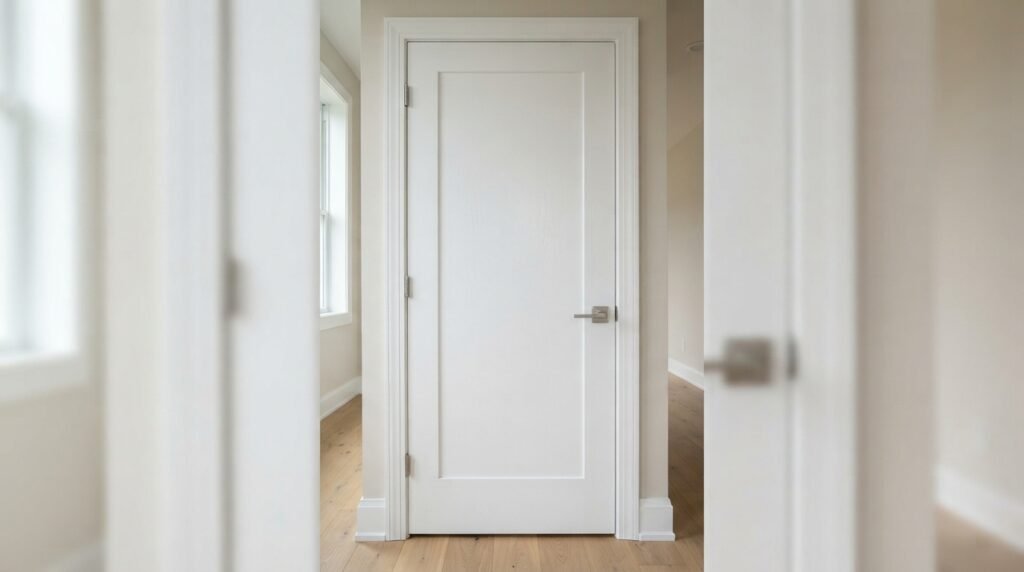
The door itself may not always be the problem. A damaged or shifted frame can cause similar symptoms. Look at the vertical sides of the door frame. Check whether the frame appears straight. You can use a level to check the jambs. Look for cracks around the hinge mounting areas. Loose trim can sometimes make the frame look worse than it is. However, movement behind the trim may indicate a structural issue. Compare the gaps around the closed door. The gaps should look reasonably even. A large difference may point toward frame movement. Exterior doors require special attention because weather exposure can affect the frame. Moisture can cause wood to swell or weaken. If the frame is badly damaged, hinge adjustments may not solve the problem. A professional may need to repair or reposition the jamb. Fixing the frame can restore proper door alignment. Always identify the source before replacing parts unnecessarily.
Check for a Bent or Damaged Hinge
Hinges can become damaged over time. This is more likely on heavy doors or frequently used doors. A bent hinge may prevent the door from sitting correctly. Look at the hinge from the side when the door is open. Compare it with another hinge on the same door. The hinge should look straight and move smoothly. If one hinge appears twisted, replacement may be necessary. Do not try to force a severely bent hinge back into shape. This can weaken the metal. Replacement hinges are usually inexpensive compared with replacing an entire door. Choose a hinge with matching size and screw-hole placement. The hinge thickness should also match the existing hardware. Remove and replace one hinge at a time when possible. Support the door during the process. After installing the new hinge, test the door carefully. Check whether the latch lines up with the strike plate. A good hinge replacement can restore proper movement quickly.
Fix a Door That Rubs at the Top
A door rubbing at the top often points to an alignment issue. The hinge side can provide useful clues. Look at the upper gap between the door and frame. If the gap becomes smaller near one corner, the door may be sagging. Start by tightening the top hinge screws. This is often enough for minor problems. If the screws are loose, use longer screws where appropriate. Check the other hinges after making the adjustment. If the door still rubs, inspect the hinge positions. A damaged hinge or frame may be responsible. Do not immediately sand the top of the door. Sanding removes material but does not fix the cause. It can also create a larger gap after the door settles. Sanding may be useful after the alignment problem is corrected. Make small adjustments and test the door after each one. This approach prevents unnecessary damage. Patience is especially useful when learning how to fix a sagging door.
Fix a Door That Scrapes the Floor
A door scraping the floor can be frustrating. It may happen because the door has dropped slightly on its hinges. Start by checking the hinges rather than cutting the door. Tighten all hinge screws and test the door. If the screws are loose, replace damaged screws or repair worn holes. Make sure the top hinge is securely attached. If the door remains low, inspect the frame for movement. Sometimes the floor itself has changed or a new floor covering has been installed. Thick carpet, tile, or flooring can reduce the clearance beneath a door. If the door was fine before a flooring project, the floor may be the cause. Only trim the bottom of the door after checking alignment. Removing too much material can create an unnecessary gap. If trimming is needed, remove the door and measure carefully. Use appropriate tools and smooth the cut afterward. Always solve hinge problems before removing door material.
Fix a Door That Will Not Latch
A sagging door may cause the latch to miss the strike plate. You may hear the latch hit the metal instead of entering the opening. This often happens because the door has moved downward. First, check the hinges for loose screws. Tighten them and test the latch again. If the door remains misaligned, inspect the strike plate. It may have shifted or may not be positioned correctly. Do not immediately move the strike plate if the hinges are loose. Correct the door alignment first. Once the door sits properly, check the latch position. A small strike plate adjustment may solve the remaining problem. Use a screwdriver to loosen the plate and reposition it carefully. Test the door several times before fully tightening the screws. The latch should enter the strike opening smoothly. It should not require force to close the door. A properly aligned latch improves both convenience and security.
When Should You Replace the Hinges?
Not every sagging door needs new hinges. Replacement makes sense when the existing hinges are bent, badly worn, or damaged. Rust can also weaken some metal hinges. A hinge that makes unusual noise may need cleaning or replacement. Compare the damaged hinge with another hinge on the door. If the hinge looks visibly different, replacement may be worthwhile. Use a hinge that matches the original dimensions. Door hinges come in different sizes, shapes, and finishes. The screw-hole pattern should also match. Support the door before removing the old hinge. If possible, replace one hinge at a time. This reduces the chance of losing the door’s position. After installation, test the door slowly. Make sure it swings without binding. If replacement hinges do not solve the issue, inspect the frame. The underlying problem may be structural rather than hardware-related.
When Should You Sand or Trim the Door?
Sanding or trimming should usually be a later step. Many homeowners remove material too quickly when a door rubs. This can hide the real cause. First, check the hinges, screws, and frame. If the door is correctly aligned but still touches the frame, trimming may help. Mark only the area that actually needs adjustment. Remove a small amount at a time. Test the door after each adjustment. This prevents removing too much material. A plane or suitable sanding tool can help with small changes. For larger cuts, the door may need to be removed. Protect the finished surface while working. After trimming, smooth the exposed edge. If the door is wooden, seal or paint the exposed area when necessary. This helps protect it from moisture. Never trim a door without checking why it rubs first. Correcting the alignment may solve the issue without cutting anything.
How to Prevent a Door From Sagging Again
Prevention begins with regular hinge checks. Inspect the screws every few months, especially on heavy doors. Tighten loose screws before they cause larger problems. Avoid hanging excessive weight from a door. Heavy decorations, mirrors, or storage systems can place extra pressure on hinges. Exterior doors may need more frequent inspections because of weather exposure. Keep hinges clean and lubricated when appropriate. Do not use excessive lubricant because it can attract dust. Check the door frame if you notice new cracks or movement. Moisture should also be controlled around wooden doors. Keep the area dry and repair leaks quickly. When installing a new door, use suitable hinges for its weight. Proper installation is one of the best ways to prevent future sagging. Small maintenance tasks can extend the life of the entire door system. Prevention is usually easier than repairing severe alignment problems later.
Common Mistakes to Avoid
One common mistake is tightening screws too aggressively. Over-tightening can strip the screw head or damage the wood. Another mistake is adjusting only the visible problem. A rubbing door may have a loose hinge that needs attention first. Some homeowners also sand the door immediately. This can remove material without fixing the underlying issue. Another mistake is using screws that are too long or unsuitable. Always choose hardware appropriate for the door and frame. Do not ignore a damaged hinge. A bent hinge can continue causing alignment problems. Another important mistake is working without supporting a heavy door. Sudden movement can cause injuries or additional damage. Homeowners should also avoid forcing a door closed. Excessive pressure can damage the latch and frame. Take time to inspect the complete door system. A careful repair is usually faster than repeated trial and error. These simple precautions can make the repair more successful.
When to Call a Professional
Many minor door problems are suitable for DIY repair. However, some situations require professional help. Call a professional if the frame has major structural damage. You should also get help if the door is extremely heavy. Large exterior doors can be difficult to support safely. Professional assistance is also useful when the wall or jamb has shifted. Structural movement can require more than a simple hinge repair. If you see serious cracks around the frame, investigate the cause. Water damage may also require professional attention. A professional can inspect the entire opening and identify hidden problems. This is especially important for exterior doors that affect home security. Do not attempt complicated structural repairs without the right experience. A small repair can become expensive if surrounding materials are damaged. Knowing your limits is part of good home maintenance. Sometimes the safest and most cost-effective solution is professional service.
Frequently Asked Questions
1. What is the easiest way to fix a sagging door?
The easiest method is usually checking and tightening the hinge screws. Start with the top hinge because it carries much of the door’s weight. Tighten the screws carefully and test the door. If the screws spin without tightening, the wood may be damaged. In that case, repair the screw holes or use suitable replacement screws. Always check all hinges before making larger repairs.
2. Why does my door sag even after tightening the screws?
A door can continue sagging when the screw holes are stripped. The hinges may also be bent or worn. Another possibility is movement in the door frame. Heavy doors can also place extra pressure on older hinges. Inspect the entire hinge system rather than tightening the same screws repeatedly. If the problem continues, replacing damaged hardware or repairing the frame may be necessary.
3. Can I fix a sagging door without removing it?
Yes, many door repairs can be completed while the door remains installed. Tightening screws and replacing individual hinge screws are common examples. You can also inspect the frame without removing the door. However, major hinge replacement or trimming may require removing the door. Support the door carefully whenever you remove hinge hardware. A second person can make the work safer with heavy doors.
4. Should I use longer screws on door hinges?
Longer screws can provide stronger support when the original screws are too short. They can reach solid framing behind the door jamb. However, the screws must be an appropriate length and type. Avoid using screws that could damage hidden utilities. Use suitable wood or structural screws for the specific application. When in doubt, ask a qualified professional for advice.
5. Why does my door rub at the top corner?
A door rubbing at the top corner often has an alignment problem. Loose hinges are a common cause. The door may have dropped slightly because the top hinge is not holding firmly. Check the hinge screws and the frame first. A bent hinge or shifted frame can also cause rubbing. Avoid sanding the door until you identify the reason for the misalignment.
6. How long does it take to fix a sagging door?
A minor door problem may take only a few minutes to correct. Tightening several screws can sometimes restore proper alignment quickly. More serious problems can take longer. Damaged screw holes, bent hinges, or frame problems may require additional work. The repair time depends on the cause and the condition of the door. Always focus on fixing the actual cause rather than rushing the job.
Final Thoughts
Learning how to fix a sagging door does not have to be difficult. Many common problems come from loose screws, worn hinges, or damaged wood around the hinge holes. These issues can often be repaired with basic tools and careful adjustments. Start with a complete inspection before making changes. Check the hinges, screws, frame, gaps, latch, and floor clearance. Tighten loose hardware before trying more complicated solutions. If a screw hole is damaged, repair the wood or use suitable replacement hardware. Replace hinges when they are bent or badly worn. Avoid sanding or trimming the door until alignment problems have been addressed. Safety should always come first when working with heavy doors. If the frame has structural damage, professional help is the better choice. With regular maintenance, most doors can remain smooth and reliable for many years. A few simple repairs today can prevent a much larger problem later.