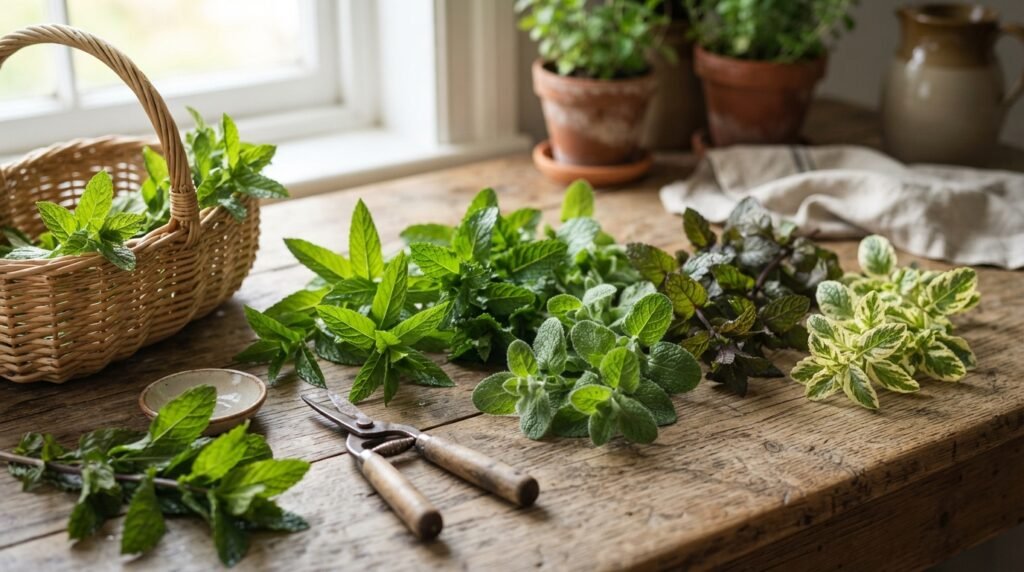
Mint is one of the easiest herbs to grow at home. It adds fresh flavor to drinks, desserts, salads, sauces, and many cooked dishes. It also brings a pleasant smell to gardens and indoor spaces. However, mint is not just one plant. There are many varieties, and each one has its own flavor, smell, appearance, and growing habits. Learning about the types of mint can help you choose the best variety for your garden or kitchen. Some mints have a cool, strong flavor, while others taste sweet, fruity, or slightly spicy. Some grow well in containers, while others spread quickly across garden beds. Mint can also attract helpful insects and create useful ground cover. In this guide, we will explore popular mint varieties and explain what makes each one special. You will also learn how to grow mint, control its spread, harvest fresh leaves, and choose the right variety for your needs.
What Is Mint?
Mint is a group of aromatic herbs belonging to the Mentha genus. These plants are known for their fresh scent and cooling taste. Mint has square stems and usually produces opposite leaves along the stem. Depending on the variety, the leaves can be bright green, dark green, rounded, pointed, smooth, or slightly fuzzy. Many mint plants produce small flowers that attract bees and other pollinators. Mint is commonly grown for cooking, drinks, herbal teas, and garden use. It can grow in many conditions, which makes it popular with beginner gardeners. Most varieties prefer moist soil and plenty of sunlight. However, some can tolerate partial shade. Mint spreads through underground stems called rhizomes. This spreading habit helps the plant fill an area quickly. It can also make mint difficult to control in open garden beds. For that reason, many gardeners prefer growing mint in containers where its roots have limited space.
Why Are There So Many Types of Mint?
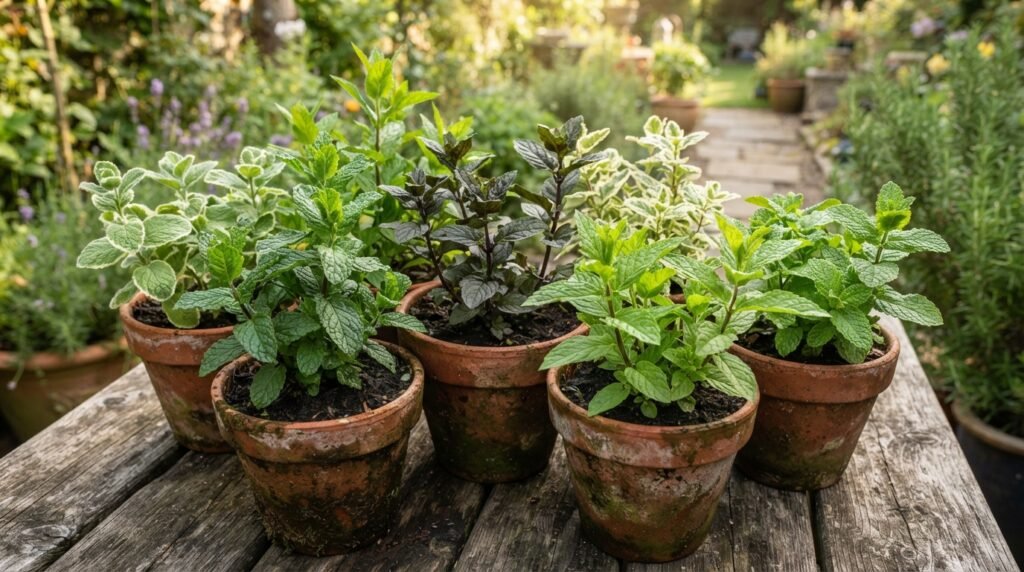
There are many varieties of mint because the Mentha group contains different species and natural hybrids. Gardeners have also selected plants for specific flavors, appearances, and growing traits. This has created a wide range of mint cultivars. Some varieties are especially useful for cooking. Others are better known for tea, desserts, drinks, or ornamental gardens. The flavor can change depending on the amount of menthol and other natural oils in the leaves. Growing conditions can also affect how strong the plant smells. Temperature, sunlight, water, soil, and harvesting time all influence the plant. Some varieties have very similar appearances but taste completely different. This is why identifying a mint plant by smell and flavor can be useful. When choosing among different types of mint, think about how you plan to use the plant. A strong peppermint may be excellent for tea, while a gentle apple mint may work better in fresh salads or desserts.
1. Spearmint
Spearmint is one of the most familiar mint varieties. It has a fresh flavor that is usually milder than peppermint. The leaves are green, slightly pointed, and often have a textured surface. Spearmint is widely used in cooking, drinks, sauces, salads, and desserts. It is also a popular choice for homemade iced tea. The flavor comes from natural oils in the leaves, but spearmint generally contains less menthol than peppermint. This gives it a softer cooling effect. Spearmint plants can grow vigorously when they receive enough moisture and sunlight. They usually reach a moderate height and can spread through underground runners. Because of this growth habit, container gardening can make control easier. Harvest young leaves for a fresh and tender flavor. You can also cut stems regularly to encourage new growth. For many gardeners, spearmint is a great starting point because it is useful, familiar, and relatively easy to grow.
2. Peppermint
Peppermint is another well-known member of the mint family. It has a strong cooling flavor and a noticeable menthol aroma. The leaves are usually dark green and may have reddish or purple tones on some stems. Peppermint is commonly used in herbal teas, desserts, candies, and flavored drinks. Its strong flavor means a small amount can often go a long way. Peppermint prefers moist, fertile soil and regular watering. It can grow quickly under suitable conditions. Like many mint plants, it can spread aggressively through underground roots. Growing it in a pot is often a practical choice for small gardens. Peppermint usually prefers full sun or partial shade. Extremely hot conditions may require some afternoon protection. Regular harvesting keeps the plant compact and encourages fresh shoots. If you enjoy strong mint tea or bold mint flavor, peppermint can be an excellent garden choice. Its powerful aroma also makes it easy to recognize among other varieties.
3. Chocolate Mint
Chocolate mint is a popular variety among gardeners who enjoy unusual flavors. Despite its name, it does not actually taste like a chocolate candy bar. Instead, it has a mint flavor with a mild chocolate-like aroma. The leaves are green and often grow on darker stems. This variety can be especially attractive in containers, herb gardens, and small garden beds. Chocolate mint can be used in tea, desserts, cold drinks, and fruit dishes. It can also add an interesting scent to a garden. The plant enjoys moist soil and good sunlight. Regular harvesting can help maintain a neat shape. Like other mint plants, it can spread quickly when planted directly in the ground. A container can help prevent unwanted growth. Gardeners often enjoy chocolate mint because it offers something different from traditional spearmint. If you want a mint plant that smells interesting and looks attractive, this variety is worth considering.
4. Apple Mint
Apple mint is known for its soft, fruity scent and mild mint flavor. Its leaves are often larger and rounder than common spearmint leaves. They may also have a slightly fuzzy surface. The plant can grow tall and produce attractive flower spikes during the growing season. Apple mint is useful for teas, fruit salads, cold drinks, and fresh garnishes. Its gentle flavor makes it appealing to people who find strong peppermint too intense. Apple mint prefers moist soil and good sunlight. It can also tolerate some partial shade. Regular trimming helps prevent the plant from becoming too tall and weak. Because it spreads quickly, a large container can provide a good growing environment. The leaves are best harvested before flowering for a fresh flavor. However, flowers can also add ornamental value to the garden. Among the many types of mint, apple mint stands out because of its soft texture and fruity scent.
5. Pineapple Mint
Pineapple mint is a variegated mint variety with an attractive appearance. Its leaves usually have green centers and creamy or pale edges. The leaves may also have a soft, slightly fuzzy texture. When crushed, they can produce a light fruity scent with a pineapple-like character. This makes the plant useful for both ornamental and culinary purposes. Pineapple mint can be added to fruit salads, cold drinks, desserts, and herbal teas. Its colorful leaves also look attractive in containers and mixed herb displays. The plant prefers moist, well-drained soil and good sunlight. Afternoon shade can help protect the leaves in very hot climates. Regular trimming encourages fresh leaves and keeps the plant compact. Because variegated plants can sometimes grow more slowly than plain green varieties, they benefit from good growing conditions. Pineapple mint is a useful choice for gardeners who want both flavor and visual interest from their herb collection.
6. Corsican Mint
Corsican mint is much smaller than many common mint varieties. Instead of growing tall, it forms a low, spreading carpet. Its tiny leaves create a soft green appearance when planted in suitable conditions. This makes it useful as a ground cover in areas where foot traffic is light. Corsican mint also produces small flowers that can add extra visual interest. It prefers moist soil and partial shade in many climates. It may struggle in very dry or extremely hot conditions. Because it stays low, it can also work well between stepping stones in suitable garden locations. However, it is not as tolerant of heavy traffic as a traditional lawn. Corsican mint has a refreshing aroma and can be used in small amounts for culinary purposes. It is particularly attractive for gardeners who want a decorative mint rather than a tall herb. Its compact growth makes it different from many aggressive mint varieties.
7. Water Mint
Water mint naturally grows in wet environments. It can often be found near streams, ponds, marshes, and other damp areas. The plant produces aromatic leaves and small flowers that can attract pollinators. It is a useful choice for gardens with consistently moist soil. Water mint can become quite vigorous when conditions are favorable. Gardeners should therefore give it enough space or use a container to control its roots. This variety can tolerate wetter conditions than many garden herbs. However, it should not be confused with a plant that needs standing water all the time. Good moisture and healthy soil are still important. Water mint has a strong mint aroma and can be useful in herbal preparations and teas. Its natural habitat also makes it valuable for wildlife-friendly gardens. If your garden has a damp section where other herbs struggle, water mint may be worth considering.
8. Ginger Mint
Ginger mint is an interesting variety with a mild mint flavor and a warm, slightly spicy aroma. It may also be sold under names such as red mint in some gardening markets. Its leaves can have attractive markings or reddish tones depending on the cultivar and growing conditions. Ginger mint works well in teas, fruit dishes, desserts, and refreshing drinks. The flavor is usually less intense than classic peppermint. This makes it useful for people who want a gentler herb. The plant enjoys moist soil, sunlight, and regular harvesting. Like other vigorous mints, it can spread beyond its original planting area. A container can help keep the roots under control. Its unusual scent makes it an interesting addition to a home herb collection. Gardeners who enjoy experimenting with different flavors may especially appreciate this variety. It can also add variety to homemade herbal tea blends.
9. Orange Mint
Orange mint is valued for its citrus-like aroma. When the leaves are rubbed, they can release a fresh scent that reminds many people of orange peel. This makes the plant especially useful for teas, fruit drinks, desserts, and summer beverages. The leaves are usually green and slightly textured. Orange mint prefers a sunny location and consistently moist soil. It can grow quickly during warm weather. Regular trimming encourages new growth and helps prevent the plant from becoming too tall. The citrus scent can make the garden more enjoyable, especially when the leaves are brushed or harvested. Orange mint also pairs well with berries, citrus fruits, and light desserts. Its refreshing aroma makes it one of the more interesting choices for drink recipes. As with most vigorous mint plants, growing it in a container can help prevent unwanted spreading. It is a good choice for gardeners who want something beyond traditional mint flavors.
10. Moroccan Mint
Moroccan mint is strongly associated with mint tea traditions. It is especially popular in North African tea culture. The plant produces bright green leaves with a refreshing and pleasant flavor. Moroccan mint is often used with green tea and sugar to create a fragrant hot drink. It can also be used in salads, sauces, and cold beverages. The plant grows well in containers and herb gardens. It prefers sunlight and consistently moist soil. Regular harvesting encourages tender new leaves. Many gardeners appreciate this variety because its flavor is fresh without being overwhelmingly strong. It can be grown near a kitchen for easy access when making tea. The plant may spread rapidly if placed directly in the ground. Keeping it contained makes maintenance easier. If you enjoy traditional mint tea, Moroccan mint is an excellent variety to grow at home.
11. Pennyroyal
Pennyroyal is a mint relative known for its strong aroma. It has been used historically as an herb and fragrant plant. However, it requires more caution than culinary mint varieties. Pennyroyal should not be treated like ordinary cooking mint. Certain forms contain compounds that can be harmful when consumed in significant amounts. For this reason, it is better to grow pennyroyal mainly as an ornamental or aromatic plant. It can spread quickly and may need containment. The plant produces small leaves and attractive flowers under suitable conditions. It can also attract some beneficial insects. Gardeners should research the specific species and use reliable plant identification. Do not use pennyroyal internally without qualified professional guidance. This is an important example of why identifying different types of mint matters. Plants that look similar can have very different safety profiles. When growing herbs for food, choose well-known culinary varieties and clearly labeled plants.
12. Catmint and Catnip
Catmint and catnip are related to the mint family, although they belong to the Nepeta genus rather than Mentha. They are often included in broader discussions about mint-like garden herbs. Catnip is especially famous for its effect on many domestic cats. Catmint is commonly grown as an ornamental plant because of its attractive flowers and soft foliage. Both can be useful in pollinator gardens. Bees and other insects often visit their flowers. These plants generally prefer sunny conditions and well-drained soil. They can tolerate drier conditions than many traditional mint varieties. Their growth habit also differs from aggressive garden mint. Catmint can create attractive borders and low planting areas. If you want a mint-family plant mainly for flowers and pollinators, these plants are worth considering. Just remember that they are botanically different from true Mentha species. This distinction helps gardeners choose plants based on their intended purpose.
13. Strawberry Mint
Strawberry mint is a less common variety that combines mint’s refreshing character with a mild fruity aroma. The scent can remind people of berries, making it an interesting choice for summer drinks and desserts. The plant usually produces small green leaves and spreads through underground runners. It can be grown in containers, herb gardens, and raised beds. Strawberry mint prefers moist soil and good sunlight. Regular harvesting helps maintain fresh growth and a compact shape. The leaves can be added to fruit salads, iced tea, infused water, and desserts. Its mild fruity character can work well with strawberries, raspberries, and other berries. As with many specialty mint varieties, availability can vary between nurseries. Make sure the plant label identifies the cultivar clearly. Gardeners who enjoy collecting unusual herbs may find strawberry mint especially rewarding. It adds both scent and variety to a home herb garden.
14. Lemon Mint
Lemon mint has a bright citrus-like scent that makes it useful for teas and refreshing drinks. Its leaves can provide a gentle lemon aroma when crushed. This variety can also work well in fruit dishes, salads, and homemade infused water. Lemon mint prefers moist soil and plenty of sunlight. In very hot areas, some afternoon shade can protect the plant from excessive heat. Regular trimming keeps it from becoming too tall and encourages fresh shoots. Like other spreading mints, it should be monitored when planted directly in garden soil. Containers provide an easy way to control its roots. The citrus scent can make lemon mint especially pleasant near patios or kitchen windows. It is also useful for gardeners who enjoy making homemade herbal drinks. Pairing lemon mint with fresh lemon slices can create a simple and refreshing beverage. Its bright aroma makes it a fun addition to a diverse herb collection.
15. Lavender Mint
Lavender mint is known for its combination of minty and floral aromas. It can add a softer scent to an herb garden than stronger peppermint varieties. The plant may produce attractive flower spikes that bring additional color and interest. Lavender mint can be used in teas, desserts, infused drinks, and decorative arrangements. It generally prefers a sunny location and well-drained soil. Avoid keeping the soil constantly waterlogged. Regular harvesting encourages fresh leaf growth and can help maintain the plant’s shape. Like many mint varieties, it can spread if given unlimited space. A container or raised planter can make management easier. Lavender mint is particularly appealing to gardeners who enjoy fragrant plants. Its floral character can create an interesting contrast with traditional mint flavors. If you want an herb garden that offers both culinary value and pleasant scents, lavender mint can be a useful addition.
How to Choose the Best Mint Variety
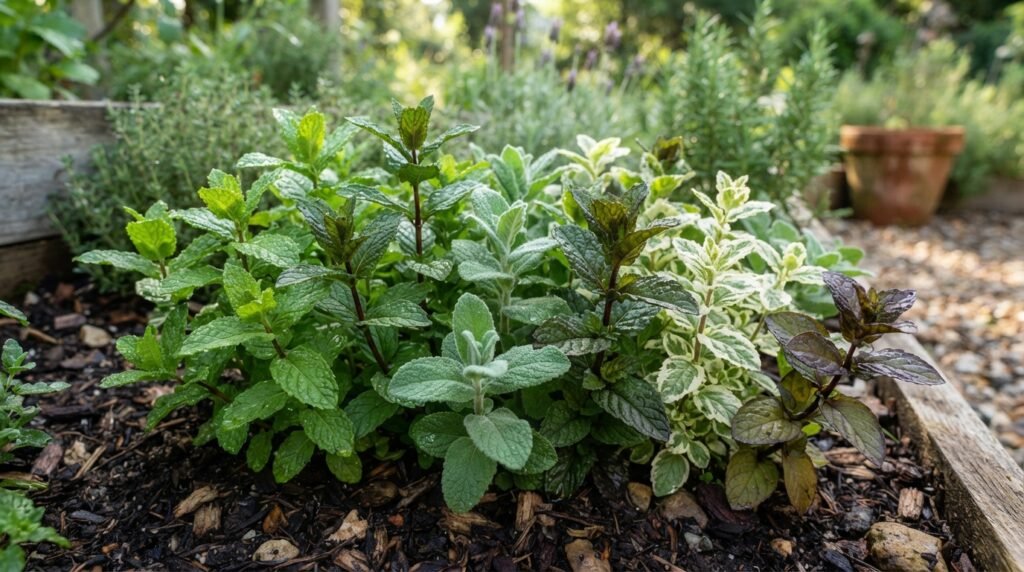
Choosing among different varieties becomes easier when you know how you plan to use the plant. For classic cooking and refreshing drinks, spearmint is a reliable option. Peppermint is better if you want a stronger cooling flavor. Chocolate mint can be fun for desserts and specialty drinks. Apple mint works well when you prefer a softer fruity flavor. Moroccan mint is a natural choice for traditional mint tea. Orange and lemon varieties are useful for citrus-inspired beverages. If appearance matters, pineapple mint can add attractive variegated foliage. Corsican mint is useful when you want a low-growing ground cover. Before buying a plant, check its label carefully. Some specialty varieties can have different names in different nurseries. Think about your growing space too. Mint can spread quickly, so containers are often useful. By matching the plant’s flavor, growth habit, and purpose to your needs, you can choose a variety that will be both attractive and useful.
How to Grow Mint at Home
Mint is generally easy to grow when its basic needs are met. Start with healthy plants from a reliable nursery or garden center. Choose a location that receives several hours of sunlight each day. Many varieties can also handle partial shade. Use fertile soil that holds moisture but drains excess water. Mint does not like staying completely dry for long periods. Water the plant when the top layer of soil begins to dry. Avoid keeping the roots constantly soaked. If planting in a garden bed, leave enough room for the plant to spread. Containers are often easier for beginners because they limit root growth. Choose a pot with drainage holes. A container that is too small may dry out quickly. Feed the plant lightly during active growth if needed. Regular harvesting encourages fresh leaves and helps keep the plant manageable. With basic care, most gardeners can enjoy fresh mint throughout much of the growing season.
Growing Mint in Containers
Containers are one of the best ways to control mint growth. Mint spreads through underground runners, and these roots can quickly move beyond their original planting area. A pot creates a physical barrier around the roots. Choose a container that is wide enough for the plant to grow comfortably. Make sure it has drainage holes at the bottom. Use a quality potting mix that holds moisture without becoming waterlogged. Place the container where the plant receives suitable sunlight. Check the soil regularly because pots can dry faster than garden beds. During hot weather, container mint may need more frequent watering. Trim the plant regularly to encourage bushier growth. Remove flowers if your main goal is leaf production. Repot the plant when the roots become crowded. You can also divide a large plant and place the sections into separate containers. Container growing gives you better control while still providing plenty of fresh leaves for the kitchen.
How Much Sun Does Mint Need?
Most mint varieties grow well with several hours of sunlight each day. Full sun can encourage strong growth and good leaf production. However, mint can also tolerate partial shade. This is helpful in hot climates where intense afternoon sunlight can stress the plant. Morning sunlight with afternoon protection can work well in warm regions. Watch the plant for signs of stress. Wilting leaves can indicate a lack of water or excessive heat. Pale growth may suggest insufficient light or another growing problem. Indoor mint should be placed near a bright window. A south-facing or east-facing window can often provide useful natural light, depending on your location. Rotate indoor pots occasionally so the plant grows evenly. Avoid placing mint directly against very hot glass. Good light helps maintain strong stems and healthy leaves. The ideal balance depends on the specific variety and your local climate.
Watering and Soil Requirements
Mint prefers soil that stays moderately moist. It does not usually perform well when allowed to become completely dry for long periods. At the same time, constantly wet soil can cause root problems. The goal is balanced moisture. Check the top part of the soil before watering. If it feels slightly dry, provide enough water to moisten the root zone. Allow excess water to drain away. Container plants may need more frequent watering than garden plants. During hot weather, check pots more often. Soil quality also matters. A fertile, well-drained mixture supports healthy roots and strong leaf growth. Adding organic matter can improve soil structure in garden beds. Avoid compacted soil because roots need access to air. Good drainage becomes especially important after heavy rainfall. If leaves repeatedly turn yellow while the soil stays wet, the plant may be receiving too much water. Adjust your watering routine according to weather and growing conditions.
How to Harvest Mint
Harvesting mint correctly encourages new growth. Use clean scissors or garden shears to cut stems above a pair of healthy leaves. Young leaves often have a fresh texture and strong aroma. You can harvest individual leaves when needed. For larger amounts, cut several stems at once. Avoid removing too much of the plant at one time. Leaving enough healthy growth helps the plant recover quickly. Morning is often a good time to harvest herbs because the leaves are fresh. Rinse the leaves gently if needed and dry them before storage. Fresh mint can be used immediately in drinks, salads, sauces, and desserts. You can also dry the leaves for later use. Another option is freezing chopped leaves in ice cubes. This works especially well for cold drinks. Regular harvesting can keep mint compact and productive. It also prevents the plant from becoming overly tall and woody.
How to Stop Mint From Taking Over the Garden
Mint’s fast growth is useful but can become a problem. Its underground runners allow it to spread beyond the original planting area. If you plant mint directly in the ground, it may eventually occupy nearby spaces. Containers provide the simplest solution. You can also use a dedicated raised planter with strong barriers. Check the area regularly for runners moving outside the desired space. Pull unwanted shoots while they are still small. Avoid allowing the plant to spread near slower-growing herbs. Mint can compete strongly for water, light, and space. Regular pruning also helps control the size of the plant. If mint has already spread widely, removing the visible stems may not be enough. Small pieces of root can produce new growth. Digging carefully and removing remaining roots can help. Always dispose of unwanted roots responsibly. Do not place them in a compost pile unless you know they will be fully contained and managed.
Common Mint Growing Problems
Mint is generally tough, but it can still experience problems. Yellow leaves may result from excess water, poor drainage, or nutrient issues. Wilted leaves may indicate dry soil or heat stress. Brown leaf edges can develop when the plant experiences dry conditions. Weak, stretched growth can occur when the plant does not receive enough light. Crowded containers can also reduce plant health. Check the roots if the plant looks unhealthy despite regular watering. Pests such as aphids and spider mites can occasionally affect mint. Inspect the undersides of leaves for small insects or webbing. Good airflow and healthy growing conditions can reduce some problems. Avoid overwatering plants that are already showing stress. Remove badly damaged leaves and monitor new growth. If a problem continues, identify the exact cause before applying a treatment. Healthy plants usually recover better from minor problems. Regular observation is one of the easiest ways to protect your mint.
Frequently Asked Questions
1. What is the most common type of mint?
Spearmint and peppermint are among the most commonly grown mint varieties. Spearmint has a milder flavor and works well in cooking and drinks. Peppermint has a stronger cooling taste because of its higher menthol content. Both are useful for home gardens. The best choice depends on the flavor you prefer and how you plan to use the leaves.
2. Which mint is best for tea?
Several varieties work well for tea. Peppermint provides a strong cooling flavor. Moroccan mint is excellent for traditional-style mint tea. Spearmint creates a milder and familiar herbal drink. Citrus varieties such as lemon or orange mint can add a fresh twist. You can also combine different leaves to create your own tea blend.
3. What type of mint smells like chocolate?
Chocolate mint is known for its minty aroma with a mild chocolate-like scent. It does not taste exactly like chocolate. However, its fragrance can make it especially interesting for desserts and drinks. It grows similarly to other mint varieties and can spread quickly. A container is often useful for controlling its roots.
4. Can different mint varieties grow together?
Different mint varieties can grow near each other, but they may spread and become difficult to separate. Their roots can intermingle over time. This can make identification harder. It is usually better to grow different varieties in separate containers. This also makes it easier to control their size and harvest individual flavors.
5. Does mint need full sun?
Most mint varieties grow well with several hours of sunlight. However, many can tolerate partial shade. In very hot climates, afternoon shade can protect the plant from excessive heat. Indoor plants need a bright location near a suitable window. Watch the plant closely and adjust its location if growth becomes weak or leaves begin showing stress.
6. Why does mint spread so quickly?
Mint spreads through underground stems called rhizomes. These stems can produce new shoots away from the original plant. This natural growth habit allows mint to fill an area quickly. It can also make the plant invasive in small garden beds. Growing mint in containers is one of the easiest ways to control its spread.
Final Thoughts
Exploring the types of mint can make herb gardening much more interesting. Each variety offers something different, from strong peppermint to gentle apple mint and fragrant citrus varieties. Some plants are best for tea, while others work beautifully in desserts, fruit salads, and refreshing drinks. You can also choose varieties based on their appearance and growth habit. Before planting, think about your available space and how you plan to use the leaves. Containers are especially helpful because mint can spread aggressively through underground roots. Give your plant suitable sunlight, moist but well-drained soil, and regular harvesting. Watch for pests, watering problems, and overcrowded roots. With simple care, mint can provide fresh leaves for much of the growing season. Start with one or two varieties that match your needs. Once you become comfortable growing them, you can experiment with more unusual varieties. A small mint collection can turn an ordinary herb garden into a fragrant and useful space.