Electrical wiring contains many small connections that play an important role in a safe system. One common method is known as pigtail wiring. A pigtail is a short piece of electrical wire used to connect other wires to a device. It can connect a group of circuit conductors to an outlet, switch, or grounding terminal. You may come across the unusual search phrase pigtail pigtail when researching this type of electrical connection. In practical electrical work, the important term is an electrical pigtail or pigtail connection. These connections are widely used because they can simplify wiring inside electrical boxes. They can also keep circuit continuity less dependent on the terminals of a single device. However, electrical work carries serious shock, fire, and electrocution risks. Correct conductor size, approved connectors, proper grounding, and secure terminations are essential. This guide explains how electrical pigtails work, where they are used, their benefits, common materials, safety concerns, and signs of connection problems.
What Is a Pigtail in Electrical Wiring?
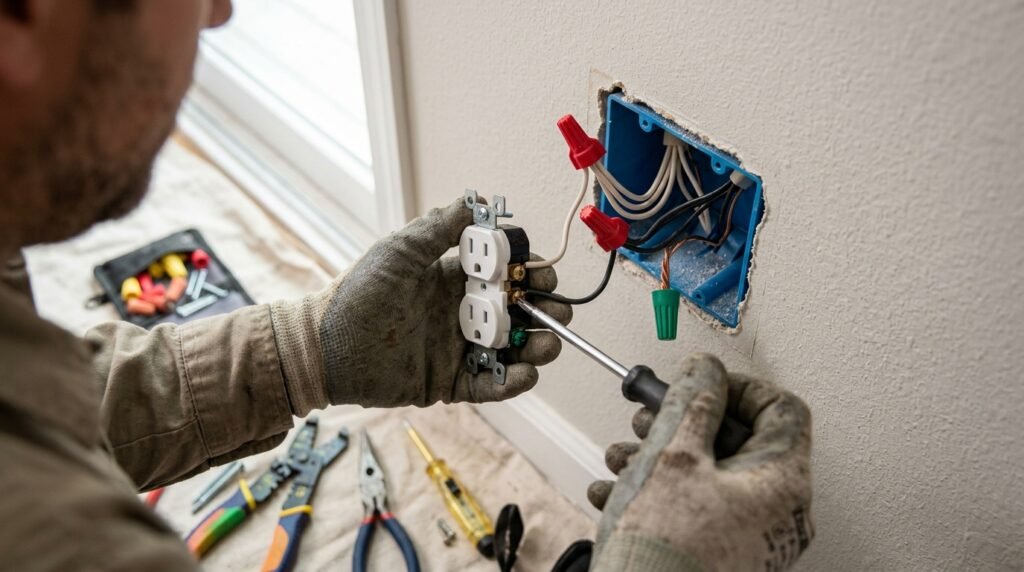
An electrical pigtail is a short conductor used to create a connection between a group of wires and an electrical device. Imagine several compatible circuit wires that need to remain electrically connected while also supplying a receptacle. Instead of placing every conductor directly onto the device, the conductors can be joined with a suitable connector. A short matching conductor leaves that splice and connects to the device terminal. That short conductor is the pigtail. The pigtail pigtail search phrase may sound repetitive, but it often points users toward this basic wiring method. Pigtails may be used with hot, neutral, or equipment grounding conductors when the circuit design and applicable electrical rules allow or require them. The conductor must be suitable for the circuit and connection. A pigtail is not simply a random scrap of wire. Its material, insulation, gauge, connector, and termination all need to match the electrical application.
Why Are Electrical Pigtails Used?
Pigtails provide a practical way to connect several conductors while making only one connection to a device terminal. This can be useful when a box contains incoming and outgoing circuit conductors. The splice keeps those conductors connected, while the short pigtail supplies the switch or receptacle. This arrangement can reduce reliance on the device itself as the path between downstream conductors. It can also make some device replacements easier because the main splice can remain together while the device is disconnected from its pigtail. Grounding is another common application. Several equipment grounding conductors may need to be joined while also connecting to a device or metal box as required. Pigtails can help accomplish this cleanly when installed correctly. However, they also add conductors and connectors inside the box. That means box-fill requirements and physical space matter. A crowded electrical box can be difficult to work in safely and can place stress on connections.
How a Pigtail Connection Works
The basic idea is easier to understand if you picture a junction point. Several conductors that are intended to be electrically common are joined using an approved connector. A short conductor is included in that same splice. The free end of the short conductor then connects to the appropriate terminal on the device. Electricity can therefore travel through the splice and along the short conductor to the device. In a properly designed circuit, the connection must remain mechanically secure and electrically reliable. The pigtail pigtail concept should never be interpreted as simply twisting random wires together. Electrical splices need connectors that are listed or approved for the conductor material, size, number, and application. Connections must also be contained in an appropriate electrical box where required. Exact installation rules depend on the electrical system and local code. When there is uncertainty, a licensed electrician is the safest person to evaluate the connection.
Where Pigtail Wiring Is Commonly Used
Pigtail connections can appear in many parts of residential electrical systems. Receptacle boxes are a common example. A box may contain conductors bringing power into the box and additional conductors carrying power onward. A pigtail can connect the splice to the receptacle. Switch boxes may also use short conductors as part of the required circuit arrangement. Equipment grounding connections are another frequent use. Grounding conductors often need to remain connected while also bonding devices or boxes where required. Light fixture boxes and junction boxes can contain similar splices. The exact configuration varies greatly, so you should never assume that every group of same-colored wires performs the same job. Wiring can be altered during renovations, and color alone does not prove a conductor’s function. Proper testing and circuit identification are essential. If you open a box and do not understand its wiring, replacing connections based only on photographs or guesses can create dangerous conditions.
Pigtail Connections for Electrical Outlets
Receptacles are one of the most common places where homeowners encounter pigtail wiring. In a typical branch circuit, one cable may bring power into a box while another continues toward additional loads. Depending on the circuit arrangement, compatible conductors may be spliced together with a short pigtail leading to the receptacle. This allows the receptacle to receive power without using its terminals as the only connection between certain upstream and downstream conductors. The exact method must match the device instructions and applicable electrical code. Special receptacles can also require different treatment. GFCI receptacles, for example, have LINE and LOAD terminals with specific purposes. Incorrectly connecting them can prevent intended protection or cause improper operation. Never copy a standard receptacle arrangement onto a specialized device without understanding the manufacturer’s instructions. Electrical outlet wiring should be treated as safety-critical work because an apparently working receptacle can still contain a loose, overheated, or incorrectly wired connection.
Pigtail Connections for Switches
Switch boxes can also contain pigtails. One example occurs when a constant hot conductor needs to supply more than one switch. Instead of attempting to place multiple conductors on a terminal that is not designed for them, an approved splice can distribute power through separate short conductors. Each pigtail can then connect to the appropriate device terminal. This can create a cleaner and more organized arrangement when designed correctly. However, switch wiring can become complicated quickly. Modern boxes may contain multiway switching, smart switches, neutral conductors, travelers, grounding conductors, or multiple circuits. Wire color is not always enough to identify function. The pigtail pigtail approach does not replace circuit knowledge. Before changing switch wiring, the circuit must be de-energized and verified using suitable testing equipment. If multiple circuits enter the same box, additional hazards can exist even after one breaker is switched off. Complex switch boxes are often best handled by a qualified electrician.
Ground Wire Pigtails
Grounding is a particularly important use of electrical pigtails. Equipment grounding conductors provide a low-impedance fault-current path that helps protective devices operate when certain electrical faults occur. Where several grounding conductors meet in a box, they may need to be connected together and bonded to devices or metal boxes as required. Short grounding pigtails can provide these connections. Bare copper or insulated green conductors are commonly associated with equipment grounding, depending on the wiring system. However, proper grounding is more than simply connecting green or bare wires together. The connector must be suitable, and metal boxes may require approved bonding methods. Devices also need correct grounding connections when applicable. Never remove a grounding connection because a box feels crowded. If there is not enough room for safe wiring, the box size and fill should be evaluated. Grounding errors can remain hidden during normal operation yet become extremely important during a fault.
Hot Wire Pigtails
A hot conductor carries energized voltage under normal circuit conditions. Pigtailing hot conductors may be used to distribute an incoming supply to one or more devices. For example, a splice may connect an incoming hot conductor, an outgoing hot conductor, and a short pigtail feeding a receptacle. In a multi-device box, properly designed splices can also supply separate switches. Because hot conductors can cause severe shock, identifying them correctly is critical. Never assume a conductor is safe because a wall switch is off. De-energize the circuit at the correct breaker or disconnect and verify the absence of voltage with appropriate equipment. The conductor size must remain suitable for the circuit. The pigtail pigtail connection must also use a connector rated for the specific conductor combination. Loose hot connections can create resistance and heat. Any signs of burning, melting, or repeated breaker operation deserve immediate professional attention rather than a quick cosmetic repair.
Neutral Wire Pigtails
Neutral conductors are also commonly spliced in electrical boxes. In many circuits, several neutral conductors need to remain electrically continuous while serving connected loads. A pigtail may connect the neutral splice to a device when appropriate. Neutral wires are often white or gray in North American wiring systems, but color should never be the only method used to determine conductor function. Existing installations can contain unusual or incorrectly marked wiring. Neutral conductors also should not be treated as harmless simply because they are called neutral. Under normal operation, they can carry current. Certain circuit arrangements create additional requirements for neutral handling. Multiwire branch circuits are one example where correct connections and breaker arrangements are important. If you do not understand why several neutral wires are joined in a box, do not separate them casually. A licensed electrician can identify the circuit and determine the proper connection method before changes are made.
Choosing the Correct Wire for a Pigtail
A pigtail conductor needs to be appropriate for the circuit it serves. One of the most important considerations is conductor size. The short length of the pigtail does not make undersized wire acceptable. It must be selected according to the circuit, conductor material, terminal requirements, and applicable code. The insulation type must also be appropriate for the location and application. Copper and aluminum wiring require special attention because connectors and terminals are not automatically interchangeable between conductor materials. Never join dissimilar conductors with a connector unless that connector is specifically identified for the combination. The device terminal must also accept the conductor being used. When repairing an older installation, do not assume a leftover piece of modern wire is automatically suitable. Existing aluminum branch-circuit wiring, unusual insulation, or damaged conductors can require specialized evaluation. Correct material selection is a basic part of making a safe and durable electrical connection.
Why Wire Gauge Matters
Wire gauge relates to conductor size and current-carrying requirements. Using a conductor that is too small can create dangerous heating. A short pigtail does not receive an exemption simply because it is only several inches long. It remains part of the circuit. The safest approach is to follow the circuit requirements, device instructions, connector ratings, and local electrical code. In common residential work, different branch circuits may use different conductor sizes based on their rating and application. However, homeowners should not select wire solely from a simple internet chart. Existing circuit conditions can affect what is permitted. The pigtail pigtail connection must be considered as part of the complete electrical system. When you encounter unfamiliar wire sizes or mixed conductor materials, stop and identify the installation before making changes. If the breaker size and conductor size appear inconsistent, a licensed electrician should inspect the circuit. Increasing breaker size is never a safe fix for wiring problems.
Choosing the Correct Wire Connector
The connector is just as important as the wire. Twist-on wire connectors are common in residential wiring, but they come in different sizes and ratings. A connector designed for two small copper conductors may not be suitable for a larger bundle. Push-in and lever-style connectors are also available, but each product has specific conductor requirements. Read the manufacturer’s markings and instructions rather than choosing a connector based only on color or appearance. The connector must be listed or approved for the conductor material, size, number, and type being joined. Strip length also matters. Too much exposed copper can create a hazard, while too little can prevent a secure connection. Some connectors require specific preparation methods. Never reuse damaged connectors. After completing a splice, the connection should be secure with no unintended bare conductor exposed. If a wire pulls free easily, the splice is not acceptable and must be corrected before energizing the circuit.
How Long Should an Electrical Pigtail Be?
A pigtail should provide enough conductor length for a secure splice and a comfortable connection to the device. Conductors inside boxes also need enough free length to meet applicable electrical requirements and allow practical servicing. The reference article you provided notes a minimum pigtail length of about six inches. However, exact installation requirements should always be checked against the electrical code that applies where the work is being performed. Making the wire extremely short can create unnecessary tension and make future device replacement difficult. Making it excessively long can contribute to crowding inside a small box. The best arrangement leaves enough working length without forcing a large bundle behind the device. Fold conductors carefully rather than crushing them into the box. If the box cannot safely contain the required wires, connectors, and device, increasing box capacity may be necessary rather than shortening conductors simply to make everything fit.
Understanding Electrical Box Fill
Adding pigtails can increase the number of conductors and connections inside an electrical box. Electrical codes limit how much wiring can safely occupy a box. These box-fill rules help prevent excessive crowding, conductor damage, and difficult installation. Box size, conductor size, devices, internal clamps, and grounding conductors can all affect the calculation. This is one reason electrical work cannot always be reduced to connecting wires with matching colors. A pigtail pigtail arrangement may be electrically logical but still create a problem if the box lacks enough capacity. Overfilled boxes can place pressure on connectors and make it difficult to position devices without damaging insulation. If you are adding a device or changing the wiring configuration, box fill should be checked before completing the project. When calculations or local requirements are unclear, consult a licensed electrician. A larger approved box is often safer than forcing additional wiring into an undersized enclosure.
How Electrical Pigtails Improve Serviceability
One practical benefit of pigtail wiring is easier device servicing in many configurations. When circuit conductors are properly spliced together and a short lead connects that splice to the device, removing the device does not necessarily require separating the main circuit splice. This can make replacement work more organized. It can also keep downstream continuity from relying solely on some device terminal arrangements. However, this advantage exists only when the original splice is correctly designed and installed. A loose splice can affect every conductor connected to it. More connections do not automatically mean a safer system. Each connection needs to be mechanically secure and suitable for the electrical load. Good workmanship includes leaving enough conductor length, using approved connectors, arranging wires carefully, and avoiding unnecessary crowding. Labeling unusual circuit arrangements during professional work can also help future servicing. Electrical reliability depends on the quality of every termination, not merely on the wiring method selected.
Basic Safety Before Working on Electrical Wiring
Electrical safety must come before any repair or modification. Turn off the correct circuit at the service panel before opening or handling wiring. Then verify that the circuit is actually de-energized using an appropriate electrical tester. Do not trust a label on the panel without verification. Panels are sometimes mislabeled, and boxes can contain conductors from more than one circuit. Use insulated tools appropriate for electrical work and keep the area dry. Never work on wiring while standing in water or touching grounded metal surfaces unnecessarily. The pigtail pigtail wiring method is simple in concept, but mistakes can cause shock, fire, equipment damage, or electrocution. If you find damaged insulation, melted connectors, aluminum wiring, multiple unfamiliar circuits, or signs of overheating, stop. Those conditions deserve professional evaluation. Electrical work should also comply with local permits, codes, and inspection requirements. When you are not qualified to perform the work safely, hire a licensed electrician.
General Process Behind a Pigtail Connection
At a high level, making a pigtail involves identifying the correct conductors, de-energizing and verifying the circuit, selecting a suitable short conductor, and joining it to the intended circuit wires with an approved connector. The free end then connects to the correct device terminal. The splice must be secure, and the wires must fit safely inside the electrical box. That sounds simple, but each step depends on accurate circuit identification. Connecting the wrong conductors can create a short circuit, defeat a switch function, create an unsafe grounding condition, or damage equipment. Specialized devices can also have unique terminal requirements. For this reason, a general description should not replace the manufacturer’s wiring diagram or applicable electrical code. When the existing wiring does not match expected diagrams, do not improvise. An electrician can trace the circuit and determine why the box is wired differently. Safe electrical work depends on understanding the actual circuit rather than copying a generic arrangement.
How to Recognize a Good Connection
A good electrical splice should be mechanically secure and appropriate for every conductor involved. The connector should sit firmly on the conductors without loose wires. Bare conductive material should not extend beyond the connector except where specifically required by the approved connection method. Insulation should remain intact and should not be pinched or damaged. The pigtail should have enough length to reach the device without being pulled tight. At the device, the conductor should be attached using a terminal method permitted by the manufacturer. Wires should fold into the box without severe bends or pressure on the connector. The device should sit normally in the box rather than needing excessive force to push it into place. After installation, abnormal heat, buzzing, burning smells, discoloration, or intermittent operation are warning signs. Any such symptoms should be investigated promptly with the circuit de-energized and professional assistance when appropriate.
Common Pigtail Wiring Mistakes
Several mistakes can turn a simple connection into a serious hazard. Using the wrong wire size is one example. Choosing a connector that is not rated for the conductor combination is another. Loose splices can create resistance and overheating. Excessive exposed copper can increase the chance of unintended contact. Cutting conductors too short makes future servicing difficult and can stress connections. Overfilling the electrical box creates additional problems. Another dangerous mistake is assuming the circuit is dead because a switch is off. Power must be disconnected at the correct breaker or disconnect and verified. The pigtail pigtail method also should not be used to join conductors that are not supposed to be electrically connected. Similar wire colors do not guarantee identical functions. Finally, damaged or overheated wiring should not simply be covered with a new connector. The reason for the damage must be identified and corrected before the circuit returns to service.
Loose Pigtail Connections and Their Risks
Loose electrical connections can be dangerous because resistance at the connection can produce heat. Over time, heat can damage insulation, connectors, devices, or surrounding materials. A loose connection may also create intermittent power. Lights might flicker, a receptacle may work only sometimes, or connected equipment may lose power unexpectedly. Buzzing or crackling sounds can be warning signs. A burning smell or visible discoloration requires immediate attention. Turn off the affected circuit when it is safe to do so and contact a qualified electrician. Do not continue using a receptacle that appears burned or melted. Simply tightening an unknown connection may not solve the underlying issue. Heat damage can extend beyond the visible terminal. Conductors, connectors, and devices may require replacement. Electrical problems can worsen over time, so early attention is important. A reliable splice should remain secure under normal operating conditions without overheating or intermittent behavior.
Pigtails and GFCI Receptacles
Ground-fault circuit interrupter receptacles require special attention because they have designated LINE and LOAD connections. The LINE terminals supply the GFCI device itself. LOAD terminals can provide GFCI protection to properly connected downstream devices. Mixing these connections can cause incorrect operation. Pigtails may be part of some installations, but the correct arrangement depends on which downstream conductors should receive GFCI protection. Never treat a GFCI receptacle exactly like a basic receptacle without reading its instructions. Modern devices often include clear terminal markings and manufacturer diagrams. Follow those directions carefully. After installation, GFCI protection should be tested using the device’s test function as instructed by the manufacturer. If the device will not reset or behaves unexpectedly, do not bypass its protection. Incorrect wiring, lack of power, or another circuit issue may be present. Kitchens, bathrooms, garages, outdoor locations, and other areas can have specific GFCI requirements under applicable codes.
Pigtails in Metal Electrical Boxes
Metal electrical boxes can require bonding to the equipment grounding system. A grounding pigtail may connect the grounding conductors to the metal box using an approved grounding screw, clip, or other permitted method. The device may also require its own grounding connection depending on the installation. This is an important safety detail because exposed metal parts should not become an uncontrolled shock hazard during a fault. Never use a random screw as a grounding connection. Grounding hardware must be suitable for that purpose. Paint, corrosion, or poor contact can also affect bonding. If you are working with an older metal box and cannot identify the grounding method, professional inspection is wise. Older wiring systems may not match modern practices. Upgrading one device without understanding the rest of the grounding path can create a false sense of safety. Proper bonding must be continuous and appropriate for the electrical system.
Copper and Aluminum Wiring Considerations
Copper is common in modern residential branch circuits, but some homes contain aluminum conductors. Aluminum wiring requires special connectors, terminals, and installation methods. You should never assume a connector suitable for copper is also suitable for aluminum. Mixing conductor materials incorrectly can create unreliable connections and dangerous overheating. If you discover aluminum branch-circuit wiring, do not create an improvised pigtail pigtail repair using ordinary copper wire and standard connectors. Products and remediation methods must be specifically approved for the conductors and application. Existing aluminum wiring can also require evaluation for signs of overheating or previous improper repairs. A qualified electrician familiar with aluminum wiring can identify the system and recommend an appropriate method. This is an area where saving money through an improvised repair can create significant risk. Always follow connector listings, device ratings, applicable codes, and professional guidance when different conductor materials are involved.
Troubleshooting a Pigtail Connection
Troubleshooting begins with safety and observation rather than immediately taking wires apart. If a device stops working, determine whether other devices on the same circuit have also lost power. Check whether the breaker or GFCI has operated. Repeated tripping can indicate a fault that needs investigation. Never keep resetting a breaker without understanding why it trips. With power safely disconnected, a professional may inspect connections for loose conductors, damaged insulation, overheating, or failed devices. Troubleshooting can become difficult because the visible problem may be downstream from the actual fault. A failed splice in one receptacle box can affect another receptacle elsewhere. Specialized testing equipment helps locate these problems. Homeowners should avoid opening several boxes and changing connections at random. That can make the original problem harder to diagnose. When circuit behavior is confusing, professional troubleshooting is usually safer and faster than trial-and-error rewiring.
When Should You Call an Electrician?
Call a licensed electrician whenever the wiring is damaged, confusing, overheated, or outside your skill level. Burning smells, melted insulation, blackened devices, sparking, buzzing, repeated breaker trips, and warm electrical covers are strong warning signs. Older homes can also contain wiring methods that require specialized knowledge. Aluminum conductors, ungrounded circuits, shared neutrals, crowded boxes, and multiple circuits in one enclosure can make apparently simple work more complicated. You should also seek professional help when local law requires licensed electrical work or permits. The cost of professional service should be compared with the consequences of an unsafe repair. Electrical faults can cause serious injury and property damage. A good electrician can identify the circuit, verify conductor sizes, check box capacity, select approved connectors, and test the completed installation. When safety is uncertain, stopping the project is the correct decision rather than guessing how a connection should be made.
Benefits of Proper Pigtail Wiring
A correctly designed pigtail connection can make electrical boxes more organized and devices easier to service. It can connect several compatible conductors while using a single lead to the appropriate device terminal. In some configurations, this also helps keep circuit continuity independent of the removable device. Grounding pigtails can support proper bonding of devices and metal boxes. However, the benefits depend completely on correct installation. A poor splice can become a weak point in the circuit. The connector, conductor size, material, box capacity, and terminal method all matter. The pigtail pigtail concept is therefore best understood as a useful wiring technique rather than a shortcut. Good electrical work is based on approved components, proper circuit design, manufacturer instructions, and applicable electrical codes. When those requirements are followed, pigtailing can be a practical part of safe residential and commercial wiring systems.
Frequently Asked Questions
1. What is an electrical pigtail?
An electrical pigtail is a short piece of conductor used between a wire splice and an electrical device or grounding point. It allows several compatible circuit conductors to remain joined while a short lead connects to a receptacle, switch, box, or other approved termination. Its size, material, insulation, and connection method must suit the circuit.
2. Why do electricians use pigtails?
Electricians use pigtails to connect a group of compatible conductors to devices in an organized way. They are common for receptacles, switches, and grounding connections. Depending on the circuit, pigtails can also make device replacement easier because the main splice can remain intact. Every connection still needs approved components and proper installation.
3. Does a pigtail need to be the same wire gauge?
The conductor must be properly sized for the circuit and application. A short length does not make undersized wire safe. The source article you provided specifically advises matching the circuit wire gauge. Always follow applicable electrical codes, connector ratings, and device instructions. If conductor sizing is unclear, have an electrician identify the circuit before modifying it.
4. Can pigtails be used for ground wires?
Yes. Grounding pigtails are common in electrical work. They may connect grounding conductors to a device or bond a metal electrical box as required. The connection must use approved hardware and maintain a reliable grounding path. Never remove or alter grounding connections simply to create additional space inside an electrical box.
5. Are electrical pigtails safe?
Yes, when they are correctly designed and installed using suitable conductors and approved connectors. Poor connections can become dangerous. Loose splices, undersized wires, incompatible materials, or incorrect terminals can cause overheating or other hazards. Electrical work should follow device instructions, local requirements, and applicable electrical codes.
6. Can I make an electrical pigtail myself?
That depends on your electrical knowledge, local rules, and the complexity of the circuit. Even a small wiring error can create shock or fire hazards. Power must be disconnected and verified before work begins. If you cannot confidently identify every conductor and connection, use a licensed electrician rather than experimenting with energized household wiring.
Conclusion
The pigtail pigtail search may lead to a simple concept, but safe electrical pigtail wiring requires careful attention. A pigtail is a short conductor that connects a wire splice to a device, box, or other appropriate termination. It can be used with receptacles, switches, grounding systems, and many other electrical arrangements. The method can make wiring organized and improve serviceability when installed correctly. However, conductor size, connector ratings, wire material, box capacity, grounding, and terminal requirements cannot be ignored. Never assume wires are safe based on color alone, and never work on a circuit without disconnecting and verifying power. Signs of heat, burning, damaged insulation, or repeated breaker operation require immediate attention. Most importantly, recognize the limits of DIY electrical work. When a circuit is unfamiliar or potentially damaged, a licensed electrician can make sure the connection is identified, repaired, and tested safely.