Koriandri is a word associated with coriander, a popular herb and spice used in kitchens around the world. The botanical name of the plant is Coriandrum sativum. In Pakistan, it is commonly called dhania. Its fresh green leaves add a fresh, citrus-like flavor to food, while its dried seeds provide a warm, slightly sweet and earthy taste. However, the word has an interesting language connection. Koriandri is not the name of a separate plant or newly discovered herb. It is a grammatical form of the Estonian word koriander, which means coriander. Understanding this distinction makes it easier to identify the ingredient when reading recipes or searching for cooking information. This article explains what koriandri means, how coriander grows, the differences between its leaves and seeds, its flavor, cooking uses, nutritional value, storage, and practical growing advice.
What Does Koriandri Mean?
The word koriandri comes from Estonian language usage. The main Estonian word is koriander, which means coriander in English. According to the Estonian Language Institute’s combined dictionary, koriandri is one of the grammatical forms of koriander. It is not a separate botanical name. The dictionary also describes coriander as a plant whose leaves, seeds, and roots can be used as herbs or flavoring ingredients. This distinction matters because some English websites present the word as an unusual herb or a newly popular food ingredient. In reality, the plant itself has been used in cooking for generations. The botanical identity remains the same, regardless of the language used to describe it. Someone searching for koriandri will generally find information about ordinary coriander, including its fresh leaves, dried fruits, and culinary uses. koriander+1
Is Koriandri the Same as Coriander?
Yes. In the context of food and herbs, koriandri refers to coriander rather than a different plant. Coriander belongs to the Apiaceae family, which also includes carrots, celery, parsley, and fennel. Its accepted scientific name is Coriandrum sativum. The Royal Botanic Gardens, Kew recognizes this species and records its native range from the eastern Mediterranean region to western Pakistan. It is now cultivated in many parts of the world. The plant produces fresh leaves, branching stems, small flowers, and round fruits that are commonly called coriander seeds. Each part has a slightly different culinary role. This explains why the same plant can appear in recipes under several different ingredient names. It also explains why a recipe asking for fresh cilantro is not necessarily asking for dried coriander powder. Kew Science+1
What Is the Difference Between Coriander and Cilantro?
Coriander and cilantro are two names associated with the same plant, but their everyday meanings vary by country. In the United States, cilantro usually describes the fresh leaves and tender stems. Coriander commonly refers to the dried seeds. In the United Kingdom, Pakistan, India, and several other countries, coriander can describe both the fresh herb and its seeds. This difference can cause confusion when following international recipes. For example, an American recipe that requests one tablespoon of chopped cilantro needs fresh green leaves. A recipe asking for ground coriander needs the dried, powdered spice instead. These ingredients are not interchangeable in equal amounts because their flavors and textures differ. Fresh leaves provide a bright herbal taste, while dried seeds have a warmer and more rounded flavor. Checking the ingredient description is more useful than relying on its name alone.
What Does the Coriander Plant Look Like?
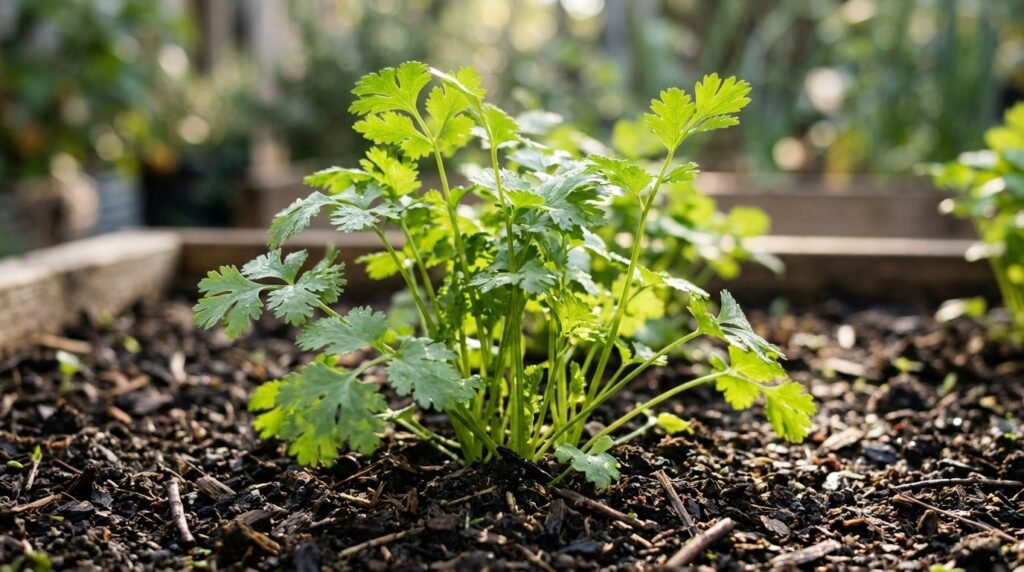
Coriander is an annual herb, meaning it completes its life cycle within one growing season. Young plants have soft green leaves and thin stems. Their lower leaves are usually broader and more rounded than the delicate leaves that develop higher on the plant. As the plant matures, its stems become taller and produce clusters of small flowers. These flowers are generally white or slightly pink. They grow in structures called umbels, where several small flower stalks spread from a central point. After flowering, the plant develops small, rounded fruits. These fruits are harvested and dried for use as coriander seeds. The appearance changes considerably during growth, so a young kitchen herb may look different from a mature seed-producing plant. Kew’s botanical records describe the species as an erect, branched annual herb with divided leaves and small flowers. Kew Science+1
The Different Parts of the Coriander Plant
One useful feature of coriander is that several parts can be used in food. Fresh leaves are the most familiar part in many households. They are chopped for garnishing, chutneys, salads, and cooked dishes. The stems are also edible and can add flavor to sauces, soups, and marinades. They are often firmer than the leaves, but they contain useful aroma. Roots are used in some Asian cooking traditions, particularly in certain Southeast Asian preparations. They have a deeper flavor than the leaves and can be crushed with other ingredients. The dried fruits are commonly known as coriander seeds. They can be used whole, crushed, or ground into powder. These different parts should not be treated as identical ingredients. A recipe that needs fresh leaves usually depends on their light, fresh aroma. A recipe that uses seeds often needs their deeper spice flavor. Choosing the correct plant part makes a noticeable difference to the final dish.
What Does Koriandri Taste and Smell Like?
The taste of koriandri depends on which part of the coriander plant is being used. Fresh leaves have a green, fresh, and slightly citrus-like flavor. Some people also notice a peppery or sharp herbal note. The taste is especially noticeable when leaves are eaten raw in chutneys or salads. Coriander seeds have a different flavor. They are usually described as warm, mild, earthy, and slightly sweet, with citrus-like notes. Grinding the seeds releases their aroma and makes them easier to mix into food. Toasting whole seeds briefly can also bring out their fragrance, although excessive heating may burn them. Another interesting feature is that people do not experience fresh coriander in exactly the same way. Some enjoy its fresh taste, while others describe it as soapy. Research has linked this difference partly to genetic variation in smell receptors. It does not mean the herb is spoiled or unsafe. REVIEW ARTICLE+1
Why Does Coriander Taste Like Soap to Some People?
The soapy taste associated with fresh coriander is a well-known food preference difference. Certain people are more sensitive to specific aromatic compounds found in the leaves. Genetic differences in olfactory receptors can affect how these compounds are detected. As a result, the same bunch of coriander may taste fresh and pleasant to one person but unpleasant to another. This reaction is not necessarily caused by poor quality, incorrect storage, or contamination. It can happen even when the leaves are fresh and properly washed. Cooking may change the overall flavor because heat affects the aroma of fresh herbs. Some people who dislike raw coriander find small amounts more acceptable in cooked food. Others prefer to leave it out completely. There is no need to force the ingredient into every recipe. Parsley, mint, or other suitable herbs may provide a different fresh flavor, depending on the dish.
How Is Koriandri Used in Everyday Cooking?
Koriandri has a place in many food traditions because it can add different flavors at different cooking stages. In Pakistani cooking, fresh dhania is commonly used in curries, daal, rice dishes, raita, and green chutney. It is often added near the end of cooking to preserve its fresh aroma. Some people also use it as a finishing garnish immediately before serving. Dried coriander seeds are common in spice mixtures and powdered seasonings. They can be added to meat marinades, vegetable dishes, lentils, and gravies. Whole seeds may be included in pickling mixtures or toasted before grinding. Fresh stems can be blended into sauces or finely chopped into cooked dishes. Roots can also be included in selected marinades and pastes. Each preparation gives a different result. Fresh leaves brighten a dish, while ground seeds add depth and warmth. Using both forms in the same recipe can create a layered flavor, provided their quantities suit the other ingredients.
Popular Dishes That Use Fresh Coriander
Fresh coriander is especially useful in dishes where a fresh herbal flavor balances rich or spicy ingredients. In Pakistan, chopped dhania is often sprinkled over chicken karahi, daal, vegetable curries, biryani, and chickpea dishes. It also forms part of many homemade green chutneys. These chutneys often combine coriander with mint, green chilies, lemon juice, and other ingredients. In Mexican cooking, cilantro is commonly added to salsa, tacos, and fresh sauces. In some Middle Eastern recipes, fresh coriander appears in herb mixtures, salads, and cooked vegetable dishes. It can also improve simple foods such as omelets, sandwiches, and yogurt dips. The timing of addition makes a difference. Adding fresh leaves too early can reduce their bright aroma during long cooking. Adding them near the end usually preserves more of their fresh character. However, some recipes deliberately cook coriander with other ingredients to develop a more blended flavor.
How to Use Coriander Seeds and Powder
Coriander seeds are the dried fruits of the plant, and they are widely used as a spice. They can be added whole to certain recipes or ground into a fine powder. Whole seeds are useful in pickling mixtures, spice blends, and preparations where a gentle flavor release is preferred. Ground coriander is easier to distribute through gravies, marinades, and dry seasonings. For a stronger aroma, whole seeds can be lightly toasted in a dry pan before grinding. Keep the heat moderate and stir them regularly. Remove them once their fragrance becomes noticeable. Let them cool before grinding. Burnt seeds can create a bitter taste that affects the whole dish. Ground spice also loses its aroma gradually during storage, so buying smaller quantities may be practical for households that cook occasionally. If a recipe requests fresh leaves, coriander powder is not a suitable direct replacement. They serve different purposes and produce different results.
Nutritional Value of Fresh Coriander
Fresh coriander is a low-calorie herb that contributes flavor and small amounts of nutrients to meals. Its nutritional contribution depends on the amount consumed. A small garnish adds aroma but should not be treated as a major source of daily nutrition. Fresh leaves contain water, dietary fiber, and several vitamins and minerals. Their exact nutritional content can vary with growing conditions, freshness, and serving size. Coriander seeds have a different nutritional profile because they are dried and more concentrated. They also contain aromatic oils and other plant compounds that contribute to their characteristic flavor. However, the amount of seeds used in an ordinary recipe is usually small. It is therefore more useful to consider coriander as part of a varied diet rather than a standalone nutritional solution. Fresh herbs can make simple meals more enjoyable without requiring large amounts of salt or heavy sauces. Their main everyday value is often the flavor they bring to balanced meals.
What Are the Potential Health Benefits of Coriander?
Coriander contains naturally occurring plant compounds, including aromatic oils and other substances studied for their biological activity. These compounds have attracted scientific interest, but laboratory findings do not automatically prove health benefits in people. Traditional food practices have used different parts of the plant in various preparations. That history can explain its cultural importance, but it does not establish that coriander treats or prevents a medical condition. Eating fresh coriander as part of ordinary meals can contribute variety to a balanced diet. It may also help make vegetables, lentils, and other foods more appealing. However, claims that coriander detoxifies the body, cures diabetes, removes heavy metals, or treats serious diseases should not be accepted without strong clinical evidence. Food ingredients should not replace prescribed medication or professional care. Coriander is best enjoyed as a culinary herb and spice, not as a guaranteed treatment. Anyone considering concentrated extracts or supplements should check their suitability with a qualified healthcare professional.
Can You Eat Coriander Every Day?
For most people, ordinary culinary amounts of fresh coriander and coriander seeds can be included in everyday meals. Many households already use these ingredients regularly without treating them as special supplements. The amount needed depends on the dish and personal taste. A small handful of chopped leaves may be enough to garnish a family meal, while a spice mixture may require only a modest quantity of ground seeds. Eating more does not automatically provide greater nutritional or health benefits. People with a known allergy or previous reaction to coriander should avoid it and seek appropriate medical advice. Concentrated oils and extracts are different from normal food portions because they can provide much higher exposures to plant compounds. They should not be treated as interchangeable with fresh leaves. For normal cooking, a varied diet and sensible portions remain more useful than relying heavily on one herb.
How to Select Fresh Coriander at the Market
Good-quality coriander should look fresh and reasonably firm. The leaves should have a natural green color and should not appear extensively yellow, slimy, or decayed. Stems should feel reasonably firm rather than completely limp. A fresh herbal smell is another useful sign, although its strength can vary. Avoid bunches with visible mold, unpleasant odors, or extensive soft rot. Some minor leaf damage does not necessarily make the entire bunch unusable. However, heavily damaged or spoiled leaves should be removed. Check the lower stems as well as the upper leaves because moisture and decay can collect near the base. If buying coriander for seeds, look for dry, clean seeds without visible mold or insect damage. Whole seeds should have a pleasant spice aroma when gently crushed. Choosing good ingredients at the market helps reduce waste and makes storage easier after bringing them home.
How to Wash and Prepare Fresh Coriander
Fresh coriander can carry soil, dust, and other unwanted material from harvesting and transport. Washing it properly before use is a sensible kitchen practice. First, remove damaged or decaying leaves. Separate the stems if dirt has collected around their base. Rinse the usable leaves and stems under clean running water. Gently move them around so that trapped soil can loosen. If the bunch is particularly dirty, place it in a clean bowl of water and move it gently before rinsing again. Drain the water and dry the leaves using a clean kitchen towel or salad spinner. Excess moisture can make chopped herbs deteriorate faster during storage. Use clean knives, chopping boards, and containers to reduce the risk of cross-contamination. Do not wash fresh herbs with household soap or detergent. Clean running water is appropriate for washing ordinary fresh produce. Prepare only the quantity needed when possible, especially if the remaining bunch will be stored for several days.
How to Store Koriandri and Keep It Fresh
Fresh coriander can lose moisture and become limp if it is left exposed to air for too long. Refrigeration can help slow deterioration, although the storage method also matters. Remove damaged leaves and check the bunch for excess dirt. Avoid placing very wet coriander directly into a tightly closed container. Gently dry the leaves first. One practical method is to wrap the bunch loosely in a clean, slightly absorbent paper towel and place it inside a suitable refrigerator container or bag. Check it regularly and replace the towel if it becomes very wet. Another option is to keep the stems in a small amount of water inside a clean container, with the leaves protected from excessive moisture. Storage results can vary depending on the freshness of the bunch and refrigerator conditions. Keep fresh herbs away from raw meat and other foods that could contaminate them. Do not rely on appearance alone if the leaves develop mold, slime, or an unpleasant smell.
Can You Freeze Fresh Coriander?
Yes. Freezing is a practical way to preserve coriander when a bunch is too large to use immediately. Start by removing damaged leaves and washing the remaining herb. Dry it thoroughly because excess water can form ice crystals and affect its texture. Chop the leaves and stems if you usually use them that way. Place small portions into a freezer-safe container or bag. You can also freeze chopped coriander in an ice cube tray with a little water. Once frozen, transfer the portions to a suitable freezer container. These portions are convenient for cooked dishes, sauces, and soups. Frozen coriander generally becomes softer after thawing, so it may not have the same texture as fresh leaves. It is therefore better suited to cooking than to fresh garnishing. Labeling the container with the freezing date can help you manage your stored ingredients. Always use clean utensils when removing portions.
How to Grow Coriander at Home
Growing coriander at home can provide a convenient supply of fresh leaves for everyday cooking. It can grow in garden beds, outdoor containers, or suitable balcony spaces. Start with coriander seeds intended for planting rather than assuming every kitchen spice will germinate well. Some commercially sold seeds may have been processed or stored in ways that affect germination. Choose a container with drainage holes if growing in a pot. Use a suitable, well-draining growing medium that can retain some moisture without remaining waterlogged. Sow seeds directly into the growing space because coriander develops a taproot and generally does not benefit from unnecessary transplanting. Follow the seed supplier’s planting guidance for depth and spacing. Water gently after sowing. Keep the soil evenly moist during germination, but avoid soaking it. Once seedlings appear, remove crowded or weak plants where necessary. Good spacing allows better airflow and reduces competition for light and water.
What Growing Conditions Does Coriander Need?
Coriander generally grows well in mild conditions with adequate light and suitable soil moisture. It needs enough light for healthy growth, although some protection from intense afternoon heat can help in warmer climates. Soil should drain properly because constantly waterlogged roots can suffer. At the same time, prolonged dryness can stress young plants. Regular but moderate watering is more useful than repeatedly flooding the container. The best growing schedule depends on local weather, sunlight, container size, and the variety being grown. In very hot conditions, coriander may flower early instead of producing leaves for a longer period. This process is called bolting. Once bolting begins, the plant directs more energy toward flowers and seed production. The leaves can become less suitable for harvesting as a tender leafy herb. Growing during cooler weather or providing partial shade during hot periods may help extend the leafy stage. Local planting advice is useful because conditions vary considerably between regions.
When Should You Harvest Coriander Leaves?
You can begin harvesting young coriander leaves once the plants have developed enough healthy growth to tolerate light cutting. Avoid removing too much foliage from very small seedlings. Use clean scissors to cut suitable outer stems while allowing the remaining plant to continue growing. Regular light harvesting can provide fresh leaves without removing the entire plant at once. If the plant is grown mainly for leaves, harvesting before extensive flowering is usually more practical. However, some gardeners deliberately allow plants to mature because they want coriander seeds. The choice depends on the intended use. For kitchen harvesting, pick only what is needed and avoid leaving cut leaves exposed to heat for long periods. Harvesting during cooler parts of the day can help keep the leaves in better condition before they reach the kitchen. Handle the stems gently because bruising can reduce their fresh appearance.
How to Harvest and Dry Coriander Seeds
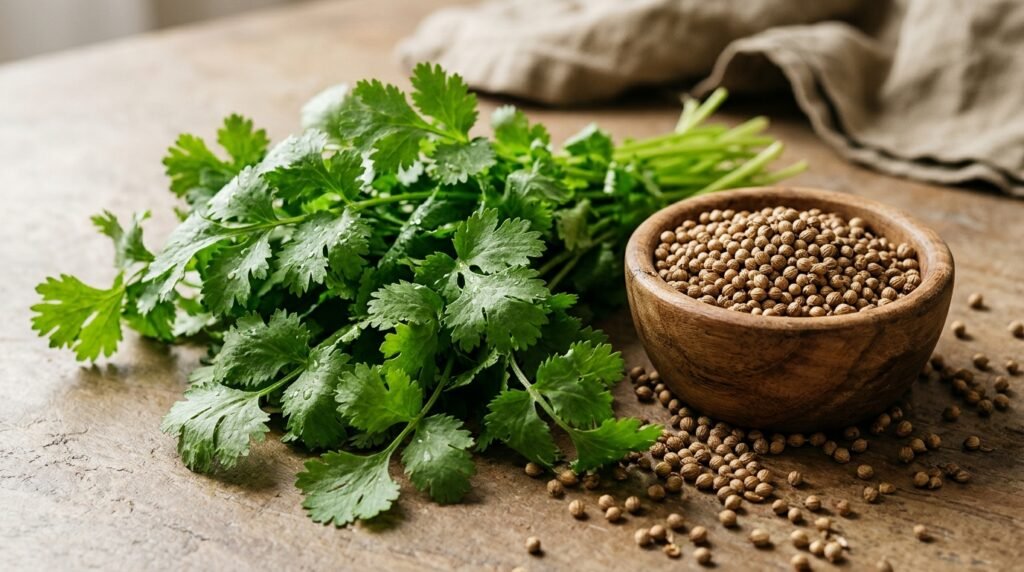
Coriander seeds develop after the plant flowers and the flowers are pollinated. The small fruits gradually mature and change color as they dry. If seeds are the main goal, allow the plant to complete this stage rather than harvesting all its leaves. Watch the seed heads as they mature. They should become dry enough for harvesting without allowing too many fruits to fall naturally. Cut suitable seed-bearing stems and place them carefully into a clean paper bag or another suitable collection container. Allow the harvested material to dry fully in a clean, dry, well-ventilated place. Once the fruits are dry, separate them from the stems and remove unwanted plant material. Store the seeds in a clean, airtight container away from direct sunlight, heat, and moisture. Make sure they are completely dry before sealing them. Moisture trapped inside a storage container can encourage spoilage. Whole dried seeds usually retain their aroma longer than ground coriander powder.
Common Mistakes When Using Coriander
One common mistake is confusing fresh coriander with dried coriander seeds. Although both come from the same plant, they have different flavors and uses. Another mistake is adding fresh leaves too early when a recipe needs their bright aroma. Long cooking can reduce their fresh character. Using excessive heat when roasting seeds can also produce bitterness. Poor storage is another problem. Leaving a wet bunch inside a sealed container may encourage deterioration. Some people also throw away every stem, even though clean, fresh stems can be useful in chutneys, sauces, and cooked dishes. Another misunderstanding involves health claims. A traditional ingredient may have an interesting history, but that does not make it a proven treatment. Finally, some growers expect coriander to produce leaves continuously in hot weather. High temperatures can encourage early flowering. Understanding these differences helps reduce food waste and improves the results of both cooking and home gardening.
Koriandri Compared With Parsley
Coriander and parsley can look similar when sold as fresh green bunches, but they are different plants. Both belong to the Apiaceae family, yet their aromas and flavors are not the same. Coriander usually has a stronger, more distinctive smell and a fresh flavor that some people describe as citrus-like. Parsley generally has a milder, grassy taste. Their leaves can sometimes be difficult to distinguish at first glance, especially when bunches are tightly packed. Smell is often a helpful identification method. Coriander leaves commonly have more noticeable aromatic character, while parsley has a cleaner and milder herbal smell. The two herbs can sometimes replace each other in recipes, but the flavor will change. Parsley is a reasonable alternative when someone dislikes fresh coriander. However, it will not reproduce the exact taste of coriander chutney or other dishes that depend on the original herb.
Where Is Coriander Used Around the World?
Coriander is used in many regional food traditions, although its preparation changes from one cuisine to another. In South Asian cooking, the fresh leaves and dried seeds are both familiar ingredients. Fresh dhania often appears in curries, chutneys, lentil dishes, and rice preparations. Ground seeds are used in spice mixtures and seasonings. In Mexican cooking, fresh cilantro is common in salsa and other fresh preparations. Middle Eastern cuisines use coriander seeds in selected spice blends, meat dishes, and vegetable preparations. Some European cooking traditions use coriander seeds in bread, pickling, and seasoning. These differences show how a single plant can serve several culinary purposes. There is no single universal recipe or flavor combination associated with it. The amount used also depends on the strength of the other ingredients. In some dishes, coriander is the main fresh herb. In others, it plays a supporting role alongside cumin, mint, garlic, chilies, or citrus.
Is Koriandri Suitable for Small Kitchens and Balcony Gardens?
Yes. Coriander can be grown in a suitable container, which makes it an option for people without large gardens. A balcony, patio, or well-lit outdoor area may provide enough space. The important factors are drainage, light, airflow, and suitable growing conditions. Choose a container with enough depth for root development rather than a very shallow decorative tray. Make sure excess water can escape. If the balcony receives strong afternoon sun, some protection may help during hot periods. Sow a modest quantity first instead of filling the entire container. This makes it easier to manage spacing and observe how the plants respond to local conditions. Succession sowing can provide a more regular supply, although the timing depends on weather and seed performance. If one batch flowers early, a later batch may provide fresh leaves under better conditions. Homegrown coriander also allows harvesting only the quantity needed for a meal.
Frequently Asked Questions About Koriandri
1. What is koriandri called in Pakistan?
Koriandri generally refers to coriander, which is commonly called dhania in Pakistan. Fresh green leaves are used in chutneys, curries, salads, and garnishes. Dried coriander seeds and powder are also widely used in Pakistani cooking.
2. Is koriandri a separate plant?
No. Koriandri is associated with the Estonian word koriander and is not a separate botanical species. The plant being discussed is coriander, scientifically known as Coriandrum sativum.
3. Are coriander leaves and coriander seeds from the same plant?
Yes. Both come from the same coriander plant. The leaves are harvested while the plant is growing, whereas the seeds are collected from its mature fruits after flowering.
4. Why do some people dislike the taste of fresh coriander?
Some people experience fresh coriander as soapy or unpleasant. Genetic differences in smell receptors can influence how they detect certain aromatic compounds in the leaves. Others enjoy its fresh herbal flavor.
5. Can I grow coriander in a pot at home?
Yes. Coriander can grow in a container with drainage holes, suitable soil, enough light, and regular moderate watering. Cooler growing conditions can help delay early flowering in warmer regions.
6. Does koriandri have proven medicinal benefits?
Coriander contains plant compounds that researchers have studied, but many proposed medicinal benefits are not established as treatments in humans. It is best used as a food ingredient rather than a replacement for medical care.
Conclusion
Koriandri is connected to coriander through the Estonian language, rather than being the name of a separate herb. The plant, Coriandrum sativum, is familiar in kitchens worldwide and is commonly called dhania in Pakistan. Its fresh leaves, stems, roots, and dried seeds offer different flavors and cooking uses. Fresh leaves are useful for chutneys, curries, salads, and garnishes, while seeds provide a warm flavor for spice mixtures and cooked dishes. The plant can also be grown in suitable home gardens and containers, provided its light, water, soil, and temperature needs are considered. Although coriander contains natural plant compounds, exaggerated health claims should be treated carefully. For everyday use, the most practical approach is to choose fresh ingredients, store them properly, and use the correct part of the plant for each recipe. Understanding the meaning of koriandri makes it easier to recognize this familiar herb across different languages and food traditions.