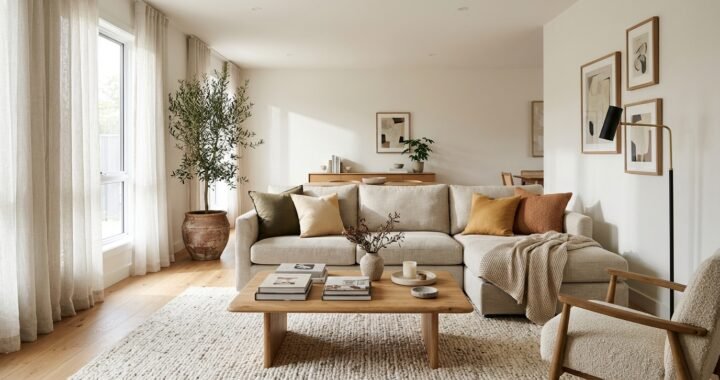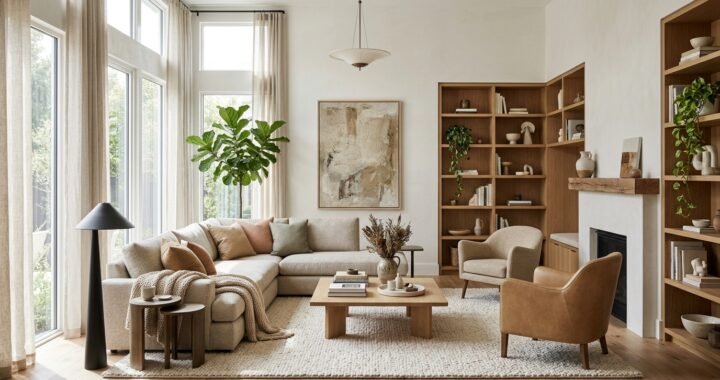
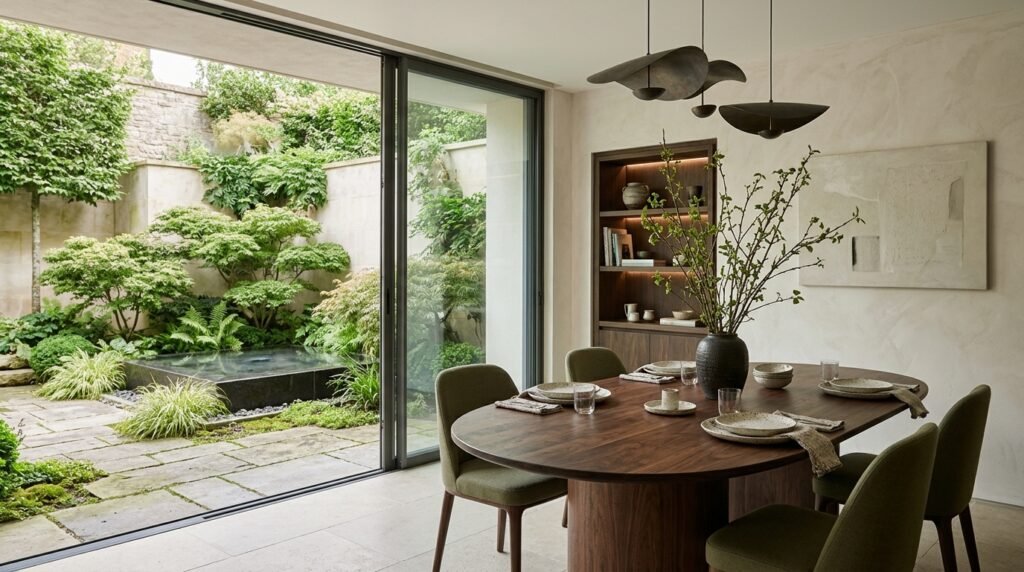
Mintpaldecor appears in online searches as a name associated with home decoration, interior styling, and practical home improvement ideas. However, the name is used across several websites with different domain extensions. This matters because readers may not be looking at the same website when they search for Mintpaldecor. The available material connects the name with topics such as room layouts, color choices, furniture, lighting, storage, seasonal decoration, and home updates. It is best to treat Mintpaldecor as an online home decor resource rather than assume it is one established design company or professional interior design service. This article explains the available information, the decorating topics associated with the name, and how readers can assess design advice before applying it at home.
What Mintpaldecor Covers
The main Mintpaldecor website presents itself as a source of home styling inspiration and practical decorating ideas. Its published material discusses interior design, room decoration, furniture placement, color coordination, DIY projects, lifestyle, and product suggestions. The About Us page describes these as its main content areas. Mintpaldecor This gives readers a useful starting point when deciding what to expect from the site. It is not the same as hiring an interior designer, receiving a property inspection, or getting a professional renovation plan. Online articles can explain basic design choices, but they cannot assess every detail of a particular home. Readers should use the ideas as inspiration and adapt them to their own rooms, budgets, and needs. The most useful approach is to identify the problem first, then look for advice that addresses it. For example, someone with a dark living room needs different guidance from someone trying to organize a small bedroom. A broad collection of decorating ideas becomes more valuable when readers know which problem they want to solve.
Understanding the Difference Between Interior Design and Decoration
Interior design and interior decoration are closely related, but they do not mean exactly the same thing. Interior design considers how a room works, how people move through it, and how its main elements fit together. It may involve space planning, lighting plans, furniture layouts, materials, and coordination with building work. Interior decoration focuses more on the visible details that shape the room’s appearance. These may include paint colors, curtains, rugs, artwork, cushions, lamps, and accessories. Mintpaldecor discusses both areas, so readers should understand which type of advice they need. If a room has an awkward layout, buying new cushions will not solve the main problem. If the layout already works but the room feels plain, decoration may be enough. A simple example is a living room with a sofa that blocks the main walkway. The first task is to improve the layout. Only after that should the owner spend time choosing decorative items. This order helps prevent unnecessary purchases and makes the finished room more practical.
Start With the Purpose of Each Room
A successful room begins with a clear purpose. Before choosing furniture or colors, consider what people do in the space throughout the day. A living room may be used for family time, reading, watching television, or welcoming visitors. A bedroom should support rest and provide enough storage for everyday items. A dining area needs comfortable seating and enough room to move around the table. A home office needs suitable lighting, a workable desk, and a comfortable place to sit. Mintpaldecor’s general approach to home styling encourages people to think about how a space should feel and function. This is a useful principle because the same layout does not suit every household. A family with young children may need clear floor space and durable surfaces. Someone who works from home may need better task lighting and a quieter corner. Write down the room’s main activities before making changes. Separate essential needs from optional features. This simple exercise makes later decisions easier and reduces the chance of choosing attractive items that do not serve a real purpose.
Choose a Color Scheme That Works in the Room
Color can change how a room feels, but choosing a palette requires more than following a trend. Start with elements that are difficult or expensive to replace, such as flooring, large furniture, kitchen cabinets, or fixed tiles. Their colors can guide the rest of the scheme. Then choose a main wall color and a smaller group of supporting shades. Neutral colors can create a calm background, while stronger colors can add contrast and character. Mintpaldecor discusses color coordination as part of its interior styling content. Mintpaldecor+1 A useful way to apply this idea is to collect paint samples and compare them inside the actual room. A color may look different under morning sunlight, evening light, and artificial lamps. Do not rely only on a small screen image or a store display. Paint a sample area or use a large sample card before making a final choice. Also consider the room’s size, furniture, and existing finishes. A dark shade can look rich and inviting in a well-lit room, but it may feel heavy in a small space with little natural light. There is no single color rule that works for every home. The best palette is one that suits the room and remains comfortable to live with.
Arrange Furniture Around Movement and Comfort
Furniture placement affects how easily people use a room. A layout can look attractive in a photograph but feel awkward in daily life. Start by identifying doors, windows, built-in storage, radiators, and main walking routes. These features affect where larger pieces can go. Next, measure the room and the furniture before moving heavy items. A sofa that looks suitable online may be too deep for a narrow living room. A large dining table may leave too little room for chairs to move. Mintpaldecor highlights proportion and spacing as important parts of interior styling. Mintpaldecor These ideas are practical because furniture needs to fit both the room and the people using it. Try placing the largest item first, then arrange smaller pieces around it. Keep frequently used routes clear and make sure drawers and cabinet doors can open fully. In a small room, furniture with more than one purpose may help. A storage ottoman can provide seating and hold blankets. A desk with shelves can reduce the need for separate storage units. However, multifunctional furniture should still be comfortable and easy to use. Avoid filling every empty corner simply because space is available. Open floor area can make a room feel calmer and easier to navigate.
Use Lighting to Improve the Atmosphere
Lighting is not just a finishing detail. It affects how well people read, cook, work, relax, and move around a home. A useful room often needs more than one type of light. General lighting provides overall visibility, task lighting supports a specific activity, and accent lighting draws attention to selected features. A ceiling fixture may light the room, while a desk lamp helps with focused work. A floor lamp beside a chair can create a comfortable reading area. Mintpaldecor’s home styling material includes lighting among the elements that help create a balanced interior. Mintpaldecor When planning lighting, consider the position of windows and the way daylight enters the room. Avoid placing a television where strong reflections make viewing difficult. In a kitchen, make sure work surfaces receive enough light. In a bedroom, softer lighting may be more comfortable in the evening, while a brighter option can help with cleaning and dressing. Check the type of bulb and fixture before buying replacements. Follow the manufacturer’s instructions, especially for enclosed fittings and fixtures used in damp areas. Electrical installation should be handled by a qualified professional when the work goes beyond simple, safe bulb replacement.
Add Texture Without Making the Room Feel Crowded
Texture gives a room visual depth. It can come from woven fabrics, natural wood, stone, ceramics, metal, glass, or textured wall finishes. A room with only smooth surfaces may feel flat, while a thoughtful mix can make it feel more welcoming. The goal is not to use as many materials as possible. Instead, choose a few that complement one another. For example, a plain sofa can be paired with a woven rug, linen curtains, and a wooden side table. A smooth ceramic vase can add contrast to a textured shelf. Mintpaldecor’s content refers to combining textures and leaving negative space as ways to improve a room’s appearance. Mintpaldecor Negative space means leaving some areas visually open rather than filling every surface. This gives important items room to stand out. It also makes cleaning and daily use easier. Consider practical needs before choosing fabrics and finishes. Homes with pets or young children may benefit from washable covers and easy-care materials. A delicate decorative object may look attractive but become inconvenient in a busy family room. Texture should support comfort, use, and maintenance rather than create extra work.
Decorate Walls With Purpose
Walls offer useful space for artwork, mirrors, shelves, photographs, and other personal details. However, decorating every wall can make a room feel busy. Choose one or two areas that would benefit most from attention. A large artwork can create a focal point above a sofa, while a group of smaller frames can add interest to a hallway. Mirrors can reflect light and create a greater sense of depth, depending on their position. They do not physically increase the room’s size, so placement matters. Before hanging anything heavy, check the wall type and use suitable fixings. A fixing designed for solid masonry may not be suitable for plasterboard. Avoid placing heavy objects above beds or seating unless they are securely mounted. Renters should also check their tenancy agreement before drilling holes or making permanent changes. Removable hanging products can be useful for lighter items, but their weight limits and surface requirements must be followed. The safest choice depends on the wall, object, and fixing system. Thoughtful wall decoration should add meaning or function, not simply fill an empty area.
Bring Natural Elements Into the Home
Plants, wood, natural fibers, and stone can make indoor spaces feel connected to the outdoors. A few well-placed plants may add color and variety to a plain room. Wooden furniture can introduce warmth, while woven baskets can provide useful storage. These choices can work across several styles, from modern to traditional interiors. Mintpaldecor includes plants and natural details among its suggested decorating ideas. Mintpaldecor Still, natural elements need suitable care. A plant should match the light, temperature, and watering conditions available in its location. Do not assume every indoor plant can thrive in a dark corner. Check whether a plant is safe around pets and children before bringing it home. Natural materials also vary in how they respond to moisture, sunlight, and wear. Wood may need suitable care, while some fabrics can fade if placed in strong direct sunlight. If maintaining live plants is difficult, a small number of low-maintenance options may be more realistic than filling every room with greenery. The aim is to create a comfortable environment without adding tasks that the household cannot manage.
Make Small Rooms More Functional
Small rooms need careful planning because every large item takes up a greater share of the available space. Start by deciding what the room must contain. Then remove items that do not support its main purpose. Choose furniture that fits the room rather than buying standard sizes without measuring. Storage can often be improved by using vertical space, such as wall shelves or tall cabinets. Keep frequently used items within easy reach and store seasonal belongings elsewhere when possible. Mintpaldecor’s published advice mentions mirrors, furniture placement, and keeping rooms organized as ways to improve the feel of compact spaces. Mintpaldecor These suggestions can help, but they should not be treated as magic solutions. A mirror may reflect light, yet it cannot replace good lighting or sensible furniture choices. Light wall colors may create a more open appearance, but they do not change the actual floor area. Avoid oversized decorative pieces and deep furniture that restrict movement. If a room serves several purposes, create clear zones. A rug can help define a sitting area, while a compact desk can mark a work corner. The best small-room design is one that supports daily routines without making the space difficult to use.
Create a Consistent Look Across the Home
A home can contain different decorating styles without feeling disconnected. The key is to repeat a few elements across rooms. These might include a shared color family, similar wood finishes, matching metal details, or a consistent approach to lighting. This does not mean every room needs identical furniture or wall colors. Bedrooms, kitchens, and living rooms have different functions, so their design should reflect those needs. Mintpaldecor’s house decoration advice recommends keeping a wider design direction in mind while decorating individual rooms. Mintpaldecor This is useful when a home is updated gradually. For example, a warm neutral palette can connect the living room and hallway, while each room uses its own accent color. Repeating a finish on door handles, light fittings, or frames can also create a quiet sense of unity. Avoid buying a matching furniture set for every room simply to create consistency. Too much repetition can make a home feel like a showroom. A few shared details are often enough to make different spaces feel related while allowing each room to have its own character.
Choose Furniture That Fits Your Lifestyle
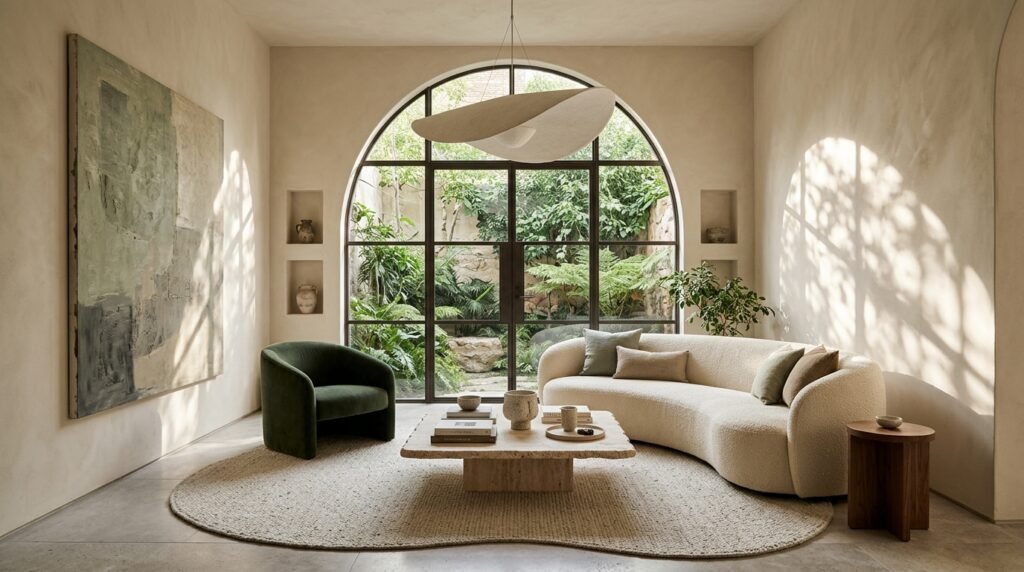
Furniture should be selected for comfort, size, function, and maintenance. A stylish chair is not a good choice if nobody wants to sit in it. A beautiful coffee table may be unsuitable if it blocks a main walkway. Before buying, measure the available space and compare it with the full dimensions of the item. Remember to account for doors, drawers, reclining parts, and delivery access. Think about how often the furniture will be used. A family sofa may need durable upholstery, while a guest room may need fewer pieces. Homes with limited storage may benefit from beds with drawers or benches with hidden compartments. Mintpaldecor presents furniture placement and product suggestions as part of its general home styling topics. Mintpaldecor Readers should still check product details independently. Look at the materials, care instructions, dimensions, return policy, and warranty terms before purchasing. Online photographs can make furniture appear larger or smaller than it is. Reviews may help identify common concerns, but they do not replace checking the product specifications. Good furniture choices support the way a household lives instead of simply following a popular look.
Use Storage to Reduce Everyday Clutter
Storage affects both the appearance and function of a home. When everyday items have no fixed place, surfaces become crowded and rooms are harder to maintain. Begin by identifying what needs to be stored and how often each item is used. Frequently used belongings should be easy to reach. Seasonal or occasional items can be placed in higher cupboards or less accessible storage areas. Baskets, drawer dividers, wall hooks, and shelves can help organize smaller belongings. However, storage products should fit the available space and the items they will hold. Buying containers before sorting possessions can lead to more clutter rather than less. A better method is to remove unwanted items first, group similar belongings, and then choose storage based on actual needs. In a narrow hallway, shallow storage may be more useful than a deep cabinet. In a bedroom, under-bed storage can help when there is limited wardrobe space. Keep heavy objects in safe, stable locations and avoid overloading shelves. A tidy room is not necessarily an empty room. It is a room where belongings are easy to find and do not interfere with daily activities.
Try Simple DIY Updates Before Major Renovations
Not every room needs new furniture or a full renovation. Small changes can refresh a space when the main layout and surfaces are still in good condition. Rearranging furniture, replacing cushion covers, changing curtains, updating artwork, or adding a lamp may create a noticeable difference. Mintpaldecor also discusses simple DIY ideas and creative ways to reuse household items. Mintpaldecor+1 These projects can be useful when they are planned around a clear goal. For example, a plain hallway may need better lighting and a small storage solution rather than a complete redesign. Before starting a DIY project, check the materials, tools, and instructions required. Use suitable protective equipment when the task creates dust, fumes, or sharp edges. Do not attempt electrical, structural, gas, or plumbing work without the right training and professional support. Some decorative projects are simple, but others can cause damage if carried out incorrectly. Test paint and adhesives on suitable sample areas where appropriate. For renters, check permission before changing fixed surfaces. A small project should remain small in cost, risk, and effort.
Understand Decorating Trends Without Following Every One
Interior trends can offer fresh ideas, but they should not control every decision. Popular styles may include warm minimalism, natural textures, curved furniture, bold accent colors, or mixed materials. These ideas can help people discover new looks, but their suitability depends on the home. A curved sofa may look attractive but may not fit a narrow room. A textured wall finish may create interest but require more maintenance than a simple painted surface. Mintpaldecor’s published content refers to trends such as natural materials, warm minimalism, and organic shapes. Mintpaldecor Readers should treat these as examples of styles discussed by the website, not as a guarantee that every trend is current or right for every home. A practical way to use trends is to introduce them through items that are easy to change. Cushions, artwork, small lamps, and accessories can update a room without replacing major furniture. Keep expensive or difficult-to-change elements more personal and timeless. A home should remain comfortable after a trend loses attention. Choose what suits the household, not only what looks popular in photographs.
Give Interior Doors and Transitions Proper Attention
Doors are functional parts of a home, but their design can also affect the appearance of nearby rooms. Their color, finish, handles, and panel style can support the overall interior. Some homeowners prefer simple flush doors, while others choose paneled, glazed, or sliding designs. The right option depends on privacy, available space, sound control, and the building’s layout. Mintpaldecor’s home content discusses several door styles, including sliding, pocket, glass, and paneled options. Mintpaldecor These examples should be considered as design possibilities rather than universal recommendations. A pocket door may save floor space, but installation can require changes inside the wall. A glazed door can allow light to pass between rooms, but it may not provide the privacy needed in every setting. Sliding hardware also needs suitable support and enough clear wall space. Before replacing a door, check the opening size, frame condition, hardware compatibility, and any building requirements. Hallways and stair areas also deserve attention because they connect rooms. Consistent finishes and suitable lighting can make these transitional spaces feel intentional rather than forgotten.
Plan Home Improvements Around Real Needs
Home improvement can involve decoration, repairs, maintenance, or larger upgrades. These projects have different levels of cost, risk, and planning. A new rug is a simple styling change. Replacing damaged flooring is a more involved project that may require preparation and professional installation. Before starting, identify the issue and decide whether the work is cosmetic or functional. A stain on a wall may need cleaning or repainting, while repeated dampness may point to a moisture problem that paint cannot fix. Mintpaldecor includes broader home improvement subjects alongside decoration and styling. Mintpaldecor+1 This wider scope makes it important to separate inspiration from technical guidance. For repairs involving wiring, gas, plumbing, structural changes, roofing, or serious water damage, seek qualified help. Check product instructions and local requirements before choosing materials or starting work. Set a realistic budget that includes preparation, tools, delivery, waste removal, and possible repairs. If the project affects an essential part of the home, do not choose a shortcut simply because it appears cheaper. Good planning protects both the finished result and the people living in the property.
Make Outdoor Areas Feel Connected to the Home
Balconies, patios, porches, and gardens can extend the usable living area of a home. Even a small outdoor space can become more inviting with suitable seating, plants, lighting, and practical storage. Start by checking the space’s exposure to sun, rain, wind, and dust. These conditions affect which materials and plants are suitable. Outdoor furniture needs to be designed for the conditions in which it will be used. Indoor fabrics and untreated materials may deteriorate if left outside. Keep pathways clear and avoid placing planters where they block drainage or create trip hazards. Mintpaldecor’s house decoration material includes outdoor areas as part of a wider home design approach. Mintpaldecor The idea is useful because outdoor spaces are often treated as separate from the rest of the home. Repeating a color or material from indoors can create a visual connection. However, outdoor choices should be based on weather resistance and maintenance needs. Check electrical ratings before using outdoor lights or extension equipment. For balconies and elevated areas, consider load limits and secure placement. A comfortable outdoor space should be attractive, safe, and easy to maintain.
How to Judge the Quality of Online Decorating Advice
Not every decorating article offers the same level of detail or reliability. Some pages provide useful principles, while others rely on broad statements, repeated tips, or trend claims without explaining their limits. Readers should look for advice that explains why a choice may work and where it may not. A helpful article should give clear steps, relevant examples, and enough detail to apply the idea safely. It should also distinguish between a simple styling suggestion and work that needs a qualified professional. When reading Mintpaldecor or any similar website, check whether the advice matches the actual problem. A general suggestion to add a mirror may be useful for a dark hallway, but it will not fix poor electrical lighting. A recommendation to repaint a wall may be unsuitable if the wall has an unresolved leak. Look for clear information about materials, measurements, maintenance, and safety when those details matter. For product recommendations, check the original manufacturer’s specifications rather than relying only on a short blog description. Good online advice helps readers make informed choices. It does not promise that one solution will work in every home.
Understanding the Different Mintpaldecor Website Domains
One important detail for people searching the name is that several websites use similar versions of Mintpaldecor. Search results include mintpaldecor.com, mintpaldecor.org, mintpaldecor.info, and other related names. Their published descriptions are not identical. The .com website describes home decor inspiration, styling tips, DIY projects, lifestyle content, and product recommendations. Mintpaldecor+1 The .org website describes an approachable design resource focused on simple interior ideas, furniture, colors, and lighting. Mintpaldecor The .info website presents itself as a broader home improvement blog covering decoration, renovation, home hacks, and interior design. Mintpaldecor These descriptions show why readers should confirm the domain before relying on a particular page. Similar names do not automatically prove that the sites share the same owner, editorial team, or business. Do not assume that a statement published on one domain applies to another. If you are looking for a specific article, check its exact web address and publication details. This small step can prevent confusion when comparing information or trying to contact a website.
What Mintpaldecor Can and Cannot Tell You
A home decor website can help readers explore ideas, understand basic design principles, and plan small changes. It can introduce useful topics such as color coordination, furniture placement, lighting, storage, and room styling. It may also help someone build a mood board or decide which questions to ask before starting a project. However, online content has limits. It cannot inspect the structure of a home, test electrical wiring, identify hidden water damage, or confirm that a product will fit a specific space without accurate measurements. The published Mintpaldecor pages describe inspiration and practical guidance, but readers should not treat general articles as professional assessments. Mintpaldecor+1 For complex projects, advice from a qualified designer, builder, electrician, plumber, or other relevant professional may be necessary. For product purchases, verify the seller, specifications, delivery terms, and return conditions. For repairs, understand the cause of the problem before choosing a cosmetic solution. The most responsible way to use online design advice is to combine inspiration with careful checking. This keeps creative ideas grounded in the real needs and limits of a home.
A Practical Way to Apply the Ideas at Home
The easiest way to use decorating advice is to work through one room at a time. Begin with a short assessment of what works and what causes difficulty. Note the room’s main purpose, available light, furniture dimensions, storage needs, and existing colors. Take photographs from different corners so you can compare the space before and after changes. Next, choose one main improvement rather than trying to change everything at once. This might be a better furniture layout, a more useful light source, a simpler color scheme, or improved storage. Use a mood board to collect colors, materials, and examples that suit the room. Then check measurements and costs before buying anything. Mintpaldecor can be one source of inspiration during this process, but the final decisions should reflect the actual home. Complete small changes first and assess their effect. If the room still has a practical problem, address that before adding more accessories. Keep a record of paint colors, product details, and measurements for future updates. A gradual approach makes it easier to control spending and learn which design choices work well for the household.
Common Decorating Mistakes to Avoid
Many decorating problems begin with decisions made too quickly. Buying furniture before measuring the room can lead to poor fit and blocked walkways. Choosing paint from a small screen image can produce an unexpected result under real lighting. Adding too many decorative accessories can make surfaces difficult to clean and reduce useful space. Following a trend without considering maintenance can also create problems later. Another common mistake is treating a visible symptom instead of the underlying issue. Fresh paint will not solve dampness, and a decorative lamp will not correct unsafe wiring. Readers exploring Mintpaldecor ideas should also avoid assuming that every suggestion suits every room. A large mirror may be useful in one location but awkward in another. A plant may brighten a space but struggle without enough light. Before making a change, ask three questions: Does it solve a real problem? Does it fit the available space? Can the household maintain it? These checks are simple, but they help prevent wasted money and effort. A well-designed home is not the one with the most decorations. It is the one where the main choices work together and support everyday life.
Frequently Asked Questions
1. What is Mintpaldecor?
Mintpaldecor is a name used by home decor and home improvement websites that publish ideas about interior styling, decoration, and practical home updates.
2. What kind of advice does Mintpaldecor provide?
Its published topics include color coordination, furniture placement, lighting, room decoration, DIY ideas, storage, and home improvement.
3. Is Mintpaldecor an interior design company?
The available website descriptions present it mainly as an online content resource. They do not establish that it provides professional interior design services.
4. Are all Mintpaldecor websites connected?
That cannot be confirmed from the available website descriptions. Similar names and topics do not prove common ownership or management.
5. Can beginners use Mintpaldecor decorating ideas?
Yes. Basic ideas about colors, furniture, lighting, and organization can help beginners plan small changes. Technical work may still require professional support.
6. Should I follow every decorating trend mentioned on Mintpaldecor?
No. Use trends as inspiration and choose ideas that suit your space, budget, comfort, and maintenance needs.
Conclusion
Mintpaldecor is associated with online home decoration and improvement content, including ideas for furniture, colors, lighting, storage, DIY projects, and room styling. Its published pages offer a starting point for readers who want to make their homes more comfortable and visually appealing. The name also appears across multiple domain extensions, so checking the exact website is important before treating information as coming from one source. The most useful decorating advice is practical, clear, and suited to the home where it will be applied. Measure before buying, consider how each room is used, and solve functional problems before focusing on appearance. Use trends selectively and check technical or safety matters with reliable professionals. With careful planning, readers can turn general inspiration into thoughtful changes that make their living spaces work better.