A keystone is a wedge-shaped stone placed at the top center of a masonry arch. In home architecture, it can help hold an arch together while adding a distinctive detail to doors, windows, fireplaces, and exterior walls. Homeowners may notice a raised stone above an arched entrance without knowing its purpose. Some keystones are structural parts of traditional masonry, while others are decorative features added to improve a home’s appearance. Understanding what is a keystone helps homeowners recognize architectural details, understand how arches work, and make informed decisions during renovations. It also helps distinguish a genuine structural component from decorative trim that only looks like traditional stonework. From natural stone entrances to brick garden arches, keystones can contribute to several home design styles. Their material, shape, placement, and construction determine how they function. This article explains their role in residential architecture, common locations, materials, design options, installation principles, maintenance, and repair considerations.
What Is a Keystone in Home Architecture?
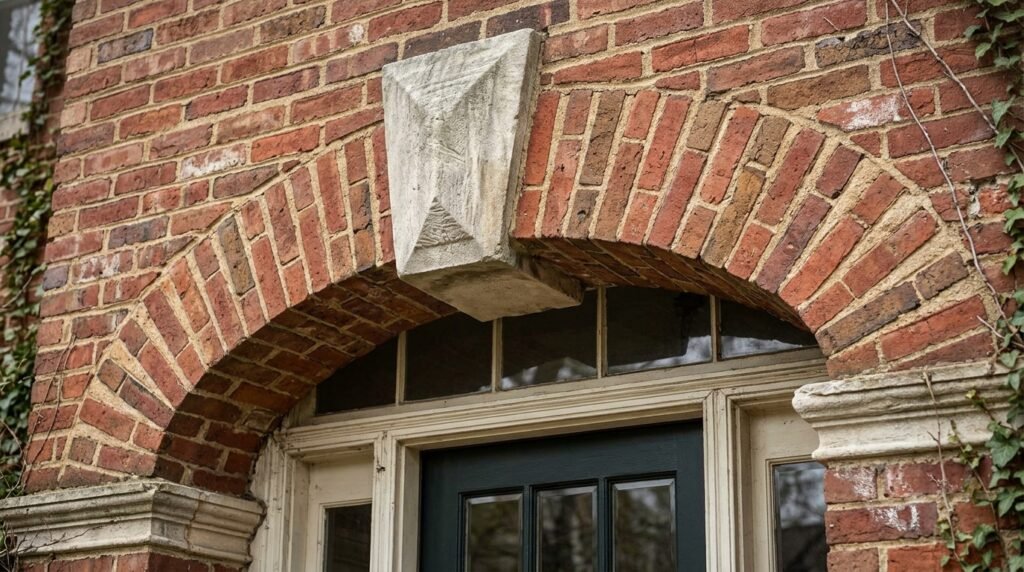
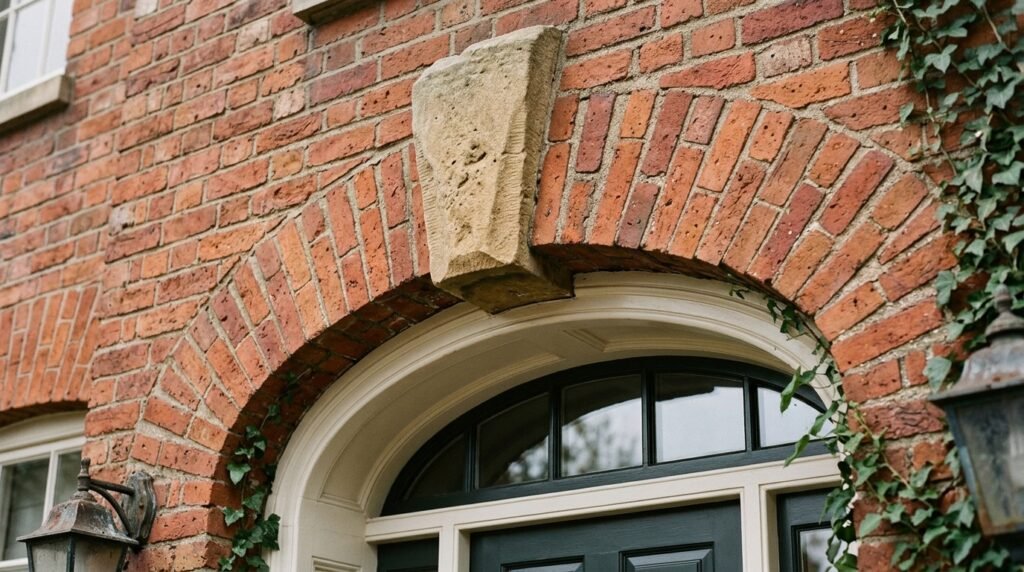
A keystone is the central wedge-shaped block at the highest point of a masonry arch. It completes the curved arrangement of stones that form the arch. The surrounding wedge-shaped blocks are known as voussoirs. Together, these pieces create a structure that transfers loads through compression toward its supports. The keystone helps lock the arch ring into its intended arrangement. In traditional residential buildings, it may appear above a front entrance, window, fireplace, or garden passage. Some examples are plain and blend into the surrounding masonry. Others project outward or feature carved patterns that make them more noticeable. A keystone can be made from natural stone, brick, concrete, or a suitable manufactured material. Its purpose depends on the construction method. A structural keystone forms part of a working masonry arch, while a decorative version may simply cover or imitate an architectural detail. This distinction matters during home improvement because removing a structural component can affect the stability of the opening above it. A decorative piece may have a different fixing system and role.
Why Do Homes Have Keystone Features?
Keystone features can serve structural or decorative purposes in residential buildings. Traditional masonry arches use a keystone to complete the curved arrangement of their blocks. This allows the arch to transfer loads toward its supporting walls. The design can create an opening without relying on a single horizontal masonry piece across the entire span. In decorative applications, a keystone adds a central detail above a doorway or window. It can make a plain exterior look more traditional and give an entrance a clear focal point. Homeowners may also use decorative keystones to match existing stonework during renovations. For example, a house with brick walls and arched windows may have contrasting stone blocks at the center of each arch. These details can create a consistent appearance across the exterior. However, a decorative keystone does not automatically improve structural strength. Its visual presence should not be confused with a load-bearing function. The actual construction behind the visible surface determines whether the feature supports any weight.
How Does a Keystone Work in a House?
A keystone works as part of a complete masonry arch rather than as an independent support. An arch consists of wedge-shaped blocks arranged along a curve. These blocks press against one another and transfer forces toward the supports on either side. The keystone fills the final space at the top of the arch, helping complete the masonry ring. This arrangement allows the arch to carry its intended loads through compression. Unlike a flat beam, an arch also produces outward forces at its ends. The supporting walls or abutments must resist these forces. If the supports are weak or the arch is poorly constructed, the structure may move or develop cracks. The keystone cannot correct an incorrectly designed arch by itself. The shape of every block, the joints between them, the arch’s curve, and the strength of the supports all matter. In a residential entrance, the arch may carry masonry above the opening. In another design, the arch may be decorative and have a separate structural support. Understanding the complete arrangement is necessary before changing or repairing any part of it.
Where Are Keystones Used in Residential Properties?
Keystones can appear in several areas of a house, especially in traditional and classical architectural designs. Their placement usually follows the shape of a masonry arch. Some are easy to recognize because they extend beyond the surrounding surface. Others are nearly level with the neighboring stones. Homeowners may find them around exterior openings, interior features, and outdoor structures.
Front Doors and Main Entrances
A front entrance is one of the most recognizable places for a keystone. In a traditional masonry design, the central stone sits at the highest point of the arch above the doorway. It may be slightly larger than the surrounding blocks or feature a carved face. A contrasting material can make the entrance more noticeable without changing the entire wall design. Some modern houses use decorative keystones above rectangular door openings to create a traditional appearance. These may be attached to the exterior finish rather than forming part of a structural arch. Before changing an entrance, homeowners should identify whether the visible arch is structural or decorative. This is especially important when widening a doorway or replacing the surrounding masonry.
Arched Windows
Keystones also appear above arched windows. The central block usually sits at the crown of the curved masonry surrounding the opening. It may match the surrounding stone or use a different color for contrast. This feature can make an ordinary window look more detailed and traditional. Older houses may have genuine masonry arches that help support the wall above the window. Newer buildings may use decorative arch-shaped trim over a separate lintel. The visible design alone does not reveal the construction method. Homeowners should inspect the surrounding joints and finishes when looking for signs of damage. Cracked mortar, loose blocks, or changes in the arch’s shape deserve attention.
Fireplace Surrounds
Some traditional fireplaces have arched stone or brick openings with a keystone at the center. This feature can create a focal point above the firebox and complement a stone fireplace surround. The central block may have a simple face or decorative carving. However, an arched fireplace surround does not always contain a structural keystone. Some are decorative coverings fitted around a separate fireplace structure. The firebox, chimney, and surrounding masonry have their own support and safety requirements. A homeowner should not remove a central stone simply because it appears decorative. Its connection to the fireplace should be checked before any alteration.
Garden Walls and Outdoor Entrances
Keystones can also be found in garden walls, courtyard entrances, and outdoor walkways. A brick or stone arch can create a defined entrance between different areas of a property. The central block may match the wall or provide a contrasting detail. Outdoor masonry needs attention because rain, moisture, sunlight, and temperature changes can affect its surface and mortar joints. A loose keystone or damaged arch should not be treated as a simple cosmetic issue until its structural role is understood. Regular visual checks can help identify changes before they become more serious.
What Materials Are Used for Residential Keystones?
The material used for a keystone affects its appearance, weight, durability, and suitability for its location. The choice should match the surrounding construction and the purpose of the feature. A structural masonry block needs suitable properties for its design. A decorative piece has different requirements, although exterior products still need appropriate weather resistance and secure fixing.
Natural Stone
Natural stone is commonly associated with traditional keystone designs. Limestone, sandstone, and granite can be shaped to match the curve and style of an arch. Limestone offers a classic appearance and can be carved into decorative forms. Sandstone provides varied colors and natural surface textures. Granite is a dense, hard stone that may suit certain architectural applications. However, different stones have different properties. Their suitability depends on the intended use, local exposure, and surrounding materials. Natural stone can also develop staining, erosion, or surface damage over time. Choosing a compatible replacement matters when repairing older masonry.
Brick
Brick keystones can blend into brick arches and exterior walls. Some designs use specially shaped bricks to create the central section of the arch. Others use a separate stone block to provide contrast. Brick is useful when homeowners want an arch that matches the existing wall. However, the blocks and mortar joints must follow the intended arch design. Ordinary rectangular bricks cannot simply be arranged into every curved opening without suitable detailing. Matching the existing brick color and mortar appearance can also improve the result of a repair.
Concrete and Precast Materials
Concrete and precast products can be formed into consistent architectural shapes. They are available in different finishes and can be designed to resemble natural stone. Some residential projects use precast decorative keystones around doors and windows. Their suitability depends on the product’s intended use, weight, exposure, and fixing method. A decorative concrete block should not be assumed to perform the same role as a structural masonry keystone. Homeowners should follow the manufacturer’s specifications when selecting and installing manufactured architectural details.
Manufactured Stone
Manufactured stone products can create the appearance of traditional masonry without using a solid natural stone block. They may be used around entrances, windows, and exterior walls. Some products are designed for decorative applications and are lighter than comparable natural stone pieces. Their fixing systems and exposure ratings vary. A homeowner should check whether a product is suitable for indoor or outdoor use. It should also be installed according to the manufacturer’s instructions. Decorative manufactured stone is not automatically suitable for carrying structural loads.
What Are the Different Keystone Designs Used in Homes?
Keystones vary in shape, size, surface finish, and decoration. Some blend into the surrounding arch, while others are designed to stand out. The right appearance depends on the home’s architecture and the amount of detail already present.
Plain Keystone Designs
A plain keystone has a simple front surface without elaborate carving. It may sit level with the surrounding masonry or project slightly outward. This style works well when the arch already provides enough visual detail. Plain designs are common choices for understated traditional entrances and window surrounds. They can also be easier to match when replacing a damaged architectural block.
Projecting Keystone Designs
A projecting keystone extends beyond the face of the arch. This creates a small shadow and gives the center of the opening more visual importance. Some designs have a simple raised face, while others include shaped edges. Projection is generally a decorative choice unless the complete design gives the block a structural role. Its size should remain balanced with the arch and surrounding wall.
Carved Keystone Designs
Carved keystones feature decorative details such as leaves, geometric patterns, or classical ornaments. They are often used in traditional and formal architecture. A carved block can give a front entrance or large window a distinctive appearance. However, highly detailed designs may collect dirt and moisture in their grooves. Regular inspection can help identify surface deterioration before it becomes more noticeable.
Contrasting Keystone Designs
A contrasting keystone uses a different material or color from the surrounding masonry. For example, a light limestone block may stand out against a red brick arch. This creates a clear focal point without requiring complex decoration. Contrast can be subtle or strong depending on the house’s exterior colors. The replacement material should still be compatible with the surrounding construction and outdoor conditions.
What Is the Difference Between a Keystone, Voussoir, and Lintel?
These terms describe different parts of architectural openings. They are related, but they do not mean the same thing. Understanding the differences helps homeowners describe a feature accurately when planning repairs or discussing construction work. A keystone is the central wedge-shaped block at the top of an arch. A voussoir is any wedge-shaped block that forms the arch. The keystone is therefore one specific type of voussoir. A lintel is a horizontal structural member placed above an opening. It may be made from stone, steel, reinforced concrete, or another suitable material. A lintel carries loads across the opening through a different structural arrangement. Some modern homes combine decorative arches with concealed lintels. This means a window may look like it has a traditional masonry arch even though a horizontal support carries the actual load. The distinction is important when altering a doorway or window. A decorative keystone should not be mistaken for a complete structural support system.
How Is a Keystone Installed in a Masonry Arch?
Installing a structural keystone requires accurate planning and suitable masonry construction. The process depends on the arch shape, opening size, materials, and supporting walls. A genuine masonry arch cannot be created safely by placing a decorative block above an opening. The complete arrangement must be designed to transfer loads properly.
Preparing the Opening
The first step is to prepare the opening and its supports. The side supports, often called abutments, receive forces from the completed arch. Their condition and strength must suit the intended design. The opening also needs accurate measurements so the arch fits its location. If the work involves an existing wall, its structural role should be assessed before construction begins.
Setting Up Temporary Support
Traditional masonry arches are built over temporary support called centering. This support follows the planned curve and holds the masonry in place during construction. It prevents unfinished sections from moving before the arch is complete. The centering must be suitable for the weight and construction method. Removing it too early can disturb the arch before the masonry is ready to carry its intended loads.
Positioning the Arch Stones
The wedge-shaped blocks are arranged along the curved form. These units are known as voussoirs. Their shape and placement must match the arch design. Builders commonly work from both sides toward the center. Correct contact between neighboring blocks is important because the complete arch transfers forces through the masonry ring. Poorly fitted blocks or uneven joints can affect the intended arrangement.
Placing the Keystone
The keystone is fitted into the remaining space at the crown of the arch. Its dimensions must match the opening and the surrounding blocks. A poorly shaped central stone may prevent proper contact with neighboring units. Once the arch is complete, the mortar must gain the required strength before temporary support is removed. The timing and method depend on the materials and construction design. Structural arch work should be handled by qualified masonry professionals.
Can a Keystone Be Decorative Rather Than Structural?
Yes. A keystone can be a decorative feature that does not support the building. Many modern homes use traditional architectural details to create the appearance of stone arches. A decorative block may be attached to a wall or placed above a separate structural support. Its purpose is to improve the appearance of an entrance, window, or fireplace. For example, a house may have a rectangular window opening supported by a steel lintel. Decorative arch-shaped trim and a central ornament may be added above it. The visible design resembles a traditional masonry arch, but the concealed support carries the load. This distinction matters during renovation. Removing decorative trim may affect the finish or reveal fixing points. Removing a structural masonry block can create a more serious problem. Homeowners should not judge a keystone’s function by appearance alone. If its role is unclear, a qualified professional should inspect the construction before any alteration.
What Benefits Do Keystone Features Offer in Home Design?
Keystone features can add architectural character and help create a traditional appearance. Their value depends on whether they form part of a structural arch or serve as decorative details. A well-planned feature can complement existing materials and make an entrance or window more distinctive.
Adds Traditional Character
A keystone can give a house a classic architectural appearance. It is often associated with traditional stone buildings and older masonry designs. A simple central block can add detail without making the entire exterior look overly decorative. This can be useful when renovating a traditional property or matching existing architectural features.
Creates a Focal Point
The central position of a keystone naturally draws attention. A raised or carved design can highlight the top of an arch. This makes it useful around entrances and large windows where homeowners want a noticeable architectural detail. The design should remain balanced with the surrounding wall and other exterior features.
Complements Existing Materials
A suitable keystone can match brick walls, stone cladding, and other masonry details. Choosing a compatible color and texture helps the feature look integrated into the house. This can be especially helpful when replacing an older block or adding decorative trim. A poorly matched material may make the new feature look disconnected from the rest of the exterior.
Forms Part of Traditional Masonry Construction
In a properly designed arch, the keystone completes the curved arrangement of masonry blocks. This helps the arch transfer forces toward its supports. It is not an independent support and cannot make an unsuitable wall structurally sound. The arch, side supports, and foundation must all work together.
What Should Homeowners Consider Before Adding a Keystone?
Adding a keystone requires attention to the existing structure, material, architectural style, and installation method. A decorative feature may be simpler than constructing a new structural arch, but it still needs secure attachment. Planning these details before work begins can help prevent appearance and construction problems.
Check the Existing Wall
Before changing a doorway or window, identify how the wall is built. A load-bearing wall may support floors, roof sections, or other parts of the house. Creating a new opening or changing an existing arch can affect how these loads are transferred. Structural changes should be assessed by a qualified engineer or building professional.
Select a Suitable Material
The material should match the surrounding construction and the location. Natural stone may suit a traditional home, while precast concrete may work for a decorative exterior feature. Brick can blend into an existing brick wall. Material selection should consider weight, moisture exposure, weather conditions, and fixing requirements. Product instructions should be followed for manufactured components.
Match the Home’s Architectural Style
The size and appearance should suit the property. A large carved block may look appropriate above a traditional stone entrance but may feel out of place on a simple modern house. Color, texture, projection, and shape should work with the doors, windows, and exterior finishes. Matching existing architectural details can help create a more consistent result.
Understand Local Building Requirements
Structural changes may require permits or professional drawings. Rules vary according to location and project type. Homeowners should check applicable requirements before altering load-bearing walls or major masonry openings. A qualified professional can help determine which approvals and construction details apply.
How to Maintain Keystone Features Around the House
Regular maintenance can help keep masonry arches and decorative keystones in good condition. Exterior features are exposed to rain, dust, sunlight, and changing temperatures. These conditions can affect the surface and mortar over time. A simple inspection can help identify visible changes before repairs become more difficult.
Inspect Mortar Joints
Mortar joints connect the masonry blocks and help maintain the intended arrangement. Look for missing mortar, deep gaps, loose material, or cracks around the arch. Small surface changes may only require routine maintenance, but movement or widening cracks need professional attention. The repair material should be compatible with the existing masonry.
Check for Water Damage
Water can enter damaged joints and affect the surrounding masonry. Staining, damp patches, surface flaking, and repeated moisture marks may indicate a problem. Check nearby gutters, roof drainage, and exterior surfaces if water repeatedly reaches the arch. Solving the source of moisture is usually more useful than covering the visible stain.
Keep Surfaces Clean
Dust and dirt can collect on carved and projecting keystones. Gentle cleaning with a method suitable for the material can help maintain their appearance. Avoid harsh chemicals, aggressive scrubbing, and high-pressure washing unless the material manufacturer or a masonry professional confirms they are suitable. Fragile stone and old mortar can be damaged by unsuitable cleaning methods.
Monitor Changes in Alignment
A keystone or surrounding arch that appears to move deserves attention. Look for new gaps, shifted blocks, or changes in the curve. These signs may indicate movement in the masonry or its supports. Do not attempt to push a loose stone back into place. A professional should assess the cause and recommend a suitable repair.
What Are Common Keystone Problems in Older Houses?
Older homes may have masonry arches that have experienced years of weather exposure and building movement. The condition of a keystone should be considered alongside the surrounding arch and supporting wall. A visible crack does not always mean the entire structure is unsafe, but it should not be ignored.
Cracked or Damaged Stone
Stone can develop cracks from weather exposure, impact, material deterioration, or movement in the surrounding masonry. Small surface defects may be cosmetic, while deeper cracks can affect the block’s condition. The location and pattern of damage matter. A professional can assess whether the stone needs repair, replacement, or further structural investigation.
Loose Mortar
Mortar can deteriorate and leave gaps between the arch stones. This may reduce the quality of contact between neighboring units and allow water to enter. Repointing may be suitable in some cases, but the mortar must be compatible with the original masonry. Using an overly hard or unsuitable mortar can damage softer historic materials.
Water Penetration
Repeated water exposure can contribute to staining, mortar deterioration, and surface damage. Poor drainage, damaged gutters, and cracks in exterior finishes may allow moisture to reach the arch. Repairing the source of water entry is important. Simply applying a surface coating may hide the problem without solving it.
Movement Around the Arch
Movement may cause cracks near the supports or changes in the arch’s shape. It can result from several conditions, including foundation movement or deterioration of the supporting wall. The cause cannot be confirmed from appearance alone. If the arch appears distorted or blocks have shifted, seek a professional assessment before attempting repairs.
What Mistakes Should Homeowners Avoid With Keystone Features?
A common mistake is assuming every central stone above an arch is structural. Some are decorative, while others form part of the load-bearing masonry. Treating both types in the same way can lead to unsuitable repairs. Another mistake is replacing an old block without matching its shape and material. A replacement that does not fit correctly may affect the appearance and, in a structural arch, its intended arrangement. Homeowners should also avoid using random mortar products without considering the existing masonry. Different materials may need different repair approaches. Aggressive cleaning can damage carved stone and older mortar joints. Painting over cracks or loose masonry can hide visible warning signs without correcting the cause. Finally, structural alterations should never be based on appearance alone. A qualified professional should assess the opening before any load-bearing masonry is removed, cut, or replaced.
How to Choose the Right Keystone for a Home Renovation
The right keystone depends on the purpose of the project. For a structural arch, the dimensions, material, arch shape, and supporting system must be designed together. A decorative renovation has more flexibility, but the product still needs to match the existing architecture and installation conditions. Start by examining the surrounding wall and identifying the material used in the original feature. Check whether the entrance or window has a genuine masonry arch or a separate support hidden behind decorative trim. Then consider the desired finish. A plain stone block may suit a simple traditional entrance, while a carved design may work better on a more detailed facade. Compare color, texture, size, and projection before choosing a replacement. For exterior products, check weather suitability and fixing instructions. If the project changes the structure of a wall, consult a qualified professional before ordering materials. Good planning helps avoid a mismatch between the new feature and the rest of the house.
Frequently Asked Questions
What is a keystone in a house?
A keystone is the central wedge-shaped block at the top of a masonry arch. It helps complete the arch and allows the surrounding blocks to work together. In some homes, it is structural. In others, it is only a decorative architectural detail.
Does every arched doorway have a keystone?
No. Some arched doorways use genuine masonry keystones, while others use decorative trim or different support systems. The visible shape does not always reveal the construction behind it.
Can a keystone be made from concrete?
Yes. Concrete and precast materials can be used for structural or decorative applications, depending on their design. A decorative concrete keystone should not be treated as a structural component unless it has been designed for that purpose.
Is a keystone the same as a lintel?
No. A keystone is the central block at the top of a masonry arch. A lintel is a horizontal member that supports loads across an opening. Both can appear above doors and windows, but they work differently.
Can a damaged keystone be repaired?
Sometimes. The suitable repair depends on the type of stone, the depth of damage, and whether the block is structural. Minor surface defects may need a different treatment from cracks, loose blocks, or movement in the arch. A professional inspection is advisable when structural damage is suspected.
Are keystones still used in modern homes?
Yes. Modern homes may use keystones as structural masonry components or decorative details. Manufactured stone and precast concrete can also create traditional keystone appearances around doors, windows, and exterior walls.
Understanding the Role of a Keystone in Your Home
A keystone may look like a small architectural detail, but its role can be important in traditional masonry construction. It completes the top of an arch and helps the surrounding blocks transfer loads toward their supports. In modern homes, the same appearance may be created with decorative materials that do not carry structural weight. Understanding what is a keystone helps homeowners identify these differences before planning repairs or renovations. The most important consideration is to understand how the visible feature connects to the rest of the wall. Check its material, surrounding mortar, and condition before making changes. If an arch shows movement, loose blocks, or significant cracks, seek a qualified assessment rather than attempting a quick repair.