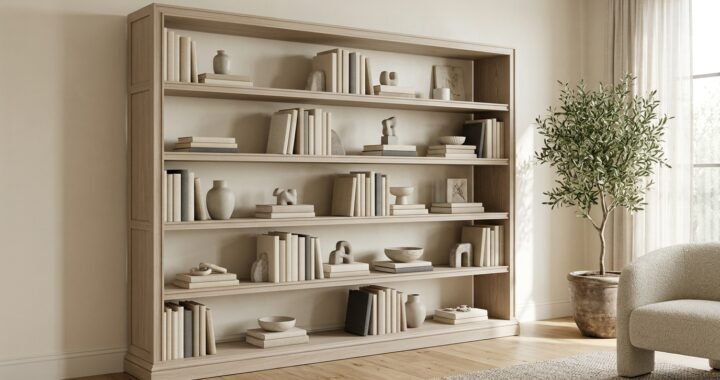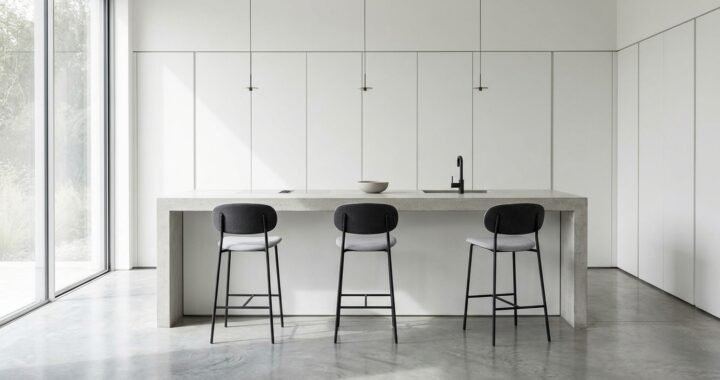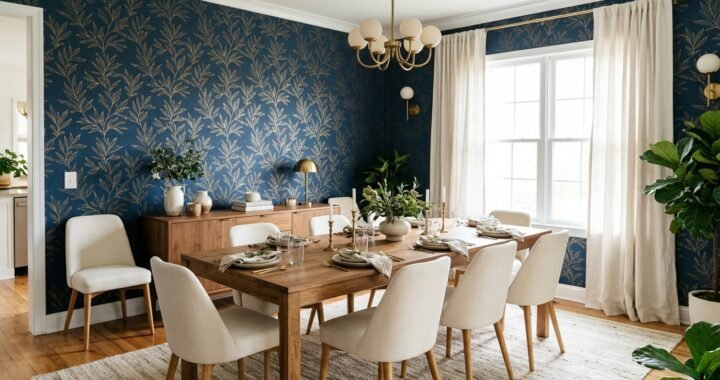
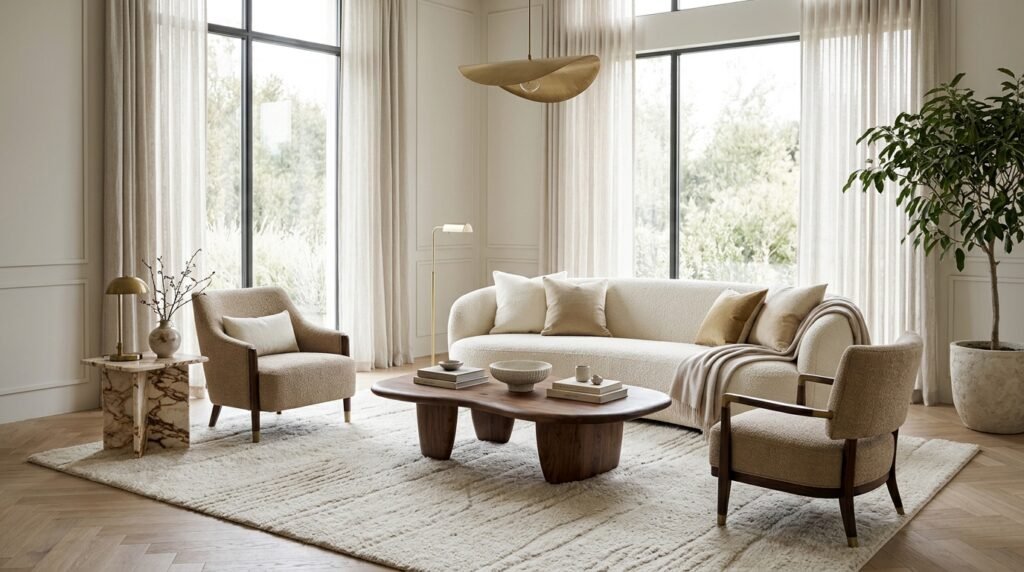
Luxury furniture combines thoughtful design, carefully selected materials, skilled construction, comfort, and refined finishing. It is made to do more than fill an empty room. A well-designed piece should serve a clear purpose, suit its surroundings, and remain useful through regular daily use. The answer to what is luxury furniture is not simply expensive furniture or products with famous brand names. True quality depends on details such as the strength of a frame, the finish of a surface, the comfort of a seat, and the way different materials work together. Luxury furniture can be traditional, modern, minimalist, or contemporary. It may include a handcrafted wooden dining table, a tailored sofa, a carefully designed bed, or a custom storage cabinet. Some pieces use natural materials, while others combine engineered components with detailed finishing. Understanding these differences helps homeowners make better choices. It also makes it easier to recognize genuine quality instead of paying extra for appearance or marketing alone.
What Does Luxury Furniture Mean?
Luxury furniture refers to furniture designed and made with particular attention to appearance, materials, construction, comfort, and detail. It often offers a more considered design and finish than basic mass-produced furniture. However, there is no single material, price, or design style that defines every luxury piece. A simple wooden chair can be luxurious if its proportions, construction, finish, and comfort are carefully considered. A large decorative sofa may look impressive but offer poor support or weak construction. The meaning of luxury also changes with the needs of a home. A formal dining room may benefit from a detailed table and upholstered chairs, while a modern apartment may suit clean lines and simple forms. In both settings, the furniture should feel appropriate and work well. To understand what is luxury furniture, it helps to look beyond labels and examine how a piece is designed, made, finished, and used.
What Makes Furniture Feel Luxurious?
Several qualities work together to create a luxury appearance and experience. Material selection is one factor, but construction and design matter just as much. A table made from attractive timber still needs a stable base, accurate joints, and a suitable finish. A sofa needs a supportive frame, comfortable cushions, and upholstery that suits its expected use. Details also influence the final result. Smooth edges, aligned doors, neat stitching, balanced proportions, and carefully fitted hardware can make furniture feel more refined. Comfort is another important part of quality. A beautiful chair is not a successful design if its seat is uncomfortable. Good furniture also fits the room without making movement difficult. Some pieces offer custom sizes, finishes, or upholstery choices, but customization alone does not guarantee quality. The best results come from a clear design and careful production. Luxury should be visible in the way the furniture works, not only in the way it looks.
Materials Used in Luxury Furniture
Materials influence the appearance, feel, weight, care needs, and expected use of furniture. Common choices include solid wood, wood veneer, leather, natural textiles, stone, glass, and metal. Each material has strengths and limitations. Solid timber offers natural grain and can suit tables, chairs, beds, and cabinets. Veneer provides a real wood surface over a supporting core and allows makers to create controlled grain patterns. Leather can bring texture and a rich finish to sofas and chairs, while fabric offers a wide choice of colors and patterns. Marble and other stones create distinctive table surfaces, but they may need careful protection. Metal can provide structural support or decorative detail. A high-quality piece does not need to use the most expensive material in every part. It needs materials that suit its purpose and are assembled properly. When considering what is luxury furniture, material quality should be judged together with construction, design, and maintenance needs.
Solid Wood and Wood Veneer
Solid wood is made from natural timber throughout the main wooden component. Oak, walnut, ash, and beech are examples used in furniture production. Each type has its own color, grain, texture, and working qualities. Solid wood can be repaired or refinished in some cases, depending on its thickness and finish. It also responds to changes in temperature and humidity, so movement must be considered during design and construction. Wood veneer uses a thin layer of real wood attached to a supporting material. It can create an attractive natural surface while allowing efficient use of selected timber. Veneer is not automatically a sign of poor quality. Its performance depends on the core, bonding, surface preparation, edge treatment, and overall construction. Buyers should check whether edges are secure and whether the finish looks even. They should also ask what material is used beneath the veneer. The useful question is not simply whether a piece is solid wood, but whether its materials are suitable for its design and expected use.
Leather and Upholstery Fabrics
Leather and fabric are common choices for sofas, armchairs, dining chairs, and headboards. Leather varies in texture, thickness, finish, and natural markings. Some finishes show more of the hide’s natural character, while others create a more even surface. Leather may develop creases and changes in appearance through use. These changes are not always defects, but buyers should understand the expected look before choosing it. Upholstery fabric offers many more options in color, pattern, weave, and texture. Linen can create a relaxed appearance, while wool blends and synthetic textiles may suit different design and care needs. Fabric performance depends on its construction and treatment, not simply its price. A delicate textile may work in a formal room but may not suit a busy family space. Before ordering, ask about cleaning methods, removable covers, stain treatment, and repair options. A sofa’s appearance matters, but its upholstery should also match the way the household uses the room.
Stone, Glass, and Metal Details
Stone, glass, and metal can add contrast and structure to furniture. Marble is often used for dining tables, coffee tables, consoles, and side tables. Its natural veins and color variations make each surface visually distinct. However, natural stone can be porous and may be affected by stains or unsuitable cleaning products. Glass can make a table look lighter and allow more of the floor or rug to remain visible. It also shows fingerprints and may need regular cleaning. Metal appears in table frames, chair legs, handles, hinges, and decorative trim. Brass, steel, and aluminum have different appearances and properties. The surface finish matters too. Brushed, polished, plated, and painted metal need different care. When several materials are combined, their connections should be stable and well finished. A heavy stone top, for example, needs suitable support. Buyers should ask how the furniture is assembled and whether specialist installation is needed.
Why Craftsmanship Matters
Craftsmanship is the skill and care used to turn materials into finished furniture. It affects how well parts fit together and how the piece performs over time. In wooden furniture, signs of careful work may include aligned doors, even drawer gaps, smooth edges, and stable joints. In upholstered furniture, look at seam alignment, stitching, cushion shape, and the way fabric meets the corners. These visible details do not reveal every part of the internal construction, but they can help identify careless finishing. A piece should feel stable when used as intended. Drawers should move without catching, doors should close properly, and table legs should sit firmly. Some manufacturers use a combination of machinery and hand-finishing. Modern equipment can support accurate production, while skilled workers handle fitting, surface preparation, and detailed finishing. The important factor is the result, not whether every step was done by hand. In what is luxury furniture, craftsmanship is a central part of the answer because attractive materials cannot compensate for poor assembly.
Popular Luxury Furniture Styles
Luxury furniture does not belong to one fixed design style. Traditional furniture often uses detailed woodwork, carved features, rich finishes, and formal shapes. It may suit homes with classic architectural details. Contemporary furniture reflects current design ideas and can combine clean lines with new materials. Modern furniture often favors simple forms, useful layouts, and limited decoration. Minimalist furniture reduces visual detail and focuses on essential shapes. Mid-century-inspired designs may use tapered legs, warm wood tones, and clear geometric forms. Rustic furniture brings natural textures and a relaxed appearance. Transitional furniture combines traditional and contemporary elements. These styles can also work together when their colors, proportions, and finishes are balanced. A room does not need to contain a matching collection from one range. A modern sofa can sit beside a traditional cabinet if both pieces suit the room. The most successful style is one that supports the home’s architecture and the way people use the space.
Types of Luxury Furniture for Different Rooms
Furniture should be selected according to the purpose of each room. A living room needs seating, tables, storage, and enough open space for movement. A dining room needs a suitable table, comfortable chairs, and room to pull those chairs out. A bedroom needs a supportive bed frame, useful bedside storage, and enough wardrobe space. A home office needs a desk and seating that support the work being done. The answer to what is luxury furniture can therefore look different from one room to another. A large statement sofa may suit a spacious lounge but overwhelm a small apartment. A decorative cabinet may look attractive but offer too little storage for everyday needs. Before buying large items, measure the room, doorways, stairways, and lift access. Also consider windows, sockets, radiators, and walking routes. A carefully planned room feels more comfortable than one filled with costly pieces that do not fit.
Living Room Furniture
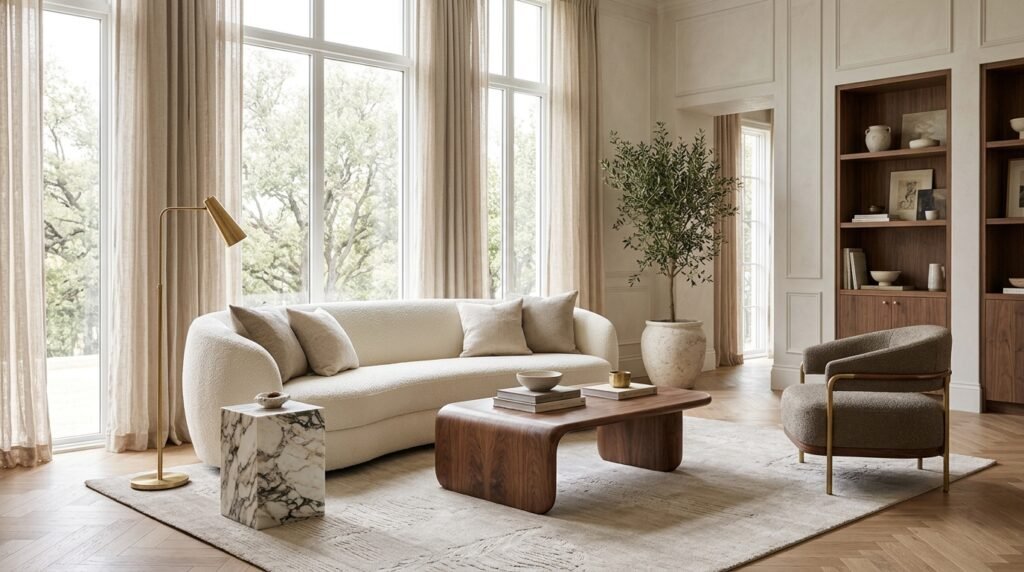
Living room furniture often includes sofas, armchairs, coffee tables, side tables, media units, and bookcases. Seating should match the number of people who use the room and the way they spend their time. A deep sofa may suit relaxed lounging, while a shallower seat may feel better for upright sitting. Coffee tables should be easy to reach without blocking movement. Side tables provide a place for lamps, books, and everyday items. Storage furniture can help keep the room organized by hiding cables, games, and other belongings. Consider the size of the sofa in relation to the room and other pieces. A large sectional may look appealing in a showroom but leave little space at home. Upholstery should also match daily use. A family room may need a more practical fabric than a formal sitting area. One distinctive chair or table can create visual interest without making the entire room feel crowded.
Bedroom Furniture
Bedroom furniture includes beds, headboards, bedside tables, wardrobes, dressers, and benches. The bed usually has the strongest visual effect, so its size and design influence the rest of the room. An upholstered headboard can add softness, while a simple wooden frame may create a cleaner look. Bedside tables should have enough space for items used at night. Their height should also work with the mattress and bed frame. Wardrobes need practical internal storage, including suitable hanging space, shelves, and drawers. Check the inside layout rather than judging a wardrobe only by its exterior. Doors and drawers need enough room to open fully. Bedroom furniture should also leave space for cleaning and movement. Matching every item is not necessary. Different finishes can look coordinated when they share a similar color range, scale, or design detail.
Dining Room Furniture
Dining furniture needs to support meals, conversation, and movement around the table. Table shape should suit the room. A rectangular table may work well in a long space, while a round table can help people face one another. Chair comfort matters because meals and conversations may continue for a long time. Check the seat height, back support, armrests, and clearance beneath the table. Extendable tables can help households that sometimes need extra seating. Their extension parts should fit securely and move as intended. Table surfaces also need care suited to their materials. Wood may need protection from heat and moisture, while stone may require specific cleaning products. A dining set should not be judged only by how it looks when unused. It should make daily meals and occasional gatherings comfortable.
Luxury Furniture vs. Premium and Designer Furniture
The words luxury, premium, and designer are often used together, but they describe different things. Premium furniture generally suggests a higher level of quality or finish than basic products. Luxury furniture places emphasis on the complete experience, including design, materials, construction, comfort, and service. Designer furniture refers to products created by a named designer, studio, or recognized brand. A designer piece can also be luxurious, but the designer name alone does not prove strong construction or comfort. A smaller workshop may produce carefully made furniture without a famous label. Prices can overlap across all three categories. Some designer products cost more because of their name, limited production, or design history. Buyers should compare the actual materials, dimensions, construction details, care requirements, and warranty terms. A famous label may be meaningful to someone who values its design history, but it should not replace a careful assessment of the furniture itself.
Is Expensive Furniture Always Luxurious?
No. A high price does not automatically mean a piece is well made or suitable for a home. Price may reflect brand reputation, design fees, imported materials, limited production, custom work, or retail costs. It may also include services such as delivery or installation. These factors can add value, but they do not guarantee comfort or durability. A less expensive piece may offer better practical value if it has suitable materials and careful construction. Ask what the frame is made from, how joints are assembled, what upholstery is used, and how surfaces are finished. Request written specifications when possible. Check whether the displayed price includes the fabric, finish, hardware, and dimensions shown. Some showroom models use upgraded options that cost extra. Compare the exact configuration rather than relying on a headline price. The real meaning of what is luxury furniture should come from quality and usefulness, not from the amount printed on a price tag.
How to Choose Furniture for Your Home
Start with the room’s purpose and the people who will use it. Decide whether the main need is seating, storage, dining, sleeping, or display. Measure the room and create a simple layout before shopping. Include doorways, windows, radiators, sockets, and walking routes. Choose a design that works with existing floors, wall colors, lighting, and fixtures. Then compare materials and construction. If shopping in person, sit on sofas and chairs, open drawers, test doors, and inspect visible joints. If shopping online, read the dimensions and product specifications carefully. Look for clear photographs of the front, back, sides, and internal storage. Ask about delivery, assembly, returns, repairs, and warranty coverage. A large piece may need professional delivery or installation. Buyers should also check whether the furniture can pass through the entrance and reach the intended room. Good planning prevents an attractive purchase from becoming an awkward fit.
Signs of Well-Made Furniture
Careful inspection can reveal problems before purchase. Check that tables and cabinets stand firmly and do not wobble on a level floor. Look at the gaps around doors and drawers. They should appear consistent, and moving parts should work smoothly. Edges should feel finished rather than rough or sharp. Upholstery seams should be neat, and cushions should sit evenly. On wooden furniture, inspect the finish in natural light for rough patches, uneven color, or visible damage. Veneer edges should not be lifting or bubbling. Metal fittings should be secure and aligned. Ask about the internal frame and support because these parts may not be visible in a showroom. Also check whether replacement hardware, cushion covers, or other parts are available. No quick inspection can guarantee how furniture will perform for years, but these checks can help identify poor workmanship. A reliable seller should be able to explain the materials and construction without relying only on broad words such as premium or exclusive.
Custom-Made and Bespoke Furniture
Custom-made furniture is produced using selected dimensions, materials, finishes, or design details. It can be useful when a room has unusual measurements or standard products do not meet a household’s needs. A homeowner may choose a particular wood finish, fabric, color, handle, leg style, or storage layout. Bespoke work needs clear communication before production starts. Provide accurate measurements and confirm which features are included in the price. Ask for drawings, finish samples, or fabric samples where available. Confirm the expected production time, payment schedule, delivery arrangements, and process for approving changes. Natural materials may vary from samples, so ask what differences are normal. Custom furniture may have different return conditions from ready-made products. It can also cost more because the maker must plan and produce a specific design. Before ordering a large cabinet or sofa, check access through doors, stairways, and lifts. Custom work is most useful when it solves a real design or space problem.
Comfort and Ergonomics Matter
Furniture should feel as good as it looks. Comfort depends on shape, proportions, support, and the person using the piece. Sofa seat depth, seat height, cushion firmness, and back angle all affect how someone sits. Dining chairs need a suitable relationship between the seat and table. Armrests should not stop the chair from fitting beneath the table. Office furniture should support the tasks performed at the desk. A decorative desk chair may not be suitable for long working sessions. Bed comfort also depends on the mattress, not only the bed frame or headboard. When shopping in person, try the furniture in a natural sitting position. If several people will use the same piece, consider their different needs. A chair that feels comfortable for a short showroom visit may feel less supportive after an hour. Comfort should be judged through actual use, not appearance alone.
Caring for Luxury Furniture
Care depends on the material and finish. Follow the product’s own instructions because a cleaner suitable for one surface may damage another. For many pieces, gentle dusting with a soft cloth helps prevent dirt from building up. Wipe spills promptly and avoid leaving moisture on wood or veneer. Use coasters and placemats on surfaces that may be marked by drinks, dishes, or heat. Leather needs care suited to its finish, while upholstery may need gentle vacuuming or professional cleaning. Stone can be affected by stains and unsuitable acidic products. Metal finishes may also react to abrasive cleaners. Furniture Brands International recommends material-specific care for wood, veneer, upholstery, leather, stone, metal, and glass. Howard Miller also advises using suitable methods for wood and stone rather than treating every surface in the same way. Furniture Brands International+1 These examples show why general cleaning advice should not replace the manufacturer’s instructions. Keep care documents after purchase and test any approved product in a hidden area when the instructions recommend it.
Common Mistakes to Avoid
One common mistake is choosing furniture before measuring the room. A large sofa or cabinet can block walkways and make a room difficult to use. Another mistake is assuming solid wood is always the best material. Quality veneer and engineered components can be suitable when properly designed and assembled. Buyers may also overlook upholstery care, delivery access, or the cost of custom options. Choosing a complete matching set without considering the room can make the space feel flat or crowded. A further mistake is focusing on a brand name while ignoring the product specification. Delicate materials may also be a poor choice for areas with heavy daily use. Before ordering, review dimensions, materials, construction, comfort, care needs, warranty terms, and delivery arrangements. Ask questions if the seller cannot explain what is inside the product. A careful decision is more useful than a rushed purchase based on showroom lighting or promotional language.
Sustainability and Responsible Material Choices
Sustainability can be part of furniture quality, but claims should be checked carefully. Furniture uses timber, metals, textiles, finishes, packaging, and transport. Responsible choices may include certified wood, recycled materials, repairable parts, and designs that can be maintained over time. The Forest Stewardship Council provides certification systems for forest-based materials. Its furniture guidance explains how certified sourcing and chain-of-custody certification relate to products made with forest materials. Forest Stewardship Council+1 Buyers should check whether a claim applies to the finished furniture or only to a specific material. Reused and refurbished furniture can also be useful choices when the item remains safe and suitable. Ask whether covers, cushions, hardware, or other parts can be replaced. A repairable design may remain useful longer than one that must be discarded after a small failure. Words such as natural, green, or eco-friendly are not enough by themselves. Look for clear information about sourcing, materials, and certification.
Making Luxury Furniture Work in a Small Home
A small home can feel refined without large or costly pieces. The key is choosing furniture that fits the room and supports daily activities. A compact sofa may be more practical than a wide sectional. An extendable dining table can provide extra space when needed without taking up as much room every day. Storage beds, slim cabinets, and nesting tables can combine useful functions. Furniture with visible legs may help maintain an open appearance because more floor remains visible. Light finishes can help a room feel bright, although the result depends on natural light and wall colors. Avoid filling a small room with several statement pieces. One distinctive chair, table, or cabinet may provide enough character. Leave space to open doors, pull out chairs, and move comfortably. A well-planned layout often feels more refined than a room crowded with expensive objects.
When Is Luxury Furniture Worth the Cost?
Luxury furniture may be worth considering when a piece will be used often, needs to fit a specific space, or offers qualities that matter to the household. A sofa used every evening deserves attention to its comfort, frame, upholstery, and repair options. A dining table used for daily meals may benefit from a durable surface and stable construction. A decorative side table used occasionally may not need the same level of investment. Consider expected use, maintenance, repair options, and how easily the design will fit future changes in the home. Ask whether the item can be reupholstered, refinished, moved, or adapted. A higher initial price does not always mean a lower lifetime cost. Nor does a high price guarantee that furniture will last forever. The useful question is whether the specific piece offers enough quality and function to justify its cost. That is a practical way to judge what is luxury furniture before making a purchase.
Frequently Asked Questions
What is luxury furniture made of?
Luxury furniture may use solid wood, wood veneer, leather, quality fabrics, stone, glass, and metal. The choice depends on the design and intended use. Quality comes from selecting suitable materials and assembling and finishing them carefully.
Does luxury furniture last longer than regular furniture?
It can last longer when it has sound construction, suitable materials, proper care, and repair options. However, the word luxury does not guarantee durability. Check the frame, joints, finish, upholstery, warranty, and care instructions before buying.
Is solid wood always better than engineered wood?
No. Solid wood offers natural grain and may be refinished, depending on its thickness and finish. Engineered wood can provide a stable base for many designs. The quality of the material and construction matters more than the label alone.
What is luxury furniture compared with designer furniture?
Luxury furniture describes qualities such as materials, construction, comfort, finish, and design. Designer furniture refers to a piece associated with a particular designer, studio, or brand. A product can be both, but a designer name does not automatically prove better quality.
How can someone identify good-quality furniture?
Check stability, joints, drawer movement, surface finish, stitching, and alignment. Ask about internal materials, upholstery, care, warranty, and repairs. If possible, test the furniture in person and compare the exact product specifications.
Is luxury furniture suitable for everyday use?
Yes, many pieces are designed for regular use. Suitability depends on their materials, construction, and care needs. Choose practical upholstery for busy rooms, stable tables for daily meals, and comfortable seating for longer periods. Follow the maker’s instructions to protect the finish.
Conclusion
Luxury furniture brings together design, materials, craftsmanship, comfort, and practical function. It does not have to be ornate, carry a famous label, or cost more than every other option. A simple piece can offer real value when it is carefully made and suits the home. Before buying, check its size, construction, finish, comfort, care needs, and repair options. Think about how the furniture will be used each day, not only how it looks in a showroom. The clearest answer to what is luxury furniture is furniture whose quality can be seen in its design and felt through its everyday use. Choose pieces that fit the room, support household needs, and offer a level of workmanship that justifies the investment.