
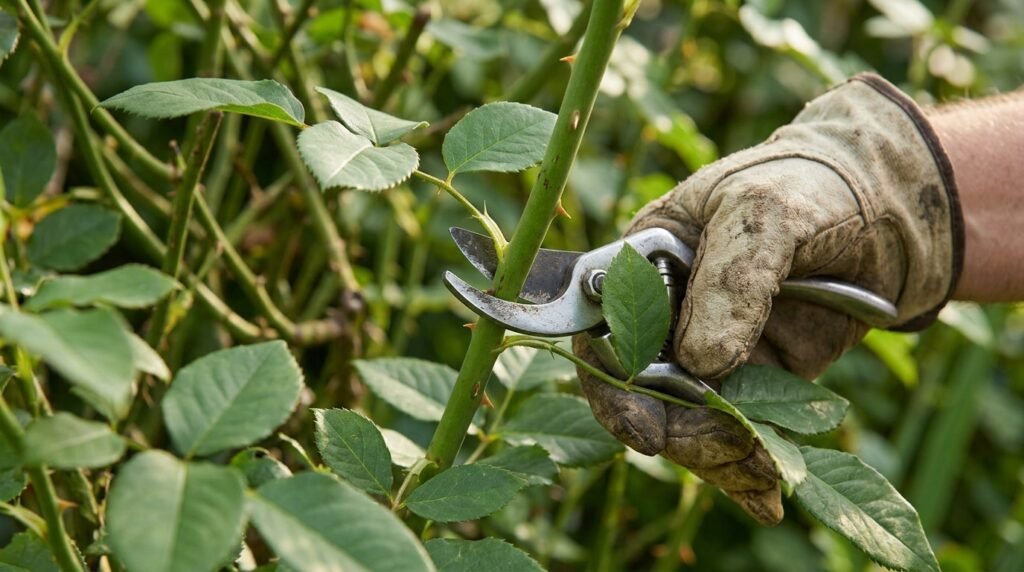
A healthy garden needs more than water and sunlight. Plants also need regular care. Dead stems must be removed. Overgrown branches need trimming. Flowers may need deadheading during the growing season. Having the right cutting tool makes these jobs easier and safer for your plants. Bypass pruning shears are one of the most useful hand tools for everyday garden work. They use two curved blades that move past each other, much like scissors. This action can create a neat cut on suitable live plant growth. Clean cuts matter because rough or crushed stems can cause unnecessary plant damage. Yet choosing and using pruning shears is not as simple as grabbing the first pair you see. Blade quality, hand size, cutting capacity, maintenance, and plant type all matter. This guide explains how bypass pruners work, when to use them, and how to care for them properly.
What Are Bypass Pruning Shears?
Bypass pruners are handheld garden cutters with two blades that pass beside each other during a cut. One blade is normally sharpened for cutting. The other supports the stem as the cutting blade moves through it. The movement is similar to a pair of scissors. This design is especially useful when working with living stems and relatively small branches. A clean slicing action can cause less crushing than some other pruning designs. Gardeners commonly use bypass pruning shears for flowers, shrubs, roses, herbs, young tree growth, and many other plants. However, every tool has a cutting limit. Hand pruners are not designed for large branches. If a branch feels too thick or requires excessive force, a lopper or pruning saw may be a safer choice. Matching the tool to the job protects both the plant and your hands.
How Bypass Pruners Work
The cutting action is simple but effective. When you squeeze the handles, the sharpened blade moves closely past the lower blade. The stem sits between these two parts. A sharp cutting edge slices through the plant material while the other blade helps support it. This close passing action is what gives the tool its “bypass” name. Blade alignment is important. If the blades become loose or bent, cutting quality may suffer. You might notice torn fibers, incomplete cuts, or stems getting caught between the blades. That is why even good bypass pruning shears need occasional inspection and adjustment. A well-maintained pair should open and close smoothly without excessive sideways movement. The spring should reopen the handles without making them difficult to control. Understanding this basic action makes it easier to spot problems before they affect your pruning work.
Bypass Pruners vs. Anvil Pruners
Bypass and anvil pruners may look similar, but they cut differently. A bypass tool uses two blades that move past each other. An anvil pruners usually have a sharpened upper blade that closes against a flat lower surface. This creates a different cutting action. Bypass tools are commonly chosen for living stems where a neat cut is important. Anvil designs can be useful for certain dry or dead plant material. However, the correct choice still depends on the branch size and tool specifications. Neither style should be forced through material beyond its rated capacity. For many everyday garden jobs involving green growth, bypass pruning shears provide excellent control. Gardeners who regularly maintain both live and dead growth may eventually find value in owning more than one cutting tool. The important point is choosing a design that suits the plant material rather than expecting one pruner to handle every task.
Why Clean Pruning Cuts Matter
Pruning creates a wound in plant tissue. That is normal, but the quality and location of the cut matter. A sharp tool can create a smoother cut than a dull blade that crushes or tears the stem. Correct pruning also involves knowing where to cut. Randomly removing branches can change plant shape or remove useful growth. Before pruning, identify what you want to achieve. You may be removing dead material, controlling size, improving shape, or encouraging certain growth. Bypass pruning shears can provide the control needed for detailed work on smaller stems. Still, the tool cannot replace good pruning knowledge. Different plants have different pruning needs and seasons. If you are unsure, check reliable care guidance for the specific plant. Combining correct technique with a sharp, suitable tool gives plants a better foundation for healthy recovery and future growth.
What Can You Cut With Bypass Pruning Shears?
These pruners are useful for many small garden jobs. You can use them for suitable rose stems, flower stalks, herbs, young shoots, and smaller shrub branches. They are also useful for deadheading flowers and removing unwanted growth when the material falls within the tool’s cutting capacity. What they should not do is replace larger pruning equipment. A thick woody branch can place too much pressure on a small hand pruner. Forcing the cut can damage the blades or make the tool slip. Always check the manufacturer’s stated cutting capacity because it varies by model. If a stem does not cut with reasonable hand pressure, stop and choose a larger tool. Good pruning is not about proving how much a small tool can cut. It is about making controlled cuts with equipment suited to the job.
Choosing the Right Blade Material
Blade quality has a direct effect on how a pruner feels and performs. Many garden pruners use steel blades, but the type of steel, heat treatment, coating, and overall construction can vary. Some blades are designed to hold a sharp edge for longer. Others may be easier to sharpen at home. Protective coatings can help reduce sticking or corrosion, but they do not remove the need for cleaning. When comparing bypass pruning shears, do not choose based on blade material alone. Look at the entire tool. Blade alignment, replacement-part availability, handle strength, pivot design, and ease of maintenance are also important. A premium blade attached to an uncomfortable or poorly balanced tool may still be unpleasant to use. For most home gardeners, a well-built pruner that can be cleaned and sharpened easily is often more useful than one marketed with complicated technical terms.
Comfort and Hand Size Matter
A pruner should feel comfortable before you even make the first cut. People have different hand sizes, grip strengths, and pruning habits. Handles that spread too far apart can make repeated cutting tiring for someone with smaller hands. A tool that is too small may also feel awkward in larger hands. Some models are available in different sizes or include adjustable handle openings. Grip material can affect comfort as well. Soft or textured areas may help the tool feel secure, but handle shape and balance are equally important. If possible, hold the pruner before buying it. Open and close it several times without cutting anything. Your fingers should sit naturally around the handles. Good bypass pruning shears should feel controlled rather than oversized or difficult to squeeze. Comfort becomes especially important when you spend a long afternoon pruning shrubs, flowers, or fruiting plants.
Cutting Capacity Should Not Be Ignored
Manufacturers often state the maximum branch diameter their pruning tool is designed to cut. Treat this number as a limit rather than a challenge. Cutting difficulty depends on more than diameter. A fresh green stem may be easier to cut than a hard woody branch of similar thickness. Species and branch condition also matter. If you need both hands to force a one-handed pruner closed, the branch is probably better suited to another tool. Excessive force can twist the blades, strain the pivot, or cause your hand to slip. For larger material, loppers give you longer handles and greater leverage. A pruning saw is better for branches beyond lopper capacity. Respecting these differences can extend tool life and make garden work safer. The goal should always be a controlled cut, not the largest possible cut.
How to Use Bypass Pruning Shears Correctly
Begin by inspecting the plant and deciding which stem needs to be removed. Position the cutting blade where you want the cleanest side of the cut. Make sure the stem sits properly inside the cutting area instead of at the very tips of the blades. Close the handles in one smooth, controlled movement. Avoid twisting the tool sideways while cutting. Twisting can produce a rough cut and place unnecessary stress on the blades. When using bypass pruning shears, take your time around crowded growth. Make sure you are cutting the intended stem and not a healthy branch hidden behind it. Your free hand should also remain away from the blades. For larger pruning jobs, pause regularly and check the tool for plant sap, loose parts, or trapped material. Careful technique produces better results than rushing through dozens of stems.
How to Prune Without Damaging Plants
The correct place to make a cut depends on why you are pruning and what type of plant you have. For some small stems, you may cut near a healthy bud or branching point. Other situations require removing a branch at its proper attachment point. Avoid leaving random long stubs unless the plant’s pruning method calls for them. You should also avoid removing too much healthy growth at once without understanding how that plant responds. Timing matters as well. Some plants flower on old growth, while others flower on newer growth. Pruning at the wrong time can reduce flowers. Bypass pruning shears give you the ability to make precise cuts, but precision begins with knowing where the cut belongs. When working with an unfamiliar plant, identify it first and check trusted horticultural guidance before doing major pruning.
Why Sharp Blades Make Pruning Easier
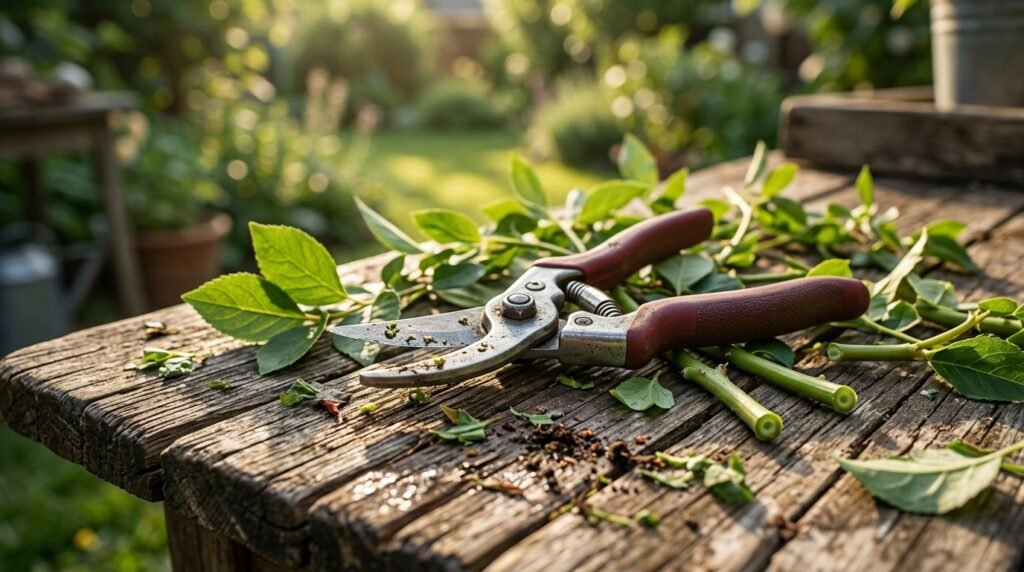
A sharp cutting edge moves through stems with less resistance. This can make the tool easier to control and reduce the temptation to twist or force it. Dull blades may crush, tear, or partially cut plant material. They can also make a simple pruning session much more tiring. You do not need to wait until a blade becomes extremely dull before maintaining it. Pay attention to changes in cutting performance. If stems that once cut easily now require much more force, inspect the blades. Look for damage, sap buildup, and alignment problems before assuming sharpening is the only solution. Sharpening methods vary according to blade design, so follow the tool manufacturer’s recommendations when available. Maintaining bypass pruning shears regularly is usually easier than trying to restore a badly neglected pair after years of hard use.
How to Clean Pruning Shears
Cleaning should become part of your normal pruning routine. Plant sap, moisture, dirt, and small fibers can collect around the blades and pivot. Start by removing visible debris after use. Follow the manufacturer’s cleaning guidance for the blade material and coating. After cleaning, dry the tool thoroughly before storage. Moisture left on metal parts can encourage corrosion. The pivot may also need occasional lubrication with a suitable product. Cleaning becomes even more important when working around diseased plant material. Plant health guidance may recommend disinfecting tools between affected plants or cuts, depending on the disease. Use an appropriate method for the tool and situation. Do not assume one cleaning product is suitable for every blade coating or handle material. A few minutes of care after gardening can keep the pruner working smoothly and make the next pruning session easier.
When Should You Sharpen the Blades?
There is no universal sharpening schedule because gardeners use their tools at different rates. Someone maintaining a few indoor or patio plants may use pruners far less often than someone caring for a large garden. Instead of sharpening by date, watch how the tool performs. A noticeable increase in cutting effort can be a sign that maintenance is needed. Rough cuts can also indicate a dull edge, although poor blade alignment may cause similar problems. Before sharpening bypass pruning shears, clean the blade and inspect it carefully. Follow the original bevel of the cutting edge rather than changing its shape. If you are not comfortable sharpening the tool, professional sharpening may be worthwhile. Deep chips, bent blades, or damaged pivots may require replacement parts rather than sharpening. Proper diagnosis prevents you from removing metal unnecessarily.
How to Store Your Pruning Shears
Good storage protects the tool between jobs. Do not leave pruning shears outside on damp soil or exposed to rain. Even tools with corrosion-resistant parts can suffer when they stay wet for long periods. Clean and dry the blades before putting them away. Engage the safety lock if the design includes one. This keeps the blades closed during storage and reduces accidental contact with the cutting edge. Store the tool somewhere dry and easy to reach but away from children. A garden toolbox, wall rack, or dry shed cabinet can work well. Before storing bypass pruning shears for a long season, inspect the pivot, spring, handles, and blades. Completing simple maintenance before storage means the tool will be ready when new growth appears and pruning work begins again.
Safety Tips Every Gardener Should Follow
Hand pruners are small, but their blades are designed to be sharp. Always keep your fingers away from the cutting area. Never hold a stem directly beside the blades while squeezing the handles. Work slowly when branches overlap because it is easy to lose sight of your free hand. Gloves can protect your skin from thorns and rough plant material, although they do not make your hands blade-proof. Eye protection can also be useful when working around springy branches. Lock the pruner closed when carrying or storing it. Do not place an open tool in a pocket. If a branch requires excessive force, change tools instead of pushing harder. Using the correct equipment is one of the simplest safety habits in gardening. Controlled pruning should feel deliberate, not like a struggle between you and the branch.
Common Mistakes to Avoid
One common mistake is forcing hand pruners through branches that are too large. This can damage the blades and increase the chance of slipping. Another mistake is continuing to use dull or dirty blades. Sap and plant residue can affect smooth operation, while a dull edge makes cutting harder. Gardeners may also twist the tool during a difficult cut. That places sideways pressure on blades designed to move past each other. Another problem is pruning without understanding the plant. Removing healthy growth at the wrong time can affect its shape or flowering. Bypass pruning shears are precise tools, but they cannot correct poor pruning decisions. Inspect the plant first, know what you want to remove, and choose the right cutting point. A few extra seconds of planning can prevent mistakes that take an entire growing season to correct.
Are Expensive Bypass Pruners Worth It?
Price alone does not determine whether a pruner is right for you. More expensive tools may offer stronger construction, replaceable parts, better blade steel, or more comfortable handles. Those features can provide value for gardeners who prune frequently. However, an occasional gardener may not need a professional-grade tool. Focus on build quality and serviceability rather than price or brand status. Check whether replacement blades, springs, and other common parts are available. A repairable tool can be useful for many years. Also consider comfort. An expensive pruner that does not fit your hand is still a poor choice. The best value comes from a tool that matches your workload and remains easy to maintain. Think about how often you prune, what plants you grow, and which branch sizes you normally encounter before deciding how much to spend.
How to Choose Bypass Pruning Shears for Your Garden
Start with the plants you prune most often. If you mainly deadhead flowers and trim soft stems, a light compact tool may be enough. Gardeners maintaining woody shrubs and roses may want stronger construction and a larger rated cutting capacity. Next, consider your hands. Look for handles that feel natural and do not require an uncomfortable stretch. Weight matters too, especially during long pruning sessions. When comparing bypass pruning shears, check whether important parts can be replaced. Springs, blades, and pivot components may wear over time. A tool that can be repaired may provide better long-term value. Finally, ignore features you do not need. A comfortable, sharp, well-built pruner is more useful than a complicated model that feels awkward. The right choice should make normal garden work simpler, not turn a basic task into a technical challenge.
A Simple Buying Checklist
Before buying, inspect the blade design, handle size, weight, safety lock, spring action, and stated cutting capacity. Open and close the tool if possible. The movement should feel smooth and controlled. Check whether the blades sit closely together without obvious unwanted movement. Look for information about replacement parts and sharpening. If you garden frequently, repairability can be especially valuable. Also think about the plants you own. A compact pruner may be perfect for flowers but unsuitable for regular work on thicker woody growth. Do not buy based only on the largest cutting capacity printed on the package. Comfort and control are equally important. Finally, read the manufacturer’s care instructions. Knowing how a tool should be cleaned, adjusted, sharpened, and stored before buying can help you choose a pair you will be comfortable maintaining.
Frequently Asked Questions
What are bypass pruning shears used for?
Bypass pruning shears are mainly used for controlled pruning of smaller stems and branches. Gardeners often use them for roses, flowers, shrubs, herbs, young shoots, and similar live plant growth. Their blades pass beside each other in a scissor-like action. This design can create a clean cut when the blades are sharp and properly aligned. However, they are still hand tools with limited cutting capacity. Check the manufacturer’s recommended maximum diameter before use. If a branch requires excessive force, switch to loppers or a pruning saw. Choosing the right tool helps protect the plant, the pruner, and your hands.
What is the difference between bypass and anvil pruners?
Bypass pruners use two blades that move closely past one another. Anvil pruners usually use a cutting blade that closes against a flatter lower surface. Because of this difference, the two tools behave differently on plant material. Bypass models are widely used for live growth where gardeners want a controlled slicing action. Anvil models may be useful for some dry or dead stems. Neither design should be forced through oversized branches. Your choice should depend on what you normally prune, the condition of the material, and the cutting capacity of the specific tool. Many active gardeners eventually keep different cutting tools available for different jobs.
Can bypass pruners cut dead branches?
They can cut some dead material when it is small enough and falls within the tool’s rated capacity. However, dry wood can be much harder than fresh green growth. A dead branch that looks small may therefore require more force than expected. Do not keep squeezing harder if the blades struggle. Excessive pressure can damage the cutting edge, twist the blades, or cause the tool to slip. Anvil pruners, loppers, or a pruning saw may be more suitable depending on the branch. The safest approach is to match the tool to both the diameter and hardness of the material instead of judging the branch by size alone.
How do I keep pruning shears from rusting?
Clean the tool after use and remove plant residue from the blades. Dry all metal parts thoroughly before storage because long periods of moisture can encourage corrosion. Store the pruner in a dry location rather than leaving it outdoors. The pivot and other moving parts may need occasional lubrication according to the manufacturer’s instructions. If your blades have a special coating, check which cleaning and maintenance products are suitable before applying anything. Regular inspection also helps you catch small spots of corrosion before they become a larger problem. Simple cleaning and dry storage can make a major difference to the working life of a garden tool.
How often should bypass pruners be sharpened?
Sharpen them when cutting performance shows that the edge needs attention rather than following a fixed schedule. Frequent gardeners may need maintenance more often than occasional users. If stems suddenly require extra pressure or cuts become rough, inspect the tool. Clean the blade first because dried sap can sometimes make a sharp blade feel dull. Also check blade alignment and the pivot. If sharpening is needed, follow the existing bevel and the manufacturer’s guidance. Deep chips or bent components may require repair or replacement instead. Regular light maintenance is usually easier than waiting until the cutting edge becomes badly worn.
Are bypass pruning shears good for beginners?
Yes. Bypass pruning shears can be a practical first cutting tool for someone starting a garden. Their basic operation is easy to understand, and they can handle many routine tasks involving smaller plant growth. Beginners should still learn basic pruning technique before removing large amounts of healthy material. Identify the plant, understand why it needs pruning, and find the correct cutting point. It is also important to respect the tool’s cutting capacity and keep your free hand away from the blades. Starting with simple jobs such as deadheading or removing clearly dead small stems can help new gardeners become comfortable with the tool.
Conclusion
A dependable pair of bypass pruning shears can become one of the most frequently used tools in a garden. Their scissor-like cutting action makes them useful for flowers, shrubs, herbs, roses, and many other smaller pruning jobs. Yet good results depend on more than owning the tool. Blade sharpness, correct cutting technique, hand comfort, plant knowledge, and regular maintenance all play important roles. Choose a pair that fits your hand and matches the plants you normally maintain. Respect its cutting capacity and move to loppers or a saw when branches become too large. Clean the blades after use, keep the tool dry, and inspect it regularly. With sensible care and thoughtful pruning, one well-chosen pair can make everyday garden maintenance cleaner, easier, and much more enjoyable.