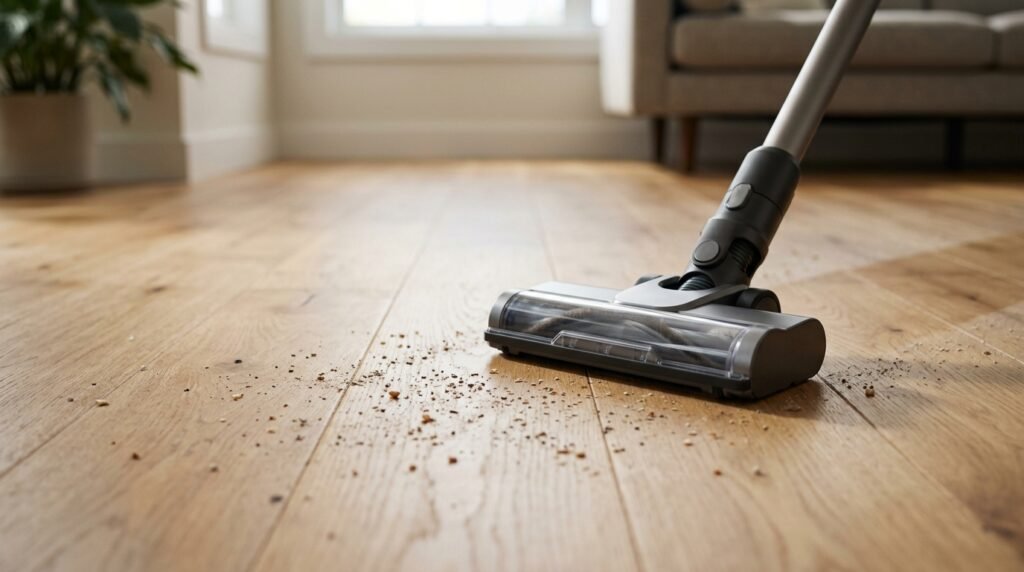
Hardwood floors can change the whole feel of a room. They look warm, clean, and timeless. Yet they also show dust very quickly. Pet hair, crumbs, sand, and tiny bits of dirt can stand out on a smooth floor. Regular cleaning keeps that mess under control. However, the vacuum you choose matters more than many people realize. A machine made mainly for thick carpet may not be ideal for wood.
The best vacuum for hardwood floors should remove dirt without being rough on the surface. It should collect fine dust and larger crumbs without pushing them around. It should also move smoothly near furniture, walls, and corners. Most importantly, it should fit the way you actually clean your home.
This guide explains what to look for before buying. You will learn about suction, soft rollers, filtration, pet hair, cordless models, canister vacuums, and more. The goal is not to push one product. It is to help you make a smart choice for your floors.
Why Hardwood Floors Need the Right Kind of Vacuum
Hardwood is strong, but its finished surface still needs care. Small pieces of grit can enter your home on shoes, bags, and pet paws. These particles may look harmless. Yet they can be dragged across the floor as people walk. Over time, this can leave the surface looking dull. That is why regular removal of loose dirt is an important part of hardwood floor care.
The best vacuum for hardwood floors should clean this debris without adding another source of friction. Some carpet vacuums use stiff, fast-moving brushes. Those brushes help lift dirt from carpet fibers. Hardwood does not need the same aggressive action. A smooth floor head, gentle brush, or soft roller is often more suitable. Regularly checking the wheels and cleaning head also matters. Even a gentle vacuum can cause trouble if a hard piece of grit becomes trapped underneath it.
What Makes a Vacuum Good for Hardwood Floors?
A good hardwood vacuum needs more than strong suction. Start by looking at the floor head. It should sit close enough to collect fine dust while still allowing larger crumbs to enter. Some poorly designed heads simply push larger pieces forward. A soft roller or dedicated hard-floor attachment can help solve this problem.
Next, consider the wheels and brush system. Wheels should turn freely and should not have rough edges. A powered brush should either be hardwood-safe or have an off switch. The best vacuum for hardwood floors should also be easy to steer. Dust often hides under tables, beds, and cabinets. A flexible head makes these places easier to reach. Finally, check how easy the vacuum is to maintain. Rollers, filters, and bins should be simple to access because a clean machine usually performs better than a neglected one.
Soft Rollers Can Be Helpful on Wood Floors
Soft roller heads are common on modern hard-floor vacuums. Instead of relying on stiff bristles, they use a softer surface to make contact with the floor. This design can help collect fine dust that may otherwise remain behind. It can also guide larger debris toward the suction opening instead of pushing it across the room.
However, a soft roller does not mean you can forget about maintenance. Hair, thread, and grit can still become trapped around the roller. Check it regularly and remove anything that could rub against the floor. A removable roller can make this job much easier. When comparing options for the best vacuum for hardwood floors, consider how the entire cleaning head works. A soft roller is useful, but good suction, easy steering, smooth wheels, and simple maintenance are equally important. No single feature should decide your purchase.
Is a Brush Roll Safe for Hardwood Floors?
A brush roll is a rotating cylinder fitted with bristles or other cleaning material. It is especially useful on carpet because it helps loosen hair and dirt trapped between fibers. Hardwood is different. Most debris sits directly on the surface, so strong agitation is usually unnecessary.
This does not mean every brush roll is bad for wood. Some modern multi-surface vacuums have softer brushes designed for hard flooring. Others allow you to stop the rotating brush when you move onto hardwood. That control can be very useful in a home with both carpet and wood. Always follow the vacuum maker’s instructions and your flooring care guidance. Also inspect the brush regularly. A safe brush can become a problem if grit becomes trapped in it. For delicate finishes, a dedicated hard-floor head may offer greater peace of mind.
How Much Suction Power Do You Really Need?
It is easy to assume that more suction always means better cleaning. In practice, vacuum performance is more complicated. Motor power, airflow, floor-head design, seals, and filters all work together. A large number on a product page does not always tell you how well the machine will clean your floor.
Hardwood usually does not require deep agitation. Dust, hair, and crumbs remain close to the surface. The vacuum needs enough airflow to pull them into the cleaning head. It should do this without scattering lightweight debris. The best vacuum for hardwood floors balances suction with smart floor-head design. Adjustable power can also be useful. You may want one setting for wood and another for rugs or upholstery. Instead of focusing only on watts or another power figure, consider how the complete machine is designed to handle hard surfaces.
Cordless Vacuums Are Convenient for Daily Cleaning
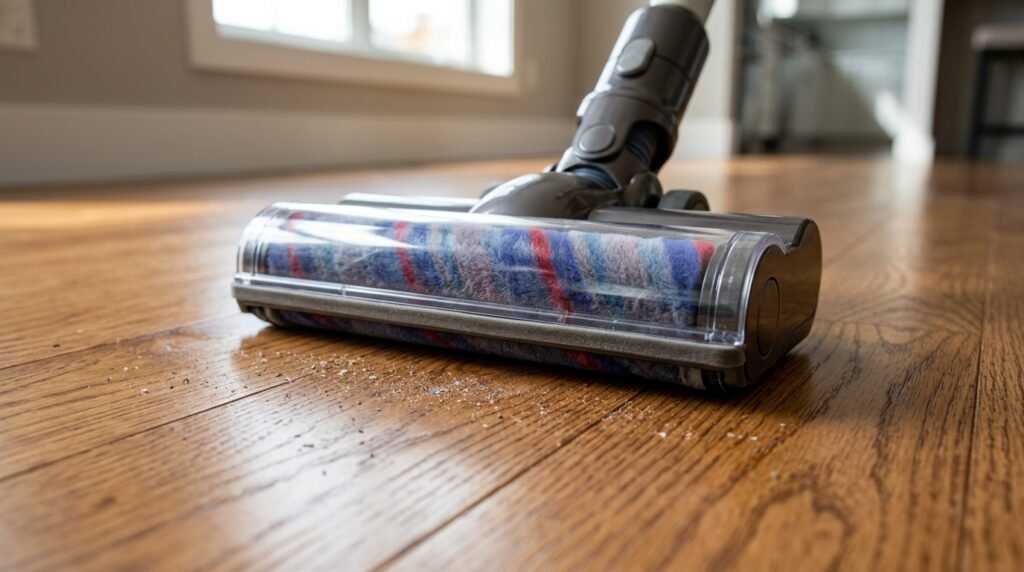
Cordless stick vacuums are easy to grab when you notice crumbs under the dining table. There is no cable to unwind or outlet to find. Their slim design can also make storage easier in apartments and smaller homes. For daily dust, hair, and light debris, this convenience can encourage more frequent cleaning.
Battery life is the main issue to consider. Runtime depends on the model, power mode, battery age, and cleaning attachment. Maximum-power modes can use energy much faster. If your home is large, make sure the expected runtime fits your normal cleaning session. A replaceable battery can add flexibility. For a smaller home, a cordless machine may be the best vacuum for hardwood floors because it makes quick cleaning simple. However, convenience should not replace good floor-head design, filtration, or reliable debris pickup.
Corded Vacuums Still Have Important Advantages
Corded vacuums may feel less modern, but they solve one problem completely: battery life. You can continue cleaning without stopping to recharge. That can be useful in a large house or when you prefer one long weekly cleaning session.
The downside is the cord itself. You may need to move between outlets. A cable can also catch around furniture if you are not careful. Still, these issues may matter less to someone who values continuous operation. Corded vacuums come in many forms, including uprights and canisters. Some provide dedicated hard-floor tools or adjustable brush settings. Do not reject a corded model simply because cordless machines are popular. The right choice depends on your home. Consider room size, storage space, stairs, rugs, and how long you usually spend cleaning before deciding which power system fits you best.
Canister Vacuums Work Very Well on Hardwood
A canister vacuum separates the motor and dust container from the cleaning wand. You guide a relatively light floor head while the main body follows behind. This design can provide excellent control on smooth flooring. Many canister models also include simple hard-floor tools with soft bristles.
The long hose can make it easier to reach beneath furniture and around awkward spaces. Attachments may also help with stairs, baseboards, curtains, and upholstery. For these reasons, a canister can be the best vacuum for hardwood floors in a home where detailed cleaning matters. The main drawback is storage. The body, hose, and wand require more room than a slim stick vacuum. Some people also dislike pulling a separate canister behind them. If you have enough storage and value control, this traditional design is still worth considering.
Upright Vacuums Can Work on Hardwood Too
An upright vacuum is not automatically unsuitable for hardwood. The key question is whether the machine can adapt to hard surfaces. Look for a dedicated hard-floor mode, adjustable cleaning head, or brush-roll shutoff. These features let you reduce carpet-style agitation when it is not needed.
Uprights are especially practical in homes with mixed flooring. One room may have hardwood while another has carpet. A flexible machine can move between both without requiring a second vacuum. However, weight deserves attention. Large uprights may be harder to carry upstairs or guide around tight furniture. Check the wheels as well. They should move smoothly, and they should be kept free of trapped grit. If your home contains several floor types, a well-designed upright can offer a useful balance between carpet cleaning and regular hardwood maintenance.
Are Robot Vacuums Good for Hardwood Floors?
Robot vacuums are useful for keeping everyday debris under control. They can collect loose dust, crumbs, and pet hair while moving through open areas. Scheduled cleaning is especially helpful in busy homes because dirt can be removed before it becomes highly visible.
However, a robot should not always be treated as a complete replacement for another vacuum. Corners, stairs, furniture, and narrow gaps may still need manual cleaning. Robot wheels and brushes also require attention. Hair and grit can become trapped underneath them. Check these parts often to keep them clean. In some households, the best vacuum for hardwood floors may actually be a two-machine setup. A robot handles light daily maintenance, while a stick, upright, or canister vacuum handles deeper cleaning. This approach can reduce the amount of dirt that builds up between full cleaning sessions.
The Best Vacuum for Hardwood Floors in Homes With Pets
Pet owners face a different kind of cleaning challenge. Fur can drift across smooth floors and gather beside walls. Outdoor dirt may also enter on paws. Long hair can wrap around vacuum rollers, making regular maintenance more important.
When shopping for a pet-friendly machine, do not focus only on labels like “pet vacuum.” Look at the actual design. A cleaning head should capture lightweight fur instead of blowing it away. A roller that is easy to remove can save time when hair becomes tangled. Crevice and upholstery tools are also helpful for cleaning around baseboards and furniture.
The best vacuum for hardwood floors in a pet-friendly home should make frequent cleaning easy. A lightweight design can be useful because you may need to vacuum more often. Good filtration and an easy-to-empty dust system can also improve the overall cleaning experience.
Why Filtration Matters When Choosing a Vacuum
Visible crumbs are only part of the dirt a vacuum collects. Fine household dust also enters the machine. A good filtration system helps keep collected particles inside as air moves through the vacuum.
Filter systems vary. Some filters can be washed and reused. Others need replacement after a certain period. Follow the manufacturer’s instructions because washing a filter that is not designed for water can damage it. Washable filters should also be completely dry before they go back into the vacuum.
The dust container matters too. Some bagless bins can release dust when emptied carelessly. Bagged systems keep debris contained inside a disposable bag. Each design has advantages. When evaluating the best vacuum for hardwood floors, look beyond what happens at the cleaning head. A useful vacuum should collect debris, contain it effectively, and remain simple to maintain.
Bagged vs. Bagless: Which Is Better?
Bagless vacuums collect debris in a reusable container. Their main advantage is convenience. You can see when the bin is full, empty it, and continue cleaning. You also do not need to keep buying replacement bags.
Bagged vacuums store dirt inside a disposable bag. When it fills, the entire bag is removed. This can make disposal less messy, although replacement bags create an ongoing cost. Some people prefer bags because they want less direct contact with collected dust.
Neither system is automatically better for hardwood. Floor-head design and cleaning performance matter more. Consider how often you clean and how much debris your home produces. A small bin may need frequent emptying in a pet-friendly household. A bagged machine may require less frequent disposal. Choose the system that you will find easiest to maintain correctly over time.
Weight and Maneuverability Matter More Than You Think
Cleaning performance is important, but so is comfort. A heavy vacuum can become tiring when you clean several rooms. It can be even more inconvenient when stairs are involved. Before buying, check the full machine weight rather than judging it only by appearance.
Maneuverability is equally important. Dust tends to gather beneath beds, around table legs, beside sofas, and along walls. A cleaning head that turns easily can reach these areas with less effort. A low-profile head can also slide beneath furniture without forcing you to move heavy items.
The best vacuum for hardwood floors should feel practical enough to use regularly. A machine with impressive specifications is not very useful if you avoid using it because it feels heavy or awkward. Comfort, handle design, steering, and easy controls can make a major difference during everyday cleaning.
Useful Attachments for Hardwood Floor Cleaning
A vacuum does not need dozens of accessories. A few useful attachments are often enough. A crevice tool is one of the most practical. It can remove dust from corners, edges, narrow gaps, and spaces beside appliances.
A soft dusting brush can help clean shelves, window frames, and other surfaces. Pet owners may appreciate an upholstery tool for sofas and chairs. If your main vacuum head is designed for carpet, a separate hard-floor tool can also be valuable.
Think about your home before paying extra for a large accessory kit. Someone with stairs has different needs from someone living in a small apartment. The best vacuum for hardwood floors should come with tools you will actually use. Useful attachments solve real cleaning problems. Extra pieces that remain in a cupboard do not add much value, no matter how impressive the product description sounds.
Common Mistakes When Vacuuming Hardwood Floors
One mistake is using the same vacuum setting for every surface. Carpet and hardwood have different cleaning needs. If your machine has a hard-floor mode, use it. If the instructions recommend stopping the brush roll on wood, follow that advice.
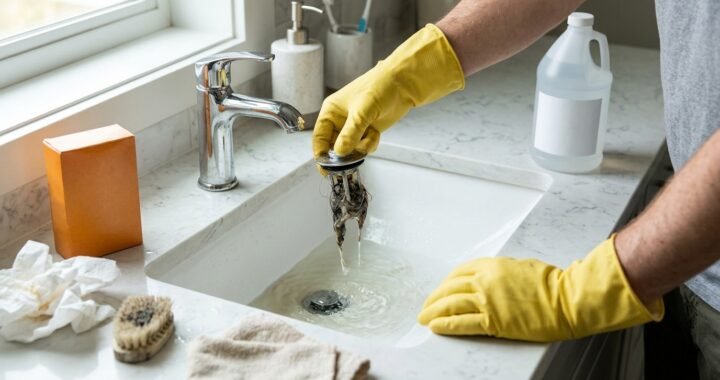
Another common mistake is forgetting to inspect the vacuum. Small stones and grit can become trapped around wheels or inside the cleaning head. Check these areas before cleaning delicate floors. Filters also need regular attention. A blocked filter can reduce airflow and make the vacuum work harder.
Do not wait until the dust bin is packed tightly before emptying it. Keeping the machine clean helps it perform as intended. Finally, pick up unusually large or sharp pieces by hand. A vacuum is designed for normal household debris, not every object that happens to land on the floor.
How Often Should You Vacuum Hardwood Floors?
There is no single schedule that works for every household. A quiet bedroom may stay clean for days. A busy kitchen or entryway can collect visible debris much faster. Pets, children, open windows, and outdoor shoes can all increase cleaning needs.
A simple approach is to clean high-traffic areas whenever loose dirt becomes noticeable. Regular light vacuuming can prevent grit from remaining on the floor for long periods. Lower-traffic rooms may need less attention.
The best vacuum for hardwood floors is easier to appreciate when it fits this routine. A lightweight cordless vacuum may encourage quick daily cleaning. A larger corded machine may suit someone who prefers a thorough weekly session. You can also reduce cleaning work by placing mats near entrances and limiting outdoor shoes indoors. Prevention and regular maintenance work well together.
How to Protect Hardwood While Vacuuming
Good cleaning habits are just as important as the machine itself. Start by checking the cleaning head and wheels. Remove any grit, hair, or hard objects caught underneath. This takes only a moment and can prevent unwanted friction.
Move the vacuum in controlled passes rather than pushing it aggressively. Pay extra attention to entryways because they often collect sand and outdoor dirt. Use a crevice tool along edges instead of repeatedly forcing a large floor head against baseboards.
You should also follow the care instructions for your specific flooring. Hardwood finishes differ, so advice that works for one floor may not be ideal for another. When the flooring manufacturer gives specific cleaning guidance, that guidance should take priority. Careful vacuuming, sensible maintenance, and quick removal of abrasive debris can help preserve the floor’s appearance over time.
How to Choose the Best Vacuum for Hardwood Floors
Start with your home rather than a product list. How much hardwood do you have? Do you also have rugs or carpet? Are there stairs? Do pets shed throughout the house? Your answers can quickly narrow the options.
For mostly hardwood, prioritize a dedicated hard-floor head, soft contact points, and easy steering. Mixed flooring calls for adjustable settings or interchangeable heads. Large homes may need long battery life or continuous corded power. Small homes may benefit from compact storage.
When comparing the best vacuum for hardwood floors, also think about ownership costs. Filters, bags, batteries, and replacement rollers may need to be purchased later. Check whether these parts are easy to find. A vacuum should not only perform well on the first day. It should remain practical to maintain for years.
Features That Matter More Than Marketing Claims
Vacuum packaging can contain many impressive terms. Some are useful, while others tell you little about everyday performance. Instead of choosing based on one bold claim, focus on features that solve actual problems.
Check the hard-floor cleaning head first. Then look at brush control, wheels, suction settings, filtration, bin capacity, weight, and steering. Cordless buyers should examine realistic runtime and charging needs. Pet owners should check how easily hair can be removed from the roller.
It is also worth considering replacement parts and warranty terms before buying. A lower-priced machine may become expensive if filters or batteries are difficult to replace.
The best vacuum for hardwood floors is not necessarily the model with the longest feature list. A simpler vacuum that performs the tasks you need can offer better value and be easier to maintain.
A Simple Checklist Before You Buy
Before making your final choice, confirm that the vacuum is intended for hard-floor use. Check whether its brush roll can be adjusted or stopped when necessary. Look at the wheels and the material that touches the floor. The cleaning head should also be able to handle both fine dust and normal household crumbs.
Next, consider practical details. Is the machine light enough for you? Can it reach beneath your furniture? Is the dust bin large enough? If it uses a battery, is the runtime suitable for your home? Check the price and availability of filters, bags, rollers, and replacement batteries too.
Finally, read the instructions for both the vacuum and your flooring. A few minutes of research can prevent an expensive mistake. The right machine should make cleaning easier without creating extra work or worry.
Frequently Asked Questions
What is the best vacuum for hardwood floors?
The best vacuum for hardwood floors is one that removes dust and debris while making gentle contact with the surface. Useful features include a dedicated hard-floor head, soft roller, smooth wheels, adjustable suction, or brush-roll control. Your home should guide the final choice. A cordless stick may be ideal for quick cleaning in a small home. A canister can provide excellent control in larger spaces. Homes with both carpet and hardwood may benefit from a multi-surface upright. Instead of choosing only by brand or power, look at how the complete machine fits your flooring and cleaning routine.
Can a vacuum scratch hardwood floors?
It is possible for a vacuum to mark a floor when hard grit becomes trapped underneath its wheels or cleaning head. An unsuitable brush may also be too aggressive for some surfaces. Regular inspection is therefore important. Remove hair, stones, sand, and other debris from the bottom of the machine. Use the recommended hard-floor setting when available. You should also check your flooring manufacturer’s care instructions, especially if your floor has a special finish. A vacuum designed for hard surfaces and kept in good condition should make routine cleaning much easier.
Is a soft roller better for hardwood floors?
A soft roller can be a useful choice because it makes gentle contact with smooth flooring. It can collect fine dust while helping larger crumbs enter the cleaning head. However, soft rollers are not the only option. A suction-only hard-floor head can also work very well. Some multi-surface heads are designed to clean hardwood safely when used in the correct mode. Whatever design you choose, keep it clean. Hair and grit can become trapped around any roller. Regular maintenance is more important than assuming one material will automatically protect every type of hardwood finish.
Is a cordless vacuum good enough for hardwood?
A good cordless vacuum can handle everyday hardwood cleaning. Smooth floors usually do not require the deep agitation needed for thick carpet. This makes cordless machines practical for dust, crumbs, pet hair, and other loose debris. The main issue is battery life. Maximum-power settings can shorten runtime, so consider the size of your home before buying. A replaceable battery can be useful for longer sessions. Cordless vacuums are especially convenient for quick cleanups because there is no cable to manage. For very large homes, a corded vacuum may still be more practical.
Can I use a robot vacuum on hardwood?
Many robot vacuums are made to travel across hard flooring. They can be useful for frequent cleaning because they collect loose dust and hair before it builds up. However, check the manufacturer’s instructions before using one on your floor. Keep the robot’s wheels and brushes free from grit and tangled hair. Clear cords and small objects from its path before starting a cleaning cycle. A robot is useful for maintenance, but it may not replace detailed cleaning. Corners, stairs, furniture, and narrow spaces often still need attention from a traditional vacuum.
Should I sweep or vacuum hardwood floors?
Both methods can be useful. Sweeping is simple for quick cleanups, especially when there are only a few larger crumbs. Vacuuming can be more efficient when fine dust, pet hair, and dirt have spread across a room. A hardwood-friendly vacuum also captures debris instead of moving it from one area to another. You can use both methods depending on the situation. The important part is removing abrasive grit without dragging it across the finish. Soft tools, clean vacuum wheels, and careful cleaning habits are more important than choosing one method for every situation.
Conclusion
Finding the best vacuum for hardwood floors becomes easier when you stop looking for one perfect machine for every home. Start with your floors, room size, cleaning habits, pets, rugs, and storage space. These factors tell you far more about what you need than a long list of marketing claims.
Look for gentle floor contact, reliable debris pickup, smooth wheels, useful brush controls, and easy maintenance. Consider filtration, weight, attachments, and power source as well. Most importantly, keep the cleaning head and wheels free from trapped grit.
Hardwood can stay beautiful for many years when daily dirt is handled with care. Choose a vacuum that makes regular cleaning simple, follow your flooring care instructions, and maintain the machine properly. Those basic habits can do more for your floors than buying a vacuum based on power or price alone.