If you are asking “why does my bathroom smell like sewage,” the most likely explanation is that sewer gases are entering the room through a plumbing opening that should normally be sealed. A dry drain trap is one of the simplest causes, especially in a shower, tub, sink, or floor drain that is rarely used. Other possibilities include a damaged toilet seal, a leaking or loose drain connection, a blocked or poorly functioning plumbing vent, buildup inside a drain or overflow passage, or a larger drainage or septic problem. Plumbing traps normally hold water that separates indoor air from gases inside the drainage system, while the vent system helps control pressure so those water seals remain protected. A sewage-like odor should not simply be hidden with air freshener because finding the source is more important than covering the smell. Start with unused drains and visible plumbing, then pay attention to when and where the odor appears. Strong persistent odors, sewage backups, multiple slow drains, unexplained gurgling, or symptoms such as headache, dizziness, nausea, or breathing irritation deserve more caution and professional attention.
A Dry P-Trap Is One of the First Things to Check
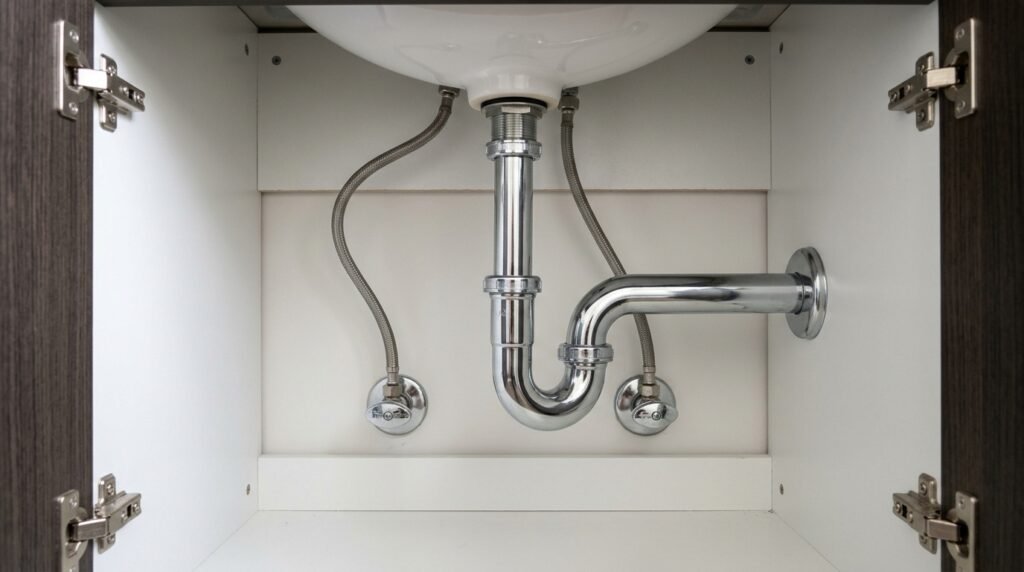
A plumbing trap is the curved section of drain piping that retains a small amount of water after a fixture drains. That water creates a barrier between the room and the drainage system. Plumbing codes recognize trap seals as an essential way to keep drainage odors from entering buildings, and model plumbing-code provisions require liquid seals in fixture traps. If a sink, shower, bathtub, or floor drain is not used for a long period, some of that water can evaporate. Once enough water disappears, the protective seal can be lost and drain odors may enter the room. This is particularly common in guest bathrooms, basement bathrooms, unused showers, seasonal properties, and floor drains that rarely receive water. If someone asks why does my bathroom smell like sewage after being unused for weeks, a dry trap is a sensible first possibility. Run water into each rarely used fixture and floor drain, then see whether the odor improves. If the smell quickly returns despite regular use, evaporation may not be the only problem. A damaged trap, leaking connection, pressure problem, or another drainage fault may require inspection.
Floor Drains Are Easy to Forget
A bathroom floor drain can be overlooked because it may not receive water during normal daily use. Yet it can contain a trap just like other trapped plumbing fixtures. Model plumbing codes specifically recognize evaporation as a potential cause of trap-seal loss and provide methods such as trap primers or barrier-type protection where appropriate. If the bathroom has a floor drain and the odor seems strongest near it, check whether the trap still contains water. Adding water may restore the seal when simple evaporation is responsible. This possibility is especially worth checking in bathrooms where the shower has its own separate drain and the floor drain remains dry most of the time. However, repeatedly adding water is not a substitute for diagnosing a defective system. If the trap loses water unusually fast, the drain gurgles, or odor returns soon after water is added, a plumber may need to check for leakage, siphoning, venting problems, or the need for approved trap-seal protection. Local plumbing requirements should guide permanent modifications.
The Sink Drain May Smell Without Sewer Gas Entering the Room
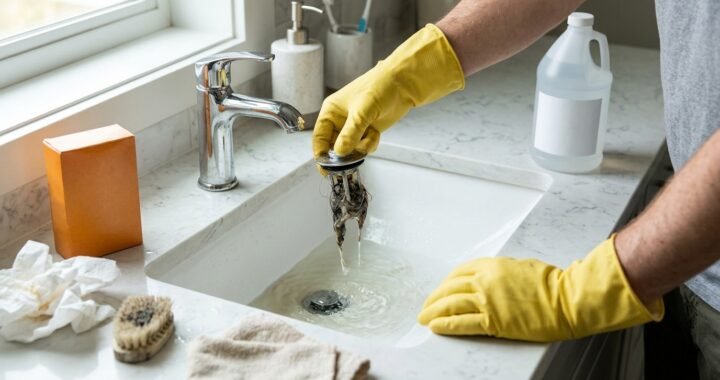
Not every sewage-like bathroom odor is actually sewer gas. Organic residue can collect inside a sink drain, stopper assembly, or overflow passage. Hair, soap residue, toothpaste, skin oils, and other material can support microbial growth and produce an unpleasant odor that resembles a drain or sewer smell. This distinction is useful when investigating why does my bathroom smell like sewage because cleaning may solve a dirty drain, while it will not repair a failed trap or vent. Try identifying where the smell is strongest before using chemicals. Remove accessible debris from the stopper and drain according to the fixture design, and clean surfaces that can safely be reached. The overflow opening in some bathroom sinks can also collect residue because small amounts of water and organic material enter it but it receives less routine cleaning. Avoid randomly mixing drain cleaners, bleach, acids, or other chemicals. ATSDR notes that household hydrogen sulfide exposure can occur through misuse of drain-cleaning materials, so chemical products should be used only as directed and never combined unless the labels specifically permit it.
A Shower Drain Can Develop Odor for More Than One Reason
If the smell is concentrated around the shower, first consider whether the shower has been used recently. A rarely used shower may have a dry trap. A regularly used shower is less likely to have lost its water seal simply through long-term evaporation, so other possibilities deserve attention. Hair, soap, body oils, and other residue can accumulate around the drain opening and accessible parts of the drain. Cleaning removable drain components can eliminate odor produced by surface buildup. If the drain is clean but a true sewer odor remains, the issue may be deeper in the drainage system. A trap or connection could be damaged, the vent system could be affecting the trap seal, or another plumbing defect may be present. If you keep wondering why does my bathroom smell like sewage even though the shower is used every day, do not assume pouring more cleaner down the drain will fix it. Notice whether the shower gurgles, drains slowly, or smells worse after another fixture operates. Those details can help a plumber distinguish ordinary buildup from a drainage or venting problem.
The Toilet Seal Can Allow Odors to Escape
A toilet has its own built-in trap, and the fixture must also form a reliable connection to the drainage system at the floor or wall. If the seal at that connection fails, odors can escape even though the toilet bowl still contains water. A bathroom that smells strongest near the base of the toilet therefore deserves closer inspection. Possible clues include a toilet that rocks or moves, moisture around the base, staining, or an odor that becomes noticeable after flushing. Not every failed toilet seal produces an obvious water leak, so the absence of a puddle does not automatically rule it out. If the toilet moves, do not repeatedly rock it to investigate because movement can worsen sealing problems. Replacing a toilet seal involves removing and correctly resetting the fixture, and the exact components depend on the toilet and flange arrangement. A confident DIYer may be able to handle some installations, but damaged flanges, loose mounting hardware, flooring damage, or uncertain connections are good reasons to involve a plumber.
Low Water in the Toilet Bowl Can Be an Important Clue
The water visible in a toilet bowl is part of the fixture’s trap seal. If the normal bowl water level becomes unusually low, the barrier against drainage gases may be reduced. This can provide an important clue when investigating why does my bathroom smell like sewage. A single unusual flush does not prove there is a plumbing failure, but repeated changes in bowl water level deserve attention. Problems with the toilet itself, drainage behavior, or pressure changes in the plumbing system may contribute. Gurgling at the same time can make a drainage or venting issue more suspicious. Model plumbing codes emphasize protecting trap seals from pressure differences because drainage flow can create conditions that siphon water from traps or push odors toward fixtures. If bowl water repeatedly changes without an obvious explanation, avoid treating the odor as a cleaning problem alone. A plumber can evaluate the toilet, drain, and venting arrangement and determine whether the trap seal is being disturbed.
Plumbing Vents Help the Drainage System Work Correctly
A plumbing drainage system needs controlled airflow as wastewater moves through the pipes. Vent piping provides that airflow and helps protect fixture trap seals from pressure changes. The International Plumbing Code explains that proper venting helps prevent waste and odor blowback and protects traps from siphoning. This is why a vent problem can be relevant when asking why does my bathroom smell like sewage. A blocked, damaged, incorrectly installed, or otherwise ineffective vent may contribute to pressure problems inside the drainage system. Depending on the system, signs can include gurgling fixtures, changing trap water levels, slow drainage, or odors that appear when another fixture discharges. Roof vents can also be affected by debris or other obstructions. Vent diagnosis is not always a safe DIY job because roof access creates fall hazards and the source of the problem may be hidden inside walls or ceilings. If simple drain checks do not explain the odor, a licensed plumber can inspect the venting system and determine whether pressure or airflow is contributing to the problem.
Gurgling Sounds Can Point Toward a Drainage or Venting Problem
A gurgle occurs when air and water move through plumbing in a way that produces bubbling or suction sounds. One occasional sound does not identify a specific defect, but repeated gurgling combined with sewer odor deserves attention. The EPA lists gurgling plumbing and slow drains among common warning signs associated with septic-system problems, while plumbing-code guidance also shows why venting is needed to manage pressure in drainage piping. If a sink gurgles when the toilet flushes, or a shower drain bubbles when another fixture empties, note the pattern. It can help a professional determine whether the issue affects one fixture, one branch of piping, or a larger part of the drainage system. Someone asking why does my bathroom smell like sewage and hearing frequent gurgling should therefore look beyond surface cleaning. Do not repeatedly pour chemical drain cleaners into several fixtures hoping to solve an unknown blockage. A mechanical obstruction, vent problem, or larger drainage issue requires a different solution and may worsen if diagnosis is delayed.
A Loose or Leaking Drain Connection Can Release Odor
Drain piping contains several joints and connections, and a defect can allow odor to escape before wastewater leakage becomes obvious. Under a bathroom sink, for example, the trap and connecting pipes are usually visible enough for a basic inspection. Look for loose-looking fittings, moisture, staining, corrosion, damaged components, or evidence that water has been dripping into the cabinet. Do not aggressively tighten plastic fittings because overtightening can damage parts or seals. Concealed piping behind walls and beneath floors is harder to evaluate. If why does my bathroom smell like sewage has no obvious answer at the fixtures, a hidden drainage connection is one possibility a plumber may investigate. Odor that becomes stronger inside a vanity, near a wall penetration, or around an access panel can help narrow the search. Water damage, swollen cabinetry, stained drywall, or damp flooring deserves prompt attention because a leak can create additional moisture and material damage. Repairing the actual failed connection is more important than sealing gaps around the area to hide the odor.
The Smell May Be Coming From Another Fixture
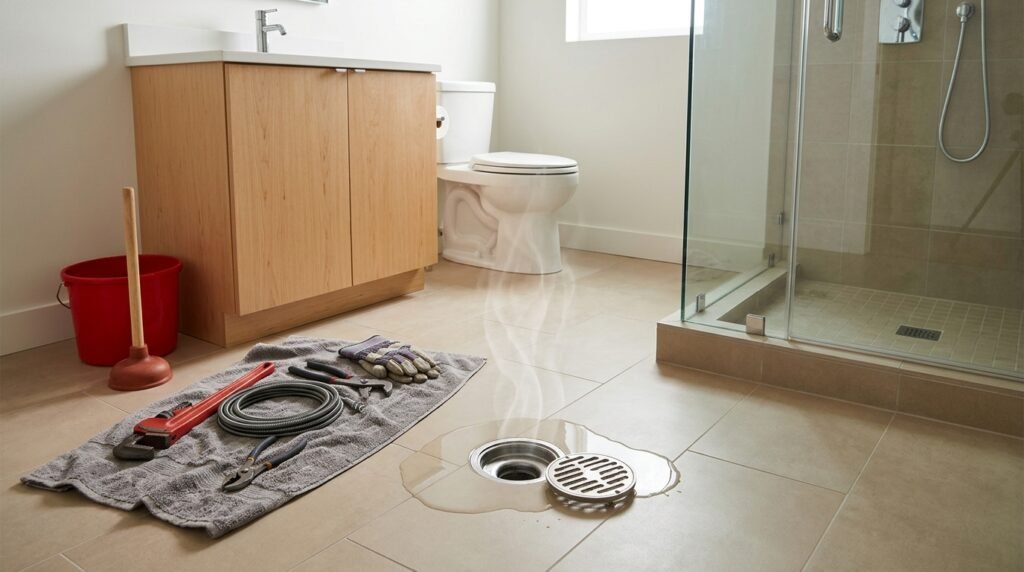
Odors travel through small rooms easily, making the apparent source unreliable. A smell noticed beside the toilet may actually originate from a shower drain, floor drain, sink overflow, vanity plumbing, or another nearby fixture. Before deciding why does my bathroom smell like sewage, isolate likely sources systematically. Smell near each drain without placing the face directly over an opening. Check whether any fixture has been unused. Look under the sink for moisture. Notice the toilet’s stability and normal water level. Check whether the odor changes after flushing or running another fixture. If the bathroom has multiple drains, add water to rarely used ones and monitor the result. Also consider adjoining spaces. A laundry drain, utility-room floor drain, basement drain, or nearby plumbing chase can allow odor to migrate into the bathroom. A systematic approach is more useful than pouring cleaner into every drain because it reveals patterns. If the odor remains difficult to locate, a plumber may use professional diagnostic methods to find leakage or venting defects that cannot be seen during a normal visual inspection.
Slow Drains and Sewer Odor Together Need More Attention
A single slow sink often points to a local restriction, but several slow fixtures combined with sewage odor can indicate a broader drainage issue. The EPA lists slow bathtubs, showers, and sinks, plumbing gurgles, and sewage backups among warning signs associated with septic-system malfunction. Homes connected to municipal sewers can also experience building-drain or sewer-line problems, although the exact cause cannot be determined from odor alone. If the question why does my bathroom smell like sewage comes with water backing up into a shower or tub when a toilet is flushed, stop treating the situation as a simple odor problem. Avoid sending unnecessary water into a system that may already be restricted. A professional can determine whether the blockage is local or farther downstream. Sewage that actually backs up into living space also creates a sanitation problem and should be handled more carefully than ordinary drain water. The key distinction is whether the bathroom merely smells unpleasant or whether the drainage system is showing clear signs that wastewater is no longer moving normally.
Septic-System Problems Can Produce Sewage Odors
Homes with private septic systems have another potential source to consider. The EPA says sewage odors can occur for several reasons and do not automatically prove that a septic system has failed. Roof vents may become obstructed, weather conditions can cause downdrafts, and a malfunctioning drainfield can also create odor. The EPA lists slow drains, gurgling plumbing, backups, sewage odors, and unusually wet or spongy areas around a drainfield among warning signs of septic trouble. If why does my bathroom smell like sewage is accompanied by several of these symptoms, contact a local septic professional or plumber rather than trying to mask the smell. Outdoor clues are useful too. Standing water or persistently wet ground near the septic area in otherwise dry conditions can be significant. Septic diagnosis depends on the specific property, tank, drainfield, maintenance history, and local requirements. EPA guidance notes that the exact cause of an odor cannot be diagnosed remotely, which is a useful reminder not to assume every indoor sewage smell has the same source.
Hot Water Can Sometimes Be the Source of a Rotten-Egg Smell
A rotten-egg odor is not always coming from the drain system. ATSDR notes that hydrogen sulfide can be present in well water and can also form in hot water heaters, producing a rotten-egg smell in tap water. This creates an important troubleshooting distinction. If the odor appears mainly while hot water is running and seems to come from the water itself rather than the drain, the water supply or water heater may need investigation. Compare cold and hot water carefully at more than one fixture. If only hot water has the odor, the pattern is different from a dry trap that smells even when no faucet is running. If both hot and cold water smell, the water source may require evaluation. Do not assume why does my bathroom smell like sewage always has a sewer-pipe answer. Well-water systems, water heaters, and plumbing can produce similar odors for different reasons. Water-quality or heater problems should be handled according to the system involved, with appropriate water-treatment, plumbing, or water-heater expertise where necessary.
Sewer Gas Can Contain Hydrogen Sulfide
The familiar rotten-egg smell associated with some sewage comes partly from hydrogen sulfide, a colorless gas produced during the breakdown of organic matter. ATSDR states that people can detect hydrogen sulfide at very low concentrations, so noticing an odor does not by itself mean the air contains a dangerously high concentration. However, high exposure can be hazardous. Hydrogen sulfide can affect the eyes and respiratory system and, at higher concentrations, can cause serious neurological and respiratory effects. Another important safety point is that smell cannot be relied upon as a warning at dangerous concentrations because the sense of smell can become fatigued or impaired. This means why does my bathroom smell like sewage should not be treated only as a comfort issue when the odor is unusually strong or people are becoming ill. Leave the affected area and seek appropriate emergency or professional help if there is a strong unexplained gas odor accompanied by breathing difficulty, dizziness, severe headache, nausea, confusion, collapse, or other concerning symptoms.
Do Not Mix Cleaning Chemicals to Fight the Smell
An unpleasant drain odor often triggers the urge to pour several cleaning products down the drain. That can create a new hazard without fixing the plumbing defect. Never mix household cleaners unless the product directions explicitly say the combination is safe. In particular, mixing bleach with acidic cleaners or ammonia-containing products can release dangerous gases. A sewage smell caused by a dry trap, broken seal, leaking pipe, or venting defect will not be repaired by stronger chemicals anyway. If why does my bathroom smell like sewage leads to repeated use of drain chemicals with no lasting improvement, stop and identify the actual source. Accessible hair and debris can often be removed mechanically according to the fixture design. A dry drain can be checked with water. A loose or damaged plumbing connection needs repair. A blockage may require proper drain-clearing equipment. A vent problem needs vent diagnosis. Choosing the remedy after identifying the cause is safer and usually more effective than treating every odor as a dirty drain.
Start Troubleshooting With the Simplest Checks
A useful first inspection does not require dismantling the plumbing. If you are thinking why does my bathroom smell like sewage, begin by identifying the strongest area of odor. Run water into sinks, showers, tubs, and rarely used floor drains so their traps have a chance to refill. Inspect the sink cabinet for moisture or damaged connections. Check whether the toilet rocks, whether its bowl has a normal water level, and whether odor seems concentrated around its base. Clean accessible drain and overflow residue without mixing chemicals. Then operate the fixtures one at a time and listen for unusual gurgling. Notice whether another drain bubbles when the toilet flushes. Check whether one fixture or several fixtures drain slowly. In a septic property, also pay attention to outdoor odors, wet drainfield areas, and broader drainage symptoms. These observations can often separate a simple unused-drain problem from something that deserves professional diagnosis. Avoid removing toilets, opening concealed piping, entering confined drainage spaces, or climbing onto a roof merely to investigate an odor unless properly trained and equipped.
Timing Can Help Identify the Cause
The time at which an odor appears can reveal useful information. If a guest bathroom smells after months without use, evaporation from an unused trap becomes more plausible. If the smell starts immediately after flushing a toilet, inspect the toilet area and note whether other fixtures react. If it appears when a shower drains, the shower branch or nearby drainage system deserves attention. An odor that becomes noticeable when an exhaust fan runs may suggest that pressure differences are helping draw air through an existing leak or dry trap, though this alone does not identify the defect. If the smell appears only during windy weather, an exterior vent or downdraft may be relevant; the EPA notes that changes in wind patterns can sometimes contribute to septic vent odors. Asking why does my bathroom smell like sewage is more productive when paired with “when does it smell?” Keep a short record if the problem is intermittent. A plumber can use those patterns to narrow the diagnosis more efficiently than an odor description alone.
A Bathroom Exhaust Fan Does Not Fix Sewer Gas
Ventilating a bathroom may temporarily make an odor less noticeable, but an exhaust fan does not repair a failed plumbing seal. In some situations, strong exhaust can create negative pressure in a room or building, making an existing air-leak path more noticeable. The correct solution is still to restore the barrier that should separate indoor air from the drainage system. That may mean replenishing a dry trap, repairing a toilet connection, correcting a drain leak, clearing a plumbing vent, or fixing another defect. If someone asks why does my bathroom smell like sewage but reports that the smell disappears whenever the fan runs, that does not prove the problem is solved. Once the fan stops, the odor may return because its source remains. Use normal ventilation for comfort while investigating, but do not rely on fragrance sprays, candles, exhaust fans, or deodorizing products as permanent solutions. Persistent drainage odors indicate that the plumbing system or another odor source deserves attention.
When a Plumber Should Inspect the Bathroom
Professional help is appropriate when simple checks do not solve the problem or when warning signs suggest a larger defect. Call a plumber if the odor repeatedly returns after traps are refilled, the toilet moves or appears to leak, several fixtures drain slowly, plumbing gurgles frequently, trap water levels change unexpectedly, wastewater backs up, or the odor seems to come from concealed piping. A plumber may also be needed when why does my bathroom smell like sewage remains unanswered after checking accessible drains and fixtures. Vent problems, hidden pipe defects, incorrect plumbing configurations, and sewer-line restrictions are difficult to diagnose from appearance alone. Professionals can inspect parts of the drainage and vent system that homeowners cannot safely reach. For septic properties, a qualified septic service provider may also be necessary. If actual sewage is backing up, reduce unnecessary water use until the cause is identified. If the odor is extremely strong or anyone develops significant physical symptoms, leave the affected area and treat the situation as a potential safety issue rather than waiting for routine maintenance.
Preventing the Smell From Returning
Prevention depends on what caused the odor. Rarely used fixtures should receive water often enough to maintain their trap seals, while floor drains in locations prone to evaporation may need an approved permanent trap-seal protection method where appropriate. Plumbing-code provisions specifically recognize trap primers and barrier-type devices as ways to address evaporation in applicable installations. Keep accessible drains free of hair and heavy organic buildup, but avoid using harsh chemical products as routine substitutes for maintenance. A toilet should remain stable and properly sealed. Persistent gurgling, changing water levels, or repeated slow drainage should be investigated instead of accepted as normal. Septic owners should follow appropriate inspection, pumping, and maintenance practices for their systems; EPA guidance recommends regular inspection and pumping based on system needs. Once the actual reason behind why does my bathroom smell like sewage has been identified and repaired, recurring odor is much less likely than when the smell is simply covered with fragrance.
FAQs
Why does my bathroom smell like sewage even after I clean it?
If why does my bathroom smell like sewage remains a problem after normal cleaning, the source may not be dirt. A dry trap, failed toilet connection, drain leak, venting issue, or larger drainage problem can allow odor into the room and requires correction rather than deodorizing.
Can a dry drain really make the whole bathroom smell?
Yes. A trap normally uses retained water to separate indoor air from gases inside drainage piping. If that water evaporates from a rarely used fixture or floor drain, odor can enter the room until the seal is restored or the underlying trap-seal problem is corrected.
Why does the bathroom smell like sewage only at night?
Timing can be influenced by fixture use, airflow, pressure changes, weather, and the source of the odor. An odor that follows a specific event is more useful diagnostically than the time alone, so note recent flushing, showering, fan use, wind, and other plumbing activity.
Can a bad toilet seal cause a sewer smell without leaking water?
Yes. A compromised connection between a toilet and its drain can allow odor to escape even when an obvious puddle is not present. Odor near the toilet base, movement of the fixture, staining, or moisture are reasons to have the connection inspected.
Is a sewage smell in the bathroom dangerous?
A mild sewer odor does not automatically mean a dangerous gas concentration, because hydrogen sulfide can be detected by smell at very low levels. However, high hydrogen sulfide exposure can be hazardous, and smell is not a reliable warning at high concentrations. Strong odor with dizziness, breathing problems, severe headache, nausea, confusion, or collapse warrants immediate caution.
Why does the sewage smell come back after I run water down the drain?
If adding water fixes the odor only briefly, the trap may be losing its seal again or the smell may have another source. Leakage, unusual pressure changes, venting problems, or another drainage defect can require professional diagnosis rather than repeated refilling.
Conclusion
The answer to why does my bathroom smell like sewage often begins with the plumbing barriers designed to keep drainage gases out of the room. A dry sink, shower, tub, or floor-drain trap is a simple possibility, while a failed toilet seal, dirty drain, leaking connection, venting problem, sewer restriction, or septic issue can produce similar odors. Start with safe observations: refill rarely used drains, inspect visible plumbing, check the toilet, clean accessible buildup, and watch for slow drainage or gurgling. Do not mix cleaning chemicals or assume air freshener has solved the problem. Plumbing traps and vents have specific jobs, and persistent odor usually means the source still needs attention. Strong odors combined with backups or physical symptoms deserve faster professional attention. Once the exact source is identified, fixing the failed seal, drainage fault, vent issue, or water-related cause is far more effective than repeatedly trying to hide the smell.