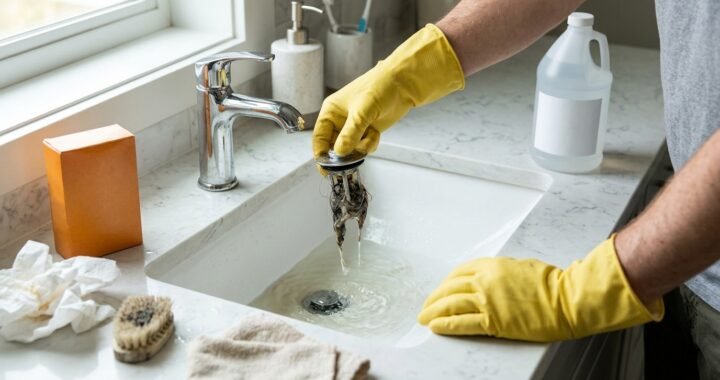
Stone countertops can make a kitchen or bathroom feel elegant and timeless. Yet natural stone needs the right care. A cleaner that works well on another surface may damage stone. Acid, harsh chemicals, and rough scrubbers can dull or stain some materials. Learning how to clean stone countertops correctly helps protect their color, shine, and finish. The good news is that daily cleaning is usually simple. Warm water, a gentle cleaner, and a soft cloth can handle most messes. The key is knowing what type of stone you have and what products to avoid. This guide covers everyday cleaning, stain removal, sealing, disinfecting, and long-term care. It also explains the differences between granite, marble, quartzite, limestone, and other popular surfaces.
Why Stone Countertops Need Special Care
Natural stone may look extremely hard, but that does not make every surface damage-proof. Many stones contain tiny pores that can absorb liquids. Some stones also react with acidic substances. Lemon juice, vinegar, and certain bathroom cleaners can leave dull marks on sensitive surfaces. Knowing how to clean stone countertops starts with understanding these limits. Gentle care is usually safer than aggressive scrubbing. You should also wipe spills quickly instead of allowing them to dry. This is especially important for wine, coffee, cooking oils, tomato sauce, and citrus juice. Daily habits make a major difference over several years. A countertop that receives simple, consistent care can stay attractive much longer than one exposed regularly to harsh chemicals and neglected spills.
First, Identify Your Countertop Material
Before choosing a cleaner, find out what your countertop is made from. Granite is popular because it is durable and available in many patterns. Marble has elegant veining but can be sensitive to acids. Quartzite is natural stone and is often valued for its strength. Limestone and travertine can require particularly careful maintenance because they are more sensitive to acidic cleaners. Soapstone behaves differently again and may develop a natural patina over time. Engineered quartz is often grouped with stone countertops, but it is manufactured using minerals and resin. Its care requirements can therefore differ from natural stone. If you recently moved into a home and cannot identify the surface, ask the installer, previous owner, or a qualified stone professional before using strong cleaning products.
What You Need to Clean Stone Countertops
You do not need a cabinet filled with chemicals for routine care. In many cases, a soft microfiber cloth, warm water, and a mild product are enough. A pH-neutral cleaner specifically labeled as safe for your stone is another useful option. Keep a second clean microfiber cloth nearby for drying. A soft sponge can help with sticky food, but avoid abrasive pads. When learning how to clean stone countertops, reading product labels is important. A bottle described as an all-purpose cleaner is not automatically suitable for natural stone. Check whether the manufacturer specifically approves its use on your countertop material. When uncertain, test a small hidden section first. Simple supplies reduce the chance of accidentally mixing chemicals or exposing the stone to unnecessary ingredients.
How to Clean Stone Countertops Every Day
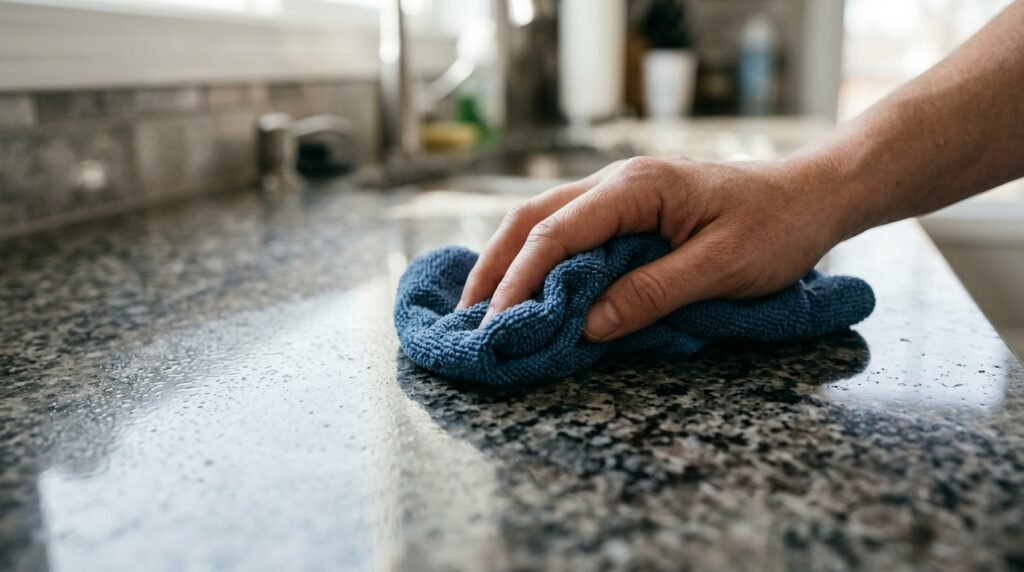
Start by removing crumbs and loose dirt with a soft cloth. Next, dampen a microfiber cloth with warm water and an appropriate mild cleaner. Wipe the countertop gently, paying extra attention to cooking and food preparation areas. Do not flood the surface with water. After cleaning, wipe away any remaining cleaner with a clean damp cloth when required by its directions. Finish by drying the countertop with a fresh microfiber cloth. This basic method for how to clean stone countertops works well for regular maintenance on many properly finished surfaces. Drying is worth the extra minute because it can reduce water spots and streaks. Clean spills as they happen rather than waiting until the end of the day. Fast cleanup is especially helpful when the spilled substance contains strong pigments, oils, or acids.
How to Handle Fresh Spills
A fresh spill is normally easier to manage than an old stain. Start by blotting the liquid instead of spreading it across the counter. Use a clean absorbent cloth or paper towel. Once most liquid is gone, clean the area using a product appropriate for that specific stone. Then dry it thoroughly. Coffee, tea, wine, oil, sauces, makeup, and colorful drinks deserve quick attention. Acidic liquids require extra care on marble, limestone, and other acid-sensitive stones. Understanding how to clean stone countertops is therefore partly about speed. You do not need to panic when something spills, but leaving it for hours can increase the chance of staining or surface damage. Keep a soft cloth close to food preparation areas so cleaning a spill becomes an easy habit.
Cleaning Granite Countertops Safely
Granite is durable, but it still benefits from gentle cleaning. Use warm water with a soft microfiber cloth for light daily messes. A pH-neutral stone cleaner can handle more noticeable residue when its label confirms granite compatibility. Wipe the entire area and dry it afterward. Avoid assuming that granite can tolerate every household chemical simply because it feels hard. Repeated exposure to unsuitable products may affect the finish or protective sealer. The safest approach to how to clean stone countertops made from granite is consistent and mild care. Clean oil and deeply colored spills promptly. If water begins darkening the stone or soaking in quickly, the surface may need professional assessment or resealing. Sealing needs vary because different granite varieties have different levels of porosity.
How to Clean Marble Countertops
Marble deserves careful treatment because acids can react with its calcium-based composition. This reaction can cause etching, which often looks like a dull or lighter patch. Vinegar and lemon juice are therefore poor choices for routine marble cleaning. Use a cleaner clearly labeled as safe for marble, following its directions. A soft microfiber cloth is ideal for everyday wiping. Blot acidic spills immediately, including citrus juice, tomato products, wine, and some soft drinks. When researching how to clean stone countertops, remember that an etched mark and a stain are not necessarily the same problem. A stain involves discoloration within the material. Etching is physical damage to the polished surface. Deep stains or obvious etching may require treatment from a stone restoration professional rather than stronger household cleaners.
How to Care for Quartzite
Quartzite is often chosen because it combines natural beauty with impressive durability. However, it should not be confused with engineered quartz. Quartzite is natural stone, while quartz countertops usually contain engineered materials and resin. For daily cleaning, use a soft cloth and a mild product approved for natural stone. Wipe spills quickly and dry the surface after cleaning. Some quartzite installations may be sealed to help reduce absorption. The type of stone and finish will affect its maintenance needs. Learning how to clean stone countertops made from quartzite does not mean treating them as indestructible. Avoid harsh abrasives and unnecessary chemicals. Use cutting boards rather than cutting directly on the surface. Trivets are also a sensible habit around hot cookware, even when the stone itself has good heat resistance.
Cleaning Limestone and Travertine

Limestone and travertine can create warm, natural-looking surfaces, but they require careful product choices. Both are calcium-based materials and can react with acidic substances. Vinegar, lemon-based cleaners, and acidic descalers should generally stay away from these surfaces. Use a pH-neutral cleaner specifically approved for the material. Work with soft cloths instead of rough pads. Wipe spills promptly, particularly fruit juice, wine, tomato sauce, and other acidic foods. If you are learning how to clean stone countertops in a new home, limestone and travertine are good reasons to identify the exact material first. A cleaning trick that works beautifully on another countertop could cause visible damage here. Existing dull marks, deep stains, or worn areas may need evaluation by an experienced stone-care specialist.
Products You Should Avoid on Natural Stone
Vinegar is one of the most common products people recommend for household cleaning. However, it can damage acid-sensitive stone. Lemon juice presents the same problem. Strong acidic bathroom products, abrasive powders, and rough scouring pads can also create unwanted damage. Bleach, ammonia, and other powerful chemicals should not be used casually. Their suitability depends on the exact stone, finish, sealer, concentration, and manufacturer instructions. A safer rule for how to clean stone countertops is to use the mildest suitable product first. Never mix household cleaning chemicals. Mixing certain cleaners can create dangerous fumes in addition to harming surfaces. If a product does not clearly state that it is suitable for your material, contact the product manufacturer or your stone installer before applying it.
How to Remove Grease and Sticky Residue
Kitchen countertops naturally collect grease around cooking areas. First remove loose food with a soft cloth. For fresh grease, use a cleaner approved for your countertop and allow it to work according to its label. Wipe gently instead of aggressively scrubbing. Repeat the process when needed. Sticky residue may soften when covered briefly with a damp cloth, making it easier to remove without scraping. Never attack stubborn material with knives or metal tools. These can scratch the surface or damage the finish. Good how to clean stone countertops advice should focus on patience rather than force. If a greasy mark has penetrated porous natural stone and remains after normal cleaning, it may be a stain. At that stage, identify the stain and stone before attempting specialized treatment.
How to Deal With Stains
Not every dark mark should be treated the same way. Oil-based stains behave differently from coffee, rust, ink, or organic stains. That is why identifying the cause is important before treatment. Begin with normal stone-safe cleaning. If discoloration remains after the surface dries, take a photo and note what caused the mark. Some stains in natural stone can be treated with specialized poultices. However, the correct ingredients and method depend on the stone and stain. Incorrect treatment can make matters worse. When learning how to clean stone countertops, knowing when to stop is just as important as knowing what to use. Large, old, valuable, or unidentified stains are good reasons to consult a stone-care professional. This is especially true for marble and other surfaces where aggressive treatment may damage the finish.
Cleaning Around Sinks and Faucets
Areas around faucets often develop water spots, soap residue, and mineral deposits. Daily drying can prevent much of this buildup. After using the sink, wipe standing water from the surrounding countertop. Use a stone-safe cleaner for routine residue. Mineral deposits can be harder because common acidic descaling products may not be safe for certain natural stones. Avoid reaching automatically for vinegar. If deposits become thick, ask the stone manufacturer or professional installer about an appropriate treatment. This is an important part of how to clean stone countertops because water problems often develop slowly. A few drops may seem harmless each day. Over several months, however, repeated moisture and mineral buildup can make the area look dull or dirty. Keeping sink edges dry is simple and takes only seconds.
Can You Disinfect Stone Countertops?
Cleaning and disinfecting are different tasks. Cleaning removes dirt, food residue, and many germs from a surface. Disinfecting uses a suitable product to kill certain microorganisms according to its label. Most homes do not need constant heavy disinfection of every countertop. When disinfection is necessary, choose a product approved for your exact countertop material. Follow its required contact time and safety directions. Do not assume that a stronger chemical provides better care. The wrong disinfectant may damage stone or its finish. Proper how to clean stone countertops guidance should always prioritize both hygiene and material safety. For food preparation surfaces, also check whether the product requires rinsing afterward. Never mix disinfectants or cleaners, even when you think combining them will produce a stronger result.
Why Sealing Matters for Some Natural Stone
A stone sealer can reduce the speed at which certain liquids enter porous material. It does not make the countertop completely stain-proof. Sealing requirements also vary widely. Some natural stones are more porous than others, and the finish can affect absorption. Rather than following a fixed yearly schedule found online, follow recommendations from your fabricator or stone professional. They can consider the actual material and sealer used. Understanding sealing is an important part of learning how to clean stone countertops because cleaning and protection work together. If liquids begin absorbing much faster than before, ask whether the surface needs assessment. Do not apply random sealers on top of an existing product. Compatibility matters. A poorly selected or badly applied sealer may leave haze, streaks, or uneven areas.
Habits That Keep Stone Looking New
Daily habits can protect stone better than occasional deep cleaning. Use cutting boards for food preparation. Place trivets beneath hot cookware. Use coasters under drinks, especially acidic beverages. Blot spills quickly and keep wet items from sitting on the surface for long periods. Do not stand or sit on countertops because concentrated weight can stress weak points and overhangs. Keep abrasive dirt away from the surface, particularly around high-use areas. Once you know how to clean stone countertops, make the process part of your normal kitchen routine. A quick wipe after cooking is easier than removing dried residue later. These habits also reduce how often stronger cleaning is needed. Gentle, frequent care protects both the appearance of the stone and the finish applied by the fabricator.
Common Stone-Cleaning Mistakes
One common mistake is believing natural products are automatically safe. Vinegar and lemon juice are natural, yet their acidity can harm several stones. Another mistake is scrubbing harder when a mark does not disappear. A stubborn mark may be a stain or etch rather than surface dirt. Strong scrubbing will not necessarily fix either problem. Using the same cleaner on every countertop is another risky habit. Granite, marble, quartzite, limestone, soapstone, and engineered quartz do not all have identical needs. Effective how to clean stone countertops practices begin with identifying the material. Finally, avoid ignoring product directions. More cleaner, longer contact time, or a stronger concentration is not always better. Follow the label carefully and seek expert advice when you encounter unusual damage or discoloration.
A Simple Weekly Cleaning Routine
Daily wiping handles most household messes, but a weekly routine can help you notice developing problems. Remove appliances and countertop items from one section at a time. Wipe away crumbs before cleaning the full surface with an approved stone-safe product. Pay attention to corners, backsplash edges, and areas around appliances. Dry everything with a clean microfiber cloth. While the counter is clear, inspect it for stains, chips, dull spots, or damaged caulk. Do not treat every mark immediately with a stronger product. First identify what you are seeing. This simple approach to how to clean stone countertops keeps cleaning manageable while helping you catch problems early. Once finished, wipe the bottoms of frequently used countertop items before returning them. This prevents grease and dirt from being placed straight back onto the clean stone.
When to Call a Stone-Care Professional
Routine dirt should not require professional help. Certain problems, however, are better handled by someone experienced with natural stone. Consider professional assistance for deep stains, widespread etching, scratches, cracks, chips, uneven polish, or unclear sealer problems. Marble restoration may involve honing and polishing equipment that ordinary households do not own. Cracks and chips can also require specialized repair materials and color matching. A professional can identify whether a mark sits on the surface or has penetrated the stone. This avoids experimenting with multiple cleaners and potentially making the damage worse. If the countertop is expensive or historically important, expert care becomes even more valuable. Take clear photos and provide information about the stone, spill, and products already used. Those details can help a professional recommend the safest next step.
Frequently Asked Questions
What is the safest everyday cleaner for stone countertops?
For many natural stone surfaces, a pH-neutral cleaner specifically labeled for that material is a sensible choice. Warm water and a soft microfiber cloth may also be enough for light daily cleaning. However, there is no single cleaner guaranteed to suit every stone and finish. Marble and limestone are particularly sensitive to acidic products. Granite and quartzite also benefit from appropriate product selection. Read the cleaner’s label before use and follow the countertop manufacturer’s recommendations when available. Avoid choosing products only because they are described as natural or powerful. A simple cleaner that is compatible with the stone is generally a better option than an aggressive formula that could damage the finish.
Can I clean natural stone countertops with vinegar?
Vinegar should not be treated as a universal natural-stone cleaner. Its acidity can react with calcium-based materials such as marble, limestone, and travertine. This may cause etching and leave the surface looking dull. Because countertop materials can also be misidentified, using vinegar without knowing the stone creates unnecessary risk. Choose a pH-neutral cleaner approved for the exact material instead. If you have already used vinegar and now see a dull patch, ordinary cleaning may not remove it. The mark could be etching rather than dirt. A stone restoration professional can inspect severe damage and explain whether honing or polishing is needed. Prevention is much easier than trying to restore an etched finish later.
Can dish soap be used on stone countertops?
A small amount of mild dish soap may be acceptable for some surfaces, but manufacturer guidance should come first. Too much soap can leave a film that makes a countertop appear cloudy or streaky. Fragrances and other additives also vary between products. If you use a mild soap that is approved for the surface, use only what is needed and remove residue thoroughly. A dedicated pH-neutral stone cleaner can be easier when you want a product formulated for regular countertop maintenance. Whatever you choose, use a soft cloth rather than an abrasive scrubber. Drying the surface afterward can also reduce streaks and water marks. When uncertain about a particular soap, test it in an inconspicuous location first.
How often should stone countertops be sealed?
There is no reliable sealing schedule that applies to every natural stone countertop. The stone type, porosity, finish, existing sealer, usage, and installation all matter. Some surfaces may need periodic resealing, while others may require it less often. Engineered materials may have completely different requirements. Instead of automatically applying sealer every year, ask the fabricator or installer what was originally used. Watch for changes in how quickly appropriate test liquids absorb, but do not perform risky tests on acid-sensitive stone. A professional can assess the surface if you are unsure. Applying unnecessary or incompatible products can create haze or uneven results. Sealing should therefore be based on the actual countertop rather than a generic online timetable.
How do I remove a stubborn stain from natural stone?
Start by identifying both the stone and the likely cause of the stain. Clean the area normally using an approved product and let it dry fully. If discoloration remains, avoid experimenting with bleach, vinegar, abrasive powders, or random stain removers. Different stains require different treatment methods. Oil, rust, coffee, ink, and biological stains do not behave the same way. Some natural-stone stains may respond to a properly selected poultice, but choosing the correct method matters. If the stain is old, large, dark, or located on valuable marble or limestone, professional treatment is often safer. Take photographs and record what caused the stain. That information can make diagnosis easier and reduce unnecessary trial and error.
What should I do if my stone countertop looks dull?
First determine whether the dullness is residue, mineral buildup, wear, or etching. Cleaning film can sometimes be removed with the correct stone-safe product. Etching is different because the stone’s surface has physically reacted with an acidic substance. Marble, limestone, and travertine are especially vulnerable. A dull ring left by lemon juice or another acidic drink may therefore require polishing or professional restoration rather than more cleaning. Avoid applying waxes or glossy products simply to hide the problem. They can create buildup and complicate future maintenance. Clean the area gently and inspect it under good lighting. If the dull spot remains after normal cleaning and drying, contact an experienced stone-care professional for an accurate assessment.
Conclusion
Learning how to clean stone countertops is mostly about using gentle methods and understanding your specific material. Start by identifying whether you have granite, marble, quartzite, limestone, travertine, soapstone, or an engineered surface. Clean everyday messes with soft cloths and compatible products. Wipe spills quickly, especially oils and acidic liquids. Avoid vinegar and other harsh DIY solutions unless the manufacturer specifically approves them for your material. Remember that stains, etching, scratches, and dirt are different problems and may require different solutions. Sealing can help some natural stones, but it should follow material-specific guidance rather than a fixed schedule. With simple daily habits and the right products, your countertops can remain clean, attractive, and easier to maintain for many years.