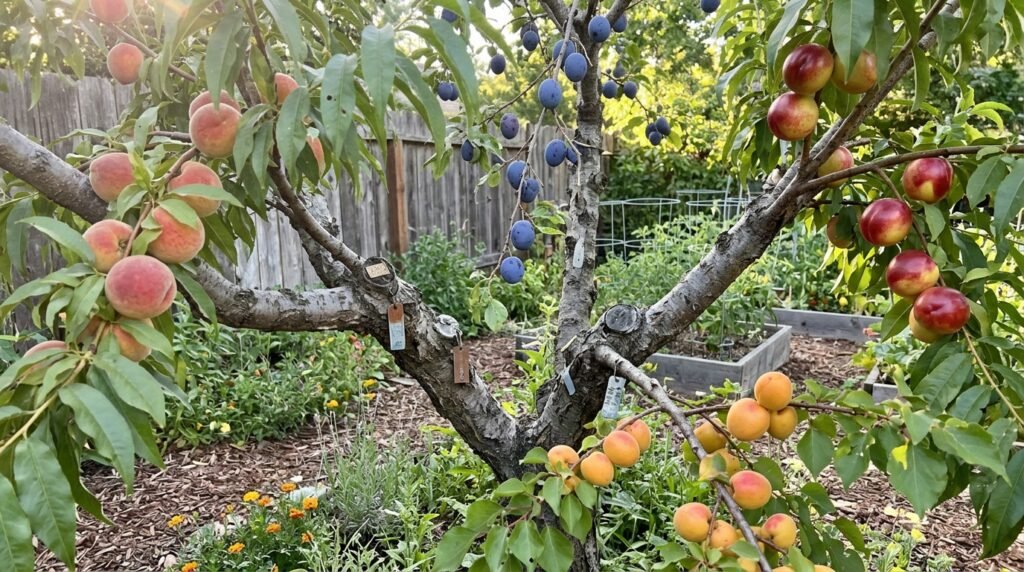
A fruit cocktail tree is one tree that produces several kinds of fruit from separate grafted branches. For example, it may grow peaches, plums, nectarines, and apricots from the same root system. Each branch keeps the characteristics of its own fruit variety. The fruits do not mix together or become a new hybrid. Instead, compatible varieties grow as parts of one tree. This arrangement is also called a fruit salad tree or multi-grafted fruit tree. It can help gardeners grow more variety in a limited space. However, it needs careful selection and regular attention. Some branches grow faster than others, and certain varieties need specific pollination partners. Climate, sunlight, soil, and pruning also affect the harvest. Understanding how a fruit cocktail tree works helps gardeners choose suitable varieties and avoid common problems. This article explains grafting, fruit combinations, planting, maintenance, pollination, and the points worth checking before buying one.
What Is a Fruit Cocktail Tree?
A fruit cocktail tree is a fruit tree with two or more compatible varieties grafted onto one root system. Each grafted branch can produce a different type or variety of fruit. A common example is a stone-fruit tree carrying peaches, plums, nectarines, and apricots. Another type may produce several apple varieties on one apple rootstock. The main advantage is that one planting space can support several fruit varieties. The tree does not need a separate root system for every type of fruit. Each branch still behaves according to its own variety. A peach branch produces peaches, while a plum branch produces plums. Their fruit does not become a mixture because the branches share roots. The term can describe many combinations, so buyers should check the actual varieties included. A tree advertised with several fruits is not automatically suitable for every climate or garden. Its success depends on compatible grafts, a suitable rootstock, and balanced care.
How Does Grafting Make One Tree Produce Different Fruits?
Grafting is a plant-growing method that joins parts of two plants. The lower part is called the rootstock. It supplies the roots and supports the upper growth. The upper piece is called the scion. It comes from the fruit variety the grower wants to produce. During grafting, the grower joins cut surfaces so their living tissues can connect. As the union heals, the joined parts develop a working connection for moving water and nutrients. A multi-grafted tree has several scions attached to the same supporting plant. Each scion grows into a branch and keeps its original variety traits. This is why one tree can carry different fruits without creating a new hybrid. Grafting is also useful because many named fruit varieties do not grow true from seed. A seed from a named apple, for example, may produce a tree with different fruit. Grafting allows growers to reproduce a selected variety more reliably. Rootstocks can also influence tree size, vigor, and adaptation to certain growing conditions.
What Are the Main Parts of a Grafted Fruit Tree?
The rootstock, scion, and graft union each have a different role. The rootstock forms the roots and often part of the lower trunk. It supports the tree and can influence its growth strength, mature size, and response to some soil conditions. The scion is the selected fruit variety that grows above the graft. On a multi-grafted tree, several scions may develop into separate branches. The graft union is the point where the scion and rootstock joined. It may appear as a slight bend, swelling, or change in bark texture. A healthy union should remain firm as the tree grows. It should not show major cracks, splitting, or signs of decay. Gardeners should learn where the graft unions are before pruning. Cutting below a graft can remove the desired variety or allow rootstock shoots to take over. Labels on the branches can help identify each scion, especially before the tree produces fruit.
Which Fruits Can Grow Together on One Tree?
The varieties must be botanically compatible. Closely related plants are more likely to form a successful graft union, but compatibility is not guaranteed simply because two fruits look similar. Several apple varieties can usually share an apple rootstock. Pear varieties can also be combined on a suitable pear rootstock. Some citrus combinations are possible, and certain stone fruits can share a rootstock. However, not every combination within a fruit group will work. Even closely related species may form weak or short-lived unions. The exact rootstock and scion pairing matters. A nursery should be able to identify the varieties and explain whether the combination is established and suitable. Do not assume that an apple can grow on a peach tree or that any fruit can be added to any other fruit tree. Successful grafting depends on plant relationships and proven compatibility. A fruit cocktail tree should be selected from a nursery that understands the specific varieties, rather than from a seller relying only on an impressive fruit count.
Popular Types of Fruit Cocktail Trees
Different multi-grafted trees are designed around compatible fruit groups. Their combinations vary by nursery and region. The most suitable option depends on local climate, available space, fruit preferences, and pollination needs.
Stone-Fruit Cocktail Trees
Stone-fruit combinations are among the best-known examples. They may include peaches, nectarines, plums, and apricots. These fruits belong to the genus Prunus, although not every pairing is compatible. Each branch produces its own fruit, often at a different point in the season. A tree may therefore offer a varied harvest instead of one large crop of a single fruit. These combinations can suit gardeners who enjoy several stone fruits but have room for only one tree. The main challenge is balancing branch growth. Some varieties naturally grow more strongly and can shade slower branches. Stone fruits may also have different winter-chilling needs, disease risks, and pruning requirements. Ask which exact cultivars are included and whether they suit the local climate.
Apple Multi-Graft Trees
An apple multi-graft tree carries several apple varieties on one rootstock. The branches may produce apples with different colors, flavors, textures, and harvest times. One variety may be sweet for fresh eating, while another may be better for baking or cooking. This combination can be useful in a small garden, especially when a second apple variety is needed for cross-pollination. However, the varieties must have compatible flowering periods and pollen. Some apple varieties are poor pollinizers, so the presence of several branches does not always guarantee good pollination. A tree with an unsuitable combination may flower but produce little fruit. Check the pollination information for every named cultivar before buying. Apple branches can also differ in vigor, so regular pruning helps prevent one variety from taking over.
Pear Multi-Graft Trees
A multi-grafted pear tree can produce more than one pear variety from a shared rootstock. Different branches may offer fruit with varied textures, flavors, and ripening periods. Some pears are crisp, while others become soft and juicy when ripe. The exact fruit qualities depend on the cultivars selected. Pollination is an important consideration because many pear varieties need pollen from another compatible variety. Their flowers must overlap in time, and pollinating insects must be active. A multi-grafted tree may provide a suitable partner, but this depends on the actual cultivars. Ask the seller whether the selected varieties can pollinate each other. Also check whether the rootstock is suitable for the garden’s soil and available space.
Citrus Cocktail Trees
Some citrus trees carry several citrus varieties on one rootstock. Depending on the combination, branches may produce lemons, limes, mandarins, oranges, or other citrus fruits. These trees can be useful in warm areas and in suitable containers. Their success depends on the rootstock, variety compatibility, sunlight, drainage, and protection from cold conditions. Citrus varieties can differ in growth strength, fruiting habits, and seasonal needs. A vigorous branch may shade the others if the canopy becomes crowded. Rootstock shoots may also need removal so they do not compete with the grafted varieties. Before buying, confirm the identity of every citrus branch. A general label such as mixed citrus does not provide enough information to judge the tree’s suitability.
Do the Fruits Mix Together or Keep Their Own Taste?
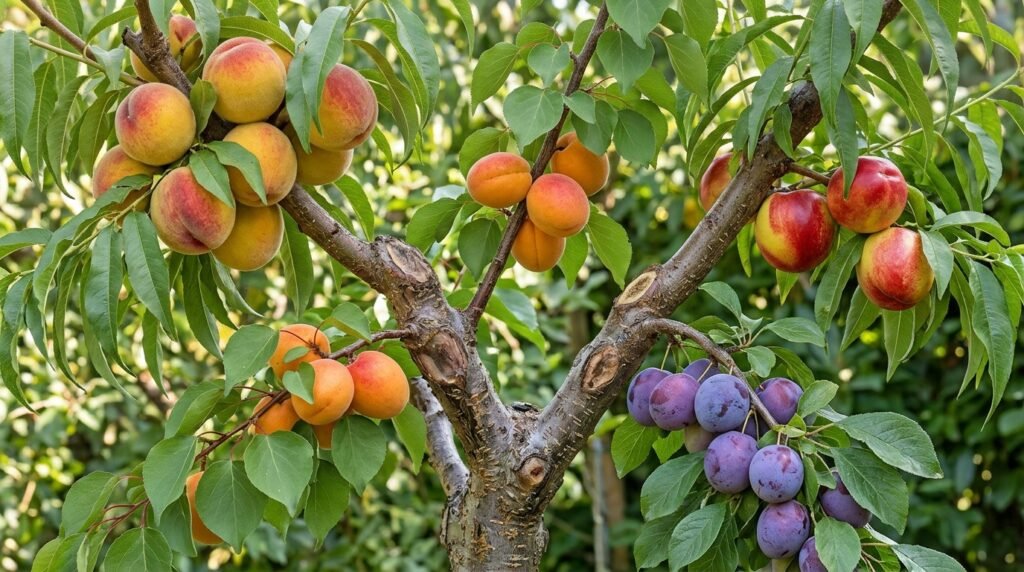
Each branch produces fruit according to the variety used for that graft. A peach branch produces peaches, while a plum branch produces plums. Sharing the same trunk and roots does not change the fruit’s identity. The fruits do not blend their flavors, colors, or textures. Grafting joins plant tissues; it does not combine the fruit varieties into one new type. The rootstock may influence overall growth and some aspects of tree performance, but the scion determines the variety of fruit produced. This distinction matters because some advertisements can make a multi-grafted tree sound like it creates unusual mixed fruits. It does not. A fruit cocktail tree is simply several compatible varieties growing on one supporting plant. The fruit from each branch should be identified separately, especially when the tree is young or its labels have been lost.
Benefits of Growing Several Fruits in One Garden Space
The main benefit is efficient use of space. Instead of planting several separate trees, a gardener can grow multiple compatible varieties on one root system. This can help in a small backyard, courtyard, or garden with limited planting areas. Different harvest periods may also extend the time fresh fruit is available. An early-ripening variety may be ready before a later one. A mix of fruit varieties can provide more choice for eating fresh, cooking, preserving, or sharing. A multi-grafted tree may also help with pollination when its branches include compatible varieties that flower together. However, this benefit is not automatic. The varieties must meet the pollination needs of the fruit species. Space savings also depend on the rootstock and mature tree size. A fruit cocktail tree is not always naturally small. Some rootstocks produce large trees, while others limit growth. The expected mature size should be checked before planting.
Limitations to Consider Before Buying
A multi-grafted tree needs more attention than many single-variety trees. Different branches can grow at different speeds, and the strongest one may dominate the canopy. If it shades the weaker branches, those branches may produce fewer flowers and less fruit. Graft unions can also fail if the pairing is unsuitable or the union is weak. Some varieties may be more vulnerable to local pests or diseases than others. Their flowering and ripening periods may not match the gardener’s expectations. Multi-grafted trees can also cost more than ordinary young trees because they require extra grafting work and careful nursery management. A large number of fruit varieties may sound attractive, but it is not always the best choice. A tree with fewer, well-matched varieties may be easier to maintain. Check the health of the grafts, the identity of the cultivars, and the seller’s care instructions. Choose a combination that suits the garden rather than focusing only on how many fruits it promises.
How to Choose a Tree for Your Climate
Climate should be one of the first factors in choosing a multi-grafted tree. Fruit varieties need suitable conditions for flowering, fruit development, and winter rest. Some stone fruits need a period of winter chilling before they flower well. Varieties with high chilling needs may struggle in regions with mild winters. Other varieties are selected for warmer climates. Citrus generally suits warmer conditions, although cold tolerance differs between varieties and rootstocks. Extreme heat can also stress trees, especially when roots are dry or the plant is newly established. Before buying, check the climate needs of every grafted variety, not just the main fruit group. A combination that performs well in one country may not suit another region. Ask a local nursery or horticulture expert which cultivars have performed reliably nearby. If the seller cannot identify the varieties, it is difficult to judge whether the tree is a sensible choice. Climate suitability is more important than an impressive fruit list.
How to Select a Healthy Multi-Grafted Tree
Inspect the tree before making a purchase. Look for a firm trunk, healthy leaves when in season, and branches without obvious damage. Each graft union should appear stable and well joined. Avoid trees with cracked unions, loose branches, severe wounds, or signs of decay. Check that the grafted branches are clearly identified. Labels should name the varieties rather than simply stating that the tree produces mixed fruit. Ask whether the tree has been grown in a container or prepared for bare-root planting, because handling instructions may differ. Check the root system if the nursery allows inspection. Roots should not appear badly damaged, rotten, or tightly circling in a way that cannot be corrected. Ask about the rootstock, expected mature size, flowering period, harvest season, and pollination needs. A reliable seller should be able to explain how to manage the different branches. A fruit cocktail tree with fewer clearly identified and compatible varieties is often a safer choice than one with vague claims.
Where Should You Plant It?
Choose a location with suitable sunlight, drainage, and room for the mature canopy. Most fruit trees need good light to support healthy growth and fruit production. A shaded location can reduce flowering and make the branches grow unevenly. Avoid spots where water collects after rain, as poorly drained soil can damage roots. Allow enough room to walk around the tree for pruning, inspection, and harvesting. Consider nearby walls, fences, paths, and underground services before planting. Strong winds can damage young growth or loosen a poorly supported tree. If the location is exposed, a suitable stake may help during establishment. Do not tie the trunk too tightly, because rubbing can injure the bark. Think about the direction of sunlight as well. A weaker graft should not be permanently crowded by a stronger branch or blocked by a wall. Good placement makes future maintenance easier.
How to Plant a Fruit Cocktail Tree
Planting begins with checking the tree’s growing instructions and preparing a suitable site. Dig a hole wide enough to spread the roots without forcing them into a tight shape. The depth should allow the tree to sit at approximately the same soil level as it did in its nursery container. Avoid burying the graft unions. The graft points should remain above the soil because buried unions can create problems for some grafted trees. Place the tree upright and backfill with the excavated soil unless a soil test or local expert recommends a specific change. Firm the soil gently to remove large air pockets, but do not compact it heavily. Water the root area thoroughly after planting. A layer of mulch can help reduce moisture loss and limit weeds. Keep mulch away from direct contact with the trunk. If the tree needs support, use a stake and flexible tie that allows slight movement. Follow the nursery’s instructions because rootstock, planting form, and local soil conditions can change the best approach.
Watering and Feeding for Steady Growth
Newly planted trees need regular moisture while their roots establish. The correct watering schedule depends on soil type, rainfall, temperature, tree age, and whether the tree is growing in a container or in the ground. Check the soil below the surface before watering. Dry soil near the top does not always mean the full root zone is dry. Sandy soils usually drain faster than heavy clay soils. Water slowly enough to reach the roots, but avoid keeping the soil constantly saturated. Poor drainage can deprive roots of oxygen and encourage root problems. Feeding should be based on the tree’s growth and soil needs. Too much nitrogen can encourage long, leafy shoots without improving fruit production. Excessive growth can also make branch balance harder to manage. Use a fertilizer suitable for the fruit group and follow its label. If leaves show unusual color changes or growth becomes weak, investigate drainage, pests, disease, and nutrient conditions before adding more fertilizer.
Pruning a Multi-Grafted Tree
Pruning helps maintain the shape of the tree and gives each grafted branch enough room and light. Start by removing dead, broken, diseased, or badly crossing branches. Then assess each variety separately. If one branch grows much faster, it may need selective shortening or thinning to prevent it from shading the others. Avoid removing too much healthy growth at once. Severe pruning can reduce the tree’s ability to support fruit and may encourage unwanted shoots. The correct pruning season depends on the fruit type and local conditions. Stone fruits and pome fruits do not always follow the same pruning schedule. Some stone fruits are pruned during active growth or after harvest in areas where winter pruning increases disease risk. Apples and pears are often pruned during dormancy, although training systems and local climate can change the timing. Ask for guidance for the exact varieties on the tree. Clean, sharp tools help make neat cuts. Do not cut through graft unions or remove a named variety by mistake.
How to Stop One Variety From Taking Over
Uneven branch growth is one of the main challenges with a multi-grafted tree. A vigorous variety may send out longer shoots and occupy more of the canopy. If ignored, it can shade slower branches and reduce their growth. Check the tree during the growing season and compare the size and direction of shoots from each graft. Shorten or thin the stronger branch when suitable for that fruit type and season. Keep each variety in a clear area of the canopy where it can receive light. Some growers use branch positioning to guide young shoots into a more balanced shape. Bend only flexible branches and avoid forcing older wood, which may split. Do not prune all branches by the same amount simply to make the tree look symmetrical. Different varieties have different growth habits. The goal is to give each graft enough healthy foliage and space. Keeping simple labels on the branches can help identify which variety needs attention.
Pollination: Does It Need Another Tree?
Pollination needs depend on the fruit species and cultivar. Some fruit varieties are self-fertile, meaning they can set fruit with their own pollen. Others need pollen from a different compatible variety. A multi-grafted tree may meet this need if it contains suitable pollination partners that flower at the same time. However, having several branches does not guarantee successful pollination. The varieties must be compatible, their flowering periods must overlap, and pollen must be transferred successfully. Bees and other insects often help move pollen between flowers. Cold, wet, or windy weather can reduce insect activity during bloom. Some varieties also produce pollen that is not useful for pollinating certain partners. Ask the nursery for the pollination details of the included cultivars. If a required partner is missing, a nearby tree may still be necessary. Do not assume that a tree with several fruit names will automatically produce a full crop.
When Does a Fruit Cocktail Tree Produce Fruit?
The time to fruit depends on the age of the tree, rootstock, variety, and growing conditions. A grafted tree may begin producing earlier than a seed-grown tree, but the exact timing varies. A newly planted tree may also need time to establish its roots and branches. Some varieties mature earlier in the season, while others ripen later. A combination can therefore produce fruit over a longer period than a single variety, provided the cultivars have different harvest times. Local weather affects flowering and fruit development, so harvest dates from another region may not apply. Young trees may produce a small crop before reaching a useful size. Removing some early fruit can sometimes reduce strain on a young or weak tree. Follow advice for the specific fruit type rather than removing fruit automatically. Keep a record of flowering and harvest dates for each branch. This helps identify which varieties perform well and whether the harvest pattern matches expectations.
Why Is One Branch Producing More Fruit Than Another?
Uneven fruit production is common because each grafted variety has its own growth and flowering habits. One branch may flower heavily while another produces few blossoms. Differences in sunlight, branch age, pollination, pruning, and weather can all affect the crop. A shaded branch may produce fewer flowers because it receives less light. A weak graft union may also limit growth. Some fruit varieties naturally produce heavier crops in one year and lighter crops in another. This pattern is called alternate bearing and occurs in certain fruit trees. It is not always a sign of poor health. Check whether the weaker branch has healthy leaves, normal shoots, and signs of flowering. Inspect the graft union for cracks, swelling, or unusual weakness. Avoid adding fertilizer without identifying the cause. Extra feeding may create more leaves rather than more fruit. A fruit cocktail tree needs balanced growing conditions, not simply more water or fertilizer whenever one branch crops poorly.
Common Pests and Diseases
A multi-grafted tree can face the same pests and diseases as other fruit trees. The exact problems depend on the fruit species, local climate, and growing area. Aphids may gather on soft new growth and cause leaves to curl. Scale insects can attach to stems and leaves. Fungal diseases may affect blossoms, foliage, shoots, or fruit. Some problems appear as spots, powdery growth, rotting fruit, or branch dieback. Inspect the tree regularly, including the undersides of leaves and the areas around graft unions. Remove fallen fruit and diseased plant material when appropriate. Avoid wetting foliage unnecessarily if a disease problem is present. Do not apply pesticides based only on a vague symptom. First identify the pest or disease and check whether the product is suitable for the fruit species. Follow label directions and local rules, especially when fruit is close to harvest. If a branch shows rapid decline or a graft union begins splitting, seek advice from a qualified horticulture professional.
What to Do if a Grafted Branch Dies
A branch may die because of graft failure, physical damage, disease, drought, waterlogging, or severe weather. First check whether the entire branch is dead or only the outer shoots have dried. Look for signs of injury, cracks, decay, or dead tissue around the graft. If the branch is clearly dead, remove it using clean tools and an appropriate cut. Do not cut into the main trunk unnecessarily. If the remaining tree is healthy, it may continue growing with fewer varieties. Replacing the lost branch requires a compatible scion and suitable grafting conditions. This is a more advanced task, so an experienced grafter may be helpful. Check whether the original nursery offers advice or a replacement policy before attempting repairs. A dead branch should not be left in place if it creates a safety risk or may spread disease. However, avoid removing a branch that is only slow to leaf out until its condition is clear. Different varieties can break dormancy at different times.
Can You Grow a Fruit Cocktail Tree in a Pot?
Some multi-grafted fruit trees can grow in containers, but success depends on the species, rootstock, pot size, and local conditions. A naturally compact or dwarfing rootstock is usually more suitable than a vigorous full-size rootstock. The container must have drainage holes and enough space for the roots. A pot that is too small can dry quickly and restrict growth. Container trees also need closer attention to watering because their soil volume is limited. Use a suitable growing medium and avoid letting water stand around the roots. The tree may need repotting as it grows, although the timing depends on root development and container size. Place it where the branches receive adequate sunlight and air movement. A container can make a tree easier to move during some weather conditions, but a large pot becomes heavy. Before buying, ask whether the specific fruit cocktail tree is recommended for container growing. Not every multi-grafted tree is suitable for long-term pot culture.
Common Mistakes to Avoid
One common mistake is choosing a tree only because it promises many fruit types. The varieties may not suit the climate or may have different growth needs. Another mistake is planting without checking the mature size of the rootstock. A tree that becomes too large can crowd nearby plants and become difficult to prune. Some gardeners also bury the graft unions or plant in soil that drains poorly. Both choices can create long-term problems. Neglecting branch balance is another issue. A vigorous graft can take over if it is not managed while the tree is young. Heavy pruning at the wrong time may also remove fruiting wood or increase disease risk. Overwatering and excessive fertilizer can weaken growth rather than improve it. Finally, do not assume that several fruit varieties will automatically solve pollination problems. Confirm the flowering and pollination details before planting. Good results begin with a suitable tree and consistent care.
How to Recognize Rootstock Shoots
Rootstock shoots grow from below the graft union or directly from the root system. They are not the same as the selected fruit branches. If left to grow, they can compete for water, nutrients, and light. In some cases, rootstock growth may become more vigorous than the grafted varieties. Check the lower trunk and base of the tree during routine care. Remove unwanted shoots close to their point of origin, using clean tools when needed. Do not remove a healthy grafted branch by mistake. The position of the shoot is an important clue: growth below a graft union usually belongs to the rootstock. If you are unsure, compare the leaves and growth pattern with the labeled varieties. Rootstock shoots may look different from the fruiting branches. Removing them helps the selected varieties maintain their space and growth. This is especially useful on a fruit cocktail tree because several grafts already compete for room in the canopy.
How to Harvest and Store the Different Fruits
A multi-grafted tree may have several harvest periods, so each branch needs to be checked separately. Fruit color alone is not always a reliable sign of ripeness. The best harvest signs vary by fruit type and variety. Peaches and nectarines often develop a noticeable aroma and soften as they ripen, while some plums change color and yield slightly when ready. Apples may be ready when they reach their expected size and flavor, but harvest timing differs by cultivar. Handle fruit gently to avoid bruising. Pick ripe fruit carefully rather than pulling hard on the branch, which could damage a graft or break a fruiting spur. Keep harvested fruit in a clean, shaded place until it can be sorted. Storage needs differ between fruits, so avoid assuming that every variety should be stored in the same way. Record the harvest date and variety name. These notes help plan future picking and identify which branches perform best.
Is a Fruit Cocktail Tree Suitable for a Hot Climate?
It can be suitable, but the varieties and rootstock must match the local climate. Heat tolerance is not the same across all fruit species or cultivars. Some stone fruits need winter chilling, which may limit their performance in regions with mild winters. Certain citrus varieties are better suited to warm conditions, but extreme heat can still stress trees and affect fruit quality. In hot areas, young trees may need protection from harsh afternoon sun while they establish. Water the root zone according to soil moisture rather than following a fixed schedule. A layer of mulch can help reduce moisture loss, but keep it away from the trunk. Avoid planting in a spot where reflected heat from concrete or walls becomes excessive. Ask a local nursery about varieties already proven in the area. A fruit cocktail tree should not be selected based only on a photograph or a general description. Local performance is a much better guide.
Is It Better Than Planting Separate Fruit Trees?
Neither option is always better. A multi-grafted tree is useful when space is limited or when a household wants small amounts of several fruits. Separate trees may be easier to manage when the gardener wants a large crop of one variety or needs different rootstocks and growing conditions. With separate trees, each plant can be pruned according to its own growth habit. They can also be spaced to provide better airflow and sunlight. A fruit cocktail tree saves planting space, but it concentrates several varieties in one canopy. That makes branch balance and graft health more important. Separate trees may also be a safer choice if the preferred varieties are not compatible on one rootstock. Compare the expected mature size, fruit needs, maintenance time, and local climate before deciding. The best choice is the one that fits the garden and the gardener’s goals.
Frequently Asked Questions
1. How many fruits can grow on one fruit cocktail tree?
The number depends on the tree’s design and the compatible varieties grafted onto it. Some trees carry only two or three varieties, while others have more. A higher number does not always mean better results. Each branch needs enough space, light, and care to remain healthy. Ask the nursery for the exact variety list rather than relying on a general fruit count.
2. Do the fruits taste different because they share one tree?
No. Each branch keeps the characteristics of its own grafted variety. A peach branch produces peaches with the flavor and texture associated with that peach cultivar. A plum branch produces its own type of plum. Sharing roots does not combine the fruit flavors or create a new hybrid.
3. Does a fruit cocktail tree need special fertilizer?
It usually needs the same basic nutrients as other fruit trees of the same group. The correct feeding plan depends on soil, growth, age, and local conditions. Avoid adding extra fertilizer just because one branch produces less fruit. Check sunlight, watering, pollination, and branch health first. Use a suitable product according to its label.
4. Can different fruit varieties cross-pollinate each other?
Only compatible varieties can provide useful pollen. Different fruit types do not automatically pollinate one another because they share a tree. For example, an apple branch does not serve as a pollinator for a peach branch. Check the pollination requirements of each cultivar and confirm that flowering periods overlap.
5. Can a fruit cocktail tree lose one of its fruit varieties?
Yes. A grafted branch can die because of graft failure, disease, damage, or unsuitable growing conditions. The rest of the tree may continue to grow if its other branches and root system remain healthy. A compatible replacement graft may be possible, but it requires suitable material and proper technique.
6. Is a fruit cocktail tree suitable for beginners?
It can suit a beginner who is willing to monitor branch growth and follow the care needs of each variety. A well-labeled tree from a reliable nursery is a sensible starting point. Beginners should choose a manageable combination suited to the local climate. A single-variety tree may be easier if simple maintenance is the main priority.
Conclusion
A fruit cocktail tree allows several compatible fruit varieties to grow from one shared root system. It can save garden space, offer different harvests, and provide more fruit choices from one planting area. However, its success depends on more than the number of varieties. The grafts must be compatible, the rootstock must suit the location, and each branch needs enough light and space. Pollination, watering, pruning, and pest checks also affect the harvest. Before buying, confirm the names of the grafted varieties and ask how they perform in the local climate. Choose a tree that fits the available space and the amount of care you can provide. With a suitable combination and regular attention, a fruit cocktail tree can become a useful part of a home garden.