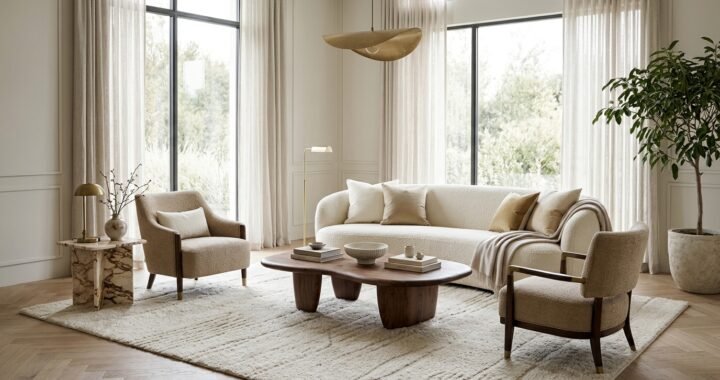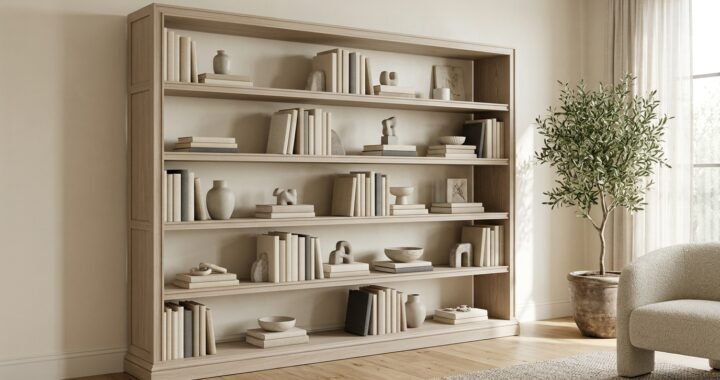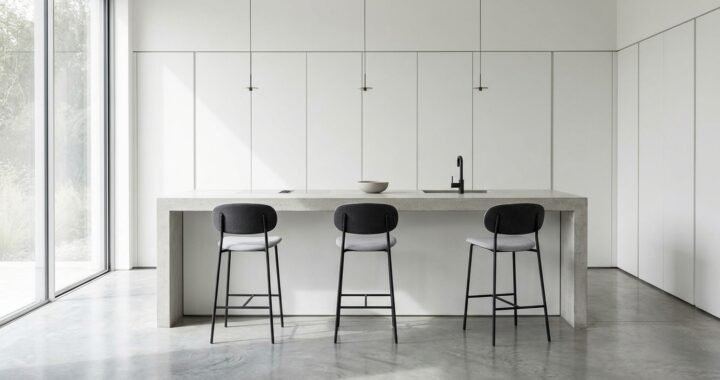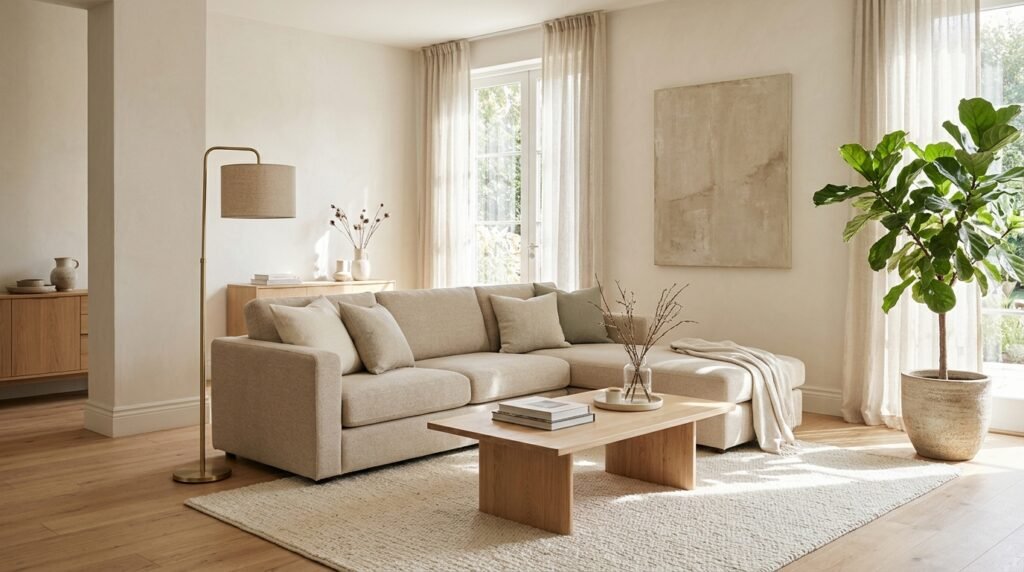
Minimalist home decor essentials help create a home that feels comfortable, organized, and visually balanced without filling every corner with furniture or decorations. The style focuses on keeping useful items, choosing simple designs, and giving each object a clear purpose. However, minimalism does not mean living in an empty room or removing everything that makes a home personal. A well-designed minimalist space can include soft fabrics, warm lighting, natural materials, artwork, plants, and meaningful accessories. The secret is choosing these elements carefully and allowing enough open space around them. Whether you live in a small apartment or a spacious house, you can create this look with thoughtful choices rather than expensive changes. Understanding the essential furniture, colors, lighting, storage, and decorative details makes it easier to build a home that looks simple but still feels welcoming.
What Makes Minimalist Home Decor Different?
Minimalist home decor is an approach to interior design that gives priority to simplicity, function, and visual balance. It uses a limited number of furniture pieces, a controlled color palette, clean shapes, and carefully selected decorations. Instead of filling a room with many objects, the design allows important pieces to stand out. A sofa, dining table, floor lamp, or artwork may become the main feature because surrounding areas remain uncluttered. This does not mean every room must look plain or completely white. Warm wood, textured fabrics, soft colors, and personal objects can all belong in a minimalist home. The difference is that each item should contribute to comfort, function, or the overall appearance. For example, a living room may need a sofa, coffee table, storage cabinet, and reading light. It may not need several small tables, extra chairs, decorative trays, and ornaments competing for attention. The result should support daily life while keeping the room easy to use and maintain.
The Essential Furniture Every Minimalist Home Needs
Furniture creates the foundation of a room, so choosing the right pieces matters more than buying many decorative items. Start with the furniture required for everyday activities, then consider whether each piece fits the available space. In a living room, a comfortable sofa, practical table, and suitable storage unit may provide everything needed. A bedroom usually needs a bed, bedside surface, wardrobe, and appropriate lighting. A dining area may only require a table and enough chairs for regular household use. Minimalist home decor essentials should serve real needs rather than follow a fixed shopping list. A large sectional sofa may work in a spacious family room but overwhelm a small apartment. Likewise, a tiny coffee table may look attractive but offer little practical value in a large seating area. Measure the room before purchasing furniture, including doorways and walking routes. Consider furniture height, width, depth, and how people move around it. Pieces with simple shapes and clean lines often work well, but comfort should remain a priority. A beautiful chair that nobody wants to sit in does not improve a home.
A Comfortable Sofa With a Simple Shape
The sofa often becomes the main furniture piece in a living room. Choose one that suits the room’s size and the number of people who use it. Straight lines, simple arms, and understated legs can create a clean appearance without making the room feel formal. Neutral upholstery in beige, gray, cream, or muted brown can work with different wall colors and accessories. However, a neutral sofa is not compulsory. A muted green, soft blue, or another restrained shade can add personality while maintaining a calm design. Pay attention to seat depth, back support, fabric care, and cushion firmness. Households with children or pets may prefer removable covers or fabrics that are easier to clean. Leave enough space around the sofa for comfortable movement. Avoid choosing an oversized model simply because it looks impressive in a showroom. The best option is one that supports everyday use and fits naturally within the room.
Functional Tables and Storage Furniture
Coffee tables, side tables, consoles, and cabinets should make everyday activities easier. A coffee table can hold drinks, books, or a small tray, while a side table provides a useful surface beside a chair. You do not need every type of table in one room. Choose according to how the space is used. A narrow console may work well in an entryway, while a storage bench can provide both seating and a place for shoes. Cabinets with simple fronts help reduce visual clutter by keeping everyday items out of sight. Open shelves can still be useful for books and selected objects, but they need regular editing. When selecting furniture, look beyond its appearance. Check drawer movement, surface durability, cleaning needs, and available storage. These practical details help furniture remain useful after the initial decorating project is finished.
Choose a Calm and Consistent Color Palette
Color has a strong effect on how a room feels. A minimalist interior often uses a limited group of shades that work well together. White, warm beige, cream, gray, taupe, and soft earthy colors are common choices. These shades can create a quiet background for furniture, artwork, and natural materials. You do not need to use the same color everywhere. Instead, choose a main color, one or two supporting shades, and a small number of accent colors. For example, warm white walls can work with beige upholstery, light oak furniture, and a few dark details. Another room might combine pale gray, natural wood, and muted green. Minimalist home decor essentials should create a connected appearance rather than a collection of unrelated colors. Before painting an entire room, test a small area and observe it in morning and evening light. A shade may look different under natural daylight and artificial bulbs. Also consider existing flooring, furniture, and window treatments. A coordinated palette is easier to maintain when new items are added later.
Lighting That Makes Simple Rooms Feel Warm
Good lighting is essential because a room can look unfinished when it has only one harsh light source. A practical lighting plan combines general light with task lighting and softer accent lighting. General lighting helps illuminate the whole room. Task lighting supports activities such as reading, cooking, or working. Accent lighting draws attention to selected features, such as artwork or a textured wall. A ceiling fixture can provide general light, while a floor lamp beside a sofa creates a comfortable reading area. A small table lamp may make a bedroom feel softer in the evening. Choose fixtures with simple forms that suit the room’s design. The light itself matters too. Very cool or harsh lighting can make warm neutral interiors feel less inviting. Consider the intended activity before choosing bulbs and fixtures. A kitchen work area needs clear visibility, while a relaxing seating area may benefit from softer light. Use natural daylight where possible, and avoid blocking windows with unnecessary furniture or heavy decorations. Layered lighting gives a simple room more depth without requiring extra ornaments.
Curtains and Window Treatments
Window treatments provide privacy, control daylight, and help complete a room. Minimalist spaces often look good with simple curtains, roller blinds, or understated shades. The right choice depends on window size, privacy needs, sunlight, and the overall design. Light-colored curtains can keep a room feeling airy, while thicker fabric may be useful where more privacy or light control is needed. Avoid adding several decorative layers if the window already has an attractive frame or view. Measure the window carefully before buying curtains. Consider the curtain rod position, fabric length, and how much wall space is available. In smaller rooms, bulky window treatments may make the space feel crowded. In bedrooms, practical light control may matter more than a perfectly minimal appearance. Choose a solution that works for daily life rather than treating simplicity as a reason to ignore comfort.
Natural Materials Add Warmth and Texture
A minimalist room can feel cold if every surface is smooth, shiny, and similar in appearance. Natural materials help introduce warmth without adding visual clutter. Wood, stone, cotton, linen, wool, jute, and ceramic finishes can create subtle differences in texture. A wooden dining table may soften a room with pale walls. A linen cushion can add softness to a simple sofa. A wool rug can make a seating area feel more comfortable. You do not need to use every natural material in one room. Select a few that complement each other and suit the way the space is used. For example, light wood, cotton curtains, and a woven rug can create a relaxed atmosphere. Consider maintenance before choosing materials. Some natural surfaces need regular care, while certain fabrics may stain more easily than others. In kitchens and bathrooms, durability and cleaning requirements should guide the decision. Minimalist home decor essentials are not limited to furniture and colors; the surfaces and textures also shape the room’s character.
Rugs That Define Space Without Overcrowding It
A rug can make a room feel more complete by adding texture and helping define a seating or dining area. It can also make hard flooring more comfortable underfoot. Choose a rug size that relates to the furniture rather than selecting one only because its pattern looks attractive. In a living room, a rug that sits beneath the front legs of the sofa and chairs can help connect the seating arrangement. A very small rug floating in the middle may make the furniture look disconnected. Neutral rugs are common in minimalist interiors, but subtle patterns and muted colors can add interest. Consider pile height, cleaning needs, and the amount of foot traffic. A flat-weave rug may be easier to maintain in a busy area, while a softer pile may suit a bedroom. Make sure the rug does not create a tripping hazard. If it moves easily, use a suitable rug pad that works with the flooring. A rug should support the room’s function, not become an obstacle.
Wall Art and Mirrors Should Have a Purpose
Bare walls can create a sense of openness, but completely empty walls are not a requirement. Artwork, photographs, and mirrors can make a home feel personal without overwhelming the design. The key is to select pieces that suit the available wall space. One larger artwork may create a stronger focal point than several small frames arranged without a clear plan. Simple photography, abstract prints, line drawings, and understated paintings can work well. Choose colors that connect with the rest of the room. A mirror can reflect daylight and make a narrow space feel more open, depending on its placement. It can also provide a practical function in an entryway or bedroom. Before hanging anything, consider furniture height, wall proportions, and nearby objects. Avoid placing too many pieces close together if the goal is a calm appearance. Minimalist home decor essentials should include personal expression, but each decorative choice should have enough space to be appreciated.
Storage Solutions That Keep Everyday Clutter Hidden
Storage is one of the most useful parts of minimalist design. A room cannot stay visually calm if everyday items have no suitable place. Closed cabinets, drawers, wardrobes, storage beds, and baskets can help organize belongings. The right solution depends on what needs to be stored and how often it is used. Keep frequently used objects easy to reach. Store seasonal or rarely used items in less accessible areas. In an entryway, a shoe cabinet and a few hooks may prevent bags and shoes from spreading across the floor. In a living room, a cabinet can hold remote controls, chargers, games, and other small items. In a bedroom, drawer dividers can make clothing easier to organize. Avoid buying storage furniture before checking what you actually need to store. Otherwise, large cabinets may take up valuable space without solving the real problem. A useful storage system should make tidying easier, not create another complicated task.
Decorative Accessories That Make a Home Personal
Minimalist decorating does not require removing every decorative object. It means choosing accessories that add meaning, beauty, or useful function. A ceramic vase, a framed photograph, a handmade bowl, or a favorite book can make a room feel lived in. The number of accessories matters less than their placement and relationship to the surrounding space. Grouping a few related objects can look more intentional than spreading many small items across every surface. For example, a console table might hold one vase and a small tray. A coffee table could display a book with a simple decorative object. Leave some surface area clear so the furniture remains practical. Avoid buying accessories just to fill empty spaces. Empty space can be part of the design rather than a problem that needs fixing. Minimalist home decor essentials should reflect the people living in the home, not create a room that looks like an impersonal showroom.
Indoor Plants Bring Natural Life Into the Room
Plants can add color, texture, and a connection to nature. They work particularly well in rooms with simple furniture and neutral surfaces. A single healthy plant can create a focal point without requiring several decorations. Choose plants according to the light, temperature, and care conditions in your home. A plant that needs bright indirect light may struggle in a dark corner. Some plants also need more frequent watering or higher humidity than others. Check the needs of each plant before placing it in a room. Consider the size of the mature plant, not only its appearance when purchased. A large floor plant may suit an empty corner, while a small plant can fit on a shelf or side table. Use a planter that complements the room’s colors and materials. Make sure excess water can drain safely and does not damage floors or furniture. If pets or young children live in the home, check whether selected plants are safe for them.
Minimalist Home Decor Essentials for the Bedroom
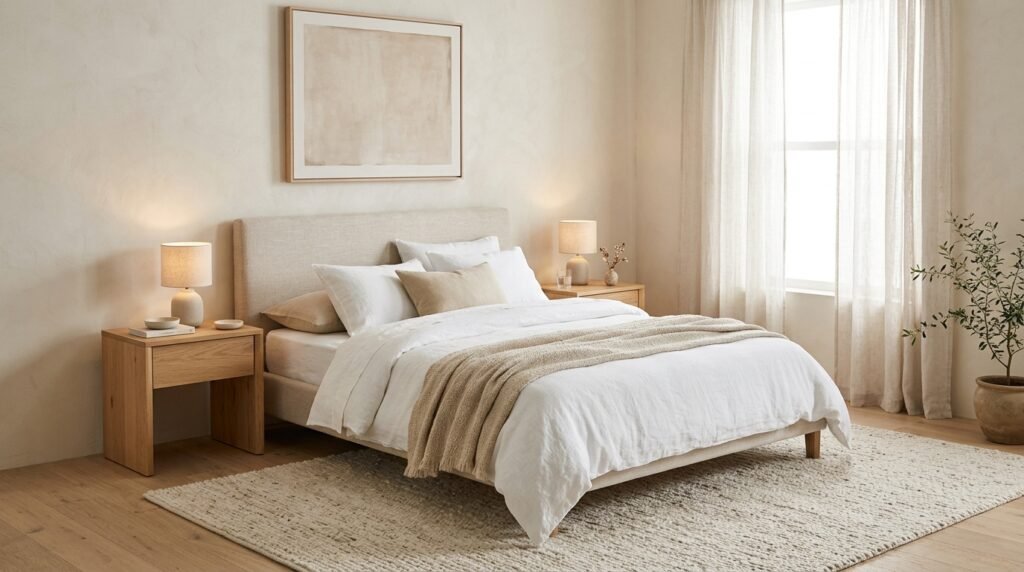
A bedroom should support rest, storage, and everyday comfort. Begin with a suitable bed and mattress, then choose bedside furniture and lighting according to your routine. A simple headboard can create a finished appearance without adding unnecessary decoration. Keep bedside surfaces practical. A lamp, alarm clock, book, or water glass may be enough. Use closed storage for clothing, accessories, and personal items that otherwise collect around the room. Bedding in calm shades can make the space feel coordinated, while different fabric textures add interest. Curtains or blinds should provide the privacy and light control needed for sleep. Avoid filling the bedroom with furniture that blocks movement or makes cleaning difficult. If the room is small, wall-mounted shelves or a bed with built-in storage may help use the available space. The goal is not to remove every personal item. Keep the things that make the bedroom comfortable, but give them a clear place.
Creating a Simple and Functional Living Room
The living room often serves several purposes. It may be a place to relax, watch television, read, entertain guests, or spend time with family. The furniture arrangement should support these activities. Start by identifying the main purpose of the room. Arrange seating so people can talk comfortably and move around without squeezing between furniture. Keep the main walking routes clear. A television should be placed where it can be viewed comfortably, but it does not need to dominate every design decision. Use a storage cabinet for devices, cables, and accessories. A few cushions and a throw can make a sofa feel inviting without covering it completely. If the room has a strong architectural feature, such as a large window or fireplace, allow it to remain visible. A balanced living room does not depend on expensive furniture. It depends on useful pieces, comfortable spacing, and a clear visual focus.
A Minimalist Kitchen That Supports Daily Cooking
A minimalist kitchen should make cooking, cleaning, and storage easier. Keep the work surfaces as clear as practical, but do not remove tools that you regularly use. Store appliances according to how often they are needed. A kettle or coffee maker may deserve a permanent place, while a rarely used appliance can stay inside a cabinet. Choose storage that suits the items in your kitchen. Drawers can hold utensils, while shelves and cabinets can organize dishes, food containers, and cookware. Simple cabinet fronts and coordinated handles can create a consistent look. However, appearance should not reduce safety or function. Keep frequently used cooking tools accessible, and make sure the main preparation areas have enough room. Use suitable lighting over work surfaces. Select countertop materials based on cleaning needs, heat exposure, and manufacturer care instructions. A practical kitchen is not one with completely empty counters. It is one where the items left out are useful and the rest are easy to store.
Keep the Bathroom Simple, Clean, and Practical
Bathrooms often contain many small products, which can quickly make the space look crowded. A simple bathroom design uses practical storage and a limited number of visible accessories. A vanity with drawers can hold daily toiletries, while a wall shelf may provide space for a few frequently used items. Keep cleaning products and personal care supplies organized in suitable storage. Choose towels that work with the room’s color palette, but prioritize absorbency and easy washing. A simple mirror and suitable lighting can improve everyday use. Avoid placing decorative objects where they collect water or interfere with cleaning. Bathrooms also need materials that can handle moisture. Follow product instructions for paint, sealants, flooring, and fixtures. Make sure ventilation is adequate for the room and use appropriate safety measures around electrical fittings and wet areas. Minimalist home decor essentials in a bathroom should support hygiene and comfort rather than simply create an attractive photograph.
Make Small Rooms Feel More Open
Small rooms benefit from careful furniture choices and clear walking routes. A large number of small objects can make a compact space feel busy, while a few well-sized pieces may create a more balanced result. Measure the room before buying furniture and consider how doors, drawers, and windows open. Choose furniture that provides useful storage without taking over the floor area. Wall-mounted shelves can use vertical space, while a storage bed may reduce the need for an extra cabinet. Mirrors can help reflect light, but their placement should make sense. Keep window areas as open as practical to support natural daylight. A limited color palette can help connect different parts of a small room. Avoid using too many contrasting patterns or unrelated finishes. Multi-purpose furniture may be useful, but it should remain comfortable and easy to use. A sofa bed, folding dining table, or storage ottoman can solve a real space problem when chosen carefully.
How to Start Decorating Without Replacing Everything
You do not need to buy a new furniture set to create a minimalist home. Start by looking at what you already own. Identify the items that serve a daily purpose, have personal meaning, or improve the room’s appearance. Remove or relocate objects that no longer fit your needs. Then review the furniture arrangement. Sometimes moving a chair, clearing a table, or changing the position of a lamp can improve the room without spending money. Check whether existing colors and materials work together. If they do not, small changes such as new cushion covers, curtains, or a rug may create a more connected appearance. Make changes one room at a time. This gives you time to understand what works before spending more. Minimalist home decor essentials can be built gradually, and a slower approach may prevent unnecessary purchases. Set a realistic budget and leave room for practical costs such as delivery, installation, or repairs.
Common Minimalist Decorating Mistakes to Avoid
One common mistake is treating minimalism as a rule that every room must be empty. This can remove useful furniture and make a home uncomfortable. Another mistake is choosing style over function. A low table may look attractive but become inconvenient if the household needs a higher surface. Buying too much matching furniture can also make a room feel flat and less personal. Instead, select pieces that relate through color, material, or shape without making everything identical. Poor storage planning is another problem. Removing visible objects without creating a practical storage system often leads to clutter returning quickly. Some people also choose too many pale surfaces without considering cleaning, stains, or household routines. White upholstery may not be practical in a busy family room. Finally, avoid filling every empty corner with a plant, lamp, or decorative object. Open space is useful. Give the room time to settle before deciding that something is missing.
How to Maintain a Minimalist Home Over Time
A minimalist home requires regular attention, but the routine does not need to be complicated. Return everyday objects to their storage places after use. Clear dining and work surfaces when activities are finished. Review drawers and cupboards occasionally so unwanted items do not collect unnoticed. Before buying something new, consider where it will go and whether it solves a real need. If you bring home a new decorative object, decide whether it replaces something or adds genuine value. Clean furniture and surfaces according to the care instructions for each material. Wash removable covers when needed, check rugs for movement, and keep lighting fixtures free from dust. Plants also need suitable care, including watering and removal of dead leaves. A simple home should still be comfortable and lived in. The goal is not to keep every surface untouched. It is to make daily routines easier and prevent possessions from taking over useful space.
Is Minimalist Decor Suitable for Every Home?
Minimalist design can work in many types of homes, but it should adapt to the people who live there. A family with children may need toy storage, durable fabrics, and flexible seating. Someone who works from home may need a desk, task lighting, and organized equipment. A person who enjoys books, art, or collecting may prefer visible shelves rather than hiding everything. These needs do not make a home less minimalist. The style is flexible when its main principles are applied thoughtfully. In a rental property, changes may need to focus on furniture, lighting, textiles, and removable accessories rather than permanent renovations. In older homes, existing details such as wooden floors, decorative ceilings, or built-in cabinets can become part of the design. Do not remove useful character simply to achieve a modern appearance. The best approach is to simplify what does not serve the household while keeping the features that make the home functional and distinctive.
Frequently Asked Questions
What are the most important minimalist home decor essentials?
The most useful essentials include comfortable furniture, practical storage, a coordinated color palette, suitable lighting, simple window treatments, and a few meaningful accessories. The exact items depend on the room and household. Start with daily needs rather than buying a standard set of decorations.
Does minimalist decor have to be white?
No. White is common, but minimalist interiors can use beige, gray, brown, muted green, soft blue, and other colors. The important part is keeping the palette controlled and making sure the selected shades work together. Warm colors and natural materials can also prevent the room from feeling cold.
How can I make my home look minimalist on a small budget?
Begin by removing items you no longer use and improving the furniture arrangement. Reuse suitable furniture, organize storage, and clear unnecessary objects from surfaces. Add new items only when they solve a practical problem or improve the room. Paint, cushion covers, and simple lighting changes may help without requiring a full renovation.
How many decorative items should a minimalist room have?
There is no fixed number. The right amount depends on room size, furniture, personal taste, and how the space is used. A single artwork or vase may be enough in one room, while another may comfortably display several books and personal objects. Focus on balance rather than counting accessories.
Can minimalist home decor essentials make a small room look bigger?
They can help a small room feel more open when they include suitable furniture, clear walking routes, useful storage, and a limited color palette. Mirrors and natural light may also support an open appearance. However, the actual room size does not change, so furniture still needs to fit comfortably.
Is minimalist interior design difficult to maintain?
It can be easier to maintain than a room filled with many decorative objects, but it still needs regular cleaning and organization. Choose materials that suit your household, give everyday belongings a clear storage place, and avoid bringing home items without a purpose. A practical system is easier to maintain than strict rules.
A Simpler Home Starts With Better Choices
A comfortable minimalist home is built through thoughtful decisions, not by removing everything from sight. The most useful minimalist home decor essentials are the pieces that support daily activities, make storage easier, and create a calm visual balance. Start with furniture that fits the room, then choose colors, lighting, textures, and accessories that work together. Keep personal belongings that make the space meaningful, but give them a suitable place. You can make progress gradually without replacing every item or following a strict design formula. Before buying anything new, consider whether it improves comfort, function, or the appearance of the room. When every choice has a clear reason, the home can feel simple without becoming cold or impersonal.