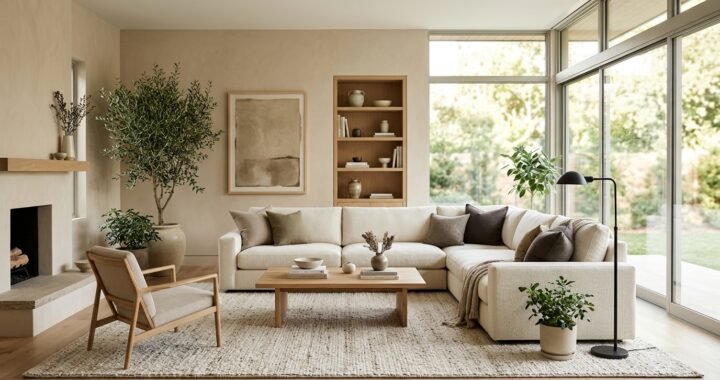

A bedroom should feel comfortable before anything else. It is where you begin and end each day. Yet comfort does not mean giving up style. A well-planned modern bedroom can feel calm, practical, warm, and personal at the same time. Modern design often uses clean lines, simple furniture, controlled colors, and less visual clutter. However, that does not mean creating a cold room filled with plain white surfaces. Wood, soft bedding, textured rugs, curtains, artwork, and warm lighting can give the space character. The key is knowing what to include and what to leave out. Good bedroom design also considers storage, movement, lighting, bed placement, and everyday habits. Whether you are decorating a large primary suite or a small apartment room, the same basic principles can help. This guide covers practical ideas for creating a stylish bedroom that still feels relaxing and easy to live in.
What Makes a Bedroom Look Modern?
Modern bedroom design is usually based on simplicity, function, and visual balance. Furniture often has clean shapes without heavy decorative details. Colors tend to feel controlled rather than random. Storage helps reduce visible clutter, while carefully chosen accessories add personality. A modern bedroom may include a platform bed, streamlined nightstands, simple lighting, and one strong piece of artwork. Natural materials can prevent the room from feeling too plain. Wood, linen, cotton, wool, stone, and woven textures work especially well. Modern does not require everything to match. In fact, a room can feel more natural when materials have small differences. The goal is to create visual order. Each item should either serve a purpose or improve the atmosphere. When a room contains fewer unnecessary objects, the bed, lighting, materials, and architectural details have more space to stand out.
Start With the Bed
The bed is usually the largest piece of furniture in the room, so it should guide the layout. Start by finding the most practical wall for the headboard. Ideally, the bed should allow comfortable movement on the sides used every day. Check doors, wardrobes, drawers, and windows before deciding. A large bed squeezed into a small room can make everything else difficult to use. Platform beds work well in many modern interiors because their simple forms create clean horizontal lines. Upholstered headboards can add softness. Wood frames introduce natural warmth. A modern bedroom does not need an oversized statement bed to feel complete. Proportion matters more. Choose a bed that suits the room and leaves enough space for circulation, bedside furniture, and storage. Once the bed position works, planning the rest of the room becomes much easier.
Choose a Calm Color Palette
Color affects the mood of a bedroom immediately. Warm white, cream, beige, taupe, soft gray, muted green, and gentle brown can create a quiet foundation. Darker shades such as charcoal, navy, or deep green can add depth when used carefully. Modern interiors do not have to be neutral, though. Muted blue, clay, dusty pink, or even a stronger accent color can work beautifully. Limit the main palette to a few connected shades. This makes furniture, bedding, curtains, and artwork easier to coordinate. In a modern bedroom, color should support relaxation rather than compete for attention everywhere. Test paint samples on different walls before committing. Natural and artificial light can change how a color appears throughout the day. A warm beige may look soft in sunlight but much darker under a weak evening bulb.
Warm Neutrals Can Keep Modern Design Cozy
A completely white room can look fresh in photographs, but it may feel flat in daily life. Warm neutrals add depth while keeping the clean appearance associated with modern design. Try layering ivory walls with beige bedding, light oak furniture, and a slightly darker rug. The colors remain quiet, but their differences create visual interest. Texture becomes especially important in a limited palette. Linen curtains, a woven throw, boucle upholstery, and natural wood each reflect light differently. A neutral modern bedroom should not depend on dozens of decorative objects to feel welcoming. Instead, let materials create character. Small amounts of black or dark brown can add definition around lamps, frames, or furniture legs. These darker details help prevent pale rooms from looking washed out while keeping the overall atmosphere calm.
Use Wood to Add Natural Warmth
Wood works particularly well in modern bedrooms because it balances clean lines with natural variation. A wooden bed frame, nightstand, bench, dresser, or wall detail can make a simple room feel warmer. Light oak often suits bright Scandinavian-inspired interiors. Walnut and other darker tones can create a richer mood. You do not need every wood surface to match perfectly. Slight variation can make the room feel collected rather than purchased as one furniture set. Still, try to keep undertones reasonably connected. Too many unrelated wood colors may create visual confusion. In a modern bedroom, one dominant wood tone with a secondary accent is often enough. Natural grain can also act as decoration, reducing the need for extra accessories. If real wood is outside the budget, well-chosen wood-look materials can still contribute to the overall effect.
Layer the Bedding Instead of Overdecorating
The bed occupies a large part of the visual field, so bedding has a strong influence on the room. Start with comfortable sheets and a duvet or coverlet suited to your climate. Then add texture through a throw or a few pillows. Avoid piling on so many decorative cushions that removing them becomes a daily chore. Modern styling usually looks strongest when the bed feels inviting but controlled. Crisp white bedding creates contrast against darker walls. Warm beige and cream create a softer effect. Muted colors can bring personality without becoming overwhelming. For a polished modern bedroom, vary texture more than pattern. Linen, cotton, knit, and quilted fabrics can work together even when their colors are similar. Comfort should remain the priority. Beautiful bedding that feels unpleasant to sleep in does not improve the room.
Modern Bedroom Lighting Should Have Layers
One ceiling light rarely provides everything a bedroom needs. Layered lighting gives you more control. Start with general illumination for moving around and cleaning. Add bedside lighting for reading and winding down. Accent lighting can highlight artwork or architectural details when appropriate. Wall-mounted bedside lights can save nightstand space. Pendant lights can create a dramatic look but need careful placement. Table lamps remain flexible and easy to change. Warm-looking light often creates a more restful evening atmosphere than very cool light. Dimmers can provide useful control when compatible with the fixtures and bulbs. When designing a modern bedroom, consider lighting early rather than treating it as decoration added at the end. Think about where switches and outlets are located. A beautiful lamp becomes frustrating when its cord has to cross a walkway or furniture blocks access to the switch.
Make the Most of Natural Light
Natural light can make a bedroom feel larger, fresher, and more welcoming. Avoid blocking windows with furniture when another layout works. Use window treatments that give you control over brightness and privacy. Sheer curtains can soften daylight, while lined curtains or suitable blinds can provide darkness when sleeping. Layering the two can offer flexibility. Curtain placement also affects proportions. Hanging curtains higher and wider than the window can sometimes make the opening feel more generous, provided the installation suits the wall and room. Reflective surfaces can help move light around, but avoid positioning mirrors where glare becomes uncomfortable. In a modern bedroom, natural light should support the materials and colors rather than wash them out. Test paint, fabric, and wood samples near the actual window because their appearance may change significantly from morning to evening.
Keep Furniture Simple and Useful

Modern design works best when furniture has a reason to be in the room. Begin with the bed, bedside storage, and clothing storage. Add a chair, bench, desk, or vanity only if you will genuinely use it and there is enough space. Empty floor area is valuable. It makes movement easier and allows individual furniture pieces to stand out. Look for clean silhouettes rather than excessive ornament. Rounded furniture can soften a room dominated by straight architectural lines. Slim legs may make smaller spaces feel visually lighter. In a large modern bedroom, heavier pieces can help establish proportion. Avoid buying a matching set automatically. A bed, nightstand, and dresser can coordinate through color or material without being identical. This creates a more layered and personal interior while preserving visual order.
Choose Nightstands That Fit the Bed
Nightstands should relate to the scale and height of the bed. A tiny table beside a large upholstered bed may look lost. A bulky cabinet can overwhelm a low platform frame. Think about what you keep beside the bed. If you need books, glasses, chargers, medication, or other personal items, drawers can hide visual clutter. If you need only a lamp and glass of water, a simple open table may be enough. Floating nightstands are useful where floor space is limited and can make cleaning easier underneath. In a modern bedroom, bedside pieces do not always need to match each other exactly. Similar size, material, or color can create enough connection. Measure before buying, especially in narrow rooms. Remember to account for drawer opening and walking clearance rather than measuring only whether the furniture physically fits.
Add Storage Without Creating Visual Clutter
Good storage is one of the most practical parts of modern bedroom design. Closed storage keeps everyday objects from covering visible surfaces. Use wardrobes, dressers, bedside drawers, and under-bed storage according to your needs. Built-in cabinetry can use awkward wall areas efficiently when the budget allows. In small rooms, tall storage takes advantage of vertical space. However, more storage is not always the answer. Sometimes the better solution is removing items you no longer need. A modern bedroom feels calmer when furniture has some breathing room around it. Organize drawers by use rather than trying to create picture-perfect interiors. Frequently used items should be easiest to reach. Storage works best when it supports your routine. If putting something away requires several inconvenient steps, it will probably end up on a chair or nightstand again.
Design a Modern Bedroom for a Small Space
Small bedrooms require careful choices because every piece affects movement. Start with the bed size. Choose the largest size that remains comfortable without sacrificing necessary circulation and storage. Consider beds with built-in drawers when extra storage is genuinely needed. Floating shelves or narrow nightstands can replace bulky bedside cabinets. Wall-mounted lights free up surface space. Use a mirror strategically to reflect light rather than filling the room with decorative pieces. A small modern bedroom often benefits from a lighter visual palette, but dark colors are not forbidden. A deep wall behind the bed can add depth when balanced with good lighting and lighter surfaces. Keep the number of furniture pieces controlled. One useful dresser is better than several small storage units that make the floor plan difficult to navigate.
Create a Comfortable Large Bedroom
A large bedroom can feel surprisingly empty when furniture sits only around the walls. Start by creating clear zones. The bed remains the main sleeping zone. A reading chair and lamp can create a quiet corner. A bench may work at the foot of the bed when enough walking space remains. A desk or vanity can form another area if needed. Rugs help visually connect furniture and make large rooms feel warmer. A spacious modern bedroom should still avoid unnecessary furniture. Filling every empty corner can reduce the calm feeling that makes a large room appealing. Pay attention to scale. Very small lamps or nightstands can look out of proportion beside a large bed and tall ceiling. Larger artwork, substantial lighting, and properly sized furniture can help the room feel balanced without becoming crowded.
Use an Area Rug to Ground the Room
A rug adds softness underfoot and can visually anchor the bed. It also introduces texture, pattern, or subtle color. Size is important. A rug that is too small may look disconnected from the furniture. Consider how much rug you want visible around the bed and where your feet will land when getting up. In some layouts, a large rug extends beneath most of the bed. In others, runners or smaller rugs may be more practical. Choose a material suitable for bedroom use and your cleaning habits. High-pile rugs feel soft but may require more maintenance. Flat or lower-pile designs can be easier to vacuum. For a modern bedroom, simple patterns and textured solids are versatile choices. The rug does not need to disappear completely, but it should support the room rather than compete with the bed.
Add Texture for a More Inviting Look
Texture prevents simple interiors from feeling unfinished. A room with white walls, white bedding, and smooth furniture may look clean but lack depth. Add contrast through woven fabric, wood grain, a textured rug, soft upholstery, curtains, or a knitted throw. Even small changes can have a strong effect. Pair a smooth nightstand with a linen lampshade. Place crisp cotton bedding against an upholstered headboard. Use a woven basket beside clean cabinetry. These differences become especially useful in a neutral modern bedroom where color is intentionally limited. Avoid adding texture everywhere at once. Choose a few materials and repeat them gently. This creates a connected design. Texture should also feel pleasant in daily use. Bedroom materials are touched often, so comfort and maintenance deserve as much attention as appearance.
Use an Accent Wall Carefully
An accent wall can give the bed area a stronger focal point. Paint is the easiest approach. Choose a deeper or warmer version of a color already used elsewhere in the room. Wood slats, paneling, wallpaper, or textured finishes can create more architectural interest. However, trends change, so consider how difficult the material will be to remove later. A bold treatment works best when the surrounding room remains controlled. In a modern bedroom, the wall behind the headboard is often a natural focal point because the bed already draws attention. You can also skip the accent wall completely and use large artwork instead. Do not add a feature simply because an empty wall feels unfinished. Sometimes consistent paint and strong furniture proportions create a cleaner and more timeless result.
Select Artwork With the Right Scale
Artwork gives a bedroom personality without taking up floor space. One large piece above the bed can create a simple focal point. A pair or small group can work when the sizes and spacing feel balanced. Avoid hanging tiny artwork alone on a very wide wall. It may look disconnected from the furniture below. Color can either repeat the bedroom palette or introduce a controlled contrast. Personal photography, abstract art, landscapes, and simple prints can all work. In a modern bedroom, the frame is part of the design too. Black frames create definition, while wood can add warmth. Light frames may blend gently with pale walls. Hang heavy pieces securely and avoid unsafe placement. Artwork should make the room feel more personal, not simply fill space because a decorating checklist says something belongs there.
Bring Plants Into the Bedroom Thoughtfully
Plants can add natural color and organic shapes to rooms dominated by straight furniture. Choose plants based on the actual light conditions rather than appearance alone. A plant that needs bright light will struggle in a dark corner. Consider maintenance too. If you travel often or forget watering, lower-maintenance species may be more practical. One medium plant can have more impact than several tiny pots scattered around the room. Place plants where they will not interfere with curtains, drawers, or walking paths. In a modern bedroom, simple pots in ceramic, stone-like, or neutral finishes can integrate greenery without creating visual clutter. Artificial plants are another decorative option when living plants are unsuitable, although quality varies. The goal is to introduce a softer natural element, not turn every available surface into a plant display.
Keep Technology From Taking Over the Room
Phones, chargers, televisions, speakers, and other devices can quickly add cables and visual clutter. Decide which technology genuinely belongs in the bedroom. Use accessible charging locations so cords do not stretch across walkways. Cable organizers can keep bedside areas cleaner. If a television is included, consider its relationship to the bed and wall rather than automatically mounting it at the highest available point. A hidden or discreet setup can help preserve a calmer visual atmosphere. For a modern bedroom, technology works best when it supports comfort without becoming the main design feature. Also think about sleep habits. Bright screens and notifications may make winding down harder for some people. Design alone cannot control habits, but creating a dedicated charging spot away from the pillow can make the room feel less dominated by devices.
Modern Bedroom Ideas on a Budget
You do not need to replace every piece of furniture to update a bedroom. Begin with the changes that have the largest visual impact. Paint can transform the walls. New bedding can change the room’s main color and texture. Replacing outdated lampshades or adding better bulbs may improve evening atmosphere. Rearranging furniture costs nothing and can solve layout problems. Existing nightstands can sometimes be refreshed with new hardware or careful refinishing when the material allows it. For an affordable modern bedroom, spend first on comfort and function. A supportive mattress, effective curtains, useful lighting, and adequate storage may improve daily life more than decorative accessories. Add art, cushions, and other details gradually. A room assembled over time can feel more personal than one filled with inexpensive trend pieces purchased all at once.
Modern Bedroom Ideas for Renters
Renters can create a polished room without making permanent structural changes. Start with furniture, bedding, rugs, lamps, curtains, and artwork. These pieces can move with you later. If you want to use removable wall products, check both the manufacturer’s directions and your rental agreement. Even products marketed as removable can affect some paint or wall surfaces. Freestanding shelving provides storage without built-in cabinetry. Plug-in wall lights may offer the appearance of sconces without electrical work, depending on the design. A renter-friendly modern bedroom can still have a clear identity. Choose a consistent palette and repeat a few materials. Use large-scale textiles and artwork to create impact. Before drilling, painting, or replacing fixtures, confirm what your lease permits. Protecting the property is part of good design planning.
Common Modern Bedroom Design Mistakes
Buying furniture before measuring is one of the easiest ways to create problems. Another mistake is choosing appearance over comfort. A stylish chair that nobody can sit in or a beautiful lamp that provides poor light has limited value. Too much matching furniture can make the room feel like a showroom. Too many unrelated pieces create the opposite problem. Poor curtain sizing, tiny rugs, weak bedside lighting, and excessive decorative pillows are also common issues. A modern bedroom should simplify daily life, not add work. Be careful with trends that require expensive permanent changes. Ask whether you will still enjoy the feature after its popularity fades. Most importantly, leave enough empty space. Every wall, corner, and surface does not need decoration. Visual breathing room is one of the strongest tools in modern interior design.
How to Make a Modern Bedroom Feel Personal
Simple design can become generic when it removes everything connected to the people living there. Personal details prevent that problem. Display a few photographs, meaningful books, collected objects, travel pieces, or artwork you genuinely enjoy. The key is editing rather than eliminating. Instead of spreading small objects across every surface, group a few together on a tray or shelf. Choose items that connect through color, material, or personal meaning. Your modern bedroom should not look exactly like a furniture catalog. It should reflect your routine and taste. If you love reading, make space for books and a good bedside lamp. If mornings are busy, create an organized dressing area. If you prefer quiet evenings, focus on soft lighting and comfortable bedding. Personal function can become part of the design itself.
Frequently Asked Questions
What is a modern bedroom?
A modern bedroom usually combines clean lines, useful furniture, controlled colors, good storage, and limited clutter. Natural materials and soft textiles can add warmth. Modern design does not require a completely white or minimalist room. The goal is a space that feels visually organized, comfortable, and suited to everyday life.
What colors work best in a modern bedroom?
Warm white, cream, beige, taupe, gray, muted green, navy, and earthy colors can all work well. The best choice depends on natural light, furniture, and personal taste. Keep the main palette controlled and repeat colors across bedding, rugs, curtains, artwork, or smaller details to create a connected look.
How can I make my bedroom look modern on a budget?
Start by decluttering and improving the layout. Then focus on paint, bedding, lighting, curtains, and a few carefully chosen accessories. Reuse furniture that still functions well. Updating hardware or styling can sometimes give older pieces a fresher appearance. Spend money first on changes that improve both comfort and function.
How do I make a modern bedroom feel cozy?
Layer soft materials such as bedding, curtains, rugs, and throws. Add natural wood and warm-looking lighting. Use several light sources instead of relying only on a ceiling fixture. Warm neutral colors can also help. Keep enough personal items in the room to make it feel lived in without covering every surface.
What furniture does a modern bedroom need?
Most bedrooms need a bed and practical clothing storage. Nightstands are useful when space allows. Everything else depends on the room and your routine. A chair, bench, desk, vanity, or extra cabinet should be added only when it serves a clear purpose and leaves enough room for comfortable movement.
How can I make a small bedroom look more modern?
Use furniture that suits the room’s scale and reduce unnecessary pieces. Keep walking paths clear. Consider narrow or floating bedside storage and wall-mounted lighting. Use vertical storage where helpful. A simple color palette, good natural light, well-sized curtains, and controlled decor can make a small room feel more organized and spacious.
Conclusion
Creating a beautiful modern bedroom is less about following every design trend and more about making thoughtful choices. Begin with the layout and bed because they determine how the room functions. Build a calm color palette around the natural light. Add storage that supports your routine instead of simply hiding more belongings. Layer lighting so the room works during both busy mornings and quiet evenings. Then bring in warmth through wood, bedding, rugs, curtains, artwork, and other textures. Small bedrooms benefit from careful scale, while larger rooms need balanced zones and appropriately sized furniture. Most importantly, leave room for personality. A bedroom should not feel like a staged showroom. It should feel comfortable when you walk into it at the end of a long day. When function, proportion, light, and personal style work together, modern design can remain inviting for years.