Outdoor space can make a home feel larger, brighter, and more enjoyable. Even a small outdoor area gives you somewhere to enjoy fresh air. When looking at homes or apartments, you may see words like terrace and balcony. They can sound similar, but they do not always describe the same type of space. Understanding terrace vs balcony can help when buying, renting, renovating, or designing a home. A balcony is usually a smaller platform connected to an upper floor. A terrace is often larger and may sit on a roof, raised level, or another open part of a building. However, building styles and property terms vary by region. This guide explains the main differences in simple terms. We will compare size, location, privacy, cost, safety, furniture, gardening, maintenance, and everyday use. By the end, you should have a much clearer idea of which outdoor space fits your lifestyle.
What Is a Terrace?
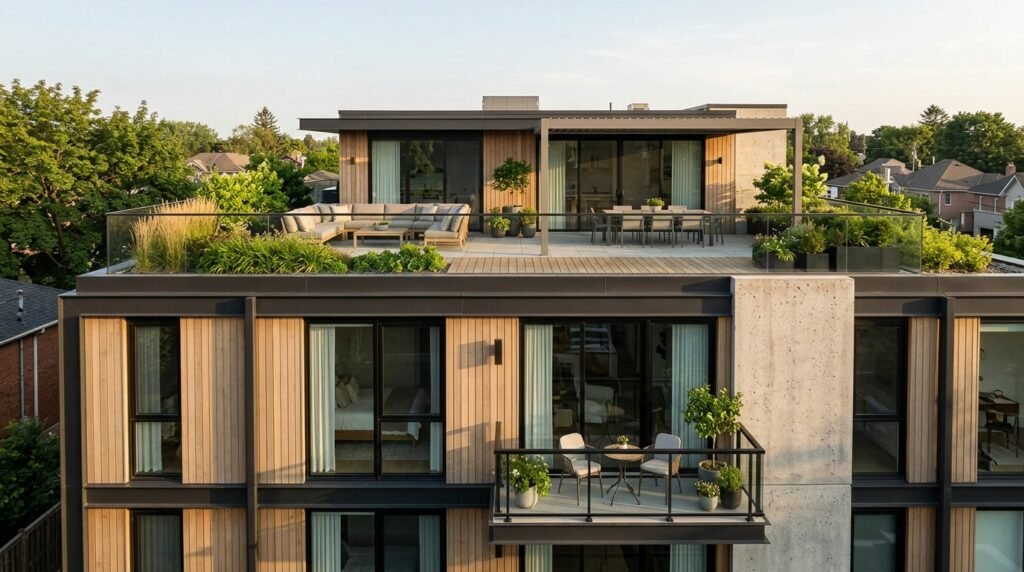
A terrace is generally an open outdoor area connected with a building or property. It is often larger than a typical balcony and may provide enough room for tables, chairs, plants, and other outdoor features. Some terraces are located on rooftops. Others sit above lower parts of a building or connect directly with an indoor living area. Ground-level paved spaces may also be called terraces in some regions. This is one reason property terms can become confusing. A terrace can be private, shared, or part of a common residential area. Its exact design depends on the building. When discussing terrace vs balcony, size and structural position are useful clues, but they are not universal rules. Always look at the actual floor plan and property details instead of relying only on the name used in a real estate listing.
What Is a Balcony?
A balcony is usually a raised outdoor platform attached to the side of a building. It commonly extends from an apartment, bedroom, living room, or another upper-floor space. Balconies normally have a guardrail, wall, or similar protective barrier around their exposed sides. They can be small enough for one chair or large enough for a compact seating area. Access is usually through a door from the connected indoor room. Unlike many terraces, a balcony often projects outward from the building or forms part of its upper-floor structure. Some balconies are recessed into the building rather than projecting beyond the wall. The exact design can vary widely. A balcony does not need to be large to be useful. Even a small one can provide fresh air, natural light, room for a few plants, or a pleasant place to enjoy a morning drink.
Terrace vs Balcony: What Is the Main Difference?
The simplest terrace vs balcony comparison focuses on size and placement. A balcony is commonly a smaller elevated platform attached to an upper level of a building. A terrace is often a larger outdoor area and may be located on a roof, podium, raised floor, or other open section. Terraces usually offer more freedom for furniture and activities because of their size. Balconies are often more limited but can still be highly useful. Structural design also differs. A projecting balcony may extend outward from a building facade, while a terrace is often supported by a larger structure beneath it. These are general descriptions rather than strict definitions for every property. Architects, builders, and real estate markets may use the terms differently. If the distinction affects a purchase or renovation, check building plans and local definitions instead of depending only on marketing language.
Size and Available Space
Space is one of the easiest differences to notice. Terraces are often large enough for several pieces of outdoor furniture. Depending on the property, there may be room for a dining table, lounge chairs, planters, and open walking space. Some large terraces can even be divided into separate areas for dining and relaxing. Balconies are commonly narrower. A compact balcony may only hold two chairs and a small table. Larger balconies can offer much more space, but they still tend to be more limited than terraces. When comparing terrace vs balcony, do not judge usefulness by square footage alone. A small outdoor space with a good layout can be more enjoyable than a large area that is difficult to furnish. Measure the usable floor area and consider door movement, walking paths, railings, and any building restrictions before planning furniture.
Location and Building Design
Balconies are commonly associated with upper floors. You might step from a bedroom or living room directly onto a platform overlooking the street, garden, or surrounding buildings. Terraces have more varied locations. A rooftop terrace may occupy part of a building’s roof. Another terrace may sit above a garage, commercial floor, or lower section of a house. Some properties have terraces connected directly to upper-floor rooms. Location affects more than terminology. It changes sunlight, wind exposure, privacy, views, and accessibility. A high balcony may receive stronger winds than a sheltered lower terrace. A rooftop terrace may have excellent views but intense sun. When evaluating terrace vs balcony, think about the actual conditions rather than only the design name. An outdoor space should work with your climate and daily routine if you want to use it regularly.
Privacy on a Terrace and Balcony

Privacy depends greatly on building design and nearby properties. A balcony can feel private when side walls separate it from neighboring units. In other buildings, balconies sit close together and allow neighbors to see directly into each other’s spaces. Street-facing balconies may also be visible from surrounding buildings. Terraces have similar challenges. A rooftop terrace can feel open and peaceful, but taller nearby buildings may overlook it. Shared terraces provide even less personal privacy. Screens, suitable plants, and thoughtful furniture placement may help in some situations. However, apartment and community rules can limit what residents may install. Before adding permanent privacy features, check property regulations and local requirements. In a terrace vs balcony comparison, neither option automatically wins for privacy. Orientation, neighboring buildings, floor height, walls, railings, and landscaping often matter much more than whether the space is called a terrace or balcony.
Which One Offers Better Views?
A good view can turn a simple outdoor area into a favorite part of the home. Balconies on higher floors often provide open views because they project from the building. Depending on the location, you might see a city skyline, park, ocean, mountains, or neighborhood streets. Rooftop terraces can provide even wider views because there may be fewer walls around them. However, a terrace located on a lower level may have a more limited outlook. Views are therefore determined by position rather than the name of the outdoor space. Railings and surrounding structures also affect visibility. When comparing properties, stand in the actual outdoor area if possible. Check what you can see while sitting, not only while standing. A beautiful view shown in a property photograph may look very different from the height of a chair. Real use matters more than a dramatic listing photo.
Terrace vs Balcony for Outdoor Dining
For people who enjoy eating outside, space becomes important. A larger terrace may provide room for a proper dining table and several chairs. You may still have enough space for plants and a lounge area. This makes some terraces suitable for family meals or small gatherings. A balcony can also support outdoor dining, but furniture may need to be more compact. A small folding table with two chairs can turn even a narrow balcony into a pleasant breakfast spot. In the terrace vs balcony debate, terraces usually have an advantage for larger dining setups. However, weather exposure should also influence your plans. Strong wind, direct sun, and rain can make outdoor dining uncomfortable. Choose furniture made for outdoor conditions and avoid blocking exits. In apartments, check building rules before adding large furniture, umbrellas, screens, or other features.
Which Is Better for Plants and Gardening?
Both spaces can support plants when conditions are suitable. A large terrace may provide room for raised planters, containers, herbs, flowers, and small shrubs. A balcony can still become a beautiful compact garden with pots, shelves, and carefully chosen plants. Sunlight is more important than size. A south-facing space in some climates may receive intense sun, while a shaded balcony may suit plants that prefer lower light. Wind is another concern, especially on high floors. Containers can dry out faster in exposed areas, and tall plants may become unstable. Weight must also be considered. Wet soil, large pots, and planters can be surprisingly heavy. Never assume a balcony or terrace can support unlimited containers. Follow building rules and structural guidance. For gardening, the best outdoor space is one that safely provides the light, protection, and room your chosen plants need.
Furniture Choices for Terraces and Balconies
Furniture should fit the space instead of filling every available inch. Terraces can often handle larger outdoor sofas, dining sets, lounge chairs, and storage pieces. Balconies usually benefit from compact furniture. Folding chairs, slim tables, benches, and small bistro sets can preserve walking space. Before buying anything, measure carefully. Leave enough room to open the door and move safely around the furniture. Outdoor pieces should also suit local weather. Materials that handle moisture, sunlight, and temperature changes can reduce maintenance. Wind matters on exposed upper floors. Lightweight furniture may need extra care during strong weather and should never create a falling hazard. In a terrace vs balcony comparison, a terrace usually offers more furnishing options. A well-planned balcony, however, can still feel comfortable and complete when every piece is chosen for its scale and purpose.
Safety Considerations
Safety should come before decoration. Elevated outdoor areas need suitable guards or barriers. Never climb, sit, or place unstable objects on railings. Families with children should be especially careful with furniture placement. A chair or table positioned beside a railing can create an unwanted climbing opportunity. Pet owners should also assess gaps and barriers before allowing animals outside. Another concern is weight. Outdoor furniture, large planters, water-filled containers, and other heavy items add load to the structure. Do not guess how much weight a balcony or terrace can safely support. If you are planning substantial changes, seek appropriate building or professional guidance. Drainage also matters. Water should not be allowed to collect where it can create slipping or building problems. Whether you have a terrace or balcony, following building rules and keeping exits clear should always be part of responsible outdoor-space use.
Weather and Sun Exposure
Outdoor spaces experience more weather than indoor rooms, but exposure levels can vary. A covered balcony may receive protection from direct rain and midday sun. An open rooftop terrace can face intense sunlight, wind, and rainfall. Building direction also affects comfort. Some spaces receive bright morning light, while others become very hot later in the day. Before decorating, observe the area at different times. This helps you choose plants, furniture, and shade solutions more wisely. The terrace vs balcony question becomes less important if one option is uncomfortable during the hours you want to use it. Shade may be possible through umbrellas or approved structures, but apartment buildings can have rules about what may be installed. Weather-resistant furniture and secure outdoor accessories are especially important in exposed locations. Designing for real conditions can make an outdoor space much more useful throughout the year.
Maintenance and Cleaning
Outdoor areas naturally collect dust, leaves, pollen, and other debris. Terraces may take longer to clean because they often cover more floor area. Large spaces can also contain more furniture and planters. Balconies are smaller, so cleaning may be quicker, but narrow corners and railings can collect dirt. Drainage points should remain clear in both spaces. Blocked drains can cause standing water during rain. Always use cleaning methods suitable for the surface material and building rules. Avoid sending dirty water or debris over balcony edges, where it could affect people or property below. Furniture and plant containers also need occasional cleaning. Check for rust, loose parts, and weather damage. Regular light maintenance is easier than waiting for heavy dirt to build up. A clean outdoor space is also more inviting, which means you are more likely to actually use it.
Cost and Property Value
Outdoor space can influence how attractive a home feels to buyers or renters. However, value depends on many factors. Location, usable size, view, privacy, condition, climate, and local demand all matter. A large private terrace with a beautiful view may be highly desirable in one city. In another market, a smaller covered balcony may be valued because it can be used more often during hot or rainy weather. It is therefore difficult to say that one automatically adds more property value. Maintenance costs can also differ. Larger terraces may require more furniture, surface care, drainage maintenance, and weather protection. When considering terrace vs balcony from a property perspective, focus on usability rather than labels. A well-designed outdoor space that connects naturally with the home can be more appealing than a larger area that feels exposed, awkward, or difficult to maintain.
Terrace vs Balcony for Apartments
Apartment living often makes private outdoor space especially valuable. A balcony can give residents direct access to fresh air without leaving their unit. It may provide enough room for plants, a chair, or a small table. Terraces in apartment buildings can be private or shared. A private terrace can feel like an extra outdoor room, while a shared rooftop terrace may provide seating and social space for several residents. The key difference is control. A private area can usually be used whenever you want, subject to building rules. Shared spaces may have hours, reservation systems, or restrictions. When comparing terrace vs balcony in an apartment search, ask exactly what is included with the unit. Find out whether the space is private, shared, or legally assigned for exclusive use. These details can matter more than the name shown in the property listing.
Noise and Everyday Comfort
Outdoor spaces can expose you to sounds that are less noticeable indoors. A street-facing balcony may receive traffic noise, voices, and activity from below. A rooftop terrace might be quieter, but mechanical equipment or nearby entertainment areas can create other sounds. Shared terraces can also become busy when several residents use them. If quiet outdoor time matters to you, visit the property at different hours before making a major decision. Morning conditions can be very different from evening conditions. Wind noise is another factor on higher floors. Privacy screens may reduce some visual exposure, but they do not always solve sound problems. Comfort depends on a combination of noise, sun, shade, wind, temperature, and seating. A smaller peaceful balcony can sometimes be more enjoyable than a huge terrace beside a noisy road. Real experience is more useful than judging outdoor space from measurements alone.
Which Is Better for Entertaining?
Terraces often have an advantage when several people need to gather outdoors. More floor space can allow separate seating and dining zones. Guests may also have more room to move without crowding doorways. A balcony can still be wonderful for small gatherings. Two or three people may enjoy drinks, coffee, or conversation in a well-arranged space. Capacity should always remain within safe limits. Do not overcrowd an elevated area simply because furniture can physically fit there. Building guidance and occupancy rules should be respected. In a terrace vs balcony comparison for entertaining, think about the type of hosting you actually do. If you regularly invite many guests, a large terrace may suit you better. If you prefer quiet conversations with one or two friends, a comfortable balcony may provide all the outdoor space you need without extra maintenance.
How to Make a Small Balcony Feel Larger
A small balcony can feel surprisingly comfortable with careful design. Start by keeping the floor as open as possible. Choose furniture with slim frames rather than bulky arms and deep seats. Folding furniture can be stored when it is not needed. Vertical space can also help, but shelves, planters, and other items must be installed safely and in line with building rules. Use a limited number of plants instead of filling every corner with pots. Similar colors can make the space feel calmer and less crowded. Good lighting can improve evening use, but choose outdoor-rated fixtures when required. Most importantly, decide what you want the balcony to do. A reading area needs different furniture from an outdoor dining spot. Trying to fit every possible activity into a tiny area often makes it less useful rather than more flexible.
How to Make a Terrace More Comfortable
A large terrace can feel empty if furniture is scattered without a plan. Think of it as an outdoor room. You might create one area for dining and another for relaxing. Planters can help define spaces while adding greenery. Outdoor rugs may visually connect furniture, provided they are suitable for the surface and weather. Shade is important on exposed terraces. Approved umbrellas or shade structures can make daytime use more comfortable. Lighting can also extend use into the evening. Keep safety and weather in mind with every addition. Large decorative objects, tall plants, and lightweight furniture need extra care in windy locations. Do not block drainage points or access routes. A comfortable terrace does not need to be filled with expensive furniture. A few well-chosen pieces, useful shade, and enough open walking space can create a more relaxed and practical setting.
Common Mistakes When Comparing a Terrace and Balcony
The first mistake is assuming every terrace is huge and every balcony is tiny. Real buildings do not always follow those expectations. Another mistake is choosing based only on appearance. A beautiful rooftop area may receive intense heat or wind. A smaller covered balcony may be usable for more months of the year. Buyers also sometimes forget to ask whether a terrace is private or shared. That detail can completely change how the space functions. In a terrace vs balcony decision, check measurements, access, privacy, orientation, building rules, and maintenance needs. Do not assume you can install permanent screens, large planters, grills, or shade structures without permission. Finally, consider how you actually live. Outdoor space has little value if its design does not support the activities you enjoy. Practical use should guide your decision more than the label attached to the property.
Frequently Asked Questions
What is the main difference between a terrace and a balcony?
The main difference usually involves size, location, and structural design. A balcony is commonly an elevated platform connected to an upper floor. It may project from the building or sit within its exterior structure. A terrace is often larger and may sit on a rooftop, raised level, or another open section of a property. However, these terms are not used exactly the same way everywhere. Real estate listings may apply them differently depending on local habits. When comparing terrace vs balcony, check actual measurements, floor plans, access, and whether the outdoor area is private or shared. Those details give you more useful information than the name alone.
Is a terrace always bigger than a balcony?
No. Terraces are commonly larger, but this is not an absolute rule. A large luxury apartment may have a balcony that is bigger than a small terrace elsewhere. Building design and local terminology can change how outdoor spaces are described. Instead of relying on labels, compare the usable floor area. Think about how furniture will fit and whether enough walking space remains. Also check the outdoor area’s shape. A long narrow space may provide less practical room than a smaller square area. Actual dimensions and layout are much more useful than assuming one type will always provide more space.
Can you have a garden on a balcony?
Yes, many balconies can support container plants when conditions and building rules allow. Herbs, flowers, and compact plants can work well in pots. The right choices depend on sunlight, wind, temperature, and available space. Weight is important because wet soil and large containers can become heavy. Avoid placing more weight on a balcony than the structure is designed to support. Secure containers so they cannot fall or become dangerous in strong wind. You should also make sure water does not drain onto neighbors or public areas below. A small balcony garden can be beautiful, but safe placement and suitable plants should come before decoration.
Is a rooftop terrace the same as a balcony?
Usually not. A rooftop terrace is generally an outdoor area positioned on or near the roof of a building. It may cover a large section and can sometimes be shared by residents. A balcony is usually connected directly to an upper-floor room or apartment and forms a smaller elevated platform. However, property terminology varies, so unusual designs may not fit these simple descriptions. If you are evaluating a property, check exactly where the outdoor area is located and how it is accessed. Also confirm whether it belongs privately to the unit or is part of a shared area. These practical details matter more than the marketing name.
Which is better, a terrace or balcony?
There is no universal winner. A terrace may be better if you want more space for dining, plants, or entertaining. A balcony may be better if you want a compact private area with direct access from your apartment. Maintenance, privacy, view, weather, and building location also matter. Someone who enjoys large gatherings may prefer a terrace. Someone who only wants a quiet chair and a few plants may be completely satisfied with a balcony. The best choice depends on your lifestyle, budget, climate, and property. Compare how you would actually use each space instead of choosing only by size.
Does a terrace or balcony add more value to a home?
Either can make a property more attractive, but there is no fixed rule about which adds more value. Local housing demand, view, privacy, size, condition, and usability all influence buyer interest. A large private terrace can be highly desirable in some markets. A sheltered balcony with a great view may be more appealing in another location. Shared outdoor areas can also be valued differently from private ones. If property value is important to your decision, local real estate evidence is more useful than a general rule. A qualified local property professional can help explain how specific outdoor features are valued in your market.
Conclusion
The terrace vs balcony comparison becomes much easier once you look beyond the names. A balcony is generally a smaller elevated platform connected to an upper floor. A terrace is often larger and can appear on rooftops, raised levels, or other open areas. Yet actual designs vary, and local property terms are not always consistent. Size is only one part of the decision. Think about privacy, sunlight, wind, views, safety, gardening, furniture, maintenance, and how often you will use the space. A large terrace may be perfect for outdoor meals and gatherings. A small balcony may provide exactly the quiet retreat you need. If you are buying or renting, inspect the actual space and confirm whether it is private or shared. The better option is the one that safely supports your lifestyle and makes your home more enjoyable.