A healthy lawn needs more than water, fertilizer, and regular mowing. Grass roots also need enough air, water, and space to grow. Over time, soil can become hard and compacted. Heavy foot traffic, children playing, pets, mowing equipment, and wet soil can all increase compaction. When soil becomes too dense, grass roots struggle to receive the resources they need. Water may also run off instead of moving into the root zone. This can leave your lawn thin, weak, dry, and uneven. Core aeration is one of the most useful lawn care methods for solving this problem. It removes small plugs of soil from the ground. These openings create more space for air, water, and nutrients. The process can help roots grow deeper and improve the overall condition of your lawn. With the right timing and follow-up care, aeration can make a noticeable difference.
What Is Core Aeration?
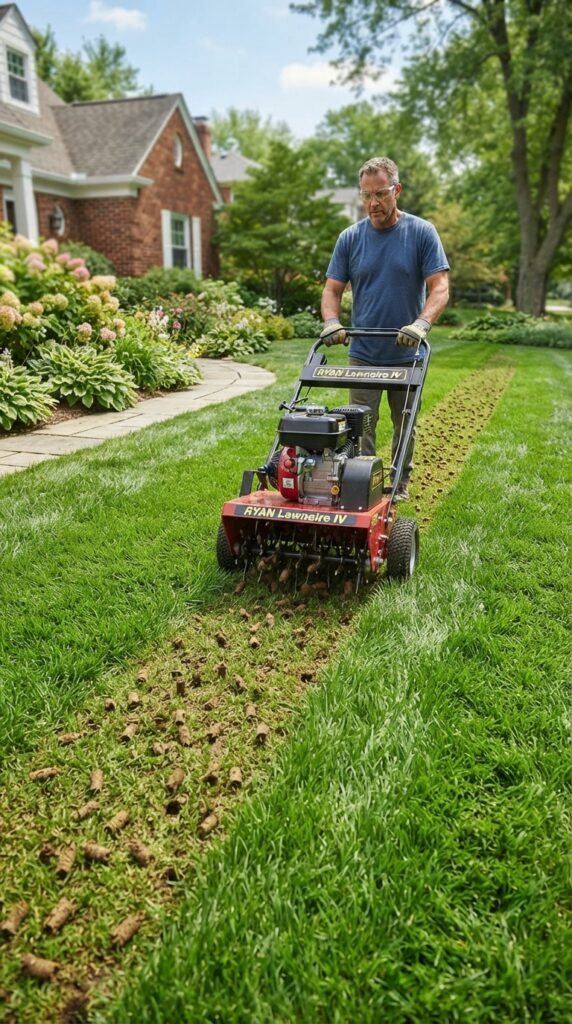
Core aeration is a lawn care process that removes small cylinders, or cores, of soil from the lawn. A special machine called a core aerator uses hollow metal tines to pull these plugs from the ground. The holes allow air, water, and nutrients to move deeper into the soil. The removed soil plugs are usually left on the lawn surface. They break down naturally and return organic material to the soil. This process is different from simply making holes with a solid spike. Spike aeration creates openings but does not remove compacted soil. Removing actual soil cores provides more room for the surrounding soil to expand. It can also improve conditions around grass roots. The process is especially useful on lawns that receive heavy use. It can also help lawns growing in naturally dense or clay-heavy soil. Good results depend on using the correct equipment and choosing the right time.
Why Does Lawn Soil Become Compacted?
Soil compaction happens when soil particles are pressed closely together. This reduces the open spaces that normally hold air and water. Many everyday activities can cause this problem. Walking across the same lawn areas can slowly increase soil pressure. Children playing, pets running, and outdoor gatherings can create similar effects. Heavy lawn equipment can also contribute to compaction. Wet soil is especially vulnerable because it can compress more easily under pressure. Clay soil tends to compact more than sandy soil because of its fine particles. Poor drainage can make the problem even worse. You may notice compacted areas where grass grows slowly or turns thin. Water may also collect on the surface after rain. In some cases, the lawn becomes hard enough that a shovel is difficult to push into the soil. These signs suggest that the roots may not have enough room to grow. Understanding the cause helps you choose the right lawn care solution.
How Core Aeration Helps Grass Roots
Grass roots need oxygen, moisture, nutrients, and room to spread. Compacted soil can limit access to all four. Core aeration creates channels through the compacted layer. These channels improve movement between the soil surface and the root zone. Water can move deeper instead of sitting on top. Air can also enter spaces around the roots. Nutrients from fertilizer can reach areas where roots can use them. The new openings give roots more room to expand. Deeper roots can help grass handle periods of heat and moderate drought. Stronger roots may also improve the lawn’s ability to recover from everyday stress. Aeration does not instantly transform a weak lawn into a perfect one. It works best as part of a complete lawn care routine. Mowing, watering, fertilizing, overseeding, and soil management still matter. However, improving the soil environment can give grass a much better foundation for healthy growth.
Signs Your Lawn Needs Aeration
Several signs can indicate that your lawn has compacted soil. One common sign is thin grass that grows slowly despite regular watering. You may also notice bare patches in areas with heavy foot traffic. Water that sits on the lawn after rainfall can be another warning sign. Poor drainage often indicates that water cannot move through the soil properly. Hard soil is another useful clue. Try pushing a garden fork into the ground when the soil is slightly moist. If it is difficult to penetrate, compaction may be present. Grass roots can also provide useful information. Shallow roots often suggest that the soil is restricting deeper growth. Some lawns develop dry areas even when irrigation appears adequate. This can happen when compacted soil prevents water from reaching the root zone. Thatch buildup can also contribute to poor water movement. If several of these problems appear together, aeration may be worth considering. A simple soil inspection can help confirm the problem before treatment.
When Is the Best Time for Core Aeration?
Timing is one of the most important parts of successful lawn aeration. The ideal season depends on the type of grass growing in your yard. Cool-season grasses generally respond well to aeration during their active growth periods. Early fall is often a useful time because soil temperatures remain suitable for root growth. Spring can also work when conditions are right. Warm-season grasses usually benefit from aeration during their active growing season. Late spring and early summer can be suitable for many warm-season lawns. Avoid aerating when the soil is extremely wet. Wet soil can stick to equipment and become damaged instead of improving. Extremely dry soil can also make the process difficult. The soil should have enough moisture to allow the tines to enter properly. Local weather patterns should guide the exact timing. The goal is to aerate when grass can recover quickly and use the newly opened soil spaces. Choosing the right season can make the treatment much more effective.
Preparing Your Lawn Before Aeration
A little preparation can improve the results of lawn aeration. Start by mowing the grass at its normal recommended height. Avoid cutting it extremely short before the process. Mark irrigation lines, shallow cables, sprinkler heads, and other hidden objects. This step can protect both your lawn and the equipment. Water the lawn lightly if the soil is very dry. Do not soak the ground before using an aerator. The soil should be moist but not muddy. Remove large sticks, toys, stones, and other objects from the lawn. These items can damage equipment or create safety problems. If your lawn has severe thatch, you may need to address that issue separately. Aeration is most useful when the machine can penetrate deeply into the soil. Plan your follow-up care before you begin. You may want to overseed or apply fertilizer after aeration. Having everything ready helps you take advantage of the new openings.
How Core Aeration Works
A core aerator is designed to remove small plugs from the soil. The machine is pushed or driven across the lawn in planned passes. Hollow tines enter the ground and pull out small soil cores. These cores are then deposited on the lawn surface. Multiple passes may be needed when compaction is severe. The direction of the passes can also be changed to improve coverage. The goal is to create enough openings across the affected area. Professional machines can usually penetrate deeper and cover large lawns efficiently. Smaller manual tools can work for limited areas. However, manual aeration can require considerable physical effort. After the process, the lawn may look messy for a short period. Small soil plugs can remain visible across the surface. This is normal and should not be considered a problem. Rain, mowing, and normal activity help break down the plugs. Over time, the soil returns to the lawn and contributes organic material. The important benefit is the improved soil structure beneath the grass.
Core Aeration vs. Spike Aeration
There are several ways to create openings in compacted soil. Spike aeration uses solid tines, forks, or shoes with spikes. These tools push into the soil without removing material. They can provide temporary openings but may not solve deeper compaction. In some situations, pushing solid spikes into very compacted soil can press surrounding soil more tightly. Core aeration removes soil plugs instead. This creates actual space within the soil profile. The surrounding soil has more room to expand into these openings. This difference makes core-based equipment useful for serious compaction. Spike tools may still have a place in small maintenance tasks. They can be convenient for small areas or quick spot treatment. However, they are not always the best choice for heavily compacted lawns. The right method depends on soil condition, lawn size, and the level of compaction. Understanding this difference helps homeowners avoid using the wrong tool. If you are unsure, a lawn professional can inspect the soil and recommend an appropriate method.
Core Aeration and Overseeding
Aeration and overseeding often work well together. Overseeding means spreading new grass seed over an existing lawn. The goal is to improve density and fill thin or bare areas. Aeration creates small openings where grass seed can settle. This can improve seed-to-soil contact and support germination. Good seed contact is important because grass seed needs moisture and suitable soil conditions. Simply spreading seed across compacted grass may produce weaker results. The seed can remain on the surface and dry out quickly. Aeration gives the seed more opportunities to reach the soil. After overseeding, keep the surface appropriately moist during germination. Avoid heavy traffic until new grass becomes established. Choose grass seed that matches your climate and existing lawn. Mixing different grass types without research can produce uneven growth. A local lawn expert can help identify the best seed variety. When performed at the correct time, aeration and overseeding can help create a thicker lawn.
Should You Fertilize After Aeration?
Fertilizing after aeration can support grass recovery when the timing is appropriate. The new openings allow nutrients to move closer to the root zone. However, fertilizer should not be applied automatically in every situation. A soil test can provide useful information about nutrient needs. Testing can show whether the soil lacks important nutrients. It can also identify pH problems that may limit grass growth. Applying too much fertilizer can harm the lawn and waste money. Excess nutrients can also move into waterways through runoff. Choose a fertilizer based on actual lawn needs rather than guesswork. Follow the product label carefully when applying any fertilizer. Newly seeded lawns may also need a different nutrient approach. Watering should be managed carefully after fertilization. Avoid heavy watering that causes runoff. A balanced lawn care plan considers soil health, grass type, weather, and nutrient needs. Aeration creates an opportunity, but good follow-up care determines how much benefit the lawn receives.
Watering After Aeration
Water management becomes especially important after aeration. The newly created channels allow water to move into the soil more easily. This can improve moisture access around grass roots. However, excessive watering can still create problems. Overwatering may encourage shallow roots, disease, and poor soil conditions. The best approach is usually deep and appropriate watering rather than frequent shallow watering. Newly planted seed requires different moisture needs during germination. The soil surface may need more frequent light watering during this period. Once new grass becomes established, watering can usually become less frequent. Local climate, rainfall, soil type, and grass variety all influence watering needs. Morning is often a useful time because evaporation is lower than during hot afternoons. Avoid keeping the lawn constantly wet. Healthy roots need both moisture and oxygen. The openings created through aeration are most useful when water moves through the soil properly. Good irrigation habits help maintain the benefits of improved soil structure.
How Often Should You Aerate a Lawn?
The ideal aeration schedule depends on soil type, traffic, grass variety, and lawn condition. Some lawns may benefit from annual aeration. Others may only need treatment every few years. Lawns with heavy foot traffic often need more frequent attention. Clay-heavy soil can also become compacted more easily. A lawn used for sports or frequent outdoor activities may need regular assessment. Sandy soil generally has larger spaces between particles and may compact less easily. However, sandy lawns can still develop compaction in busy areas. Instead of following a strict calendar, look at the condition of the soil. Check drainage, root depth, grass density, and soil firmness. If the lawn continues to perform well, frequent aeration may not be necessary. Repeatedly disturbing healthy soil without a reason is not always beneficial. If compaction returns quickly, investigate the cause. Heavy traffic patterns, drainage problems, or unsuitable soil may need additional solutions. A targeted approach usually produces better long-term results than treating every lawn the same way.
Core Aeration for Clay Soil
Clay soil can be challenging for many homeowners. Its tiny particles can fit closely together and restrict air movement. Clay can become very hard when dry and sticky when wet. These conditions can make lawn care more difficult. Core aeration can help create temporary pathways through compacted clay. The openings provide space for air and water to move through the soil. Over time, organic matter can also help improve soil structure. However, aeration alone may not solve severe clay problems. Soil improvement may require compost or other suitable organic amendments. The exact approach depends on the existing soil and grass type. Avoid working clay when it is extremely wet. Heavy equipment can make compaction worse under those conditions. A simple soil test can provide useful information before making major changes. Improving drainage may also be important in some yards. The long-term goal is to create soil that supports healthy roots. Aeration can be one useful part of that larger soil improvement plan.
Core Aeration for High-Traffic Lawns
High-traffic lawns experience more pressure than lightly used lawns. People walking across the grass can gradually compress the soil. Pets can create similar pressure along common paths. Children playing can cause even greater stress in specific areas. Sports activities can also compact soil quickly. When soil becomes dense, grass may struggle to recover from wear. Core aeration can help reopen compacted areas and improve growing conditions. However, changing traffic patterns may be just as important. Consider creating pathways through heavily used parts of the yard. Use stepping stones or hardscape areas where repeated walking occurs. This can protect the grass from constant pressure. Resting damaged areas can also help them recover. Choose grass varieties that match the amount of traffic your lawn receives. Some grasses tolerate wear better than others. Combining proper grass selection with aeration and good maintenance can create stronger results. The goal is not simply to treat damage after it happens. Preventing repeated compaction can protect the lawn over the long term.
Common Aeration Mistakes to Avoid
Several mistakes can reduce the benefits of lawn aeration. One common mistake is aerating soil that is too wet. Muddy soil can stick to equipment and become damaged. Another mistake is working soil that is extremely dry. Hard ground can make equipment penetration difficult. Some homeowners also aerate without checking underground irrigation or utility lines. Marking these areas first can prevent expensive damage. Using a small hand tool across a large lawn can also be inefficient. The tool may not remove enough soil to make a meaningful difference. Another mistake is ignoring follow-up care. Aeration alone cannot correct poor mowing, watering, or nutrient problems. Applying too much fertilizer after treatment can also damage grass. Heavy traffic immediately after overseeding can prevent new seedlings from developing. Finally, avoid aerating simply because it is on a yearly calendar. Check the lawn’s actual condition first. A targeted approach can save time, money, and unnecessary work.
Professional Aeration or DIY?
Homeowners can aerate small lawns themselves with rental equipment or manual tools. DIY work may save money when the lawn is small and easy to access. However, larger lawns can require heavy equipment and significant physical effort. Professional lawn companies often use commercial aerators designed for efficient soil removal. They can also identify compacted areas and recommend follow-up treatments. Professional service may be useful when the soil is severely compacted. It can also help when homeowners plan to overseed immediately afterward. DIY aeration can still be successful with proper preparation. Read equipment instructions before operating a rental machine. Wear suitable footwear and keep people away from moving equipment. Avoid rushing across the lawn. Multiple careful passes can provide more even coverage. If you are unsure about soil conditions, professional advice can prevent mistakes. The best choice depends on lawn size, equipment access, personal experience, and budget. Either approach can work when the process is performed correctly.
Benefits of Core Aeration for Lawn Health
There are several potential benefits when aeration is performed at the right time. It can reduce the effects of soil compaction and improve root-zone conditions. Better soil airflow can support healthy root development. Improved water movement can also reduce surface runoff in compacted areas. Fertilizer may reach the root zone more effectively after openings are created. Overseeding can also benefit because seed can settle into fresh soil openings. Stronger roots may help grass handle normal environmental stress. A healthier root system can contribute to thicker and more resilient turf. However, aeration should not be viewed as a magic solution. It cannot fix every lawn problem by itself. Pest damage, disease, poor drainage, unsuitable grass, and nutrient deficiencies need separate attention. Good lawn care combines several practices. Mowing at the right height is important. Correct watering and balanced nutrition also matter. Aeration simply improves one important part of the growing environment. When soil and roots receive better conditions, other lawn care practices can work more effectively.
Long-Term Lawn Care After Aeration
The benefits of aeration can last longer when followed by good lawn care habits. Start by avoiding unnecessary traffic on recovering areas. Follow appropriate watering practices for your grass type and climate. Keep mowing blades sharp because dull blades can tear grass leaves. Avoid removing too much grass during each mowing session. Leave suitable grass clippings on the lawn when conditions allow. These clippings can return small amounts of nutrients to the soil. Monitor the lawn for weeds, pests, and disease. Address problems early before they become widespread. Test the soil periodically if growth remains weak. Soil testing can prevent unnecessary fertilizer applications. Organic matter can also improve soil structure over time. Use compost only when it suits your soil and lawn conditions. Do not add materials without understanding what the soil needs. A healthy lawn develops through consistent care rather than one treatment. Aeration can give the soil a useful boost, but long-term habits keep the lawn strong.
Frequently Asked Questions About Lawn Aeration
What is core aeration used for?
Core aeration is mainly used to reduce soil compaction and improve growing conditions around grass roots. It removes small soil plugs from the lawn. These openings allow air, water, and nutrients to move deeper into the soil. This can support stronger root development and improve the lawn’s ability to absorb moisture. It is especially useful for compacted lawns, clay soils, and high-traffic areas. However, it is not a complete solution for every lawn problem. Poor drainage, disease, pests, and nutrient deficiencies may require separate treatments. Homeowners should inspect their lawns before deciding to aerate. Looking at soil firmness, drainage, grass density, and root depth can provide useful clues. When used at the right time, aeration can become an important part of a healthy lawn care program.
Does aeration really help a lawn?
Yes, aeration can help lawns affected by soil compaction. Removing soil cores creates channels through dense areas. These channels improve movement of air, water, and nutrients. They can also provide roots with more space to grow. Results depend on soil condition and follow-up care. A severely compacted lawn may show a noticeable improvement after treatment. A healthy lawn with little compaction may show less obvious change. Aeration works best when combined with proper mowing, watering, nutrition, and grass selection. Overseeding after aeration can also help thin lawns become denser. Timing matters because grass should be actively growing during recovery. If the lawn is treated during stressful weather, recovery may be slower. Good lawn care decisions should always consider local climate and grass type.
What happens if you never aerate your lawn?
Not every lawn needs regular aeration. However, repeated compaction can create problems over time. Soil may become harder and less able to hold useful air spaces. Water may begin running off instead of moving into the root zone. Grass roots may remain shallow and become more vulnerable to heat and drought. Thin grass and bare areas may also become more common. High-traffic lawns are especially likely to experience these issues. Clay soil can create additional challenges because it naturally contains fine particles. If your lawn remains healthy without aeration, there may be no need to treat it frequently. The best approach is to monitor soil conditions. Look for poor drainage, hard soil, weak growth, and shallow roots. These signs can help determine whether aeration would provide value.
Can I mow immediately after aeration?
It is usually better to give the lawn some time after aeration. The soil plugs need time to break apart naturally. Mowing too aggressively can disturb freshly opened areas. If mowing is necessary, use the correct mowing height for your grass type. Avoid removing excessive leaf material during recovery. If you have overseeded after aeration, wait until the new grass is established enough for mowing. Follow the seed supplier’s recommendations for the specific grass variety. Keep mower traffic light on areas that are still recovering. Clean and sharpen the mower blade before use. A sharp blade creates a cleaner cut and reduces stress. Good mowing habits can help protect the benefits created by aeration.
Should I aerate before or after overseeding?
Aeration should generally come before overseeding. The holes created during aeration provide useful spaces for grass seed. This can improve contact between the seed and soil. Better contact can support more reliable germination when moisture and temperature are suitable. After aeration, distribute the seed evenly across the lawn. Follow the recommended seeding rate for the grass variety. Keep the surface appropriately moist during germination. Avoid heavy foot traffic while seedlings are developing. Fertilizer may also be useful when soil testing or professional advice supports its use. Do not apply unnecessary products simply because the lawn was aerated. Good timing and careful follow-up can make the combination more effective. This approach is especially helpful when a lawn has thin areas or visible bare patches.
How deep should lawn aeration go?
The ideal depth depends on soil condition, equipment, and grass type. Most core aerators are designed to remove plugs several inches deep under suitable conditions. The goal is to reach below the compacted surface and improve the root zone. Extremely shallow holes may provide limited benefits in heavily compacted soil. However, deeper is not always better. Soil moisture and equipment performance influence how deeply the tines can penetrate. Avoid forcing machinery into unsuitable conditions. A professional lawn service can adjust equipment based on soil and turf conditions. Homeowners using rental equipment should follow the manufacturer’s instructions carefully. Consistent coverage is often more important than trying to achieve extreme depth. The treatment should create enough openings to improve soil airflow and water movement without damaging the lawn.
Final Thoughts
A strong lawn begins beneath the grass blades. Healthy roots need oxygen, water, nutrients, and enough space to grow. Compacted soil can make each of these needs harder to meet. Core aeration provides a practical way to open dense soil and improve the root environment. It can help lawns affected by heavy traffic, clay soil, poor drainage, or repeated use. The best results come from proper timing and good preparation. Follow-up care is equally important after the machine leaves the lawn. Water correctly, mow carefully, and overseed when appropriate. Test the soil when nutrient or pH problems are suspected. Most importantly, look at your lawn’s actual needs before choosing a treatment. A healthy lawn does not require every service every year. Smart lawn care focuses on solving real problems with the right methods. When used thoughtfully, aeration can become an important part of a long-term lawn care plan. Give your soil attention, and your grass will have a stronger foundation for healthy growth.