Choosing a swimming pool is a big decision for any homeowner. A pool can change how you use your outdoor space. It can create a place for exercise, family time, or quiet relaxation. However, choosing the right design can feel confusing at first. There are many shapes, materials, sizes, and features to consider. Your yard, budget, lifestyle, and maintenance plans all matter. Some pools work well in small backyards. Others need large spaces and careful planning. Some designs focus on fitness, while others create a luxury feel. Understanding the types of pools available can make the decision much easier. It also helps you compare construction methods and long-term needs. This guide explains popular pool designs in simple terms. You will learn how each option works and where it fits best. You will also discover important details about materials, maintenance, safety, and costs.
Understanding the Main Types of Pools
The types of pools available today can be grouped in several ways. Some categories describe how a pool is built. Others describe its shape, purpose, location, or water system. For example, a concrete pool is a construction type. A lap pool describes a pool designed for swimming exercise. A saltwater pool describes its sanitation system. These categories can overlap with each other. One backyard pool can be concrete, saltwater, geometric, and outdoor at once. This is important when comparing your options. You should not think every category is completely separate. Instead, consider each feature as one part of the overall design. Start with the basic structure and material. Then consider the pool’s shape and purpose. Finally, think about features, landscaping, maintenance, and safety. This approach makes the planning process more organized and practical for most homeowners.
In-Ground Pools
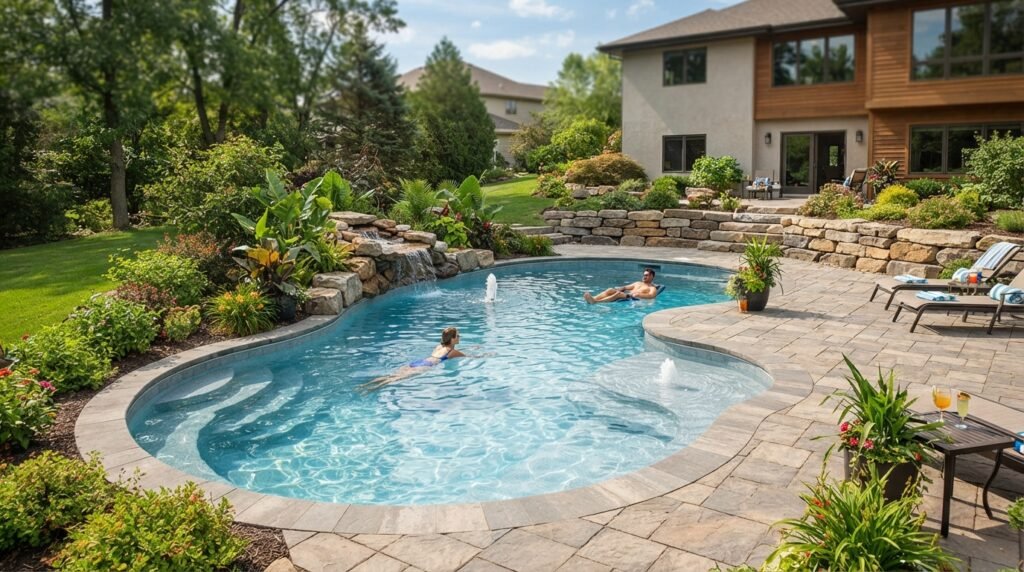
In-ground pools are installed below the surrounding ground level. They are permanent structures that can become part of your landscape. Among the most common types of pools, in-ground designs offer many customization options. You can choose different shapes, depths, finishes, and features. Concrete, fiberglass, and vinyl liner are common construction choices. An in-ground pool can also include steps, benches, lighting, or water features. The biggest advantage is design flexibility. You can create a pool that matches your yard and home style. However, installation usually requires more planning and construction work. Excavation, drainage, plumbing, electrical work, and permits may be needed. Access to the backyard can also affect the installation process. Before choosing this option, inspect your yard carefully. Soil conditions and available space can influence the project. A professional inspection can help identify problems before construction begins.
Above-Ground Pools
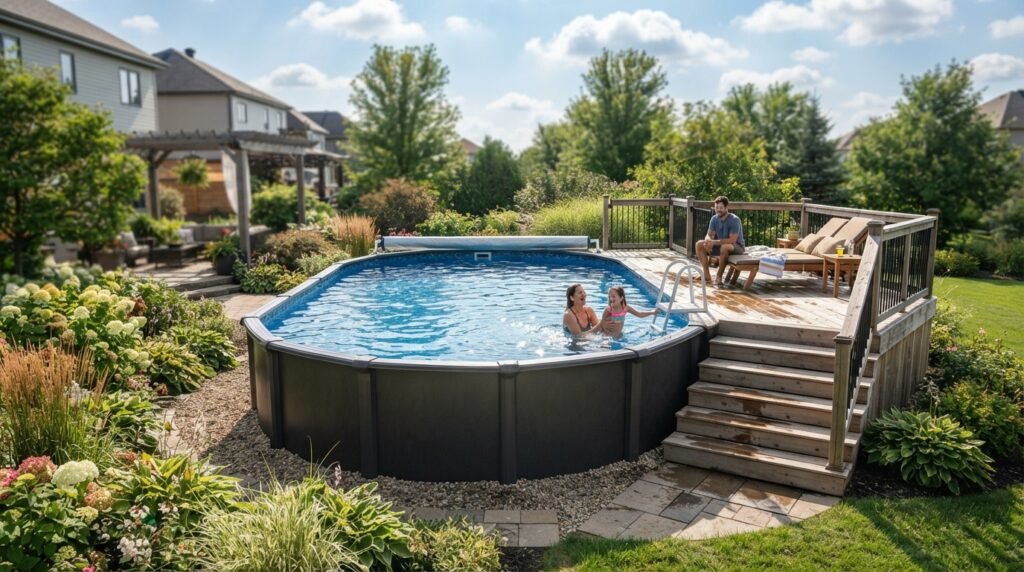
Above-ground pools sit on top of the ground instead of being fully excavated. They are often chosen by homeowners seeking a simpler pool solution. They can work well when a permanent structure is not practical. They also suit some smaller yards and limited budgets. Installation can often be faster than traditional in-ground construction. Above-ground pools come in several shapes and sizes. Some have metal frames, while others use reinforced wall systems. Modern designs can look much more attractive than older models. Decking and landscaping can also make an above-ground pool feel more integrated. However, these pools usually offer less design freedom. Their depth and shape may be limited by the available models. The surrounding ground must also be level and stable. The types of pools in this category can vary greatly in quality. Look for strong materials, reliable filtration, and proper safety features.
Concrete Pools
Concrete pools are known for their strength and design flexibility. They are built on-site and can be shaped around many backyard layouts. Concrete allows homeowners to create unusual shapes and custom depths. It can also support features such as tanning ledges and integrated benches. The surface can be finished with plaster, tile, stone, or other materials. This gives the pool a wide range of visual styles. Concrete pools can last for many years with proper care. However, construction usually takes longer than some other options. The surface may also need more regular attention over time. Water chemistry is especially important for protecting the pool surface. Concrete can also support larger and more complex pool designs. When comparing types of pools, consider whether customization matters most to you. If you want a highly personalized shape, concrete can offer considerable design freedom.
Fiberglass Pools
Fiberglass pools are manufactured in a controlled facility before delivery. The finished shell is transported to the property and placed into an excavated area. This construction method can make installation faster than building a concrete pool. Fiberglass surfaces are smooth and nonporous. This can make routine cleaning easier for many homeowners. The smooth finish can also provide a comfortable surface under your feet. Fiberglass pools come in many factory-designed shapes and sizes. Customization is more limited compared with concrete. However, many modern designs offer attractive features and practical layouts. They can include steps, seats, tanning areas, and different depths. Proper installation is very important because the shell must sit correctly. Drainage and surrounding soil conditions also need careful attention. Fiberglass is often considered when homeowners want easier routine care. It can be a practical choice for families seeking convenience.
Vinyl Liner Pools
Vinyl liner pools use a flexible liner that covers the interior structure. The liner creates the waterproof surface that holds the pool water. These pools can offer many shape and size choices. They are available in both traditional and more modern designs. One major advantage is the smooth liner surface. Many people also like the wide range of available patterns. The liner can create a clean appearance without the cost of some premium finishes. However, vinyl liners can be damaged by sharp objects or rough use. They may eventually need replacement as they age. Careful water chemistry can help protect the liner. Proper cleaning is also important for keeping the surface attractive. When reviewing types of pools, think about future replacement costs. A lower initial price does not always mean lower lifetime costs. Consider installation, maintenance, liner replacement, and equipment expenses together.
Lap Pools for Exercise
Lap pools are designed primarily for swimming and fitness. They are usually long and narrow compared with recreational pools. Their shape allows swimmers to move continuously from one end to another. Lap pools can be excellent for people who enjoy regular swimming workouts. They may also fit narrow backyard spaces better than wide recreational designs. A lap pool does not need to be extremely large. Its dimensions should match the swimmer’s goals and available space. Some designs include dedicated swimming lanes or simple end walls. Others combine exercise space with a smaller relaxation area. Good circulation and proper lighting can improve the experience. A pool cover can also help reduce maintenance between swimming sessions. Among the different types of pools, lap pools have a clear practical purpose. They focus more on fitness than large-scale entertainment. This makes them useful for active homeowners who value regular exercise.
Plunge Pools
Plunge pools are smaller pools designed mainly for cooling off and relaxing. They are useful when a full-size pool would take too much space. A plunge pool can fit into many compact backyards and outdoor areas. Some homeowners use them beside patios or outdoor living spaces. Their smaller size can also reduce water usage and maintenance needs. However, a plunge pool is not usually designed for long swimming sessions. It is better suited for soaking, cooling down, and casual relaxation. Some models include built-in benches or hydrotherapy jets. Others have simple rectangular shapes with clean modern lines. You can also surround a plunge pool with plants and comfortable seating. This creates a peaceful backyard retreat without needing a huge pool area. For smaller properties, this design can provide many benefits. The final choice should depend on your space and intended use.
Infinity Pools
Infinity pools are known for their dramatic visual effect. One edge appears to flow toward the surrounding landscape. Water moves over a specially designed edge into a catch basin. It is then circulated back into the main pool. This creates the appearance of water extending beyond the pool’s edge. Infinity designs are especially popular at properties with scenic views. They can look striking near hills, oceans, mountains, or large open spaces. However, the design requires careful engineering and construction. The property must also suit the visual effect. Proper water circulation is essential for keeping the system working correctly. Infinity pools may also require more complex equipment than simple designs. When exploring luxury types of pools, this style often stands out visually. It is less about basic swimming and more about architecture and atmosphere. The surrounding landscape plays an important role in the final appearance.
Freeform Pools
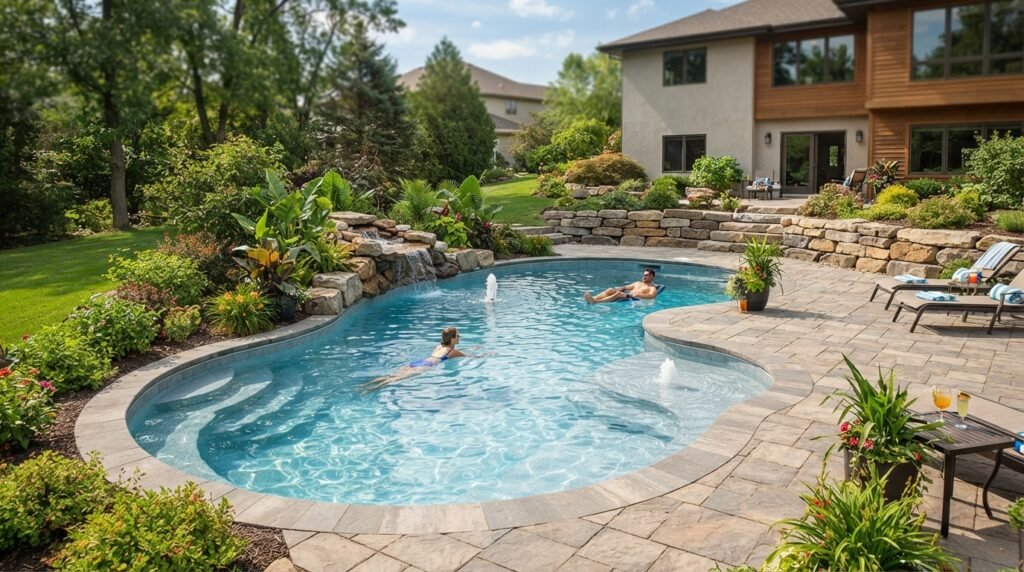
Freeform pools use curved lines instead of strict geometric shapes. Their design can create a softer and more natural backyard appearance. Freeform pools often work well with gardens, stone paths, and natural landscaping. Their curves can also help the pool fit around existing trees or outdoor features. This makes them useful for homeowners who dislike rigid designs. The shape can be customized to suit the property and desired swimming area. However, curves can sometimes make cleaning and covering the pool more complicated. Pool covers may require custom measurements or specialized systems. Landscaping around curved edges also needs careful planning. Freeform pools can include waterfalls, rocks, planting areas, and natural-looking finishes. They are often chosen for relaxed outdoor spaces. If your home has a natural landscape style, this shape may blend beautifully. The right proportions are important for keeping the pool attractive and functional.
Geometric Pools
Geometric pools use clear lines and defined shapes. Rectangles, squares, L-shapes, and other structured designs are common examples. These pools often suit modern homes and contemporary landscapes. Their clean lines can create a neat and organized outdoor appearance. Rectangular pools are also practical for swimming and organized activities. They can make it easier to install automatic covers and certain safety systems. Straight edges may also simplify some cleaning tasks. Geometric designs can be customized with steps, benches, ledges, and different depths. They can also work well beside patios and outdoor kitchens. Choosing between curved and straight designs depends heavily on your home’s architecture. The best pool shape should feel connected to the surrounding space. A good design should also leave enough room for movement and maintenance. Avoid filling the entire backyard with water. Open space remains important for safe and comfortable outdoor living.
Saltwater Pools
Saltwater pools use a salt chlorine generator to help sanitize the water. They still produce chlorine, but the system creates it from dissolved salt. This means saltwater does not mean completely chlorine-free water. Many homeowners like the softer swimming experience associated with these systems. Salt levels are much lower than seawater. Proper chemical balance remains essential for safe and clean pool water. The generator also requires regular inspection and maintenance. Salt can affect certain materials and equipment if the system is poorly managed. You should follow the manufacturer’s maintenance instructions carefully. When comparing types of pools, remember that saltwater describes sanitation. It does not describe the pool’s construction material. A concrete, fiberglass, or vinyl pool can use a saltwater system. This makes saltwater an option that can be combined with other pool designs.
Indoor Pools
Indoor pools are built inside a structure rather than fully outdoors. They can provide swimming access throughout the year in suitable climates. Indoor designs can also offer greater privacy and protection from outdoor weather. However, the building needs proper ventilation and humidity control. Pool water creates moisture that can damage walls and ceilings over time. Good air circulation helps protect the structure and improve comfort. Heating systems may also be needed depending on the desired water temperature. Indoor pools require careful planning before construction begins. Waterproof materials and moisture-resistant surfaces are especially important. Lighting should provide good visibility without creating uncomfortable glare. Safety equipment should also remain easy to access. Among the various types of pools, indoor designs require special attention to the surrounding building. The pool itself is only one part of the project. The room around it must also be designed correctly.
Outdoor Pools
Outdoor pools are the most familiar choice for many homeowners. They can transform a backyard into a space for recreation and relaxation. Outdoor pools can be built using concrete, fiberglass, or vinyl liners. They can also have many different shapes and sizes. Landscaping can make an outdoor pool feel like a natural part of the property. Plants, stone, decking, lighting, and seating can all improve the area. Weather is an important factor when planning an outdoor pool. Leaves, dirt, rain, and sunlight can increase maintenance needs. A quality pool cover can reduce debris and evaporation. Shade structures can also make the area more comfortable during hot weather. Pool placement matters as well. Consider sunlight, wind, privacy, drainage, and access to the house. A thoughtful layout can make everyday pool use much easier.
Natural Swimming Pools
Natural swimming pools combine swimming areas with plant-based filtration zones. They are designed to create a more natural appearance than traditional pools. Some systems use plants and biological filtration to help clean the water. The exact design depends on the filtration method and local conditions. Natural pools can include rocks, plants, shallow regeneration zones, and natural-looking edges. They may appeal to homeowners who want their backyard to feel connected to nature. However, they still require planning and regular care. The filtration area needs enough space to function correctly. Water quality must also be monitored throughout the year. Natural pools can be more complex than they first appear. They require the right balance between design, biology, water movement, and maintenance. If you prefer a garden-like setting, this option may be worth exploring. Professional planning is especially useful for larger natural pool projects.
Choosing the Right Pool Shape
Pool shape affects both appearance and everyday use. A rectangular pool may work well for swimming and modern homes. A curved design may suit gardens and relaxed outdoor spaces. An L-shaped pool can separate swimming and lounging areas. Small plunge pools can fit properties where space is limited. The shape should also leave room around the pool. You need enough space for walking, furniture, cleaning, and safety equipment. Think about how people will enter and exit the water. Steps should be placed where they are convenient and safe. The surrounding patio should also have enough usable space. When comparing types of pools, do not focus only on photographs. A beautiful design may not work well on your property. Measure your yard before choosing a shape. Consider fences, trees, utility lines, drainage, and property boundaries. Good planning helps create a pool that looks good and works well.
Pool Materials and Surface Options
Pool materials affect appearance, maintenance, durability, and installation. Concrete provides excellent flexibility for custom shapes and designs. Fiberglass offers a smooth manufactured surface and faster installation. Vinyl liners provide flexible designs with replaceable interior surfaces. Each material has different strengths and long-term considerations. You should compare the full ownership experience rather than only the installation price. Surface texture is also important because people walk and sit inside the pool. A rough surface may feel uncomfortable on bare feet. A smooth surface may be easier to clean. Finish color can affect how the water appears under different lighting. Tiles and decorative finishes can also create premium visual details. The surrounding deck material matters too. Choose surfaces that provide good traction when wet. A beautiful pool should also be practical and safe for everyday use.
Pool Features Worth Considering
Modern pools can include many optional features. Some homeowners choose built-in steps and tanning ledges. Others prefer waterfalls, fountains, lighting, or heating systems. Automatic pool covers can reduce debris and water evaporation. Smart controls can make it easier to monitor equipment and water conditions. Pool lighting can improve evening visibility and create a relaxing atmosphere. Heating systems can extend the swimming season in cooler weather. A spa section can add another way to enjoy the space. However, every feature increases planning and maintenance requirements. Start with the features that solve real needs. Avoid adding equipment simply because it looks impressive. Think about how often your family will use each feature. A simple pool can still provide an excellent outdoor experience. Good design focuses on comfort, safety, function, and long-term value.
Pool Maintenance and Long-Term Care
Every pool needs regular maintenance, regardless of its design. Water chemistry should be tested and adjusted as needed. Filters need cleaning according to the equipment manufacturer’s instructions. Skimmer baskets should also be checked regularly. Leaves and other debris should not be allowed to build up. Pool surfaces need periodic cleaning to prevent stains and buildup. Equipment should be inspected before major problems develop. Good maintenance can protect the pool and improve water quality. It can also help reduce unexpected repair costs. The amount of work depends on the pool size and surrounding environment. Trees near the pool can increase debris and cleaning needs. Automatic cleaners can reduce some routine work. Professional servicing may be useful for complex equipment. The types of pools you consider should always be evaluated for long-term care. Installation is only the beginning of pool ownership.
Pool Cost and Budget Planning
Pool costs vary widely because every property and design is different. Construction materials, pool size, excavation, labor, equipment, and features all affect the final price. Site conditions can also create unexpected expenses. Difficult access may increase construction time and labor requirements. Drainage improvements may be necessary in some yards. Electrical work and plumbing can also affect the project budget. Homeowners should consider ongoing costs as well. Water treatment, electricity, cleaning, repairs, and replacement parts all matter. A pool cover may require an upfront investment but reduce some ongoing costs. Heating systems can increase energy use depending on the climate. Before comparing types of pools, create a complete budget. Include both installation and future maintenance. Ask contractors for detailed estimates instead of relying on a single total number. Make sure the estimate clearly explains included materials and services.
Pool Safety and Family Protection
Safety should be part of the pool design from the beginning. A secure barrier can help prevent unsupervised access. Gates should close properly and remain difficult for young children to open. Pool alarms and safety covers can provide additional protection. Non-slip surfaces can also reduce the risk of falls around wet areas. Clear visibility is important when adults supervise children. Avoid placing tall objects where they block the view of the pool. Keep rescue equipment in an easy-to-reach location. Children should receive age-appropriate swimming and water safety education. Adults should remain attentive whenever children are near the water. Safety rules should apply even when the pool looks shallow. Different types of pools may require different safety considerations. A professional can help identify suitable barriers and equipment. Local building and safety requirements should also be checked before construction.
How to Choose the Right Pool for Your Home
Choosing a pool starts with understanding how you plan to use it. Do you want exercise, family fun, relaxation, or entertaining space? Your answer can narrow the options quickly. Next, measure the available backyard area. Think about how much space you want to keep for other activities. Then consider your preferred construction material and maintenance routine. Some homeowners prioritize easy cleaning. Others care more about custom shapes and premium finishes. Your climate should also influence the decision. Hot areas may require shade and water-saving strategies. Cooler areas may benefit from pool heating systems. Think about privacy and the surrounding neighborhood as well. A pool should complement your home rather than overwhelm it. Reviewing the types of pools based on your actual needs can prevent costly mistakes. Take your time and compare several professional designs before making a final decision.
Frequently Asked Questions About Pool Designs
What are the main types of pools?
The main types of pools include in-ground, above-ground, concrete, fiberglass, vinyl liner, lap, plunge, infinity, freeform, geometric, indoor, outdoor, and natural swimming pools. Saltwater pools are another category based on their sanitation system. These categories can overlap. For example, a fiberglass pool can also be an outdoor saltwater pool. Your best choice depends on your available space, budget, lifestyle, and maintenance preferences. Consider how you plan to use the pool before focusing on appearance. A family pool may need different features than an exercise pool. A small backyard may also require a compact design. Comparing construction, shape, purpose, and maintenance together gives you a clearer picture.
Which pool is easiest to maintain?
Maintenance depends on the pool material, size, equipment, water system, and surrounding environment. Fiberglass pools are often considered convenient because their smooth surfaces can simplify routine cleaning. However, every pool still needs proper water testing and equipment care. A smaller pool may also require less cleaning than a large one. Automatic cleaners and pool covers can reduce some routine work. Good circulation is equally important because it helps distribute treated water. Trees and nearby plants can increase debris and cleaning needs. Your maintenance routine should match your schedule and experience. If you have limited time, ask a pool professional about automation options. The goal is not to eliminate maintenance completely. Instead, choose a setup that makes regular care manageable for your household.
Are above-ground pools good for small yards?
Above-ground pools can work well in smaller yards when the space is suitable. They are available in various sizes and shapes. They can also avoid some of the extensive excavation required by many in-ground designs. However, the ground must be stable and level. You also need enough room around the pool for safe access and maintenance. Check local rules before installation because fencing and placement requirements may apply. Think about how much space the pool will occupy after adding stairs or decking. A smaller pool may provide enough room for cooling and casual recreation. It may not provide the same swimming space as a large in-ground design. Careful measurements can help you decide whether the available yard is suitable.
Which is better, fiberglass or concrete?
Fiberglass and concrete each offer different benefits. Fiberglass usually provides a smooth manufactured surface and a relatively quick installation process. Concrete offers greater flexibility for custom shapes, depths, and unusual designs. Fiberglass options are limited to available shell shapes and sizes. Concrete can be built to suit more complex layouts. Maintenance needs can also differ between the two materials. Concrete surfaces may require more regular attention over time. Fiberglass surfaces are generally smooth and nonporous. The right choice depends on your priorities, property, design goals, and budget. Consider the complete ownership experience rather than choosing only from the initial installation price. A qualified pool contractor can explain how each option would perform on your property.
Are saltwater pools completely chlorine-free?
No, saltwater pools are not chlorine-free. They use a salt chlorine generator to produce chlorine from dissolved salt. The generator helps sanitize the pool water automatically. The salt concentration is much lower than seawater. Many swimmers prefer the feel of properly maintained saltwater systems. However, water chemistry still needs regular testing. The generator also needs maintenance to operate correctly. Salt can affect some pool components if water chemistry is poorly managed. This means a saltwater system is not maintenance-free. It simply uses a different method to produce chlorine. Homeowners should understand the system before choosing it. Proper installation, testing, and equipment care are essential for reliable operation.
What should I consider before building a pool?
Start by considering your available space and intended use. Then review your budget, preferred material, pool shape, and maintenance expectations. Check local building requirements before starting construction. Property access can also affect the installation process. Think about drainage, electrical connections, fencing, landscaping, and equipment placement. You should also consider future maintenance costs. Pool covers, cleaning equipment, filters, pumps, and heating systems may affect long-term expenses. Family safety should remain a central part of the design. Consider how children and guests will use the space. When reviewing types of pools, focus on practical needs before decorative features. A well-planned pool should fit your lifestyle and property. Getting several professional opinions can also help you identify potential problems early.
Final Thoughts
A swimming pool can become one of the most enjoyable parts of your home. However, the right design depends on much more than appearance. You need to consider space, construction, maintenance, safety, budget, and lifestyle. The best types of pools for your property should match how you actually plan to use the water. A lap pool may suit an active swimmer. A plunge pool may fit a compact backyard. A fiberglass pool may appeal to someone seeking simpler routine care. A custom concrete design may suit homeowners who want unique features. Take time to compare your options and understand their long-term needs. Measure your space and create a realistic budget before starting. Speak with qualified pool professionals about your property and local requirements. With thoughtful planning, you can create a pool area that feels comfortable, useful, and enjoyable for years to come.