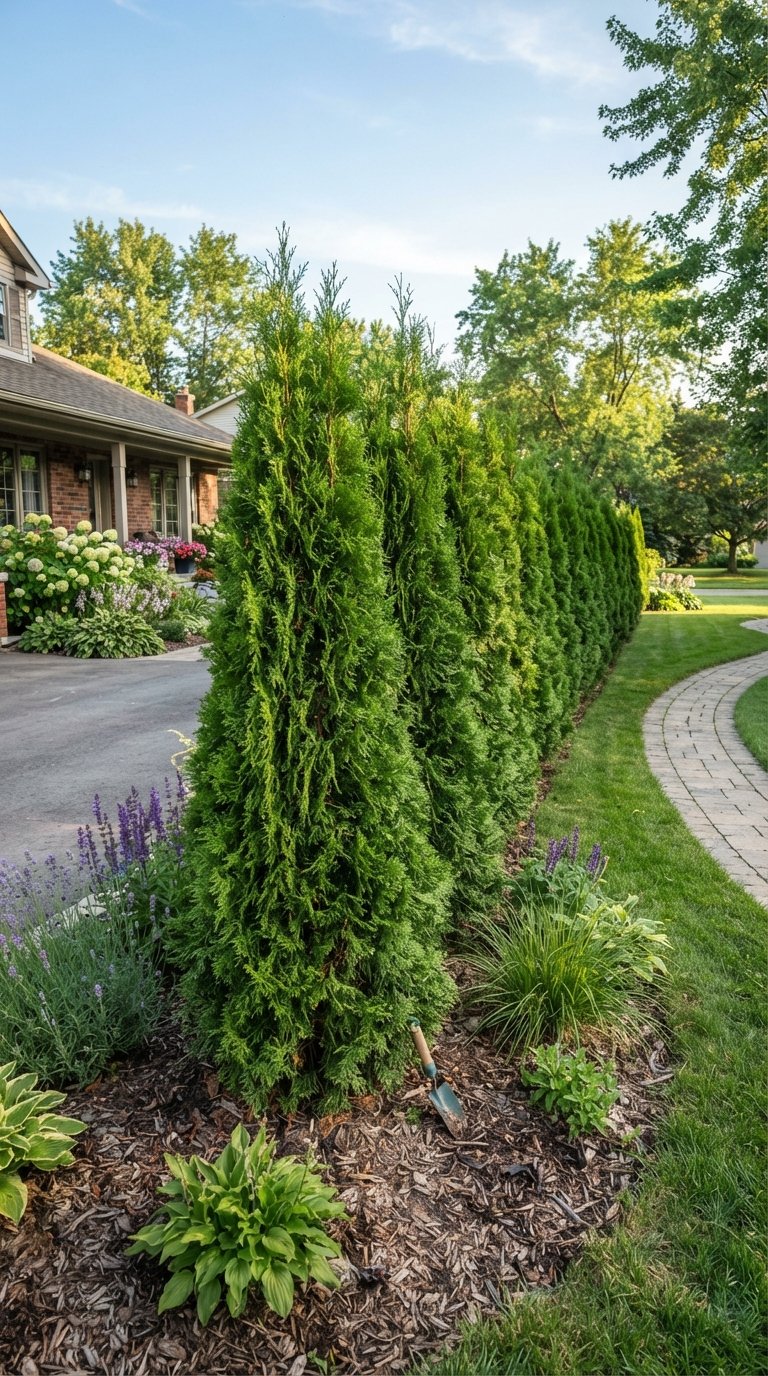
The emerald green arborvitae is a popular evergreen shrub for gardens and landscapes. Its rich green color stays attractive throughout the year. Its narrow shape also makes it useful for privacy screens and property borders. Unlike some fast-growing evergreens, this plant keeps a neat and tidy form. It can create a natural wall without taking over too much space. Many homeowners choose it because it needs less shaping than wider shrubs. It can also work well around homes, driveways, patios, and fences. However, good planting and regular care are still important. The right location can help the plant develop strong roots and dense foliage. Poor watering or unsuitable soil can cause problems later. This guide explains how to grow and care for this evergreen successfully. You will learn about sunlight, soil, watering, pruning, spacing, fertilizing, pests, diseases, and winter care. You will also learn how to avoid common planting mistakes.
What Is Emerald Green Arborvitae?
The emerald green arborvitae is an evergreen conifer valued for its dense foliage and upright growth. Its botanical name is Thuja occidentalis ‘Smaragd’. The plant is also commonly called Emerald Green Thuja. It belongs to the cypress family and produces soft, scale-like green foliage. The foliage stays green during winter in suitable growing conditions. This makes the plant useful when you want year-round structure in your garden. Its natural shape is narrow and slightly pyramidal. It usually grows much taller than it becomes wide. This growth pattern makes it useful for narrow planting spaces. It can also provide privacy without requiring a large amount of horizontal space. Young plants often look small after planting, but they become more impressive with time. Growth speed depends on climate, soil, water, sunlight, and overall care. Healthy plants can develop into attractive landscape screens when given enough room.
Why Is Emerald Green Arborvitae So Popular?
The emerald green arborvitae has become a favorite for many residential landscapes. One reason is its strong evergreen appearance. The foliage creates a consistent green backdrop throughout the seasons. Another advantage is its naturally narrow growth habit. This makes it easier to use beside homes and property lines. Homeowners also like its usefulness as a privacy plant. Several plants can be arranged in a row to create a living screen. The plant can also help soften fences, walls, and other hard landscape features. Its neat form often requires less pruning than many other hedge plants. It works well in formal gardens but can also fit casual landscapes. Another benefit is its versatility. It can be used as a specimen plant, hedge, screen, or foundation planting. However, popularity does not mean every location is suitable. Proper sunlight, soil, spacing, and moisture remain important for healthy growth.
How Big Does Emerald Green Arborvitae Get?
Size is one of the most important details to understand before planting. The emerald green arborvitae has a naturally narrow, upright form. Mature size can vary depending on growing conditions and local climate. Many plants eventually reach around 10 to 15 feet tall. Some may grow taller when conditions are especially favorable. Width is often around 3 to 4 feet at maturity. The exact size depends on the plant’s age, soil, sunlight, and care. Nursery plants are usually much smaller when purchased. This can make it tempting to plant them too close together. That decision can create problems as the plants mature. Always plan for the mature size instead of the current container size. This helps prevent overcrowding and poor airflow. It also reduces the need for aggressive pruning later. Check the expected mature size of the specific cultivar before planting. Local growing conditions can affect the final dimensions.
Choosing the Right Planting Location
Location can determine how well an evergreen performs for many years. Choose a site that receives plenty of sunlight each day. The emerald green arborvitae generally performs best in full sun to partial shade. More sunlight often supports denser and stronger growth. A location with some afternoon shade can help in very hot climates. Avoid areas where water remains around the roots for long periods. Poor drainage can create root problems and weaken the plant. Consider nearby buildings, fences, sidewalks, and utility lines before planting. The mature width needs enough space to develop naturally. Avoid planting directly against a wall unless the spacing is suitable. Good airflow around the foliage can also reduce moisture-related problems. Think about how the plants will look after several years. A row that looks sparse today may become a dense screen later. Planning ahead is much easier than moving mature evergreen plants.
Best Soil for Emerald Green Arborvitae
Healthy soil provides the foundation for strong root development. The emerald green arborvitae can grow in different soil conditions when drainage is good. However, it generally prefers fertile soil with reasonable moisture and good drainage. Heavy clay can create problems when water cannot drain properly. Sandy soil may drain too quickly and require more frequent watering. Adding suitable organic matter can improve some poor soil conditions. Compost can help improve soil structure when used correctly. However, avoid filling the planting hole with rich soil that differs greatly from the surrounding ground. Roots need to grow naturally into the native soil. A major difference between the hole and surrounding soil can sometimes restrict water movement. Before planting, inspect the soil and drainage carefully. A simple soil test can also provide useful information. Testing can identify pH and nutrient issues that may affect plant growth. Improving the soil before planting is usually easier than fixing problems later.
How to Plant Emerald Green Arborvitae
Planting correctly gives the roots a strong start. Begin by digging a hole that is wider than the plant’s root ball. The hole should not be unnecessarily deep. The top of the root ball should sit level with or slightly above the surrounding soil. Never bury the trunk or main stem too deeply. Carefully remove the plant from its container without damaging the root system. Gently loosen tightly circling roots when necessary. Place the plant upright in the center of the hole. Check its position from several directions before filling the hole. Use the original soil around the roots and press it gently. Avoid packing the soil too tightly. Water thoroughly after planting to remove large air pockets. Apply a layer of mulch around the root area afterward. Keep mulch away from direct contact with the trunk. Proper planting reduces early stress and helps the roots establish naturally. Give newly planted trees extra attention during their first growing season.
Proper Spacing for Privacy Screens
Spacing is extremely important when planting arborvitae as a screen. Many homeowners want immediate privacy and plant trees too close together. This can create overcrowding as the plants mature. The emerald green arborvitae naturally develops a narrow shape, but each plant still needs room. The correct spacing depends on the desired final appearance. Plants can be spaced farther apart for individual specimen planting. Closer spacing can create a denser privacy hedge. However, placing plants directly against each other can reduce airflow. Crowded roots may also compete for water and nutrients. Measure the mature width before deciding on spacing. Consider how quickly you want the screen to become visually connected. A slightly wider spacing may require patience but can support healthier growth. A professional nursery or landscape designer can help calculate suitable distances. Always consider the mature plant rather than the small nursery size. Good spacing can make the entire row healthier and easier to maintain.
Watering Requirements
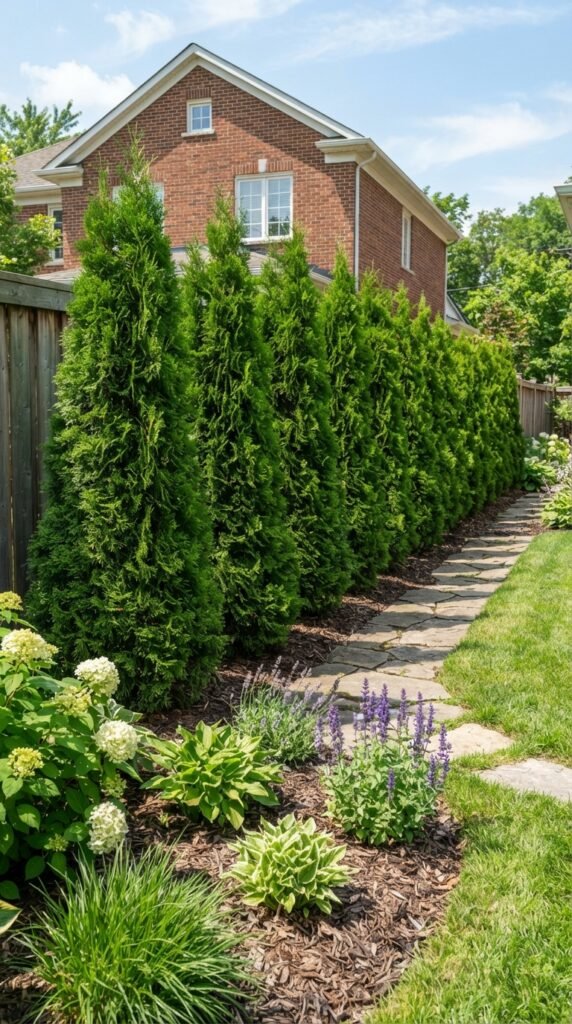
Watering is especially important during the establishment period. Newly planted arborvitae need consistent moisture while their roots grow into surrounding soil. The emerald green arborvitae should not be left extremely dry for long periods. At the same time, constantly wet soil can cause serious root problems. Check soil moisture before adding more water. Push a finger into the soil or use another simple moisture check. Water deeply rather than giving the plant a tiny amount every day. Deep watering encourages roots to move farther into the soil. The exact frequency depends on temperature, rainfall, soil type, and plant size. Hot and dry weather may increase watering needs. Established plants generally become more tolerant once their roots are well developed. However, they can still suffer during long periods of drought. Watch for signs of stress such as dull foliage or browning tips. Adjust your watering routine based on actual soil conditions.
Sunlight Needs and Growth
Sunlight plays a major role in evergreen growth and foliage density. The emerald green arborvitae generally prefers full sun or partial shade. Several hours of direct sunlight can support strong, dense foliage. Plants growing in too much shade may become thinner. Their shape may also become less compact. However, intense heat can create additional stress in some climates. Afternoon shade can sometimes help plants in extremely hot locations. The best balance depends on local weather and the planting site. Observe sunlight patterns before choosing the final location. Buildings and fences can create unexpected shade during different parts of the day. Nearby trees may also grow and change the amount of sunlight available. Remember that the site can change over time. A location that receives full sun today may become shaded as surrounding trees mature. Good planning considers both current and future sunlight conditions.
Fertilizing Emerald Green Arborvitae
Fertilizer can support healthy growth when the soil lacks essential nutrients. However, more fertilizer does not always mean better growth. Excess fertilizer can damage roots and create weak or uneven growth. A soil test can help determine whether additional nutrients are actually needed. Healthy plants growing in suitable soil may need little supplemental fertilizer. If fertilizer is recommended, choose a product designed for evergreen shrubs or trees. Follow the package instructions carefully. Avoid applying excessive amounts around the root zone. Fertilizer should not replace proper watering or good soil management. Newly planted trees may also need time to establish before receiving heavy feeding. Strong root development should be the first priority. Organic matter can also improve the overall soil environment. Keep fertilizer away from direct contact with the trunk. Water the area according to product directions after applying granular products. A careful approach protects the plant while supporting steady growth.
Pruning and Maintaining Shape
One reason homeowners like this plant is its naturally neat form. Regular heavy pruning is usually not required when it has enough space. The emerald green arborvitae can maintain a narrow, upright appearance naturally. Light pruning can remove damaged, dead, or unwanted branches. It can also help maintain a specific hedge shape when necessary. Avoid cutting deeply into old, bare wood. Evergreen plants may not always produce new growth from areas without foliage. Heavy cuts can therefore leave permanent bare patches. Use clean, sharp pruning tools for smaller branches. Remove damaged growth during suitable weather rather than during extreme heat. If you are creating a formal hedge, trim lightly and consistently. Do not remove large amounts of foliage at once. Always consider the plant’s natural shape before making major cuts. Good pruning should improve the plant’s structure rather than fight against it. When properly spaced, these trees often need surprisingly little shaping.
Mulching Around the Root Zone
Mulch can provide several useful benefits around newly planted evergreens. It helps reduce moisture loss from the soil surface. It can also moderate soil temperature during hot and cold weather. Organic mulch may slowly contribute material to the soil as it breaks down. Apply mulch in a broad layer around the root zone. Avoid creating a tall mound against the trunk. This common mistake can keep the trunk too wet and encourage decay. Leave a small open space around the base of the plant. Mulch should also be kept away from direct contact with stems. Refresh the layer when it becomes thin or breaks down. Do not create an excessively thick layer. Thick mulch can reduce air movement and cause other problems. Wood chips, bark, or other suitable organic materials can work well. Proper mulching is simple, but it can make routine plant care easier. It is especially helpful during the first few growing seasons.
Common Pests That Affect Arborvitae
Arborvitae can experience several pest problems depending on local conditions. Spider mites, bagworms, scale insects, and other pests may occasionally appear. Early detection makes many pest problems easier to manage. Inspect the foliage regularly, especially during stressful weather. Look for unusual discoloration, webbing, insects, or damaged foliage. Do not immediately assume every brown branch means an insect infestation. Environmental stress can cause similar symptoms. Check watering, sunlight, soil drainage, and recent weather first. If insects are present, identify them before choosing a treatment. Different pests require different control methods. Avoid spraying chemicals without knowing what problem you are treating. Beneficial insects can also play an important role in garden health. Strong plants are often better able to tolerate minor pest pressure. Good spacing and airflow can further support plant health. If the infestation is severe, a qualified local plant professional can help identify the cause.
Diseases and Browning Problems
Browning foliage can worry homeowners, but several different issues can cause it. Water stress is one common possibility. Plants may brown after drought, heat, winter exposure, or root problems. Poor drainage can also weaken roots and cause foliage decline. Fungal diseases may affect stressed plants under suitable conditions. Crowded plants can have reduced airflow around wet foliage. This can create a more favorable environment for certain diseases. Inspect the pattern of browning carefully before taking action. Browning on one small branch may have a different cause than widespread discoloration. Check the soil moisture and drainage first. Look for visible pests or unusual growth on the foliage. Avoid removing large sections of the plant without understanding the problem. Severely damaged branches can be removed when appropriate. Good watering practices and proper spacing can help prevent many stress-related problems. If symptoms continue or spread quickly, professional diagnosis can save time and prevent further damage.
Winter Care for Emerald Green Arborvitae
Evergreen plants remain exposed to winter conditions because they keep their foliage. Cold temperatures, drying winds, and frozen soil can create stress. The emerald green arborvitae can tolerate winter conditions when planted in a suitable climate. However, young plants may need extra attention. Water the root zone thoroughly before the ground freezes when conditions allow. This can help prevent winter dehydration. Mulch can also protect the root area from rapid temperature changes. Avoid heavy pruning just before winter. Fresh cuts can increase stress and leave the plant more vulnerable. Strong winter winds may also dry evergreen foliage. A sheltered planting location can reduce exposure. Some situations may require temporary protection for young plants. Avoid wrapping plants tightly in materials that restrict airflow. Remove temporary protection when conditions improve. Winter damage can sometimes become visible later in the season. Patience is important before removing branches that appear damaged.
Can Emerald Green Arborvitae Grow in Containers?
Growing an arborvitae in a container is possible, but it requires more attention. Containers provide less root space than open ground. They also dry out faster during warm weather. The emerald green arborvitae can work in a large container when the plant size remains manageable. Choose a strong container with drainage holes. Avoid containers that are too small for the root system. Use a quality growing medium that drains well. Container plants usually need more frequent watering than landscape plants. However, standing water should never remain around the roots. Container plants may also need protection during very cold weather. Roots in containers have less insulation than roots planted directly in the ground. As the plant grows, it may eventually need a larger container. For permanent privacy screens, planting directly in the ground is usually more practical. Containers are better suited for patios, entrances, balconies, and other limited spaces.
Using Arborvitae for Privacy
Privacy is one of the most popular reasons homeowners plant arborvitae. A row of narrow evergreen trees can create a natural visual barrier. The emerald green arborvitae is especially useful where space is limited. Its upright growth allows a privacy screen without creating a very wide hedge. Plant height should match the privacy problem you are trying to solve. For example, a low screen may be enough near a patio. A taller screen may be needed along a property boundary. Think about privacy at different heights and angles. Nearby buildings can affect how much screening you actually need. Proper spacing remains important for long-term health. Avoid planting a dense row without considering airflow. Water competition can also become stronger when plants are placed too closely. A healthy screen should look dense while still allowing each plant enough room. Good planning creates a privacy solution that remains attractive for many years.
Using Arborvitae in Landscape Design
Arborvitae can play many roles beyond privacy screening. Individual plants can add vertical structure near entrances or garden beds. Rows can define pathways or separate sections of a yard. Their evergreen foliage provides color during seasons when many other plants lose leaves. They can also create a simple background for flowering shrubs. Combining them with plants of different textures can make the landscape more interesting. Avoid planting every tree in a perfectly straight row unless that style suits your home. Curved planting arrangements can create a softer appearance. Formal landscapes may benefit from consistent spacing and matching heights. Informal gardens can combine evergreen trees with shrubs and perennials. Consider mature plant size when planning the entire bed. Small companion plants may become hidden as the arborvitae grows. Leave enough room for mowing, trimming, watering, and other maintenance. A good landscape design considers how every plant will look several years later.
Common Growing Mistakes to Avoid
Several simple mistakes can reduce the performance of an evergreen screen. Planting too deeply is one of the most common problems. Poor drainage can create another serious issue. Overwatering may be just as harmful as underwatering. Planting trees too close together can lead to overcrowding later. Excessive pruning can damage the natural form. Heavy fertilizer applications can also stress the roots. Another mistake is ignoring winter watering in dry climates. Evergreen foliage continues losing moisture even during colder months. Newly planted trees need special attention during their establishment period. Homeowners should also avoid choosing a location based only on appearance. A beautiful spot may have poor drainage or insufficient sunlight. Always inspect the soil and sunlight before planting. Plan for mature height and width rather than the current nursery size. These simple steps can prevent many problems and reduce future maintenance.
How Long Does Emerald Green Arborvitae Take to Grow?
Growth speed depends on the plant’s age, climate, soil, water, sunlight, and general care. Young plants may appear to grow slowly while their root systems become established. Growth can become more noticeable after the roots settle into the surrounding soil. Healthy plants often produce steady annual growth under favorable conditions. However, exact growth rates can vary from one landscape to another. Do not expect a small nursery plant to become a tall privacy screen immediately. Patience is an important part of landscape planning. Buying larger plants can provide faster visual results but usually costs more. Smaller plants can be more affordable and may establish well. Good soil preparation and proper watering can support healthy development. Avoid forcing rapid growth with excessive fertilizer. Strong, balanced growth is more valuable than sudden growth. When planting a row, remember that the plants will eventually fill the space naturally.
Frequently Asked Questions About Emerald Green Arborvitae
How fast does emerald green arborvitae grow?
The growth rate can vary based on climate, soil, sunlight, moisture, and plant age. Young plants often spend time developing their root systems before showing strong top growth. Under favorable conditions, established plants can produce steady annual growth. Good sunlight and consistent moisture can support healthy development. However, excessive fertilizer should not be used to force faster growth. It can create weak growth and damage the roots. The best approach is to provide suitable soil and proper watering. Allow the plant to develop at a natural pace. If you need privacy quickly, consider purchasing larger established plants. Smaller plants can be less expensive and may eventually reach the same mature size. Patience and consistent care usually produce the best long-term results.
Does emerald green arborvitae need full sun?
The plant generally performs well in full sun to partial shade. Several hours of direct sunlight can help maintain dense foliage. Too much shade may cause thinner or less compact growth. However, very hot climates can create additional stress. Some afternoon shade may be helpful in extremely hot locations. Check how sunlight moves across your property during the day. Buildings and fences can create shade at different times. Nearby trees can also change the light available as they grow. Choose a location that provides enough light without exposing the plant to unnecessary stress. Good soil and proper watering also influence how the plant handles sunlight. If your site has limited light, consider whether another evergreen would perform better.
How far apart should emerald green arborvitae be planted?
Spacing depends on whether you want individual specimens or a privacy screen. You should always consider the plant’s expected mature width. Planting too close together can cause overcrowding and poor airflow. Wider spacing may take longer to create a solid visual screen. However, it can support healthier plants over the long term. Measure the planting area before purchasing your trees. Consider nearby fences, buildings, walkways, and other plants. Avoid making decisions based only on the size of nursery containers. Those young plants will become much larger over time. For a formal screen, consistent spacing usually creates the cleanest appearance. If you are unsure, ask a local nursery or landscape professional. They can recommend spacing based on your climate and desired final height.
Can emerald green arborvitae turn brown?
Yes, browning can occur for several reasons. Drought, winter stress, poor drainage, pests, and disease can all cause discoloration. Browning does not automatically mean the plant is dying. Start by checking soil moisture and drainage. Look closely for insects or unusual marks on the foliage. Consider recent weather conditions as well. Winter wind can dry evergreen foliage, while summer heat can increase water loss. Crowded plants may also experience more stress. Avoid immediately cutting away large amounts of foliage. First determine what caused the problem. Damaged branches can sometimes be removed after the cause is understood. If browning spreads quickly, professional diagnosis may be helpful. Early action can improve the chance of saving stressed plants.
Can emerald green arborvitae grow in shade?
The plant can tolerate partial shade, but strong sunlight usually supports better density. Heavy shade may cause thinner growth and a less attractive form. The amount of shade also depends on climate and surrounding conditions. A location with morning sun and some afternoon shade may work well in hot areas. Deep shade is generally less suitable. Before planting, observe the site during different parts of the day. Consider how nearby trees may affect sunlight in the future. If the location receives very little direct light, another plant may be a better choice. Good soil and water cannot fully replace adequate sunlight. Choose plants that naturally match the conditions of your yard. This usually creates healthier landscapes with less maintenance.
Is emerald green arborvitae good for privacy?
Yes, it can be an excellent privacy plant when properly placed. Its narrow upright shape makes it useful for areas with limited width. Evergreen foliage provides screening throughout much of the year. Several plants can be arranged in a row to create a natural visual barrier. Proper spacing is essential for long-term health. Plants that are packed too closely may compete for resources and develop airflow problems. Consider the mature size before planting. You should also think about how tall the privacy screen needs to be. A patio may need less height than a property boundary. Good watering and sunlight can help the screen become dense. With thoughtful planning, arborvitae can create an attractive and useful privacy feature.
Final Thoughts
The emerald green arborvitae is a versatile evergreen that can add beauty, structure, and privacy to many landscapes. Its narrow shape makes it especially useful for smaller planting spaces. Its year-round foliage also provides consistent color and visual interest. However, successful growth depends on proper planting and ongoing care. Choose a location with suitable sunlight and good drainage. Give each plant enough space to reach its mature size. Water carefully during establishment and periods of drought. Use mulch correctly and avoid excessive fertilizer. Prune lightly when needed instead of cutting deeply into old wood. Watch regularly for pests, disease, winter stress, and signs of poor watering. Most importantly, plan for the future rather than the size of the plant today. A well-planned planting can become a beautiful part of your landscape for many years. With patience and consistent care, these evergreen trees can create a healthy, attractive, and lasting garden feature.