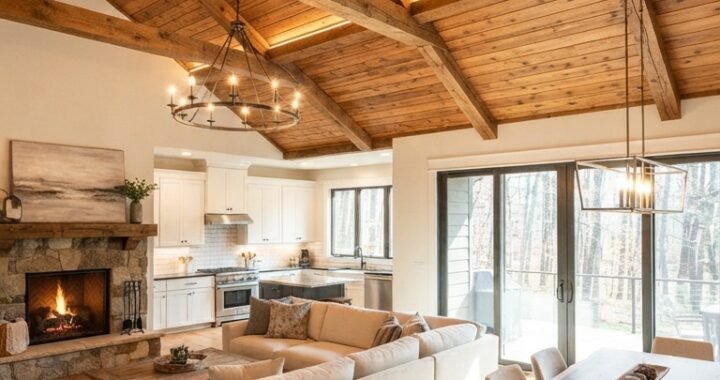
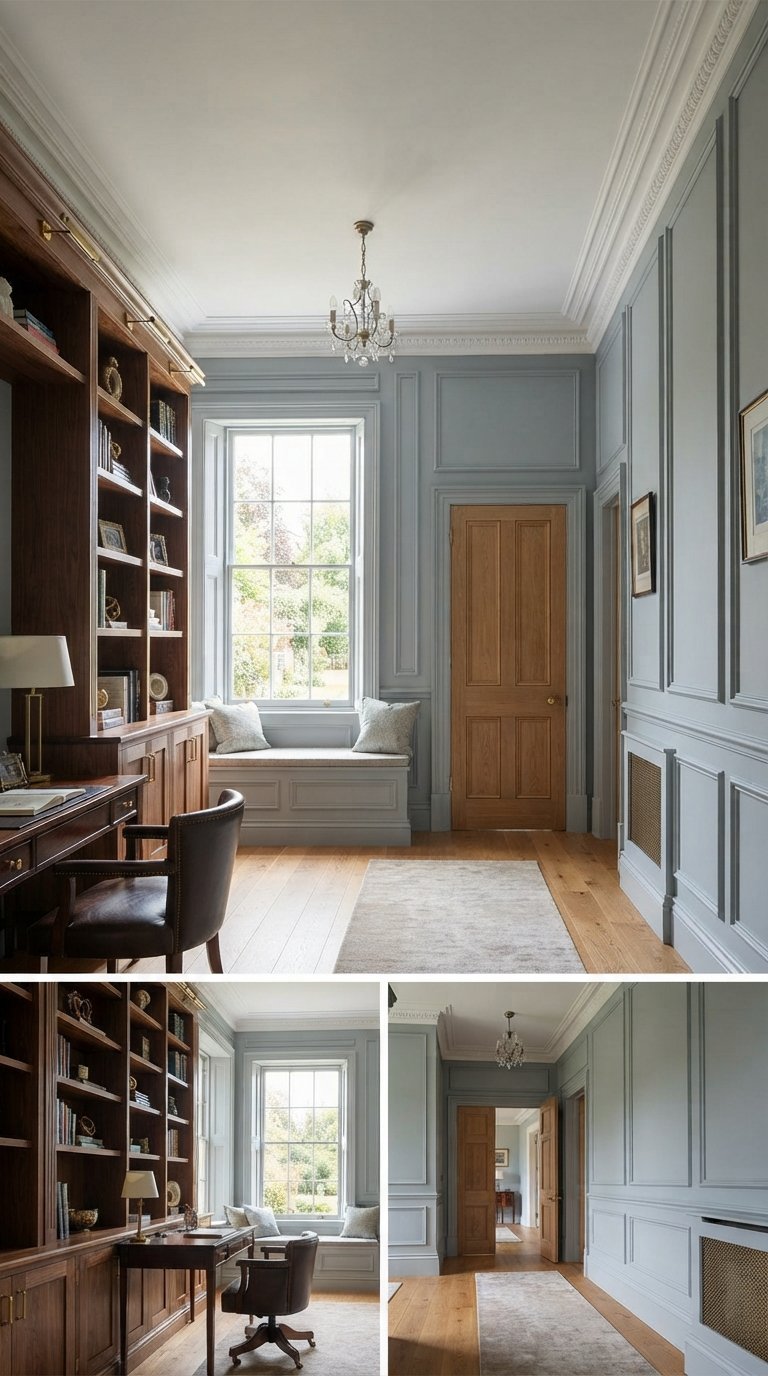
When people walk into a well-designed home, they often notice the walls and furniture first. However, smaller details can have an even bigger effect on the overall look. Trim, doors, cabinets, moldings, wall panels, and decorative woodwork can make a room feel complete. These details are often connected to millwork. But what is millwork, and why is it important in modern buildings? Millwork refers to wood products made in a workshop or mill for use in buildings. Traditional millwork was mostly made from solid wood. Modern millwork can also include engineered wood and other manufactured materials. It can be simple, practical, decorative, or highly detailed. Millwork appears in homes, offices, hotels, restaurants, stores, and historic buildings. It can improve both appearance and function. This guide explains millwork in simple terms. You will learn about its types, materials, uses, benefits, costs, installation, and maintenance.
What Is Millwork?
So, what is millwork in simple terms? Millwork is woodwork that is produced in a specialized shop or mill. The finished pieces are designed for use inside or around a building. Common examples include doors, window trim, baseboards, crown molding, wall panels, cabinets, and built-in furniture. Millwork can be made from solid wood, plywood, MDF, or other engineered materials. Some projects use a combination of materials for better strength and appearance. Modern manufacturing also allows millwork to be cut with highly accurate machines. This makes it possible to create detailed designs with consistent measurements. Millwork can be produced for a specific room or an entire building. Custom pieces can match a particular architectural style. Standard pieces are also available for simpler projects. The main idea is that millwork combines woodworking skills with building design. It creates finished components that become part of a property’s structure and interior.
Why Is Millwork Important in Interior Design?
Millwork can make an ordinary room feel more complete and carefully designed. It adds shape, texture, warmth, and visual detail to plain surfaces. Baseboards can create a clean transition between walls and floors. Crown molding can add detail where walls meet ceilings. Built-in cabinets can provide storage without wasting valuable floor space. Wall paneling can also create depth and character in a large room. Designers often use millwork to connect different parts of a space. For example, cabinet finishes can match door trim or wall panels. This creates a consistent visual style throughout the property. Millwork can also reflect the architectural period of a building. Traditional homes may use detailed molding and raised panels. Modern homes may use flat panels and simple lines. Good millwork should support the room rather than overwhelm it. The best designs balance beauty, function, scale, and the needs of the people using the space.
What Is the Difference Between Millwork and Carpentry?
Millwork and carpentry are closely related, but they are not exactly the same. Carpentry is a broad trade that includes many types of wood construction. Carpenters may build roofs, frames, stairs, walls, cabinets, and other structures. Millwork usually refers to finished wood components produced in a workshop or mill. A millwork shop can create parts with exact measurements before they reach the building site. These pieces may then be installed by finish carpenters. This approach can improve consistency and reduce some on-site cutting. Carpentry often involves building or fitting components directly at the property. Millwork focuses more on manufactured wood elements and finished architectural details. However, the two areas overlap in many projects. A carpenter may build custom pieces that could also be described as millwork. The terminology can vary between regions and construction companies. Understanding this difference helps when discussing renovation or construction plans with professionals.
Types of Millwork Used in Homes
Residential millwork comes in many forms. Baseboards are among the most common because they protect the lower part of walls. Door and window casings create finished borders around openings. Crown molding adds detail along the ceiling line. Wainscoting and wall panels can create decorative patterns on large surfaces. Built-in bookcases and entertainment centers combine storage with architectural design. Custom cabinets are another important type of residential millwork. Stair parts, such as handrails and decorative elements, can also involve detailed woodworking. Some homes use simple, modern profiles with very little decoration. Others use traditional designs with carved details and layered molding. The right choice depends on the property’s architecture and the homeowner’s taste. Good proportions are especially important in smaller rooms. Oversized molding can make a small space feel crowded. Simple millwork can often create a cleaner appearance while still adding character. The goal should always be to create useful and attractive details.
Doors and Window Millwork
Doors and windows often become stronger design features when surrounded by quality millwork. Door casing can hide gaps between the door frame and wall. It also creates a finished appearance around the opening. Interior doors can include raised panels, flat panels, glass sections, or decorative profiles. Window trim serves a similar purpose around windows. It can include side casings, headers, stools, aprons, and other details. These pieces can be simple or highly decorative. Custom window seats can also combine seating with storage. In older homes, detailed window and door millwork can be an important architectural feature. Restoring these details can help preserve the building’s original character. In newer homes, simpler trim can create a clean modern appearance. Material choice matters because doors and trim experience regular contact and use. Strong finishes can protect the wood from scratches and daily wear. Proper measurements are also essential for clean joints and professional results.
Cabinets and Built-In Millwork
Cabinetry is one of the most useful forms of architectural millwork. Custom cabinets can be designed around the exact dimensions of a room. This is especially helpful when walls have unusual angles or limited space. Built-in storage can also reduce clutter and make rooms easier to organize. Kitchens commonly use custom cabinets for storage and food preparation. Bathrooms can use built-in vanities and linen storage. Offices may use integrated desks, shelves, and filing areas. Living rooms can feature built-in bookcases or media cabinets. A major advantage is that the design can match the rest of the room. Cabinet doors, hardware, colors, and wood finishes can all be coordinated. Good millwork design also considers how people will use the storage. Shelves should be placed at practical heights. Drawers should have enough space for their intended items. Custom storage is most successful when appearance and daily function are planned together.
Wall Paneling and Decorative Millwork
Wall paneling can completely change the character of a room. It can add texture to large empty walls and create a stronger architectural identity. Traditional paneling often uses raised or recessed sections. Modern designs may use simple vertical strips or flat panels. Wainscoting is another popular option. It usually covers the lower portion of a wall and can protect surfaces from everyday damage. Decorative wall molding can create geometric patterns without covering the entire wall. This approach works well when homeowners want architectural detail without major construction. Wood paneling can also improve the visual warmth of offices, dining rooms, libraries, and bedrooms. The scale of the pattern should match the room. Small rooms often benefit from simpler designs. Large rooms can usually support larger panels and stronger details. Paint color can further change the appearance of the millwork. A single color creates a subtle look, while contrasting colors make the details stand out.
Common Materials Used for Millwork
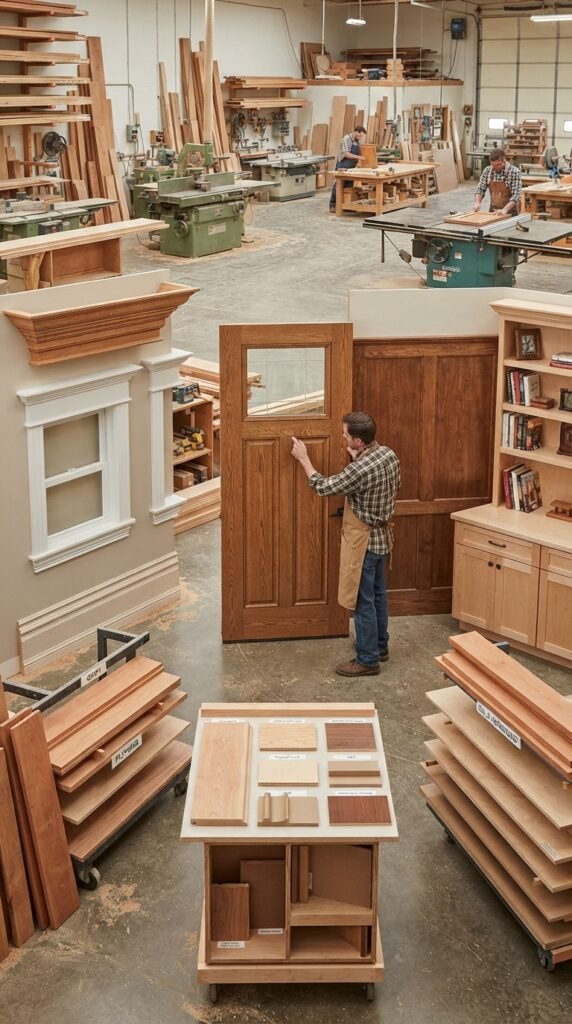
Traditional millwork was strongly associated with natural wood. Popular species include oak, maple, cherry, walnut, pine, and poplar. Each wood has different grain patterns, colors, hardness, and price levels. Hardwood is often selected for high-quality visible components. Softwood can be useful for trim and other applications. Modern millwork also uses engineered materials. MDF is common for painted trim because it has a smooth surface. Plywood can provide strength for cabinets and built-in structures. Veneers can create the appearance of natural wood over a stable core material. The best material depends on the project’s location and purpose. Moisture-prone areas may require specially selected products. High-traffic areas may need durable surfaces and finishes. Cost also plays an important role. A premium hardwood can cost much more than a painted engineered product. Good design does not always require the most expensive material. The material should match the project’s performance needs and visual goals.
What Is Custom Millwork?
What is millwork when a project requires something that cannot be purchased as a standard product? This is where custom millwork becomes useful. Custom millwork is designed and produced specifically for a particular building or room. Measurements can be taken from the actual space before production begins. Designers can then create components that fit those dimensions. Custom work is common in luxury homes, restaurants, hotels, offices, and historic properties. It is also useful when standard cabinets or trim cannot solve a particular design problem. Custom pieces can include unusual curves, detailed profiles, special storage systems, and matching architectural elements. The process usually begins with measurements and design drawings. The client then reviews materials, finishes, hardware, and details. Once approved, the pieces are manufactured and prepared for installation. Custom work generally costs more than standard products. However, it can provide a much better fit and a more unified appearance.
What Is Architectural Millwork?
Architectural millwork is a more specialized form of finished woodworking. It is designed to become an important part of a building’s architecture. Architectural millwork can include wall systems, reception desks, doors, paneling, counters, built-in furniture, and decorative features. It is common in commercial buildings and high-end residential projects. Architects and designers often specify exact materials, dimensions, profiles, and finishes. The goal is to make the woodwork fit the larger architectural concept. Architectural millwork can also include complex details that require advanced manufacturing. Computer-controlled cutting equipment can produce highly accurate components. Skilled craftspeople may then complete sanding, assembly, finishing, and installation. This type of work requires careful coordination between designers, builders, and installers. Measurements must be accurate because mistakes can affect several connected components. Good architectural millwork combines technical precision with craftsmanship. It can turn a functional building element into a major visual feature.
Millwork in Commercial Buildings
Commercial spaces use millwork for both appearance and practical purposes. Hotels may use custom reception desks, wall panels, doors, and built-in furniture. Restaurants often use millwork for bars, booths, counters, and decorative walls. Offices may include reception areas, conference rooms, storage systems, and executive furniture. Retail stores can use custom displays and shelving to present products. Commercial millwork must usually withstand heavier use than residential products. Materials and finishes should therefore be selected with durability in mind. Cleaning requirements are also important in public spaces. A restaurant, for example, may need surfaces that are easy to clean. Hotels may need finishes that can handle constant guest contact. Commercial projects also have strict installation schedules. Delays can affect other construction work and opening dates. Good planning is therefore essential. Professional millwork companies often coordinate production with architects, contractors, and interior designers.
How Millwork Is Designed and Manufactured
The millwork process begins with a design concept. Measurements are then collected from the building or construction drawings. Designers create detailed drawings showing dimensions, materials, joints, hardware, and finishes. Modern shops may use computer-aided design software for greater accuracy. Cutting machines can then shape panels, boards, and profiles according to the approved drawings. Edges may be routed, sanded, or shaped to create the required profile. Pieces are often assembled before finishing when the design requires it. The finish may include paint, stain, clear coating, or another protective treatment. Quality checks are performed before the components leave the shop. This can reduce problems during installation. The finished pieces are then transported to the building site. Installers carefully position and secure each component. Custom millwork often requires several trades to coordinate their work. Good communication throughout the process helps prevent costly changes later.
What Is the Difference Between Millwork and Casework?
What is millwork compared with casework? The two terms are sometimes confused because both can describe built-in wood products. Casework generally refers to box-shaped storage units such as cabinets, shelving, and counters. These units are often manufactured in standard sizes or modular sections. Millwork is usually associated with more customized architectural wood components. However, the exact definitions can vary between industries. A custom built-in cabinet could reasonably be described as both casework and millwork. The distinction often depends on the project’s design and manufacturing method. Casework can be more standardized, which may help control costs. Millwork can offer greater customization and visual detail. Commercial projects sometimes use both systems together. For example, a hotel may use standard casework for guest storage. It may then use custom millwork for reception desks and decorative wall panels. Understanding these terms can make construction discussions easier.
Benefits of Millwork
Millwork provides several benefits beyond simple decoration. One major advantage is customization. Components can be designed around the exact needs of a space. Millwork can also improve storage by using areas that standard furniture cannot reach. Built-in pieces can make rooms feel more organized and intentional. Quality materials can add warmth and visual character. Detailed trim can also improve the perceived finish of a property. Millwork may contribute to a property’s long-term appeal when the design suits the architecture. It can also help create a consistent style across multiple rooms. In commercial buildings, custom woodwork can strengthen a brand’s visual identity. Reception areas, counters, and display systems can all reflect a company’s style. Another benefit is precision. Factory production can create consistent dimensions and repeatable details. However, quality depends heavily on the manufacturer and installation team. Good design, material selection, craftsmanship, and maintenance all influence the final result.
Is Millwork Expensive?
The cost of millwork can vary widely. There is no single price because every project has different requirements. Material selection is one major factor. Premium hardwoods usually cost more than MDF or standard plywood products. Custom designs also require more planning and production time. Complex shapes and detailed profiles can increase labor costs. Finishes can affect the price as well. Hand-painted, stained, or specialty finishes may require additional preparation. Hardware and installation can add another portion of the project cost. Commercial projects may also have higher costs because of their scale and technical requirements. When planning a budget, consider the complete process rather than the material alone. Ask the millwork company for a detailed estimate. The estimate should explain materials, manufacturing, finishing, delivery, and installation. A cheaper product may not always provide the best value. Durable materials and good craftsmanship can reduce repair or replacement needs over time.
How to Choose a Millwork Company
Choosing the right millwork company can have a major effect on the final result. Start by reviewing examples of completed projects. Look for work that is similar to your own design and quality expectations. Ask about the materials and manufacturing methods they use. A professional company should be able to explain its process clearly. Communication is another important factor. Custom projects involve many decisions, so the company should respond clearly to questions. Ask whether detailed drawings will be provided before production. Measurements should also be checked carefully. Find out how the company handles changes or errors. Installation experience matters because even excellent millwork can look poor when installed incorrectly. Reviews and references can provide useful information about reliability. It is also helpful to compare multiple quotes. Do not automatically choose the lowest price. Look at materials, craftsmanship, timelines, warranties, and service together. A reliable company should focus on quality as well as cost.
Millwork Maintenance and Care
Proper maintenance can help millwork remain attractive for many years. Dust should be removed regularly using suitable cleaning methods. Avoid soaking wood surfaces with excessive water. Moisture can damage some finishes and materials if it remains on the surface. Use cleaning products that are appropriate for the specific finish. Painted surfaces may need gentle cleaning to avoid marks. Natural wood finishes may require periodic maintenance according to the manufacturer’s recommendations. Check doors, drawers, and hardware regularly for signs of wear. Loose hinges or handles should be repaired before they cause further damage. Small scratches can sometimes be repaired without replacing the entire component. Protect high-use surfaces from excessive moisture, heat, and impact. In commercial spaces, maintenance schedules may need to be more frequent. Good care is especially important for expensive custom pieces. The correct maintenance routine depends on the material and finish. Always follow the care instructions supplied by the manufacturer.
How Millwork Adds Value to a Property
Well-designed millwork can improve the appearance and function of a property. Buyers often notice details that make a home feel carefully finished. Built-in storage can also make a property more practical. Custom cabinets can help homeowners use difficult spaces more efficiently. Architectural details can create a stronger sense of style throughout the home. However, not every expensive millwork project automatically adds value. Design choices should fit the property’s architecture and local market. Highly personal styles may not appeal to every future buyer. Timeless materials and balanced designs often have broader appeal. Quality is also important. Poorly made millwork can become a maintenance problem instead of an advantage. The best approach is to invest in areas that improve everyday use. Kitchens, entryways, living rooms, offices, and storage areas can all benefit. A thoughtful design can make a property feel more comfortable while improving its visual appeal.
Common Millwork Mistakes to Avoid
Planning mistakes can create expensive problems during a millwork project. One common mistake is choosing a style without considering the building’s architecture. Modern millwork may look out of place in a highly traditional home. Another problem is poor measurement. Even small measurement errors can create installation issues. Choosing materials based only on appearance can also cause trouble. A beautiful material may not perform well in a humid or high-use area. Some homeowners also underestimate installation costs. Delivery, finishing, hardware, and labor should all be included in the budget. Another mistake is adding too much decorative detail. Overly complicated millwork can make a room feel crowded. It may also increase cleaning and maintenance requirements. Choosing a reliable manufacturer is equally important. Always review drawings before production begins. Confirm dimensions, materials, finishes, and hardware. Careful planning can prevent many problems before they reach the installation stage.
Sustainable Millwork Options
Sustainability is becoming more important in construction and interior design. Millwork can support environmentally responsible choices when materials are selected carefully. Certified wood products can help support responsible forestry practices. Reclaimed wood can also provide character while reusing existing material. Engineered wood products may make efficient use of available wood resources. The environmental impact depends on how each material is manufactured and transported. Durable millwork can also support sustainability because long-lasting products may require fewer replacements. Finishes are another consideration. Some coatings release more chemicals than others during application. Low-emission products may be preferred for indoor environments. Local manufacturing can sometimes reduce transportation distances. However, sustainability should be evaluated across the entire product life cycle. Ask suppliers where their materials come from and how they are produced. Responsible sourcing can help create beautiful interiors without ignoring environmental concerns.
Frequently Asked Questions About Millwork
What is millwork in simple terms?
What is millwork in the simplest possible explanation? It is finished woodwork made for use in a building. Common examples include trim, molding, doors, cabinets, wall panels, and built-in furniture. Traditional millwork was commonly made from solid wood. Today, manufacturers also use materials such as MDF, plywood, and wood veneer. Millwork can be mass-produced or specially designed for one property. Custom millwork is measured and manufactured for a specific space. It can improve both the appearance and function of a room. For example, built-in cabinets can add storage while also creating an architectural feature. Decorative molding can make plain walls and ceilings more interesting. The exact meaning can vary slightly between construction industries. However, the main idea remains finished wood components made for architectural or interior use.
Is millwork the same as woodworking?
Millwork and woodworking are related but have different meanings. Woodworking is the broader activity of creating products from wood. It can include furniture, carvings, cabinets, instruments, and many other items. Millwork usually refers to wood components created for use in buildings. Examples include doors, trim, molding, wall panels, and built-in cabinets. A skilled woodworker may create millwork, but not all woodworking is millwork. Millwork also often involves architectural drawings and exact building measurements. Modern millwork shops may use computer-controlled machines for precision. Skilled craftspeople then complete assembly, finishing, and installation. The terms can overlap depending on the project and the company involved. If you are hiring a professional, describe the exact components you need. This reduces confusion and helps the company provide an accurate estimate.
What materials are used for millwork?
Millwork can be made from many different materials. Solid hardwoods include oak, maple, walnut, cherry, and other species. Softwoods such as pine are also used for certain applications. MDF is popular for painted trim because it has a smooth surface. Plywood is commonly used for cabinets and built-in structures. Veneers can provide the appearance of natural wood over an engineered core. The best material depends on the project’s location and purpose. Moisture, impact, appearance, budget, and maintenance should all be considered. High-end projects may use premium hardwoods and detailed finishes. More budget-conscious projects may use engineered materials. Engineered products can provide excellent results when properly selected and installed. A professional millwork company can recommend suitable materials based on your specific requirements.
What is custom millwork?
Custom millwork is woodwork designed and manufactured for a specific project. Instead of choosing standard pieces, the client can request exact dimensions and design details. Custom work is useful when a room has unusual dimensions or special architectural requirements. It is common in luxury homes, commercial spaces, hotels, restaurants, and historic properties. The process usually includes measurements, drawings, material selection, manufacturing, finishing, and installation. Custom millwork can include cabinets, wall panels, reception desks, doors, bookcases, and decorative trim. It usually costs more than standard products because it requires additional design and production work. However, custom pieces can provide a better fit and more unified appearance. They can also solve storage or layout problems that standard products cannot address.
Is millwork only made from wood?
The term millwork is traditionally associated with wood products. However, modern manufacturing can involve engineered wood and composite materials. MDF, plywood, veneers, and other wood-based products are widely used. Some modern projects may also combine wood with metal, glass, stone, or other materials. The exact material depends on the design and performance requirements. For example, a cabinet may use plywood for its structure and natural wood veneer for its visible surfaces. Painted MDF may be used for decorative wall molding. Combining materials can provide both strength and visual appeal. Even when modern materials are used, the finished product is still often discussed as architectural millwork. Always ask the manufacturer what materials are included in the final product. This is especially important when comparing quotes from different suppliers.
Does millwork increase home value?
Quality millwork can improve a property’s appearance, functionality, and overall impression. Built-in storage can make rooms more useful and organized. High-quality trim can also create a more finished architectural appearance. However, the effect on property value depends on the location, property type, design, and quality. Extremely personal or unusual designs may not appeal to every buyer. Timeless styles often have broader appeal. Good craftsmanship is also essential because poorly installed millwork can reduce visual quality. If you are renovating for resale, focus on practical improvements and durable materials. Kitchens, entryways, storage areas, and living spaces can be strong candidates. Millwork should support the property’s existing architecture rather than compete with it. A thoughtful project can improve daily living while also making the home feel more polished.
Final Thoughts
Understanding what is millwork can make construction and renovation decisions much easier. Millwork is more than decorative wood trim. It can include doors, cabinets, wall panels, molding, built-ins, reception desks, and many other architectural elements. It combines design, craftsmanship, materials, and precise manufacturing. The right millwork can make a room more useful while adding warmth and character. It can also create a consistent style across an entire property. When planning a project, consider the building’s architecture, available space, material choices, budget, and maintenance needs. Custom millwork can provide excellent results when standard products are not suitable. However, careful measurements and professional installation are essential. Choose materials based on performance as well as appearance. Most importantly, work with a reliable millwork company that communicates clearly. With thoughtful planning and quality craftsmanship, millwork can become one of the most valuable design details in a home or commercial space.