

The name pravi celer may sound like an unusual vegetable. You may even think it is a rare type of celery. The real explanation is much simpler. The phrase comes from South Slavic language use. It can be understood as “true celery” or “real celery.” It is associated with celery known botanically as Apium graveolens. It is not the scientific name of a newly discovered vegetable. This distinction is important because some online descriptions make the term sound more exotic than it really is. Celery itself is still worth learning about. Different cultivated forms provide crisp stalks, aromatic leaves, seeds, or a large edible base known as celeriac. These forms appear in soups, salads, stocks, stews, and many traditional dishes. This guide explains the meaning, types, nutrition, kitchen uses, storage, growing basics, and practical ways to enjoy celery without making exaggerated health claims.
What Does Pravi Celer Mean?
The simplest way to understand pravi celer is through its words. In South Slavic usage, “pravi” can carry the meaning of true, real, or genuine. “Celer” refers to celery. Together, the expression can therefore be translated as “true celery” or “real celery.” The term is particularly connected with languages and food traditions in parts of the Balkans. However, it should not be treated as the formal botanical name of a unique modern vegetable. The celery associated with the phrase belongs to Apium graveolens. That species has been cultivated into forms selected for different edible parts. One type gives us the familiar crisp stalks. Another is grown mainly for leaves. Celeriac is selected for its enlarged edible base. This explains why references to the same celery species can describe vegetables that look surprisingly different.
Is Pravi Celer Different From Regular Celery?
In botanical terms, pravi celer should not be presented as a completely separate celery species. The phrase is associated with Apium graveolens, the species behind familiar cultivated celery forms. The confusion usually comes from regional food traditions. In many English-speaking supermarkets, the word “celery” immediately brings to mind a bunch of thick, crisp green stalks. Other cuisines may also place strong value on celery leaves or the enlarged base of celeriac. As a result, a recipe using a regional celery name may look different from what an English-speaking shopper expects. The safest approach is to check which plant part the recipe requires. If it asks for crisp stalks, use stalk celery. If it describes a round, knobby vegetable that must be peeled, the ingredient may actually be celeriac. Context is much more useful than assuming the phrase identifies a rare variety.
Understanding the Celery Plant
Celery belongs to the Apiaceae family, which also contains familiar plants such as carrots and parsley. The species Apium graveolens has been cultivated in different ways to emphasize particular plant parts. Stalk celery is selected for substantial leaf stalks. Leaf celery has thinner stalks and strongly flavored leaves. Celeriac develops an enlarged edible base and is used very differently in the kitchen. These differences are important when shopping, cooking, or gardening. A recipe for raw celery sticks cannot simply be followed with a large celeriac root. Likewise, a celeriac mash depends on the enlarged base rather than ordinary supermarket celery stalks. Understanding the plant this way makes the term pravi celer much less mysterious. Instead of imagining one special vegetable, think of celery as a useful species that humans have cultivated for several different culinary purposes.
Stalk Celery
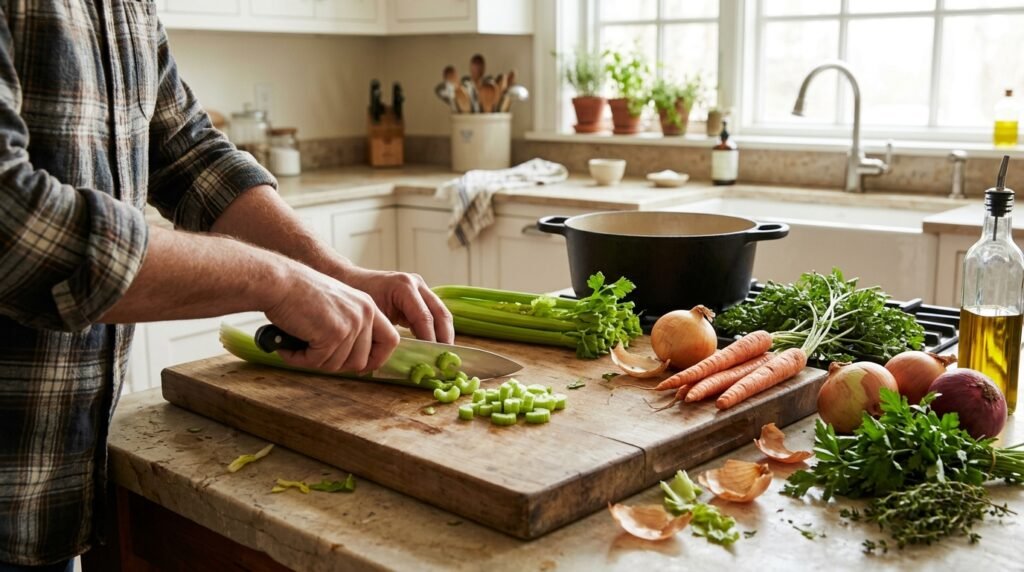
Stalk celery is the form many people recognize immediately. It has long, crisp leaf stalks and a fresh, aromatic flavor. It can be eaten raw, sliced into salads, added to soups, or cooked into savory dishes. The stalks also work well in stocks because their flavor combines easily with onions, carrots, herbs, and other vegetables. Fresh stalk celery should generally feel firm rather than soft or rubbery. Color can vary depending on cultivar and growing conditions, so darker green does not automatically mean better quality. Wash the stalks carefully because soil and debris can collect around the base and grooves. If a recipe simply says “celery” in an American or British context, this is often the form intended. Its mild crunch also makes it useful for snacks and dishes where texture matters.
Leaf Celery
Leaf celery is valued more for its aromatic leaves and thinner stalks. It can be used somewhat like a culinary herb. The flavor may be stronger than the large, mild stalks many shoppers know. Chopped leaves can add celery character to soups, sauces, stocks, stews, and other savory recipes. Because the taste can be noticeable, start with a modest amount when using it in a dish for the first time. The leaves should be washed thoroughly before cooking. They can also be added later in cooking when you want to preserve more of their fresh aroma. When a Balkan or European recipe discusses pravi celer leaves, replacing them with large quantities of ordinary celery stalk may not create exactly the same flavor. Celery leaves from suitable fresh stalk celery can sometimes provide a closer culinary substitute.
What Is Celeriac?
Celeriac is another cultivated form of Apium graveolens. Instead of being grown mainly for large crisp stalks, it develops a swollen edible base. It looks rough and knobby from the outside, but the inside is pale and firm. Its flavor is related to celery while being earthier and more substantial. Celeriac can be peeled and roasted, boiled, mashed, added to soups, or grated for certain salads. The tough exterior should be removed before eating. Once cut, the pale flesh can discolor, so recipes sometimes use an acidic ingredient when appropriate. Celeriac helps explain why pravi celer can cause confusion in English-language searches. Some regional discussions focus heavily on celery root, while others mean celery more broadly. The surrounding recipe or gardening context usually tells you which form is intended.
What Does Pravi Celer Taste Like?
The flavor depends on the cultivated form and the part being eaten. Stalk celery is fresh, green, aromatic, and slightly bitter. Its high water content also gives it a crisp eating experience. Celery leaves can taste stronger and more concentrated. Celeriac has an earthier flavor while still carrying the familiar celery aroma. Cooking changes these flavors. Raw stalks provide a noticeable crunch, while simmered celery becomes softer and blends into soups and sauces. Roasting celeriac can bring out a rounder and slightly sweeter character. This variety is one reason celery works in so many dishes. It can be a crunchy raw ingredient, an aromatic background vegetable, or a more substantial cooked component. When trying an unfamiliar regional recipe, identify which celery part is expected before choosing a substitute.
Nutritional Value of Celery
Celery can be part of a balanced diet and provides water, fiber, vitamins, minerals, and naturally occurring plant compounds. The exact nutritional profile changes according to the celery form, portion, growing conditions, and preparation. Stalk celery is particularly known for being high in water and relatively low in calories. That makes it an easy way to add crunch and volume to meals. However, calling celery a miracle food would be misleading. No single vegetable provides everything the body needs. A healthy eating pattern works best when it includes many vegetables, fruits, whole grains, protein sources, and other suitable foods. Pravi celer should therefore be appreciated as a versatile vegetable rather than promoted as a cure or magical superfood. This realistic approach is both more useful and more trustworthy.
Celery and Hydration
Fresh celery stalks contain a large amount of water. Eating water-rich vegetables can contribute to overall fluid intake. However, celery should not replace drinking enough fluids. Think of it as one small part of a varied diet. Its crisp texture can make it appealing during warm weather or as a fresh snack. Pairing celery sticks with a suitable dip can also make the snack more filling. People sometimes claim celery juice provides special hydration powers beyond ordinary foods and water. Those claims should be treated carefully. Whole celery also provides fiber that is reduced when juice is separated from much of the plant material. If you enjoy celery juice, it can be included as a beverage. It simply does not need to be treated as an essential detox drink or a substitute for a balanced diet.
Fiber and Digestion
Whole celery contains dietary fiber. Fiber supports normal digestive function as part of an appropriate diet. It also appears naturally in many other foods, including vegetables, fruit, beans, whole grains, nuts, and seeds. Eating celery is therefore one simple way to add variety to your fiber sources. Juicing changes the situation because much of the insoluble plant material may be removed depending on the juicing method. This is one reason whole vegetables and vegetable juices should not always be considered nutritionally identical. If you are increasing fiber intake, doing so gradually can be more comfortable for some people. Drinking enough water is also important. Rather than focusing on pravi celer as one special digestive food, aim for a varied pattern containing several fiber-rich foods that you enjoy and can eat regularly.
Vitamins and Minerals in Celery
Celery supplies several micronutrients, though the amount depends on serving size and plant form. Fresh stalk celery can contribute vitamin K and smaller amounts of other vitamins and minerals. Celeriac has a different nutrient profile because it is a different cultivated form and is eaten in different portions. Cooking methods can also influence some nutrients. Instead of choosing celery because of one isolated vitamin, consider how it fits into the complete meal. Celery in vegetable soup may accompany carrots, tomatoes, beans, herbs, and other ingredients. A raw salad may combine it with leafy greens, fruit, seeds, or protein-rich foods. Variety makes it easier to obtain a broader range of nutrients. This is a more practical nutrition strategy than relying heavily on one vegetable because it has become popular online.
Does Pravi Celer Have Special Health Benefits?
There is no good reason to treat pravi celer as a separate miracle food with unique powers beyond the celery plant it describes. Celery can certainly contribute to a nutritious eating pattern. It provides water, fiber, micronutrients, and plant compounds. However, broad claims that it can detox the body, rapidly cause weight loss, cure disease, or replace medical treatment should be viewed skeptically. Nutrition works through overall dietary patterns rather than one ingredient. Celery is most useful when it helps you eat more vegetables and create enjoyable meals. It can add crunch without much energy, build flavor in soups, and provide another source of plant foods. Those everyday advantages are valuable enough without exaggeration. Anyone managing a medical condition should follow advice from a qualified healthcare professional rather than depending on celery or celery juice as treatment.
Pravi Celer in Balkan Cooking
Celery has a long-standing role in many European and Balkan-style home dishes. Depending on the local recipe, stalks, leaves, or celeriac may be used. Aromatic celery works especially well in broths and slow-cooked meals. Its flavor can combine with carrots, onions, parsley, potatoes, meat, beans, or other vegetables. Celeriac may also appear in soups and cooked vegetable dishes because its earthy flavor becomes mellow during cooking. Fresh leaves can act almost like an herb and bring a stronger celery aroma. The important point is that traditional cooking often makes use of plant parts that modern supermarket shoppers may overlook. This practical, low-waste approach can inspire home cooks anywhere. You do not need to recreate a specific regional dish to start using celery leaves or celeriac more thoughtfully.
Using Pravi Celer in Soups
Soup is one of the easiest ways to use pravi celer. Chop suitable celery stalks into small pieces and cook them with other aromatic vegetables. Onion and carrot are common partners. Gentle cooking softens the celery and spreads its flavor throughout the broth. Celeriac can also be cut into cubes and simmered in soups. It provides more body than thin stalk pieces. Celery leaves can be chopped and added in smaller amounts for stronger aroma. The best timing depends on the result you want. Long cooking produces a softer, blended flavor. Adding some fresh leaves near the end can preserve more of their distinctive character. Taste as you cook instead of adding a large amount at once. Celery can support other flavors beautifully, but too much strong leaf celery may dominate a delicate soup.
Using Celery in Salads
Raw celery brings crunch to salads. Slice the stalks thinly across the width for small crisp pieces. You can also cut them diagonally for larger pieces with a more noticeable bite. Celery pairs well with ingredients that provide contrasting textures and flavors. Apples, nuts, leafy greens, carrots, herbs, beans, chicken, and creamy or acidic dressings can all work depending on the recipe. Celeriac can also be eaten raw when prepared correctly. It is often peeled and finely shredded or cut into thin strips. Because celeriac is firm, smaller pieces make it easier to eat. Wash all fresh produce carefully before preparation. If you are creating your own salad, start with a modest amount of celery and adjust after tasting. Its aromatic flavor can become stronger than expected when eaten raw.
Cooking With Celery Leaves
Celery leaves are often discarded, but fresh healthy leaves can be useful in cooking. Wash them well and remove damaged parts. Tender leaves can be finely chopped and sprinkled into soups, sauces, grain dishes, or salads. Stronger leaves may work better in cooked dishes where their flavor can blend with other ingredients. You can also include suitable celery leaves when preparing homemade vegetable stock. Taste matters because some leaves can be quite intense. Add a little first and increase the amount if needed. Using the leaves is also a simple way to reduce kitchen waste. If you buy stalk celery with fresh leafy tops, consider the leaves as an ingredient rather than packaging attached to the stalks. Store them properly and use them while they are still fresh.
How to Prepare Celeriac
Celeriac looks difficult to prepare because its outer surface is uneven. Start by washing away loose dirt. Use a stable cutting board and a sharp knife. Cut away the top and bottom so the vegetable can sit more securely. Then remove the rough exterior, following the shape of the root. A knife may work better than a small vegetable peeler on very uneven areas. Once the pale interior is exposed, cut it according to your recipe. Cubes work well for soups and roasting. Smaller pieces cook more quickly. Celeriac can also be mashed after boiling until tender. Raw celeriac should be cut finely enough to eat comfortably. Always keep your fingers away from the knife path because the hard, irregular surface can make the first cuts less stable.
Celery in Homemade Stock
Celery is a classic stock ingredient because its aroma helps create a savory base. Stalks, clean trimmings, and suitable leaves can be combined with vegetables such as onions and carrots. Avoid using spoiled pieces simply because stock will be strained later. Good stock starts with ingredients that are still safe and wholesome. Add water and simmer according to your recipe. Strong celery leaves should be used with restraint because they can dominate the finished stock. Homemade stock is also a useful way to reduce waste from vegetable preparation. However, food safety still matters. Cool cooked stock promptly and store it safely. If freezing, use appropriate containers and leave suitable space for expansion. A simple vegetable stock can later become the foundation for soups, sauces, grains, and stews.
Celery Juice and Wellness Claims
Celery juice became popular through wellness trends, but online claims often go far beyond established nutrition advice. Drinking celery juice is not required to “detox” the body. The human body already has organs, including the liver and kidneys, that perform important waste-processing functions. Juicing can also remove much of the fiber found in whole celery. This does not mean celery juice must be avoided. If you enjoy it, it can simply be treated like another vegetable-based drink. Be cautious with claims promising rapid weight loss or cures for health conditions. Pravi celer does not become medically powerful because it is juiced. For most people, eating a range of whole vegetables is a practical way to gain nutrients and fiber while enjoying different flavors and textures.
How to Choose Fresh Celery
When buying stalk celery, look for firm stalks that feel crisp rather than limp. The leaves, when present, should generally look fresh rather than heavily wilted or decayed. Minor cosmetic differences do not always affect quality. Avoid bunches with obvious rot, strong unpleasant odors, or extensive damaged areas. For celeriac, choose a firm root without major soft or rotting spots. Its exterior naturally looks rough, so do not expect a perfectly smooth vegetable. Size is not the only measure of quality. Think about how much you can realistically use before it loses freshness. Buying an enormous bunch only to throw half away is not economical. Smaller quantities purchased more often may work better for households that use celery occasionally.
How to Store Pravi Celer
Proper storage helps pravi celer stay useful for longer. Fresh stalk celery generally benefits from refrigeration. Keep it in the refrigerator using a storage method that protects it from excessive drying while avoiding conditions that encourage decay. Exact storage life varies with freshness when purchased and refrigerator conditions. Celery leaves can wilt faster than thick stalks, so use them sooner when possible. Celeriac is firmer and may keep longer under suitable cool storage, but once cut it should be refrigerated and protected. Do not rely only on a fixed number of days. Check food before use. Discard it if you notice significant spoilage, mold, or an abnormal odor. Good meal planning also helps. If celery begins losing crispness but remains safe, a cooked soup or stock may be a practical use.
Can Celery Be Frozen?
Celery can be frozen, but freezing changes its texture. Once thawed, stalks are usually much softer than fresh celery. That makes frozen celery better for cooked dishes than raw snacks or crisp salads. Wash and prepare it properly before freezing. Some cooks blanch vegetables before freezing to help maintain quality, depending on the vegetable and intended storage time. Freeze portions that match your usual recipes so you do not need to thaw a large amount for one small dish. Celery leaves may also be frozen for later use in cooked foods. Label containers with the date and contents. Freezing is especially useful when you have more celery than you can use while fresh. It can reduce food waste while keeping an aromatic ingredient ready for soups and stews.
Can You Grow Pravi Celer at Home?
You can grow celery at home when your climate and garden conditions are suitable. Celery generally prefers cool growing conditions and consistent moisture. It can be more demanding than some beginner vegetables because irregular watering and stressful conditions may affect growth and quality. Gardeners often start plants from seed or young transplants, depending on the region and season. The exact planting calendar depends on local climate. Pravi celer does not require a mysterious special gardening method because it is associated with ordinary celery. Decide whether you want stalk celery, leaf celery, or celeriac before buying seed. These cultivated forms are grown for different parts. Read the seed packet carefully because variety-specific instructions are more useful than generic advice.
Choosing the Right Growing Location
Celery needs a location that supports steady growth. Sun requirements can vary with climate, particularly where summers become very hot. Rich, moisture-retentive soil with good drainage can help provide the consistent conditions celery prefers. Good drainage is important because consistently moist soil should not mean permanently waterlogged roots. Before planting, improve poor soil with suitable organic matter when needed. Avoid placing plants where they will face severe competition from large established roots. Gardeners in warm regions may need to plan their celery season around cooler months. Local agricultural extension guidance can be particularly useful because planting times differ greatly between climates. A growing schedule that works in northern Europe may fail in a hot subtropical garden. Local conditions should always guide the final plan.
Watering Celery Plants
Consistent watering is one of the most important parts of growing celery. Plants can struggle when soil repeatedly becomes very dry and then suddenly receives large amounts of water. Aim for steady moisture while still allowing proper drainage. Check the soil rather than watering automatically on a rigid schedule. Weather, soil type, container size, plant size, and sunlight all change how quickly moisture disappears. Mulch may help reduce evaporation when used correctly. Container-grown celery can dry faster than plants in garden soil and may need closer attention. Water near the soil rather than unnecessarily soaking leaves every time. Morning watering is often practical because plants have time to dry during the day. The goal is not to flood the plant but to avoid severe moisture stress.
Feeding and Soil Care
Celery develops substantial leafy growth, so fertile soil can support healthy plants. Before planting, organic matter such as well-finished compost can improve many garden soils. Additional feeding needs depend on existing soil fertility and the product being used. More fertilizer is not always better. Excess nutrients can create environmental problems and may not improve the crop. A soil test can provide useful guidance for serious gardeners. Follow fertilizer labels rather than guessing amounts. Keep weeds under control because they compete for water and nutrients. Avoid damaging shallow roots while cultivating around the plants. Healthy growth comes from the combination of suitable soil, steady moisture, appropriate temperatures, and reasonable nutrition. Fertilizer cannot compensate for severe drought or the wrong growing season.
Common Celery Growing Problems
Like other garden crops, celery can face insects, diseases, nutrient problems, and weather stress. Symptoms such as yellow leaves, spots, damaged stems, poor growth, or rotting can have several causes. Avoid diagnosing every problem from one symptom. Check watering, drainage, temperature, plant spacing, pests, and recent weather. Remove badly diseased plant material when appropriate and keep tools clean. Crop rotation can help reduce certain recurring soil-related problems. Avoid unnecessary pesticide use without identifying the pest first. If treatment is required, choose a product legally approved for the crop and problem in your area. Follow the label exactly. Local extension services or experienced garden professionals can help identify difficult problems. Accurate diagnosis usually saves more plants than random treatment.
Harvesting Homegrown Celery
Harvest timing depends on the type you grow and how you plan to use it. Stalk celery is harvested when the stalks reach a useful size and quality. Some gardeners remove individual outer stalks, while others harvest the whole plant. Follow the recommendations for your cultivar. Leaf celery can provide leaves for seasoning, but excessive harvesting may weaken a young plant. Celeriac needs time to develop its enlarged edible base. Use clean cutting tools where needed. Harvest during suitable weather and move vegetables out of intense heat after picking. Wash produce before eating and remove damaged areas. Homegrown celery may not look as uniform as supermarket produce, but appearance is not the only measure of quality. Fresh aroma, suitable texture, and good garden practices matter much more.
Pravi Celer and Food Safety
Wash fresh celery under clean running water before cutting or eating it. Dirt can hide between stalks and around the base. Separate stalks when necessary so difficult areas can be cleaned properly. Do not wash produce with household soap or harsh cleaning chemicals. Keep raw vegetables away from surfaces contaminated by raw meat. Use clean knives and cutting boards. Refrigerate cut celery and prepared dishes appropriately. People with celery allergy need to avoid celery and follow medical advice because reactions can be serious in some individuals. Pravi celer is still celery, so a different regional name does not make it safe for someone with a celery allergy. Always check ingredient lists when allergies are a concern.
Common Myths About Pravi Celer
The biggest myth is that the phrase identifies a newly discovered superfood. It does not. Another common idea is that “true celery” must be organic, wild, or more nutritious than supermarket celery. The name alone tells you none of those things. Farming method, cultivar, freshness, plant part, and preparation all matter. Another myth is that celery juice automatically removes toxins or causes dramatic weight loss. Such claims simplify nutrition too much. Celery is a useful vegetable, not a medical treatment. Finally, celeriac and stalk celery are related but should not be treated as identical ingredients. They are cultivated forms of the same broader species with different textures and culinary uses. Understanding these distinctions makes it easier to separate practical food knowledge from marketing language and online exaggeration.
Simple Ways to Add Celery to Everyday Meals
You do not need a special recipe to use celery more often. Chop stalks into vegetable soup, add thin slices to salads, or serve crisp pieces with a favorite dip. Use celery with onions and carrots as an aromatic base for cooked meals. Add fresh leaves in small amounts to stocks and savory dishes. Try peeled celeriac in soup, mash, or roasted vegetable combinations when available. The goal is variety rather than eating huge quantities. If someone in your family dislikes raw celery, they may enjoy its milder flavor after cooking. Different cuts can also change the experience. Thin slices feel different from large crunchy pieces. Experimenting with preparation is often the easiest way to make familiar vegetables more enjoyable.
Frequently Asked Questions
What is pravi celer?
Pravi celer is a South Slavic expression that can be understood as “true celery” or “real celery.” It is associated with Apium graveolens, the botanical species behind familiar celery forms. It should not be treated as the scientific name of a separate newly discovered vegetable. Context may point toward stalk celery, leaf celery, or celeriac.
Is pravi celer the same as celery?
Yes, the term is associated with celery rather than a completely separate plant species. Confusion occurs because celery has several cultivated forms. Some are grown for thick stalks, some for leaves, and celeriac for an enlarged edible base. Always check which part a recipe requires instead of relying only on the regional name.
Is pravi celer the same as celeriac?
Not necessarily. Celeriac is one cultivated form of Apium graveolens. Some regional food discussions involving celery focus strongly on celeriac, which can make the terms appear interchangeable. However, pravi celer can refer more broadly to true or real celery. Recipe context should determine whether you need celeriac, stalk celery, or another form.
Can you eat celery leaves?
Yes, fresh edible celery leaves can be used in many dishes. Wash them carefully before use. Their flavor can be stronger than the stalks, so begin with a small amount. Chopped leaves can work in soups, stocks, sauces, and some salads. Discard leaves that show signs of spoilage or decay.
Is celery juice healthier than whole celery?
Celery juice and whole celery are not identical. Juicing can remove much of the fiber depending on the method. Whole celery provides its natural plant structure and fiber. Celery juice can still be enjoyed if you like it, but there is no need to consider it a required detox drink or a replacement for a varied diet.
Can I grow pravi celer in my garden?
Yes. Since the term relates to celery, it can be grown wherever suitable celery varieties and growing conditions are available. Celery generally prefers consistent moisture and relatively cool conditions. Choose seeds based on whether you want stalk celery, leaf celery, or celeriac. Follow local planting guidance because the correct growing season varies significantly by climate.
Conclusion
Pravi celer sounds exotic, but understanding it does not require discovering a mysterious new vegetable. The phrase is best understood as a South Slavic reference to “true” or “real” celery associated with Apium graveolens. Celery itself is diverse enough to be interesting. Stalk varieties offer crisp texture. Leaf celery brings strong aroma. Celeriac provides a firm, earthy ingredient for soups, roasting, and mash. All can have a useful place in the kitchen. Celery also contributes water, fiber, and nutrients as part of a varied diet, but it should not be promoted as a miracle cure or detox food. When shopping or following regional recipes, identify the plant part being requested. When gardening, choose a cultivar suited to your climate and intended use. That simple approach gives you reliable information while avoiding the exaggerated claims that often surround unfamiliar food terms.