
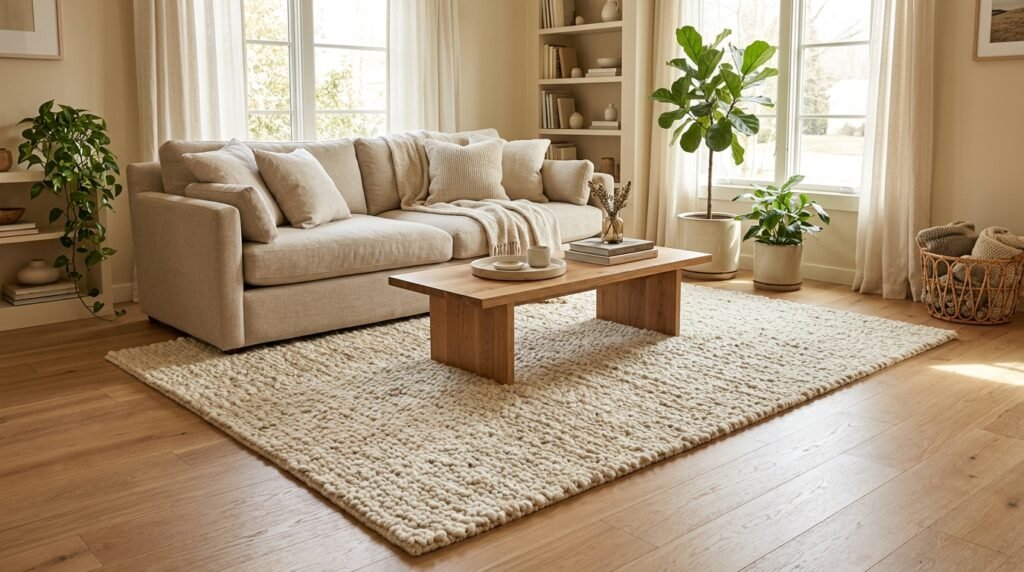
Natural materials can make a home feel warmer and more comfortable. Wool is one material that has been used for generations. It can be turned into rugs, felt, insulation, padding, and many other useful products. Wollmatten is a German term that generally refers to wool mats. However, the exact meaning can change with the product and its purpose. Some wool mats are decorative floor coverings. Others are felted pads, craft materials, protective layers, or building insulation products. That difference matters because each type needs different care and installation. A thick floor mat cannot automatically replace certified insulation. An insulation mat should not be treated like a washable household rug. This guide explains what wool mats are, how they are made, where they can be useful, and how to choose the right type. You will also learn about cleaning, storage, moisture, moth protection, durability, and common mistakes.
What Does Wollmatten Mean?
The word Wollmatten comes from German. “Wolle” means wool, while “Matten” refers to mats. In simple terms, the phrase means wool mats. However, searching for this term can bring up very different products. You may find felted wool mats for floors, thick pads for furniture, craft sheets, gardening materials, acoustic products, or wool-based building insulation. The construction of each product can be very different. Some are made from natural sheep wool with limited processing. Others may contain backing materials, binders, dyes, or blends with synthetic fibers. Never assume a product is completely natural simply because wool appears in its name. Read the material label and product description carefully. Understanding the intended use is the first step toward choosing a mat that performs safely and lasts as expected.
How Wool Mats Are Made
The manufacturing process depends on the type of mat. Wool fibers may be cleaned, carded, layered, felted, woven, needle-punched, or otherwise processed into a stable material. Felt is created by joining fibers together rather than weaving traditional threads into fabric. Other mats may use woven wool yarn to create a rug-like surface. Insulation products can use wool fibers arranged into thicker flexible batts or mats. Manufacturers may also apply treatments depending on the intended application. This is why two products that both appear under the name Wollmatten may feel completely different. One could be dense and firm, while another may be soft and flexible. Manufacturing also affects cleaning instructions. A washable decorative mat and a specialized insulation product should never receive the same treatment. Always use the product label as the primary source for care and installation guidance.
Why Wool Works Well in Mats
Wool fibers have several natural characteristics that make them useful in household products. The fibers are flexible and can create soft, resilient surfaces. Wool can also absorb and release moisture vapor from the surrounding air. This does not mean wool should remain wet or be installed in places with uncontrolled moisture. Like other natural materials, it still needs suitable conditions. Wool also provides warmth and can feel comfortable underfoot when used in appropriate floor coverings. Its textured appearance works well with many interior styles. The exact performance depends on fiber quality, density, construction, backing, treatments, and intended use. It is better to evaluate a specific wool product than assume every wool mat has identical properties. Material choice should always be based on where and how the mat will actually be used.
Wollmatten for Home Interiors
Inside the home, Wollmatten can add texture and warmth to simple rooms. Decorative wool mats may work beside a bed, near a reading chair, in a home office, or in another low-to-moderate traffic area. Larger wool floor coverings can also define a seating zone in an open-plan room. Before placing any mat, check whether the underside can slide on your flooring. A suitable rug pad or anti-slip system may be needed. Make sure it is compatible with both the mat and the floor finish. Avoid creating raised edges in busy walkways because they can become trip hazards. Wool products also differ in how they respond to spills and cleaning. If you have children or pets, choose a product whose care requirements match everyday household life rather than selecting one based only on appearance.
Using Wool Mats in a Living Room
A wool mat can soften the appearance of a living room filled with hard materials. Wood flooring, stone, glass, and metal can sometimes make a room feel visually cold. A textured wool surface adds contrast and helps create a more comfortable look. Choose the mat size based on the furniture arrangement rather than simply buying the largest one available. In a seating area, the mat should visually connect the sofa and chairs. Small mats that float alone in the center can make the room feel disconnected. Consider door clearance and walking routes before placing thicker materials. Neutral wool shades can blend easily with changing furniture and decor. If you prefer color, choose a tone that works with existing finishes. Practical placement often creates a better result than following a strict decorating trend.
Wool Mats for Bedrooms
Bedrooms are a natural place for soft materials. A wool mat beside the bed can provide a warmer surface when you get up in the morning. A larger wool rug may extend beneath part of the bed and create a more finished appearance. Keep the edges flat and secure to reduce tripping. If the bedroom receives strong direct sunlight, check whether the manufacturer warns about fading or color changes. Rotate movable floor mats when appropriate so wear and light exposure remain more even. Vacuuming requirements depend on construction. Some wool products tolerate regular vacuuming well, while delicate or loosely constructed mats may require gentler care. Wollmatten used in bedrooms often experience less dirt than entryway mats, but they still collect dust, hair, and fibers. Regular light cleaning can prevent debris from becoming deeply embedded.
Wool Mats for a Home Office
A home office can benefit from the warmth and sound-softening qualities of textiles. A wool floor mat may reduce the hard feel of a room with a desk, shelving, and bare flooring. However, office chairs with wheels can be challenging. Repeated rolling may damage some soft mats or make chair movement difficult. Check whether the product is suitable for use under an office chair. A dedicated chair mat may be necessary. Keep electrical cords from becoming hidden beneath thick mats where damage may go unnoticed. The edges should also remain outside busy chair paths when possible. For a desk without a rolling chair, a wool mat can create a comfortable work zone and visually separate the office area from the rest of a multipurpose room.
Wollmatten as Floor Mats
When Wollmatten are designed specifically for floor use, construction quality becomes important. Look at density, edge finishing, backing, thickness, and cleaning instructions. A floor mat must handle repeated foot traffic without quickly losing its shape. Entry areas can be especially demanding because shoes bring moisture, grit, and dirt indoors. Not every wool mat is suitable for that environment. A delicate felt mat may work better in a dry interior space. If you want wool near an entrance, choose a product designed for the expected traffic and cleaning needs. Use appropriate slip protection where required. Also consider how easily doors can open over the mat. A beautiful floor covering becomes frustrating if it catches under a door every time someone enters the room.
Wool Felt Mats and Pads
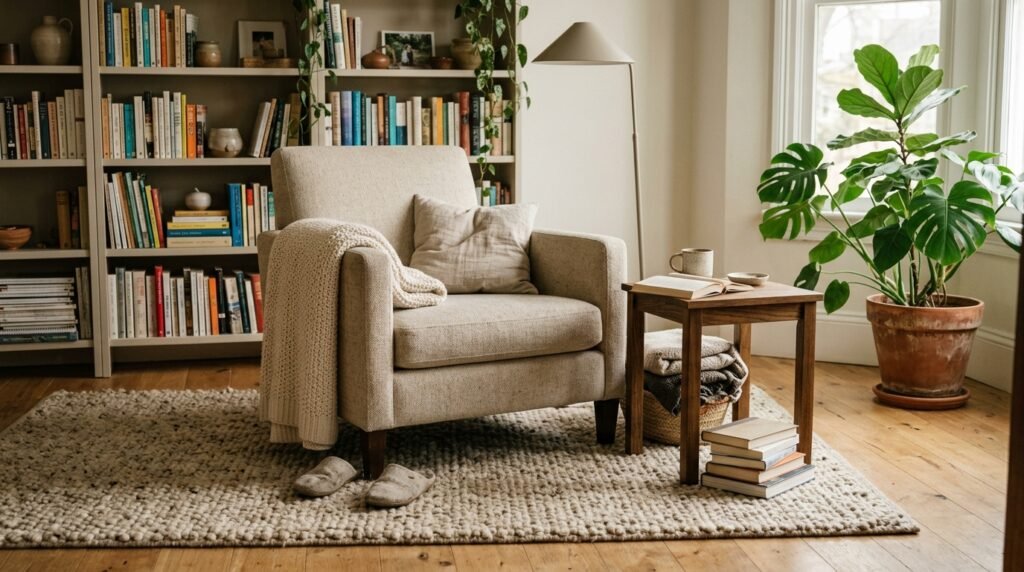
Felted wool can be made into useful mats and protective pads. Depending on thickness and construction, felt may be used beneath decorative objects, furniture, equipment, or other household items. Small wool felt pads can help separate hard surfaces, but the correct product must be chosen for the load. A thin craft felt sheet is not automatically suitable for supporting heavy furniture. Color transfer is another consideration. Dark or dyed felt may react differently when exposed to moisture or certain floor finishes. Test questionable materials in a hidden location before long-term use. For furniture protection, purpose-made pads are usually safer than improvised pieces. Wool felt is versatile, but its performance depends heavily on density and manufacturing quality. Match the material to the pressure, movement, and surface involved.
Wollmatten for Insulation
Some Wollmatten are manufactured as building insulation. Sheep wool fibers can be processed into insulation products for certain walls, roofs, ceilings, and other assemblies. However, building insulation is a technical product, not simply ordinary wool placed inside a wall. Products intended for construction should have appropriate performance information for their market. Thermal performance, fire behavior, moisture conditions, pest treatment, installation method, and local building requirements all matter. Never substitute a decorative wool mat for approved insulation. Likewise, do not install an insulation product without checking whether it suits the specific building assembly. Walls and roofs manage heat, air, and moisture as complete systems. Incorrect installation can lead to condensation or other problems. Consult manufacturer documentation and local building professionals when planning insulation work.
Thermal Properties of Wool
Wool can trap air within its fiber structure, which is one reason wool-based materials can provide insulation. However, thermal performance should be judged using the tested value of the specific insulation product. Thickness alone is not enough. Density, fiber arrangement, installation quality, moisture conditions, and gaps can all affect results. If you are comparing wool insulation with fiberglass, mineral wool, cellulose, or foam products, use recognized thermal ratings rather than general claims about natural materials. Building codes may specify minimum insulation levels depending on climate and location within the building. A natural material can be appealing, but it still needs to meet practical performance requirements. Good insulation decisions combine comfort, energy goals, moisture control, fire safety, budget, and local regulations rather than focusing on a single material characteristic.
Can Wool Mats Help With Sound?
Soft fibrous materials can absorb some sound energy, which may help reduce reflections inside a room. This is why rugs, curtains, upholstered furniture, and acoustic panels can make a hard room sound less echoey. Certain wool-based products may be designed specifically for acoustic use. However, a decorative mat should not automatically be described as soundproofing. Reducing echo within a room is different from blocking sound between rooms. True sound isolation often depends on wall mass, air sealing, structural separation, doors, ceilings, and other construction details. If acoustic performance is important, look for a product with relevant test data. Wollmatten can contribute to a softer acoustic environment, but the level of improvement depends on their thickness, density, placement, and construction.
Natural Wool vs. Synthetic Mats
Natural wool and synthetic materials each have advantages. Wool offers a distinctive texture, natural fiber structure, and traditional appearance. Synthetic mats can sometimes offer lower prices, easier stain resistance, or care routines that suit busy households. Performance varies widely within both categories. A high-quality synthetic mat may outlast a poorly constructed wool product in certain conditions. Likewise, a well-made wool mat can remain useful for years when properly maintained. Consider the whole product rather than judging only by fiber type. Look at backing, dyes, construction, repairability, cleaning needs, intended traffic level, and manufacturer guidance. If sustainability matters to you, also consider product lifespan, sourcing, processing, transportation, and what happens at the end of use. Material labels alone do not tell the complete environmental story.
Wool Mats and Sustainability
Wool is a renewable animal-derived fiber because sheep grow new fleece. That can make it attractive to people seeking alternatives to fully petroleum-based textiles. However, sustainability is more complex than whether a raw material is renewable. Farming practices, land use, animal welfare, processing, dyes, chemical treatments, manufacturing energy, transport, durability, and end-of-life options all affect environmental impact. Some products may include synthetic backing or binders that change their recyclability or biodegradability. If sustainability is a priority, look for clear information from the manufacturer rather than relying on broad “eco-friendly” claims. Long product life also matters. A durable mat that remains useful for many years may reduce replacement frequency. Choosing the correct product and caring for it properly can therefore be part of a more thoughtful purchasing decision.
Choosing the Right Wollmatten for Your Home
Start with purpose. Do you need a floor covering, furniture pad, craft material, acoustic product, or insulation? Once the purpose is clear, compare products within that category. For floor use, consider dimensions, thickness, slip resistance, traffic level, cleaning, and compatibility with your flooring. For felt pads, look at density and load. For insulation, focus on certified technical performance and installation requirements. Check the complete material composition rather than assuming the product contains only wool. If allergies or chemical sensitivities are a concern, review manufacturer information about treatments and finishes. Good Wollmatten should fit the actual job rather than forcing one type of wool material into every application. Choosing carefully at the beginning usually saves more money than replacing an unsuitable product later.
Choose the Correct Size
Size has a major effect on both function and appearance. A decorative floor mat should fit the furniture and room rather than sitting awkwardly in a walkway. Measure the available area before shopping. Use painter’s tape to outline possible dimensions on the floor if you have trouble visualizing them. Check whether doors, drawers, or furniture need to move across the area. Thick wool mats may require more clearance than thin rugs. For felt sheets and craft mats, plan the required dimensions before cutting. Insulation products require completely different measurements based on framing and building design. Avoid buying based only on photographs because product scale can be difficult to judge online. Accurate measurements are simple, but they prevent many common problems with placement and installation.
Think About Thickness and Density
A thick wool mat is not automatically better. Thickness affects softness, door clearance, furniture stability, cleaning, and storage. Density also matters because two mats with similar thickness can feel very different. A dense felt pad may be firm, while a loosely constructed wool mat may compress easily. For floor use, consider whether people could catch their feet on the edges. If furniture sits partly on the mat, make sure it remains stable. For protective pads, choose a density appropriate for the load. For insulation, rely on technical specifications rather than squeezing or judging the material by hand. The best thickness is the one designed for the application. Buying the thickest option without considering how it will be used can create more problems than benefits.
Colors and Textures for Modern Interiors
Wool naturally works well with warm, tactile interior styles. Cream, beige, gray, brown, and muted earthy tones can blend with wood, stone, and simple furniture. Colored wool mats can also become focal points in otherwise neutral rooms. Think about maintenance when choosing very light shades for busy areas. Dark colors may hide some dirt but can show lint or pale fibers. Texture is equally important. Smooth felt can look clean and modern, while chunky woven wool adds stronger visual character. Avoid combining too many heavy textures in a small room. A textured Wollmatten design can stand out more when nearby surfaces remain simple. Choose based on the room as a whole rather than selecting a mat in isolation.
Wollmatten in Minimalist Homes
Minimalist interiors do not need to feel empty or cold. Natural textures can add warmth without adding visual clutter. A simple wool mat in a neutral color may soften a room while keeping the overall design calm. Choose clean edges and a size that relates clearly to nearby furniture. Avoid filling the mat with unnecessary decorative objects. Let the material itself provide texture. In a minimalist bedroom, a wool mat can sit beside or partly beneath the bed. In a living room, it can define a small seating arrangement. Quality and proportion often matter more than bold patterns in these spaces. A single well-chosen natural material can make a simple room feel more comfortable while maintaining the uncluttered appearance that defines minimalist design.
Wollmatten in Rustic and Natural Interiors
Rustic interiors often combine wood, stone, linen, leather, ceramics, and other materials with visible texture. Wool fits naturally into this setting. A woven or felted mat can soften timber floors and add warmth near simple furniture. Earthy colors can support the relaxed appearance without becoming overly decorative. However, rustic style does not require every item to look rough or aged. A clean wool mat can create useful contrast against reclaimed wood or heavily textured stone. Think about practical cleaning in rooms connected to outdoor areas. Mud, wet shoes, and pet hair can make delicate wool difficult to maintain. Use washable or easier-care surfaces at the main entrance and reserve more sensitive wool products for drier interior areas.
How to Clean Wollmatten
Cleaning Wollmatten begins with the care label. Different wool products can respond very differently to water, agitation, heat, and cleaning chemicals. For a floor mat, regular gentle vacuuming may remove loose dust before it becomes embedded. Check whether the product allows a rotating brush because some wool surfaces can be damaged by aggressive vacuum action. Deal with spills quickly. Blot rather than scrub so you do not spread the liquid or roughen the fibers. Use only cleaning products suitable for that specific wool material. Avoid soaking a mat unless the manufacturer specifically permits washing. Large wool floor coverings may require professional cleaning. Insulation, acoustic panels, and specialized felt products have different maintenance needs and should not be cleaned like rugs.
How to Handle Spills
When a drink or other liquid spills on a wool floor mat, act quickly but gently. Use a clean absorbent cloth to blot as much liquid as possible. Work from the outside of the spill toward the center when appropriate. Rubbing aggressively can push the stain deeper or change the surface texture. Before using any cleaner, check the care instructions. Test suitable cleaning solutions in an inconspicuous area if recommended. Avoid pouring large amounts of water directly onto the mat. Excess moisture may affect the fibers, backing, floor beneath, or drying time. If the spill involves a difficult substance or a valuable wool rug, professional cleaning may be safer. Quick action helps, but using the wrong treatment can cause more permanent damage than the original spill.
Can Wool Mats Be Washed?
Some small wool products can be hand washed or machine washed, while others cannot. There is no single washing rule for every wool mat. Construction, dyes, backing, and treatments all affect washability. If the label permits washing, follow its water temperature, detergent, cycle, and drying instructions exactly. Wool fibers can shrink or felt further when exposed to heat and strong agitation. Large floor mats can also become extremely heavy when wet, making home washing impractical. Never place a wool product in a dryer unless its instructions specifically allow it. Air drying may require laying the item flat in its correct shape. For valuable or difficult-to-clean pieces, a professional experienced with wool can be the safer choice.
Drying Wool Mats Correctly
Drying is just as important as washing. A wet wool mat should not remain damp for a long period because trapped moisture can create odor and other problems. Follow the care label first. When flat drying is recommended, place the item on a suitable clean surface with good airflow and reshape it gently. Avoid hanging heavy wet mats if their weight could stretch them. Strong heat can cause shrinkage or affect backing materials, so do not place the mat directly against heaters unless the manufacturer allows it. Make sure both sides dry fully before returning the mat to the floor or storing it. If a large mat becomes soaked from flooding or a major spill, professional cleaning and drying may be necessary to address both the mat and the flooring beneath.
Preventing Moth Damage
Clothes moth larvae can damage animal fibers, including wool. Good housekeeping is one of the most useful preventive steps. Vacuum wool floor coverings regularly, including edges and less-disturbed areas beneath furniture when possible. Remove hair, food crumbs, and other organic debris that may support pests. Inspect stored wool items from time to time. Before long-term storage, clean the mat according to its care instructions because soiled fibers can be more attractive to pests. Store suitable items in clean, dry, secure containers when practical. If you discover active moth damage, identify the source and address nearby wool textiles as well. Severe infestations may require professional pest management. Avoid relying only on fragrances or home remedies when there is clear evidence of an active infestation.
Storing Wollmatten
Clean Wollmatten before storing them for a long period. Dirt and stains become harder to address after months in storage. Make sure the material is completely dry. Moisture trapped during storage can cause odors and deterioration. Large floor mats are often better rolled than sharply folded, depending on construction and manufacturer instructions. Protect them from dust without trapping moisture. Choose a dry indoor storage location away from leaks, excessive heat, and direct sunlight. Do not place heavy boxes on top of a rolled or folded wool mat because long-term pressure may create permanent marks. Check stored wool occasionally for pests or moisture. Good storage is simple, but it can significantly extend the useful life of a quality wool product.
Using Wool Mats Around Pets
Wool can work in homes with pets, but consider your pet’s habits. Claws may catch on loose loops or certain woven textures. Hair can become visible on contrasting colors. Accidents require quick cleaning and may be difficult to remove from products that cannot be thoroughly washed. Choose a construction suited to the household rather than selecting a delicate mat for a high-activity pet area. Vacuum regularly using a method recommended for the product. Trim loose fibers only when the manufacturer advises it; pulling them can cause further damage. If your pet frequently chews textiles, avoid leaving wool products where they could be swallowed. A practical pet-friendly home balances appearance with materials that can handle everyday use.
Using Wool Mats Around Children
Soft floor materials can make play areas feel comfortable, but safety still matters. Keep mat edges flat and use suitable slip protection where needed. Avoid placing thick mats where they create a trip hazard. Young children often spill drinks and food, so choose a wool product with realistic cleaning requirements. Check material and treatment information if the mat will be used in a nursery or play area. Keep small loose fibers, damaged backing, or detached pieces away from children who may put objects in their mouths. Wollmatten can add warmth to family spaces, but the most expensive or delicate option may not be the most practical choice. Easy maintenance and secure placement often matter more than a perfect showroom appearance.
Common Mistakes When Buying Wool Mats
One mistake is buying a product without checking its intended use. A craft felt mat, floor covering, and insulation product are not interchangeable. Another mistake is assuming all wool products are completely natural. Backings, dyes, binders, and blended fibers may also be present. People may also overlook cleaning requirements until the first spill occurs. Check care instructions before buying, especially for busy family rooms. Measure the space carefully and consider door clearance. For floor use, think about slip resistance and edge height. For construction use, rely on technical performance information rather than general descriptions of wool. Finally, avoid assuming a high price automatically means better performance. Quality should be judged by construction, suitability, transparency, and expected lifespan.
Are Wollmatten Worth It?
Whether Wollmatten are worth buying depends on what you need them to do. For interior design, wool can offer warmth, texture, and a natural appearance that works with many styles. Dense wool felt can also be useful for certain protective and craft applications. Purpose-made wool insulation may appeal to homeowners interested in natural-fiber building products when it meets project requirements. However, wool is not automatically the best choice everywhere. Cleaning needs, moisture exposure, pests, traffic, cost, and product construction should all be considered. Compare the wool option with alternatives designed for the same task. A product is valuable when its benefits match your priorities and you can maintain it correctly. Choosing based on practical use usually leads to better results than choosing based only on the material name.
Frequently Asked Questions
What does Wollmatten mean in English?
Wollmatten generally translates from German as “wool mats.” The term can describe several products rather than one exact item. Depending on context, it may refer to wool floor mats, felt pads, craft materials, acoustic products, or wool-based insulation. Always check the product description to understand its intended use. Two items carrying the same general name may have very different construction and care requirements.
Are wool mats good for home interiors?
Yes, wool mats can work well in living rooms, bedrooms, offices, and other dry interior areas when the product is designed for flooring. Wool adds natural texture and can make hard surfaces feel warmer. Choose the correct size and use suitable slip protection when needed. Consider cleaning requirements, pets, children, traffic, and door clearance before purchasing. A wool mat that matches your daily routine is more practical than one selected only for appearance.
Can Wollmatten be used as insulation?
Some Wollmatten are specifically manufactured as building insulation. These products should have technical information covering their intended application and performance. Ordinary decorative wool mats should never be substituted for approved insulation. Building assemblies also need proper moisture, air, thermal, and fire planning. Follow manufacturer installation instructions and local building requirements. Professional guidance may be appropriate for major insulation projects.
Can you wash a wool mat in a washing machine?
Only if the care label specifically allows machine washing. Wool products vary greatly in construction. Heat and strong agitation can shrink or change some wool materials. Backing can also be damaged. Large mats may become too heavy for a household washing machine when wet. Follow the exact cleaning instructions supplied with the product. When in doubt, professional wool cleaning may be safer than experimenting with machine washing.
How do you protect wool mats from moths?
Keep wool clean and vacuum suitable floor mats regularly. Pay attention to quiet areas beneath furniture and along edges. Clean wool products before long-term storage and make sure they are completely dry. Store suitable items in clean, secure conditions and inspect them periodically. If you find larvae, webbing, or repeated damage, inspect nearby wool textiles too. An established infestation may require more complete pest management rather than simple fragrance-based deterrents.
How long do wool mats last?
There is no fixed lifespan because durability depends on construction, traffic, maintenance, moisture, pests, and how the mat is used. A well-made wool floor covering in a suitable location can provide many years of service. A delicate product placed in a wet or heavily trafficked area may deteriorate much faster. Regular cleaning, correct storage, fast spill treatment, and proper placement can help extend useful life. Evaluate each product based on its construction and intended application.
Conclusion
Wollmatten can describe much more than one simple type of mat. Wool may be shaped into attractive floor coverings, dense felt pads, craft materials, acoustic products, or specialized building insulation. That variety makes it important to identify the intended purpose before buying. For home interiors, wool can add warmth and texture while working with modern, rustic, and minimalist styles. For technical uses, product specifications and installation requirements matter more than appearance. Whatever type you choose, follow the care label, keep wool dry, deal with spills quickly, and watch for moth activity. Measure the space carefully and consider how much daily wear the material will receive. When the right wool product is matched to the right job, it can be a practical and attractive addition to a comfortable home.


