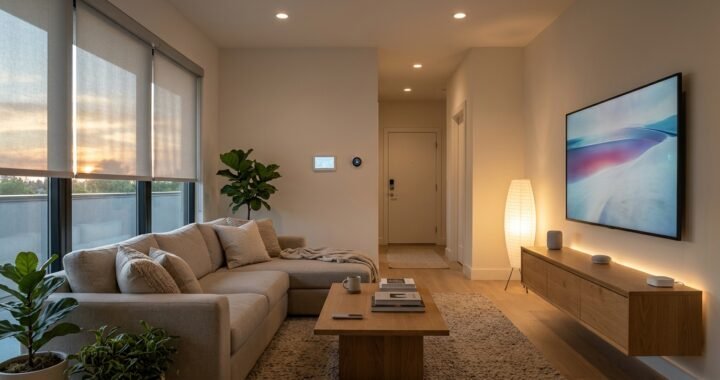
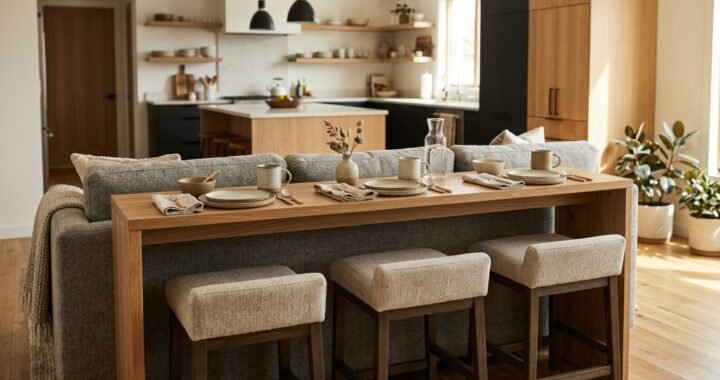
Moving into a first apartment can feel exciting and overwhelming at the same time. You finally have a space that feels like your own. Yet you may have limited money, little storage, and strict rental rules. This is where The First Apartment Book: Cool Design for Small Spaces offers useful inspiration. Written by interior designer Kyle Schuneman with Heather Summerville, the book focuses on making smaller homes stylish and practical. It does not suggest that good design requires a huge house or a large decorating budget. Instead, it explores real apartments and shows how personality can shape a home. The book was published by Clarkson Potter in 2012 and features photography by Joe Schmelzer. Its lessons remain useful because small-space challenges have not disappeared. Renters still need storage. Studios still need flexible layouts. First apartments still need personality. This guide explores the book, its design approach, and the practical ideas readers can apply in modern small homes.
What Is The First Apartment Book: Cool Design for Small Spaces?
The First Apartment Book: Cool Design for Small Spaces is a home design book centered on smaller living spaces. Kyle Schuneman and Heather Summerville are credited as its authors. Joe Schmelzer provided the photography. The book uses ten real apartments to explore different decorating situations and personalities. Those examples include studios, shared homes, loft-style spaces, and apartments needing more individual character. It also includes DIY projects aimed at making design more approachable for people with limited budgets. This structure matters because the book does not treat every apartment as the same blank box. Different people have different belongings, habits, interests, and limitations. Good small-space design should respond to those differences. Instead of chasing a perfect showroom appearance, the book encourages readers to create homes that feel personal while still solving practical problems such as storage and limited floor space.
Who Wrote the Book?
Kyle Schuneman is the main design voice behind the book, while Heather Summerville is its coauthor. Schuneman built a career around interior design and has been recognized for working with real-life design challenges. The publisher’s author information notes his design work and media experience, while Summerville brought professional editorial and writing experience to the project. That combination helps explain the book’s approachable style. It is not presented like a technical architecture manual. Instead, design problems are connected with the people living inside each apartment. That makes the advice easier for everyday renters and first-time homeowners to understand. The book is especially concerned with spaces where money, square footage, or rental restrictions create limits. Those constraints become part of the creative process rather than reasons to give up on decorating.
The Main Idea Behind the Book
One of the strongest ideas in The First Apartment Book: Cool Design for Small Spaces is that a small home can still have a strong identity. Limited square footage does not require a room to become plain or generic. The book connects design with personality, interests, collections, travel, and local surroundings. It also considers common renter problems. You may dislike the wall color but cannot make permanent changes. You may have too many belongings and too few closets. A studio may need to function as a bedroom, living room, dining area, and workspace. These are practical design problems. Solving them requires more than buying fashionable furniture. The book’s featured apartments demonstrate different ways to create distinct zones, organize possessions, display collections, and bring character into rental spaces. Its broader lesson is simple: design should support the person living there instead of forcing that person to copy a fixed style.
Start With the Way You Actually Live
Before buying furniture, think about your daily routine. This is one of the most useful lessons to take from small-space design. A beautiful chair is not helpful if it blocks the path to your kitchen. A huge dining table makes little sense if you normally eat alone. Begin with your real needs. Do you work from home every day? Do friends visit often? Do you own many books? Do you cook large meals? Your answers should influence the layout. Draw a basic floor plan and mark doors, windows, outlets, and walking paths. Then decide which activities need dedicated space. This approach prevents impulse purchases that later become obstacles. It also helps a small apartment feel calmer. Every major piece should earn its place. Function does not mean giving up personality. It simply creates a useful foundation before decorative layers are added.
Small Spaces Need Furniture With a Purpose
Furniture takes up valuable floor area, so every piece deserves careful thought. A small apartment rarely benefits from filling every open corner. Start with the items you genuinely need. A comfortable sofa may matter more than several occasional chairs. A compact dining table can double as a work surface. An ottoman with hidden storage may hold blankets while also serving as extra seating. Nesting tables can separate when guests arrive and stack together afterward. This thinking fits naturally with The First Apartment Book: Cool Design for Small Spaces, which includes examples of multifunctional living. The goal is not to find furniture with the most features possible. It is to choose pieces that match your routine. Measure everything before buying. Mark the dimensions on the floor with painter’s tape. Then walk around the outline. If movement feels tight before the furniture arrives, the actual piece will probably feel even larger.
Create Zones in a Studio Apartment
A studio apartment can feel confusing because several activities happen in one room. Visual zones can bring order without building permanent walls. A rug can define the living area. A bookcase can create separation near the bed. A narrow table may mark the dining zone. Lighting can also distinguish spaces. A reading lamp beside an armchair creates a different feeling from a pendant over a dining table. The book includes an example of a loft divided into livable areas, showing how furniture itself can help organize open space. Dwell also highlighted an example where a tall bookcase helped form a sleeping nook in an open loft. The important lesson is not to copy one specific arrangement. Instead, use furniture placement to tell the eye where one function ends and another begins. Keep major pathways clear so these zones do not turn into barriers.
Make a Small Apartment Feel More Open
A small apartment does not always need to look physically larger. It needs to feel comfortable and easy to move through. Start by protecting clear walking paths. Furniture that blocks doorways or forces awkward movement makes a room feel tighter. Consider pieces with visually lighter forms when appropriate. Raised furniture can reveal more flooring and reduce visual weight. Mirrors can reflect light when positioned thoughtfully. Curtains hung higher can draw attention upward. Consistent colors between connected spaces can also create smoother visual flow. Avoid assuming everything must be white. Dark and rich colors can work in small rooms when used with intention. The publisher describes the featured apartments as examples of creating spaces that feel open, organized, and inviting. That is a better goal than simply trying to make every room appear huge. Comfort, organization, and visual balance matter more than pretending the apartment has square footage it does not have.
Use Vertical Space for Smarter Storage
When floor area disappears, walls become valuable. Tall bookcases, wall shelves, hooks, and vertical storage can free up lower surfaces. Look above desks, toilets, doors, and other areas that are often ignored. However, vertical storage should not cover every available wall. Too many visible belongings can make a small apartment feel restless. Combine open and closed storage. Display attractive objects on shelves while hiding everyday clutter in cabinets, baskets, or boxes. Keep frequently used belongings within easy reach. Seasonal or rarely used items can go higher. The First Apartment Book: Cool Design for Small Spaces addresses both displaying collections and hiding less attractive belongings, which remains an important balance in compact homes. Storage works best when it helps you find things quickly rather than simply providing another place to push clutter.
Let Your Apartment Show Your Personality
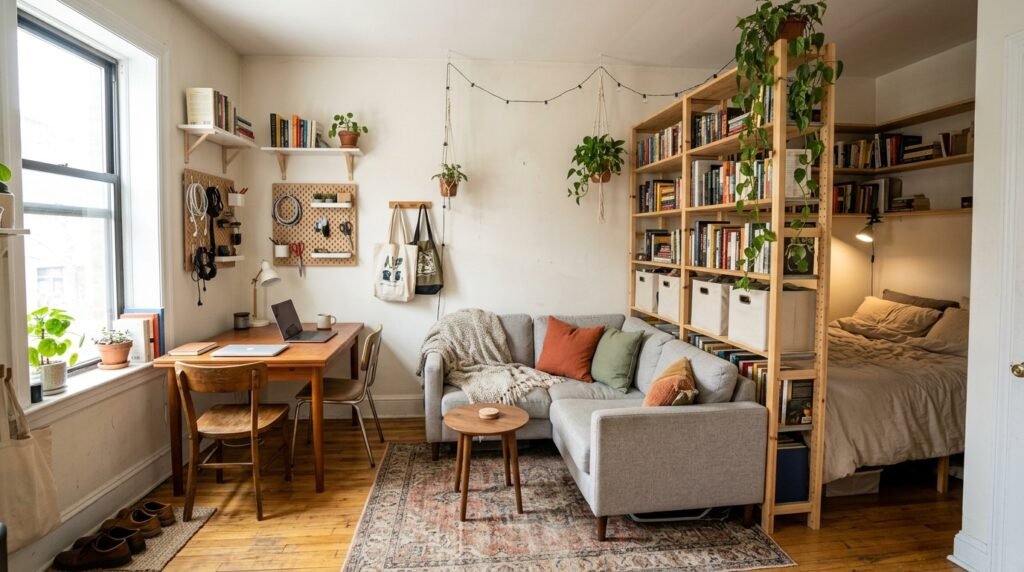
A first apartment often begins with plain walls and basic finishes. That does not mean it must remain generic. Personal design can come from artwork, photographs, books, textiles, plants, collections, and meaningful objects. The book emphasizes using interests and surroundings as decorating inspiration. This approach feels more natural than buying an entire room from one showroom. Start with something you genuinely like. It might be a painting, vintage chair, handmade textile, travel photograph, or colorful rug. Use that object to guide a few supporting colors and materials. Then build slowly. A home collected over time usually feels more personal than one purchased in a weekend. Avoid filling the apartment only because empty areas make you uncomfortable. Some open space is useful. It gives important objects room to stand out and leaves space for your home to evolve.
Decorating on a Small Budget
Budget is a major concern for many first-time renters. Fortunately, a stylish home does not require buying everything new. The book itself was developed around the idea that limited funds do not have to prevent creative design. It includes DIY projects and encourages inventive solutions for real apartments. Today, that principle can include thrift stores, flea markets, secondhand furniture, family pieces, and simple updates to items you already own. Spend more carefully on objects that affect daily comfort or safety. A supportive mattress may deserve priority over decorative accessories. A sturdy sofa can matter more than trendy wall decor. Before replacing furniture, ask whether paint, new hardware, a slipcover, or another reversible update could improve it. Budget decorating works best when it looks intentional. Buying fewer pieces you actually enjoy often creates a stronger room than filling every corner with inexpensive items.
Why DIY Projects Can Work Well in First Apartments
DIY decorating can add personality without demanding a large budget. The First Apartment Book: Cool Design for Small Spaces includes thirty projects, with publisher descriptions mentioning ideas such as no-sew pillows and a dresser update using decorative paper. DIY is useful because it lets renters customize ordinary objects. However, not every project is worth doing yourself. Consider cost, skill, time, safety, and reversibility first. A simple furniture refresh may be realistic for a beginner. Electrical or structural work usually requires more expertise and may need landlord approval. Rental rules also matter. Before painting, drilling, installing hardware, or applying wall treatments, check your lease. The best renter-friendly project improves the space without creating a costly repair when you move. A successful DIY project should solve a problem or add meaningful character, rather than exist simply because it looks easy online.
Make Rental Restrictions Part of the Design
Renters often face rules that homeowners do not. You may not be allowed to replace flooring, remove cabinets, change fixtures, or paint walls. Rather than fighting every limitation, work around what cannot change. Use large artwork to create visual interest. Curtains can soften unattractive windows. Rugs can cover flooring you dislike without altering it. Freestanding shelves add storage without built-in construction. Decorative lighting can change a room’s mood, although electrical installations should follow safety rules and rental requirements. The book explicitly considers the realities of dealing with landlords, which makes its renter focus practical rather than purely decorative. Temporary changes should still be chosen carefully. Some adhesive products can damage paint or leave residue. Always read product directions and check rental rules before installation. Good renter design creates a personal home while respecting the property underneath.
Use Color Without Overwhelming the Room
Color is one of the easiest ways to add personality to an apartment. You do not need to paint every wall. A neutral base can support colorful pillows, art, rugs, lamps, and accessories. On the other hand, a bold wall can become a strong focal point when painting is permitted. The book is known for playful uses of color and location-inspired details. Publisher descriptions mention ideas influenced by surroundings, including bright accents and distinctive curtain treatments. The lesson is broader than those examples. Look at the places, objects, and colors that genuinely interest you. Choose a small palette and repeat it around the room. Repetition helps unrelated furniture feel connected. If you love several strong colors, allow some quieter surfaces to balance them. Small spaces can handle bold choices. They simply benefit from a clear visual relationship between those choices.
Choose Lighting for Function and Mood
Many apartments depend on one ceiling fixture, which rarely creates comfortable lighting by itself. Add layers instead. A floor lamp can brighten a dark corner. A table lamp makes evening reading easier. Task lighting supports work at a desk or food preparation area. Decorative lamps can also introduce color and shape. During the day, keep windows as open as privacy allows. Heavy furniture directly in front of a window can reduce valuable natural light. Mirrors may help bounce daylight deeper into a room when placed well. Choose warm or cooler bulb temperatures based on the mood and function you want. Consistency between nearby lamps often feels calmer. Renters should avoid altering permanent electrical fixtures without permission or qualified help. Lighting is powerful because it changes how every other design choice appears, from wall color to furniture texture.
Mix Old and New Instead of Buying a Matching Set
Matching furniture sets are convenient, but they can make a first apartment feel less personal. Mixing old and new pieces creates more character. A modern sofa can sit beside a vintage wooden table. A basic bed can feel distinctive with an older dresser. Secondhand pieces can also stretch a limited budget. Check used furniture carefully for stability, odors, stains, pests, and structural problems before bringing it home. Upholstered secondhand items require extra caution. The First Apartment Book: Cool Design for Small Spaces supports an individual approach rather than a cookie-cutter look. That idea is useful even when your style differs from the book’s examples. Aim for connection instead of exact matching. Repeated wood tones, shapes, colors, or materials can make very different pieces feel related. A room should look like one person chose it, not necessarily like one manufacturer produced it.
Make Shared Apartments Work for Everyone
Roommates bring another challenge because one apartment may contain several decorating styles. The book includes shared spaces among its real-apartment examples. A successful shared home needs both practical rules and visual compromise. Decide which furniture belongs in common areas and who owns each item. Talk about color, artwork, storage, cleaning, and spending before making large purchases. Shared rooms do not have to represent one person’s style. Choose a simple foundation and allow smaller objects to express individual tastes. Bedrooms can provide more freedom for personal choices. Storage should also be divided clearly so one person’s belongings do not slowly occupy every cabinet. These conversations may sound less exciting than choosing a sofa, but they prevent conflict later. Good design supports the relationships inside a home as much as its appearance.
Design Around Collections Without Creating Clutter
Books, records, photographs, ceramics, and travel objects can make an apartment feel deeply personal. The challenge is displaying them without making a small room look chaotic. Group similar items rather than spreading them across every surface. A collection often has more impact when displayed together. Use shelves, trays, frames, or cabinets to create boundaries. Rotate items if the collection is large. This lets you enjoy different pieces without showing everything at once. Leave some visual space around displays. The First Apartment Book: Cool Design for Small Spaces includes ideas for displaying collections while hiding things that are less attractive. That distinction is important. Not everything you own needs to become decor. Everyday cables, cleaning products, paperwork, and miscellaneous supplies usually benefit from closed storage.
Do Not Ignore Awkward Corners
Small apartments often include strange corners, narrow walls, sloped ceilings, or other awkward areas. These spaces can become useful when you stop expecting every piece of furniture to follow a standard layout. A narrow corner may hold a small desk. An unused wall can support shallow shelving. Space beside a sofa may fit a compact side table instead of a full cabinet. An alcove can become a reading area or workspace. The featured apartments in the book include challenging layouts, including an open loft divided into more usable zones. This reinforces an important design principle: awkward architecture can sometimes inspire the most creative solution. Measure carefully before buying anything for an unusual area. Custom-looking results do not always require custom furniture. Sometimes a standard piece simply needs to be used in a less obvious way.
Keep Small Kitchens Practical
A first apartment kitchen may have limited counters and cabinets. Resist filling every surface with appliances. Keep the tools you use often within reach and store occasional items elsewhere. Use cabinet interiors, wall space, or freestanding storage when permitted. A rolling cart can provide extra preparation space in some kitchens and move away afterward. Magnetic or hanging storage may help, but installation should suit the surface and rental rules. Keep visual clutter under control because a crowded counter can make a small kitchen feel even tighter. Good organization also improves safety. Cooking becomes easier when hot pans and sharp tools have clear working space. Before buying organizers, measure the cabinets. Products designed to create storage can waste space when they do not fit correctly. Practical organization should respond to the actual kitchen rather than a perfect example seen online.
Make the Bedroom Feel Separate and Calm
In a studio, the sleeping area may share a room with everything else. Creating even a small sense of separation can make the apartment feel more organized. A bookcase, curtain, screen, or furniture arrangement may help define the bed area. The right solution depends on airflow, light, safety, and rental restrictions. In a separate bedroom, keep pathways around the bed as clear as possible. Under-bed storage can be useful for seasonal clothes and linens. Wall-mounted or narrow bedside storage may save floor space. Avoid surrounding the bed with too many large pieces. The bedroom should still feel restful. One example discussed in coverage of the book used a tall bookcase to create a sleeping nook within an open loft, demonstrating how a storage piece can also become a space divider.
Avoid Buying Everything at Once
Moving into an empty apartment can create pressure to finish it immediately. Resist that urge. Live in the space for a short period when possible. You may discover that a corner needs storage rather than a chair. You may realize the large coffee table you wanted would block the main walkway. Start with essentials, then add pieces as real needs become clear. This method also spreads costs over time. It gives you more opportunities to find secondhand pieces or wait for something you genuinely like. A slowly developed apartment often feels more personal because each object has a reason for being there. Empty space is not a design failure. It is room for future decisions. This mindset fits the practical spirit behind The First Apartment Book: Cool Design for Small Spaces, where individual solutions matter more than following a rigid decorating formula.
What Makes the Book Different From a Typical Decorating Guide?
The strongest feature of the book is its focus on real people and real apartments rather than idealized luxury interiors. Publisher information describes ten different homes built around varied personalities and living situations. The table of contents even organizes sections around character types and household arrangements, including the collector, scholar, roommates, homebody, bohemian, and couple. This makes the book feel more connected to everyday life. It recognizes that a person who collects objects has different needs from someone sharing a home with roommates. A couple faces different decisions from a person living alone. The design therefore begins with lifestyle. That principle remains useful even if specific colors or decorative trends from 2012 no longer match your taste. Good interiors continue to work when they are shaped around the people who use them.
Is The First Apartment Book Still Relevant Today?
The book was published in 2012, so readers should expect some photographs, products, stores, and decorative trends to reflect that period. Yet many of its core problems remain familiar. Renters still live with limited storage. Studio apartments still need multifunctional layouts. First-time renters still decorate on tight budgets. Roommates still need shared spaces that work for different personalities. These challenges are not tied to one trend cycle. The best way to read The First Apartment Book: Cool Design for Small Spaces today is to focus on the thinking behind the designs. Ask why a piece was placed in a certain location. Notice how zones are created. Look at how personal objects are displayed and how practical problems are hidden or solved. Then adapt those principles using contemporary furniture, colors, materials, and renter-friendly products that suit your own home.
Practical Lessons You Can Apply to Your Apartment
The book’s broader lessons can be reduced to a simple approach. Measure first. Understand how you live. Solve practical problems before decorating around them. Choose furniture that fits both the room and your routine. Use vertical space when storage is limited. Create visual zones in open layouts. Mix useful pieces with objects that tell your story. Spend carefully and consider secondhand furniture or simple DIY updates. Respect rental restrictions instead of risking your security deposit. Most importantly, avoid copying another person’s apartment exactly. Inspiration should give you ideas, not rules. Your home should reflect your own habits and personality. These principles are useful whether your apartment measures a few hundred square feet or simply has one room that feels difficult to arrange.
Frequently Asked Questions
Who wrote The First Apartment Book: Cool Design for Small Spaces?
The First Apartment Book: Cool Design for Small Spaces was written by Kyle Schuneman with Heather Summerville. Joe Schmelzer is credited for the photography. Clarkson Potter published the book in 2012. It focuses on real small apartments, practical decorating ideas, personal style, budget-conscious solutions, and DIY projects aimed at making compact homes more functional and inviting.
What is The First Apartment Book about?
The book is about decorating smaller apartments without requiring a huge budget. It presents ten real apartments and explores different personalities and living situations. Topics include multifunctional studios, open lofts, shared spaces, displaying collections, hiding unattractive belongings, and working with rental restrictions. It also contains DIY projects that help readers customize their homes.
Is the book useful for studio apartments?
Yes. Studio living is directly relevant to the book’s small-space approach. Its examples include multifunctional spaces and an open loft divided into practical zones. The broader ideas about furniture placement, storage, visual separation, and personality can be especially helpful when a single room must support sleeping, relaxing, working, and entertaining.
Is The First Apartment Book only for renters?
No. Renters are an important audience because the book addresses landlords and temporary living spaces. However, the small-space principles can also help first-time homeowners and anyone living in a compact home. Storage, furniture scale, room zoning, budgeting, and personal design remain useful regardless of whether you rent or own the property.
Does the book include DIY projects?
Yes. Publisher information states that the book includes thirty DIY projects. Examples mentioned in the official description include no-sew pillows and updating a dresser with decorative paper. The projects support the book’s broader goal of helping people add personality without relying only on expensive new furniture or permanent renovations.
Is The First Apartment Book worth reading today?
It can still be useful if you approach it as a source of design principles and inspiration. Some visual trends and product references naturally reflect its 2012 publication date. However, its central challenges remain current. Small homes still require smart layouts, practical storage, flexible furniture, renter-friendly choices, and creative ways to express personality.
Conclusion
The First Apartment Book: Cool Design for Small Spaces offers a useful reminder that square footage and style are not the same thing. A small apartment can feel comfortable, personal, and organized when design choices respond to real needs. Kyle Schuneman and Heather Summerville use real apartments to show how limited budgets, awkward layouts, roommates, collections, and rental restrictions can become part of the creative process rather than obstacles.
The most valuable lesson is not a particular paint color or DIY project. It is the idea that your home should reflect the way you live. Measure before buying. Give furniture a purpose. Use storage thoughtfully. Leave room to move. Add objects that mean something to you. Most importantly, allow the apartment to develop over time. Trends will change, but a home designed around your habits and personality will continue to feel like your own.