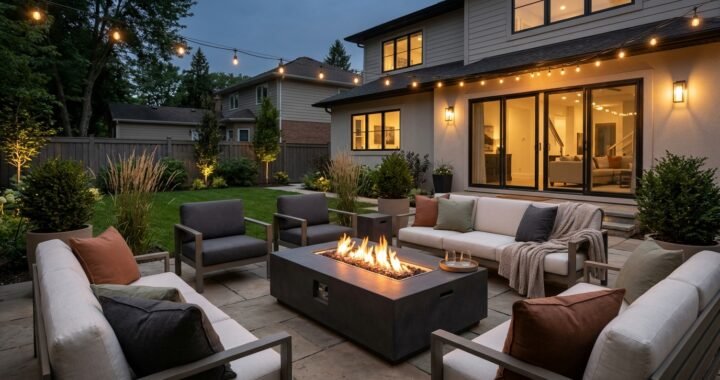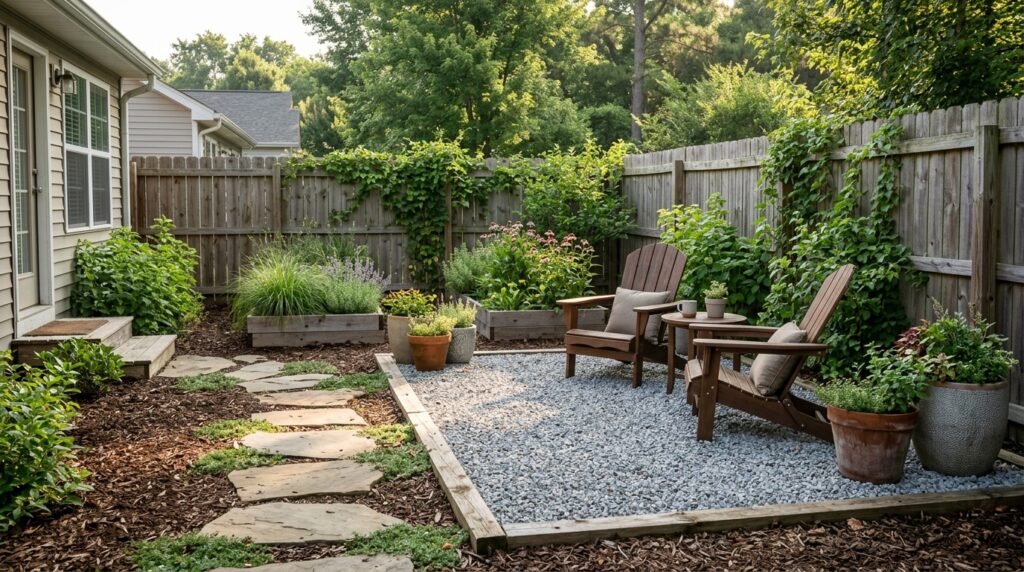
A beautiful backyard does not need expensive stonework or a complicated garden plan. Small changes can make an outdoor space feel more welcoming and useful. The best simple backyard landscaping ideas work with the yard you already have. They consider sunlight, soil, drainage, climate, available space, and how your family uses the area. You might create a small seating corner, plant an easy garden bed, improve a walkway, or add shade around a patio. Even cleaning overgrown areas can completely change how a yard feels. Before buying plants or materials, spend time observing the space. Notice where the sun falls and where rainwater collects. Think about which areas you actually use. A thoughtful plan can save money and reduce future maintenance. This guide covers practical landscaping choices for large and small yards, including plants, paths, privacy, lighting, lawns, patios, and low-cost improvements.
Start With What You Already Have
Before changing your backyard, take a careful look at its current condition. Healthy trees, established shrubs, patios, fences, and paths may already provide a useful foundation. Removing everything can create unnecessary work and expense. Walk around the yard and identify what you like, what causes problems, and what could be improved. A mature tree may provide valuable shade that would take years to replace. An old garden bed might only need weeding and fresh mulch. A plain patio may feel completely different after cleaning and adding comfortable furniture. Check for damaged branches, drainage issues, unstable structures, and unhealthy plants. If a large tree needs pruning or removal, use a qualified professional when appropriate. Good simple backyard landscaping ideas usually begin by improving useful features rather than replacing the entire yard.
Decide How You Want to Use the Backyard
A landscape should support your daily life. Think about what you actually want to do outside. You may need space for children to play, a quiet area for reading, a table for outdoor meals, or garden beds for vegetables. Some households need an open lawn for pets, while others would rather reduce grass and grow more plants. Write down your main priorities before shopping. This simple step prevents you from buying attractive features that do not solve a real need. Divide the yard into broad zones if that helps. One area might be for seating, another for gardening, and another for open space. You do not need physical walls between each zone. Changes in planting, flooring, or furniture can create natural separation while keeping the backyard connected.
Make a Simple Backyard Plan
You do not need professional drawing skills to make a useful landscape plan. Measure the yard and sketch its basic shape on paper. Mark the house, doors, windows, fences, trees, sheds, utilities, patios, and other fixed features. Then note sunny and shady areas. Observe drainage after rain when possible. Draw the features you want to add, such as a path, planting bed, seating area, or small tree. Keep mature plant sizes in mind rather than designing around their nursery size. Leave access to utility equipment and areas that may need maintenance. Check local rules before building permanent structures. Planning simple backyard landscaping ideas on paper first makes it easier to spot crowded areas, poor paths, and unnecessary expenses before you start digging.
Create Defined Garden Beds
Garden beds can give a backyard structure without requiring a major renovation. Instead of placing individual plants randomly across the lawn, group them into clear planting areas. Curved beds can create a soft, informal look, while straight edges often feel more modern. Choose the shape based on your home and existing landscape. Avoid making beds so narrow that mature plants quickly outgrow them. Once you decide on a shape, remove weeds and prepare the soil based on what you plan to grow. Add an appropriate layer of mulch after planting to help manage weeds and reduce moisture loss. Keep mulch away from tree trunks and plant stems. A defined bed often makes even a modest garden look more intentional because plants appear to belong to one coordinated area.
Choose Plants That Suit Your Climate
The easiest garden is one filled with plants that naturally fit local conditions. Before buying, learn your general climate, seasonal temperatures, rainfall, and soil conditions. Native plants can be excellent choices because many are adapted to regional conditions and may support local wildlife. However, “native” does not automatically mean maintenance-free. Each plant still has specific needs for sun, water, drainage, and space. Check mature height and width before planting. A shrub that looks small at a garden center may eventually cover a window or walkway. Avoid invasive plants that can spread into natural areas. Reliable local nurseries, extension services, botanical gardens, and horticultural organizations can help with regional plant choices. Selecting the right plant for the right location is one of the most dependable ways to reduce landscaping problems.
Use a Simple Planting Palette
A backyard can feel messy when every plant is a different color, height, and shape. Repeating a few plant types often creates a calmer design. Choose several plants that work with your conditions, then repeat them through the garden. For example, you might use one type of evergreen shrub, one ornamental grass, and two flowering plants. Repetition connects different parts of the landscape and makes shopping easier. It can also simplify care because fewer plant types mean fewer different maintenance routines. Consider how the garden changes through the seasons. Evergreens can provide structure when flowers are absent, while perennials and seasonal blooms add color. Among simple backyard landscaping ideas, a limited planting palette is especially useful for beginners because it creates a planned appearance without requiring advanced garden design skills.
Add Mulch for a Cleaner Look
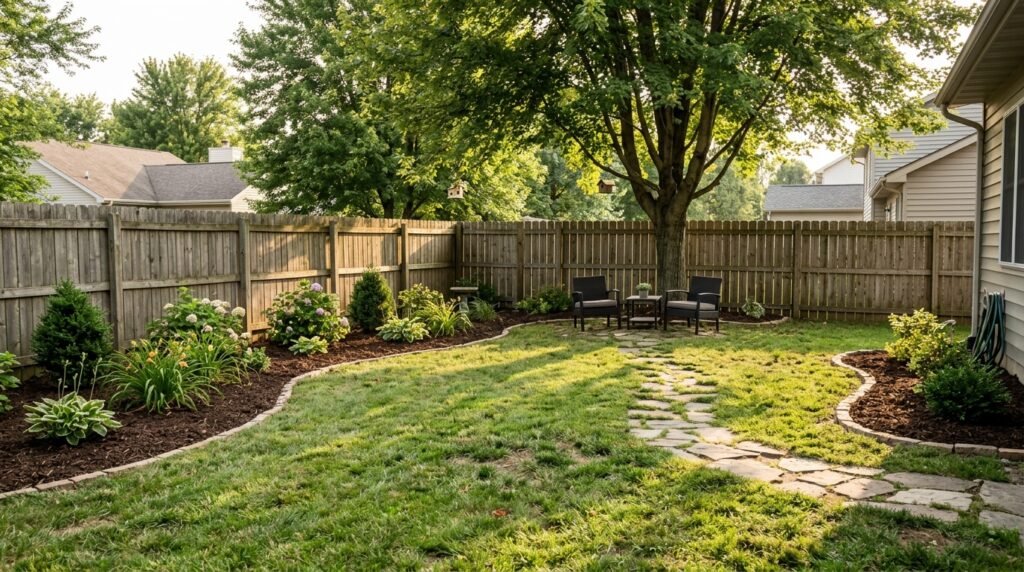
Mulch can quickly improve the appearance of garden beds. Organic materials such as shredded bark, wood chips, or other locally suitable products can help reduce weeds and slow moisture loss. As organic mulch breaks down, it may also contribute organic matter to the soil. Apply it at a suitable depth for the material and plants. More is not always better. Avoid piling mulch against tree trunks because constant moisture around bark can cause problems. The familiar “mulch volcano” around a tree is not good landscaping practice. Keep the root flare visible when appropriate. Mulch color should support the overall landscape rather than becoming the main attraction. Natural-looking materials often blend well with plants and soil. Refresh mulch when needed instead of automatically adding a thick new layer every year.
Make a Simple Garden Path
A path gives people a clear way to move through the yard and can make the landscape feel organized. It does not need to be made from expensive stone. Gravel, stepping stones, pavers, brick, or suitable compacted materials can work depending on the location. Choose a surface based on drainage, accessibility, maintenance, and how often the path will be used. A route to a shed may need a more durable surface than a decorative path through flowers. Make paths wide enough for comfortable use and avoid creating unnecessary curves. Before installing gravel, prepare the base correctly so the surface remains stable. Stepping stones should sit securely rather than rocking underfoot. A simple path is one of those simple backyard landscaping ideas that can improve both appearance and everyday function.
Create a Gravel Seating Area
If a full patio is outside your budget, a properly prepared gravel area may offer a more affordable place for outdoor furniture. Choose a level location that does not collect water. Prepare the ground and edging according to the gravel type and site conditions. The base is important because simply pouring loose gravel onto soil can lead to movement, weeds, and uneven furniture. Use chairs and tables that remain stable on the finished surface. Gravel is not ideal for every household. Wheelchairs, strollers, young children, or people with mobility concerns may need a firmer surface. It can also travel into nearby lawn or planting areas if edging is poor. When used in the right location, gravel provides texture and creates a clear outdoor room without the cost of a large paved patio.
Build a Small Patio Instead of a Large One
A huge patio is unnecessary if only a few people regularly use the backyard. A smaller paved area can provide enough room for a table, chairs, or lounge furniture while leaving more space for plants. Measure your furniture before deciding on patio dimensions. Remember to include room for chairs to pull out and for people to walk around them. Choose outdoor paving suitable for your climate and installation conditions. The base, slope, and drainage are just as important as the visible surface. Water should move away from the house rather than toward the foundation. If a patio project affects drainage or requires significant excavation, professional guidance may be worthwhile. A modest, well-planned patio often feels more comfortable and integrated with the garden than an oversized hard surface.
Add a Comfortable Seating Corner
Sometimes the simplest improvement is adding a place to sit. Look for a naturally pleasant part of the yard. It might be under a shade tree, beside a garden bed, or near the back door. Start with two chairs and a small outdoor table rather than buying a full furniture set. Make sure the ground beneath the seating is stable and level. Consider how the area feels during different times of day. Afternoon sun may make an exposed corner uncomfortable, while deep shade may feel cold in some climates. Surround the area with a few plants to make it feel connected to the garden. This is one of the easiest simple backyard landscaping ideas because you can create a useful destination without changing the whole yard.
Add Shade Where You Need It
Shade can make a backyard much more comfortable during hot weather. Existing trees may already provide the best solution, so protect healthy mature trees whenever possible. If natural shade is limited, consider a patio umbrella, shade sail, pergola, or another suitable outdoor structure. Each option has different installation and wind requirements. Shade sails need secure attachment points and correct tension. Pergolas may require permits or structural footings depending on size and local rules. A new shade tree can be a valuable long-term addition, but choose the species and planting location carefully. Consider mature canopy width, roots, overhead lines, and distance from buildings. Shade should improve comfort without creating future problems. Place it where people actually sit rather than adding a structure simply because it looks attractive.
Plant a Tree for Long-Term Value
A well-placed tree can provide shade, seasonal interest, habitat, and a strong focal point. However, tree selection requires more planning than choosing a small flower. Research mature height, canopy width, root behavior, soil needs, water needs, and climate suitability. Do not plant a large-growing species too close to the house, underground utilities, septic systems, pavement, or overhead power lines. Consider what the tree will look like decades from now rather than only at planting time. Young trees also need proper planting and early care. Avoid planting them too deeply or piling mulch against the trunk. When space is limited, a smaller ornamental tree may fit better. Trees are among the most valuable simple backyard landscaping ideas when they are selected for the site rather than chosen only for fast growth.
Use Shrubs to Give the Yard Structure
Shrubs can create a middle layer between tall trees and low flowers. They can define garden beds, soften fences, hide unattractive views, and add privacy. Evergreen shrubs provide year-round structure in many climates, while deciduous shrubs can offer flowers, berries, or colorful foliage. Check mature size before planting. Repeatedly shearing an oversized shrub into a tiny space creates unnecessary maintenance. Place plants far enough from walls and paths to allow natural growth. When possible, choose varieties suited to the available space. Grouping a few shrubs together can create more visual impact than placing isolated plants around the yard. Think about how their shape works with nearby plants. A combination of shrubs, perennials, and groundcovers can create a layered garden that looks full without requiring dozens of unrelated species.
Create Privacy With Plants
Plants can soften views from neighboring homes and make an outdoor seating area feel more private. Evergreen shrubs, small trees, ornamental grasses, and climbing plants can all provide screening in the right conditions. Do not automatically plant a long row of one fast-growing species. A single pest or disease can affect the entire screen. A mixed planting may create a more natural look and greater resilience. Research mature plant width so the screen does not become overcrowded. Privacy plants also need enough light, water, and soil space. Some popular fast-growing plants can become invasive or difficult to control in certain regions. Check reliable local guidance before planting. Natural screening takes longer than a fence, but it can add shade, habitat, color, and texture while improving privacy.
Use Containers to Add Flexible Color
Containers are useful when you want color without creating another permanent garden bed. Place pots near the patio, stairs, seating area, or back door. Use a small number of larger containers instead of many tiny pots if you want a cleaner look. Larger pots may also dry more slowly, although watering needs still depend on the plant and weather. Make sure containers have suitable drainage holes and use an appropriate growing medium. Choose plants based on the amount of sunlight the location receives. Containers can hold flowers, herbs, compact vegetables, grasses, or small shrubs depending on size. Move them when your layout changes or when seasonal conditions require it. Container gardening works especially well among simple backyard landscaping ideas because it allows you to experiment with plants without permanently changing the yard.
Add Raised Garden Beds
Raised beds can create a clear place for herbs, vegetables, or flowers. They may also make gardening more comfortable because the soil surface sits higher than ground level. Choose materials suitable for outdoor garden use and consider the expected lifespan. Place vegetable beds where they receive enough sunlight for the crops you plan to grow. Keep the width manageable so you can reach the center without stepping into the soil. Fill the bed with a growing mix suitable for your plants rather than simply using poor soil from another part of the yard. Plan access to water before installation. Raised beds still require weeding, watering, soil care, and seasonal maintenance. They are not automatically easier than every in-ground garden, but they can provide structure and help keep edible gardening contained in one organized area.
Grow Herbs Near the Kitchen
A small herb garden can be useful and attractive. If possible, place it near the kitchen door so herbs are easy to collect while cooking. Basil, parsley, thyme, mint, rosemary, chives, and other herbs have different climate and growing needs, so choose varieties suited to your location. Mint can spread aggressively when planted directly in the ground, so containers are often easier to manage. Some herbs prefer dry soil, while others need more regular moisture. Group plants with similar needs rather than treating every herb the same way. A few pots may be enough for a household that only uses fresh herbs occasionally. Edible landscaping does not need to take over the entire yard. A compact, well-placed herb area can add fragrance, texture, and practical value.
Keep the Lawn Simple
A lawn can provide useful open space, but it should not automatically fill every unused part of the yard. Grass needs mowing, water, nutrients, and other care depending on the species and climate. Keep lawn where it serves a purpose, such as a play area or open space for pets. Awkward narrow strips can be difficult to mow and may work better as planting beds or another suitable surface. Choose grass suited to your region and site conditions. Deep shade, poor drainage, or very dry areas may not support healthy turf without extra work. Avoid forcing grass to grow where conditions are unsuitable. One of the most practical simple backyard landscaping ideas is reducing unnecessary lawn while keeping enough for the activities your household enjoys.
Replace Difficult Lawn Areas With Groundcovers
Groundcovers can be useful in places where grass struggles, such as slopes or certain shaded areas. However, choose them carefully. The right species depends on climate, sunlight, soil, foot traffic, and available water. Some groundcovers spread aggressively and can become difficult to control. Others cannot tolerate regular walking. Research local options before planting a large area. Native groundcovers may provide ecological benefits in some regions. Mulched beds can be another simple solution where plants are unnecessary. Do not assume replacing grass automatically means zero maintenance. Groundcovers may still require weeding, trimming, watering during establishment, and occasional management. The goal is to match the surface to the conditions. A plant that naturally likes the site will usually perform better than turf that constantly needs help.
Use Landscape Edging With Purpose
Edging can separate lawn from garden beds and create cleaner lines. Options include metal, brick, stone, plastic, concrete, or simply a well-cut natural edge. The best choice depends on your budget and style. Edging should solve a practical problem rather than become an unnecessary decoration. It can help stop mulch from moving into grass or gravel from spreading onto a lawn. Install it securely and at a suitable height so it does not create a trip hazard or interfere with mowing. Straight lines can feel clean and modern, while gentle curves can create a softer look. Avoid complicated shapes that make lawn care harder. Simple edging is often enough to make an existing landscape look more finished without adding new plants or expensive materials.
Add Outdoor Lighting for Evening Use
Landscape lighting can make paths, steps, patios, and entrances safer after dark. It can also highlight a tree or planting area. Start with places where lighting serves a clear purpose. Too many fixtures can create glare and make a backyard less relaxing. Low-voltage systems are common for landscape use, while solar lights can work in suitable sunny locations. Product quality and brightness vary. Aim lights downward where possible and avoid shining them into neighboring homes or the night sky. Outdoor electrical installations must be appropriate for wet conditions and follow local requirements. Good lighting is one of the more practical simple backyard landscaping ideas because it extends the hours you can use the yard while improving visibility. A few well-positioned lights often work better than dozens placed along every edge.
Create a Simple Fire Pit Area Safely
A fire pit can create a comfortable gathering place, but safety must guide the design. Before installing one, check local fire rules, burn restrictions, property setbacks, and homeowner association requirements. Some locations restrict wood-burning fire features or prohibit them during dry conditions. Place an approved fire pit on a suitable noncombustible surface and maintain required clearance from structures, fences, trees, branches, and other flammable materials. Never position it under a covered area unless the system and structure are specifically designed for that use. Seating should be far enough away for comfort and safe movement. If open fires are not practical, create the same gathering layout around a table or another focal point. The social value comes from the seating arrangement, not only from the fire itself.
Add a Water Feature Without Building a Pond
A large pond requires planning and ongoing care, but a small water feature can add sound and movement with less space. A self-contained fountain or bubbling feature may fit near a patio or garden bed. Choose a design that can be cleaned easily and follow the manufacturer’s maintenance instructions. Standing water can attract mosquitoes, so proper circulation and upkeep matter. Electrical components must be rated and installed for outdoor use. Consider water use in dry climates before adding a feature that loses significant water through evaporation. If maintenance sounds inconvenient, skip it. Landscaping should match the amount of work you are willing to do. A water feature is optional rather than essential. A simple garden can feel peaceful through plants, shade, and comfortable seating alone.
Use Rocks and Gravel in the Right Places
Rock and gravel can add texture and reduce muddy areas. They work well on certain paths, around suitable drought-tolerant plantings, and in areas where drainage conditions support their use. However, covering an entire yard with rock is not always low-maintenance. Leaves and soil can collect between stones, and weeds may eventually grow. Dark rocks can also become very hot in strong sunlight. Choose materials that fit the climate and the way you use the space. Gravel paths need edging and a well-prepared base to stay tidy. Large decorative rocks can serve as focal points when they look natural in the landscape. Use stone as one part of the design rather than assuming it is a permanent solution to every maintenance problem.
Create a Backyard Focal Point
A focal point gives the eye somewhere to rest. It does not need to be expensive. A small ornamental tree, bench, large planter, birdbath, sculpture, or attractive garden bed can become the main feature. Place it where it can be seen from the patio, back door, or an important window. Avoid creating several competing focal points in a small yard. One strong feature often has more impact than many small decorations. Surround it with simpler plants and materials so it stands out naturally. Among simple backyard landscaping ideas, this is an easy design principle that can make an ordinary yard feel more intentional. The focal point should reflect your taste and fit the scale of the yard rather than looking like an object placed there without context.
Make a Small Backyard Feel Larger
A small yard benefits from clear organization. Avoid placing many tiny objects around the perimeter. Instead, create a few larger planting groups and leave some open areas. Use plants with different heights to create depth. A small tree or tall shrub can form the background, medium plants can fill the middle, and low plants can soften the front edge. Curved or diagonal views may make the yard feel less box-like, but avoid unnecessary complexity. Keep furniture proportional to the available space. A huge dining set can make a tiny patio difficult to use. Vertical planting on a trellis can add greenery without taking much ground space. Most importantly, do not try to include every landscaping feature. A simpler layout often makes a compact yard feel calmer and more spacious.
Simple Backyard Landscaping Ideas on a Budget
Start with cleaning rather than shopping. Remove weeds, trim plants correctly, rake leaves, wash hard surfaces, and clear broken or unused items. These tasks can transform a yard at very little cost. Divide existing perennials when appropriate instead of buying every plant new. Ask local garden groups about plant exchanges. Buy younger plants if you are willing to wait for them to mature. Use mulch to define beds and reduce bare soil. Reuse sound materials when they are safe and suitable for outdoor use. Focus spending on features you will use often, such as seating, shade, or a practical path. Budget simple backyard landscaping ideas work best when they improve the existing yard rather than trying to copy an expensive professionally designed landscape all at once.
Low-Maintenance Backyard Landscaping Ideas
Low maintenance does not mean no maintenance. Every landscape requires some care. You can reduce work by choosing plants suited to the site, limiting unnecessary lawn, grouping plants with similar water needs, and using mulch correctly. Avoid planting species that require constant pruning to fit their location. Install paths wide enough to use comfortably and make garden beds easy to reach. Consider an efficient irrigation system where appropriate, but check it regularly for leaks and poor coverage. Choose durable outdoor materials that suit your climate. Keep the design simple so there are fewer edges and small spaces to maintain. A landscape that works with natural conditions will usually require less effort than one that constantly fights the soil, sunlight, rainfall, or mature size of its plants.
Simple Backyard Landscaping Ideas for Privacy
Privacy does not always require a tall solid fence. Plants, trellises, screens, and thoughtful seating placement can reduce unwanted views. First identify where the view comes from. A small screen positioned near a patio may block it more effectively than planting the entire property line. Evergreen shrubs can provide year-round screening where climate conditions suit them. A trellis with appropriate climbing plants can create privacy in a narrow area. Check local fence and structure rules before building permanent screens. Avoid invasive plants and consider mature size. You should also think about your neighbors. A privacy solution should not create drainage problems or unsafe sight lines. Targeted screening is often more affordable and attractive than turning the whole backyard into a closed space.
Design With Wildlife in Mind
A backyard can support birds, butterflies, bees, and other local wildlife. Plant diversity is one of the best places to start. Native flowering plants can provide nectar and pollen, while shrubs and trees may offer shelter and food. Avoid using pesticides without a clear need, and follow product labels carefully when treatment is necessary. A shallow water source can help wildlife when it is kept clean and managed so mosquitoes do not breed. Leave some natural material where appropriate, but do not allow dangerous debris to collect. Different regions support different species, so use reliable local resources when selecting wildlife-friendly plants. A garden designed for local ecology can still look neat and intentional. It simply recognizes that a backyard can serve both people and nature.
Avoid Common Backyard Landscaping Mistakes
Buying plants before making a plan is one of the most common mistakes. Another is ignoring mature plant size. Small shrubs can quickly crowd paths, windows, and other plants. Poor drainage should never be hidden under mulch or new landscaping. Water problems often become worse if the cause is not addressed. Avoid placing trees too close to buildings or utilities. Do not create garden beds that are difficult to reach for maintenance. Too many materials, colors, and decorative objects can also make a yard feel busy. Finally, do not assume every popular landscaping trend is right for your climate. The most successful simple backyard landscaping ideas respond to the actual site. Observe the yard first, choose practical materials, and give plants enough room to grow naturally.
Improve the Backyard One Area at a Time
You do not need to finish the entire landscape in one weekend. Working in stages can reduce costs and help you make better decisions. Start with urgent problems such as drainage, unsafe trees, damaged paths, or broken fencing. Next, improve the area you use most, such as the patio or space near the back door. Add garden beds and other features later. Living with each change for a while can reveal what the yard still needs. You may discover that a planned feature is unnecessary or that another area deserves more attention. Phased landscaping also allows plants to grow before you decide whether additional planting is needed. A slower approach often creates a more thoughtful yard because each improvement responds to real experience rather than an initial wish list.
Frequently Asked Questions
What is the easiest way to landscape a backyard?
Start by cleaning and organizing the space. Remove weeds and unused items, then identify healthy plants and useful existing features. Create one or two clear garden beds and add mulch. Add a comfortable seating area if you do not already have one. Choose plants suited to your local climate and the sunlight in your yard. Do not try to redesign everything at once. Improving one section at a time makes the project easier to manage and helps prevent expensive mistakes.
How can I landscape my backyard on a small budget?
Use what you already have before buying new materials. Clean patios, redefine garden edges, divide suitable existing plants, and reuse safe materials. Buy smaller plants rather than mature specimens if you can wait for growth. Focus on high-impact areas near the house or seating space. Mulch can make existing beds look cleaner without major construction. Avoid moving large amounts of soil or installing complex structures unless they solve a real problem. A clear plan usually saves more money than simply choosing the cheapest materials.
What are the best low-maintenance plants for a backyard?
The answer depends on your climate, soil, sunlight, and available water. Plants that perform well in one region may struggle in another. Look for species adapted to local conditions and choose the correct plant for each location. Native plants can be useful options, but they still have specific needs. Check mature size before planting. Local extension services, botanical gardens, and reputable nurseries can provide more reliable recommendations than a general list that ignores regional conditions.
How can I make my backyard look better without grass?
Use garden beds, suitable groundcovers, paths, patios, gravel areas, trees, shrubs, and container plants to create structure. Keep some open space so the yard does not feel crowded. A small seating area can become the main outdoor room. Mulched planting beds can cover areas where lawn is unnecessary. Choose surfaces based on drainage, climate, accessibility, and maintenance. Removing grass does not automatically create a maintenance-free yard, so plan how each replacement area will be cared for.
How can I add privacy to my backyard naturally?
Use shrubs, small trees, ornamental grasses, or climbing plants suited to your climate. First determine exactly which view needs to be blocked. A small group of plants near a patio may work better than a long hedge around the whole property. Check mature size and avoid invasive species. Evergreen plants may provide year-round screening, while deciduous plants may lose privacy during winter. A combination of plants and a simple trellis can also work in narrow spaces.
What are the most useful simple backyard landscaping ideas?
The most useful simple backyard landscaping ideas improve how you use the yard while keeping future maintenance manageable. Defined planting beds, suitable trees and shrubs, comfortable seating, practical paths, shade, mulch, and good lighting can all make a noticeable difference. Start with your biggest problem rather than adding random features. If the yard is too hot, create shade. If it feels exposed, add targeted privacy. If it looks messy, simplify beds and remove clutter. The best landscaping solution is the one that solves a real need in your outdoor space.
Conclusion
A beautiful backyard is not created by filling every corner with plants, furniture, and decorations. The best simple backyard landscaping ideas make the space easier to use and care for. Start with what you already have. Protect healthy trees, improve useful garden beds, and solve drainage problems before adding decorative features. Choose plants that match your climate and give them enough room to mature. Add a path where people naturally walk, seating where you enjoy spending time, and shade where summer heat makes the yard uncomfortable. You can make changes gradually instead of completing a large makeover at once. A thoughtful backyard does not need to be expensive or complicated. With a clear plan and practical choices, even an ordinary outdoor space can become a comfortable garden that feels connected to your home.